
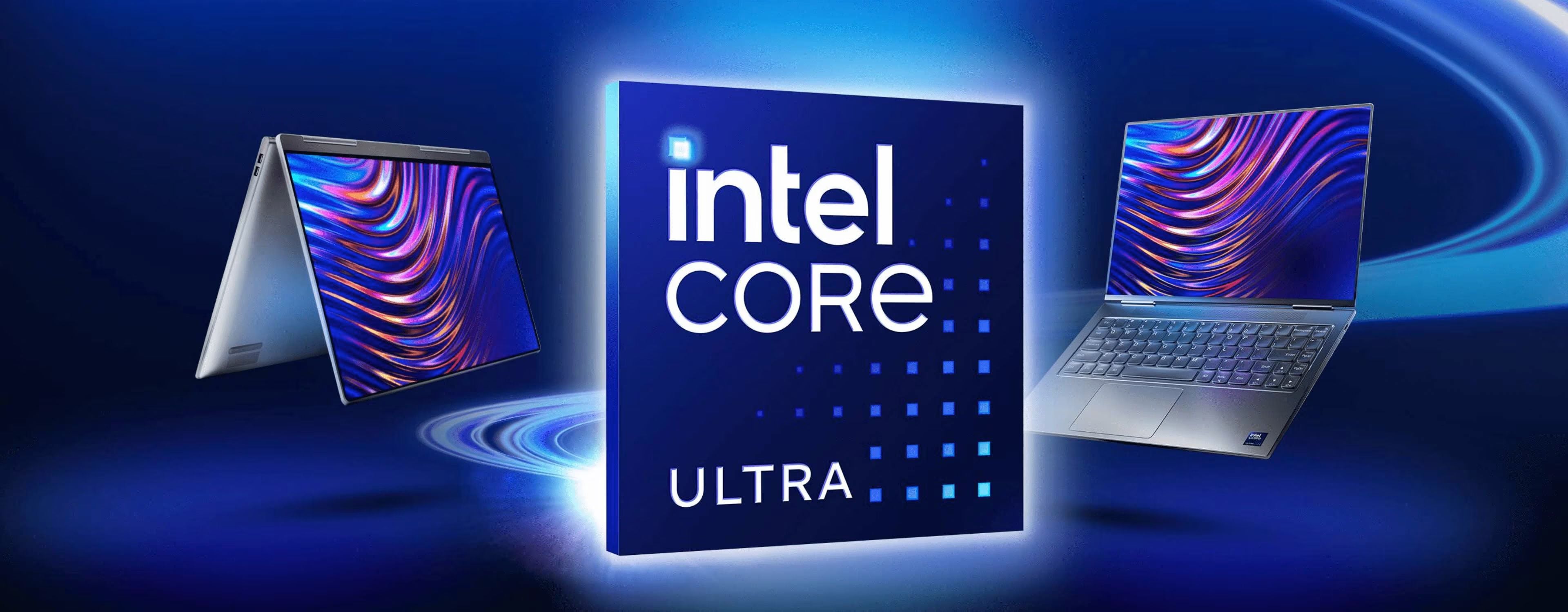
Intel has confirmed plans for an Arrow Lake refresh, reportedly arriving this spring as Core Ultra 200 Plus models, following the company's Panther Lake launch at CES 2026. The refresh targets desktop and high-performance laptop users with incremental upgrades before Nova Lake's late 2026 debut.
Leaker Golden Pig Upgrade on Weibo, reported by Videocardz, claims Core Ultra 200 Plus chips will launch in March or April, though Intel has only confirmed the refresh exists without specifying timing. Geekbench database entries show Core Ultra 9 290K Plus for desktops and Core Ultra 9 290HX Plus for notebooks, suggesting validation testing is underway.
Intel VP David Feng told MobileSyrup the company debated calling the refresh a 300 series but settled on 200 Plus branding. "We didn't feel that was the right thing to do just because they're refresh products," Feng said. The Plus designation will help consumers distinguish between 2025 models and 2026 refresh SKUs.
Panther Lake systems reach the market January 27, creating a staged rollout strategy. The Arrow Lake refresh would maintain momentum in Intel's desktop and HX notebook stacks without overshadowing Panther Lake's initial launch.
Refresh generations typically focus on incremental tuning rather than architectural changes. The main upgrade reportedly offers native support for faster DDR5 RAM, though current memory prices remain elevated. Performance improvements are expected to be modest compared to the current Core Ultra 200S family.
Intel's timing creates a compressed product cycle. Arrow Lake refresh would have only a few months before Nova Lake arrives later this year. Nova Lake represents Intel's next major desktop and high-end mobile generation, potentially making the refresh less compelling for enthusiasts.
Feng explained Panther Lake's architecture merges Lunar Lake's power efficiency with Arrow Lake's performance scaling. The Series 3 Ultra lineup offers two CPU configurations (8-core and 16-core) and two graphics options (4XE and 12XE), providing OEMs more flexibility than previous generations.
"For the extreme hardcore gamers, they're going to chase that extreme level frame rate per second," Feng said. "They're going to stick to HX or use the 200 HX+ platform with the top-of-the-line offerings."
The 12XE graphics configuration can run between 25 and 65 watts, enabling thin-and-light designs to handle most triple-A games at medium settings. When paired with discrete GPUs, Panther Lake systems offer better battery life during non-gaming tasks.
Feng identified content creators and mobile gamers as primary targets for the 16-core, 12XE configuration. The 8-core CPU represents the volume leader for everyday computing tasks like email, browsing, and productivity work.
Intel's broader strategy includes Wildcat Lake for mainstream price points later this year. "What we're excited about with Wildcat Lake is that it's bringing the latest technology, IP and experience to the mainstream price point," Feng said.
The Arrow Lake refresh faces market challenges beyond timing. DDR5 memory prices remain high, potentially limiting adoption of the faster RAM support. AMD's Zen 6 and Intel's own Nova Lake will both compete in the same timeframe with more substantial architectural improvements.
Industry analysts question the refresh's necessity given Nova Lake's proximity. Some suggest Intel should focus refresh efforts on the laptop sector, where Core Ultra 200HX chips perform well, while abandoning desktop refreshes entirely.
Intel's product stack now includes three distinct architectures: Panther Lake for premium mobile, Arrow Lake refresh for desktop and high-performance laptops, and upcoming Nova Lake for next-generation systems. This multi-tier approach aims to address different market segments simultaneously.
Consumer response will depend on final specifications, pricing, and real-world performance. The refresh's success may hinge on whether incremental improvements justify upgrades for existing Arrow Lake owners or attract new buyers ahead of Nova Lake's arrival.
Intel's aggressive release schedule reflects competitive pressure from AMD and the need to maintain market momentum. The company's ability to execute this complex product transition will test its manufacturing capabilities and supply chain management, coming as Intel stock has surged 28 percent this year.