
OpenAI researcher Zoë Hitzig resigned this week as the company began testing advertisements in ChatGPT, warning that the platform's collection of intimate user conversations creates unprecedented manipulation risks.
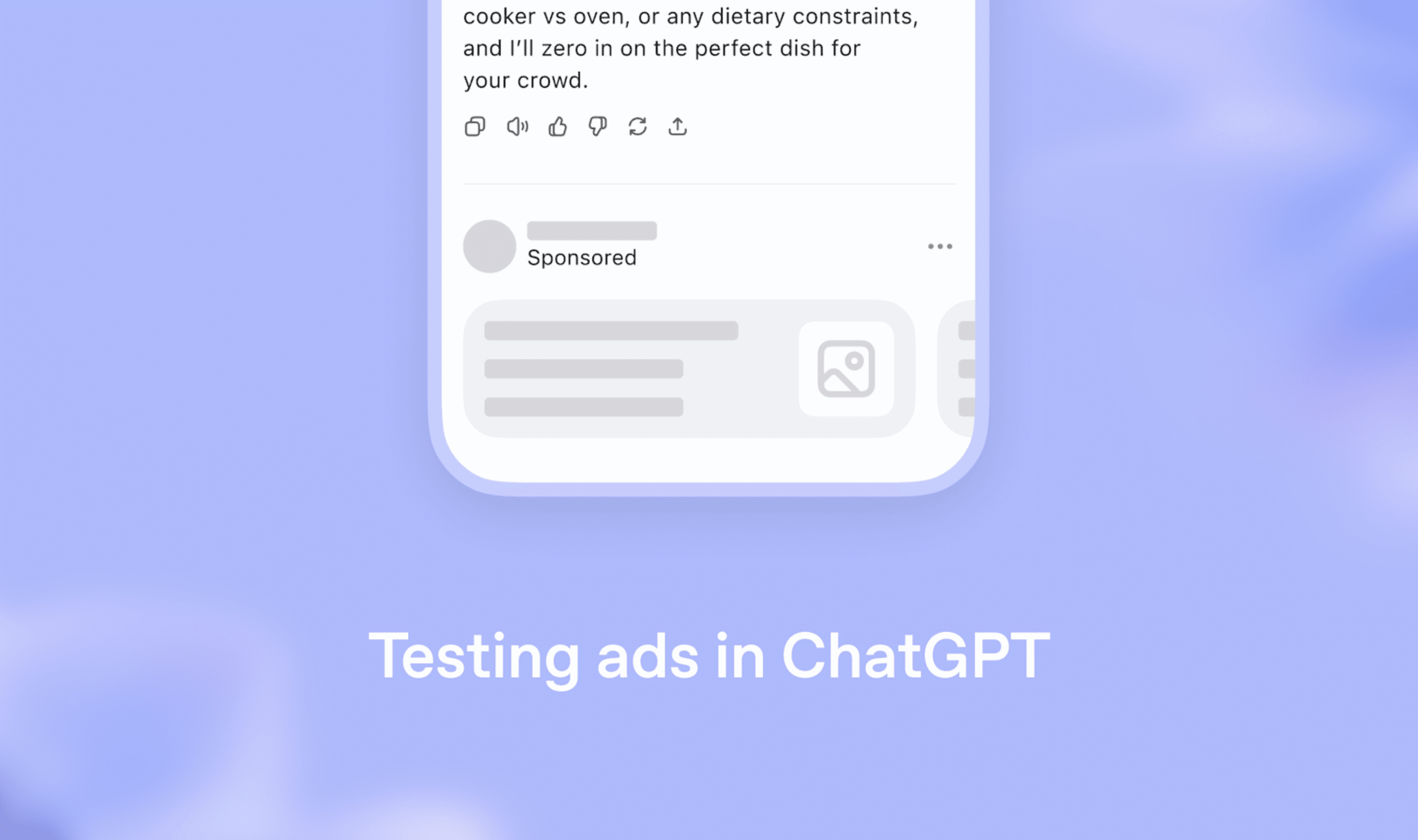
The resignation coincided with OpenAI's Monday announcement that it would display ads to free and $8 monthly Go subscribers in the United States. Premium tier users including Plus, Pro, Business, Enterprise, and Education customers will not see advertisements. OpenAI states that sponsored content will appear at the bottom of responses with clear labeling and separation from AI-generated answers.
Hitzig detailed her departure in a New York Times guest essay published Wednesday, describing two years spent at OpenAI developing safety policies and pricing models for AI systems. Her essay title referenced Facebook's historical trajectory: "OpenAI Is Making the Mistakes Facebook Made. I Quit."
"ChatGPT has accumulated a record of human openness without parallel," Hitzig wrote.
Users discuss medical concerns, relationship difficulties, spiritual beliefs, and personal anxieties with the chatbot, often under the assumption that they're communicating with a neutral entity. Advertising based on these confidential exchanges could enable user manipulation through methods that remain poorly understood, she argued.
OpenAI maintains that advertisements will not affect ChatGPT's responses and that user conversations stay private from advertisers. Company representatives emphasize that chat data won't be sold to third parties and that a separation exists between conversation content and ad targeting systems.
Hitzig accepts OpenAI's current privacy assurances but questions whether financial pressures will eventually override them.
"Initial ad implementations will likely adhere to these guidelines," she noted. "Future versions may not, as the company develops economic mechanisms that encourage rule-breaking."
The researcher compared OpenAI's situation to Facebook's early commitments about user data control and policy voting rights. Those promises deteriorated under commercial demands, resulting in Federal Trade Commission investigations and multibillion-dollar privacy settlements.
ChatGPT serves approximately 800 million weekly users according to internal communications from CEO Sam Altman. Only 20 million users currently subscribe to paid tiers, representing a conversion rate below 3%.
Internal projections estimate that advertising to free users could generate $1 billion during 2026, potentially reaching $25 billion by 2029.
Despite reporting over $20 billion in annualized revenue by late 2025, OpenAI continues to operate at substantial losses due to computational expenses. The company's $500 billion valuation contrasts with its current financial situation, making revenue development essential.
Market research from Forrester indicates that 83% of surveyed ChatGPT users would continue using the free version even with advertisements. Analysts attribute this to increasing "privacy fatigue" among digital consumers accustomed to ad-supported services.
Competitor Anthropic referenced the advertising debate during Super Bowl weekend with commercials stating "Ads are coming to AI. But not to Claude." The advertisements showed AI conversations disrupted by intrusive marketing messages. Altman responded that OpenAI would never implement advertisements as portrayed in Anthropic's campaign.
Hitzig suggested alternative approaches including independent regulatory oversight with enforcement authority, user data management through trusts with fiduciary responsibilities, or cross-subsidization where profitable services support free offerings.
"Technology firms have options for maintaining broad access while reducing surveillance and manipulation incentives," she wrote.
The advertising test launches with a limited group of US users and will expand gradually in coming weeks. OpenAI confirms that advertisements won't appear for users under 18 or in discussions involving health, politics, or other sensitive subjects. Users can hide ads, provide relevance feedback, and adjust personalization settings, though complete opt-out reduces daily message limits for free tier accounts.