
US lawmakers, Waymo, and Tesla urged Congress to accelerate self-driving vehicle deployment this week, warning that China threatens American leadership in autonomous transportation.
The Senate Commerce Committee held a hearing Wednesday focused on robotaxi deployment, with testimony from both companies. Legislation to streamline autonomous vehicle regulations has been stalled for nearly a decade.
"If the U.S. does not lead in AV development, other nations, particularly China, will shape the technology, standards, and global market," Democratic Senator Gary Peters told Reuters ahead of the hearing. "China will be the dominant manufacturer of transportation for the 21st century."
Waymo, an Alphabet subsidiary, argued in written testimony that U.S. leadership in autonomous vehicles faces direct threats. The company described a global race with Chinese AV companies for control of a trillion-dollar industry comparable in strategic importance to flight and space travel.
China currently invests heavily in autonomous vehicle production, according to Peters. The competitive pressure comes as American companies face regulatory hurdles that have delayed widespread deployment.
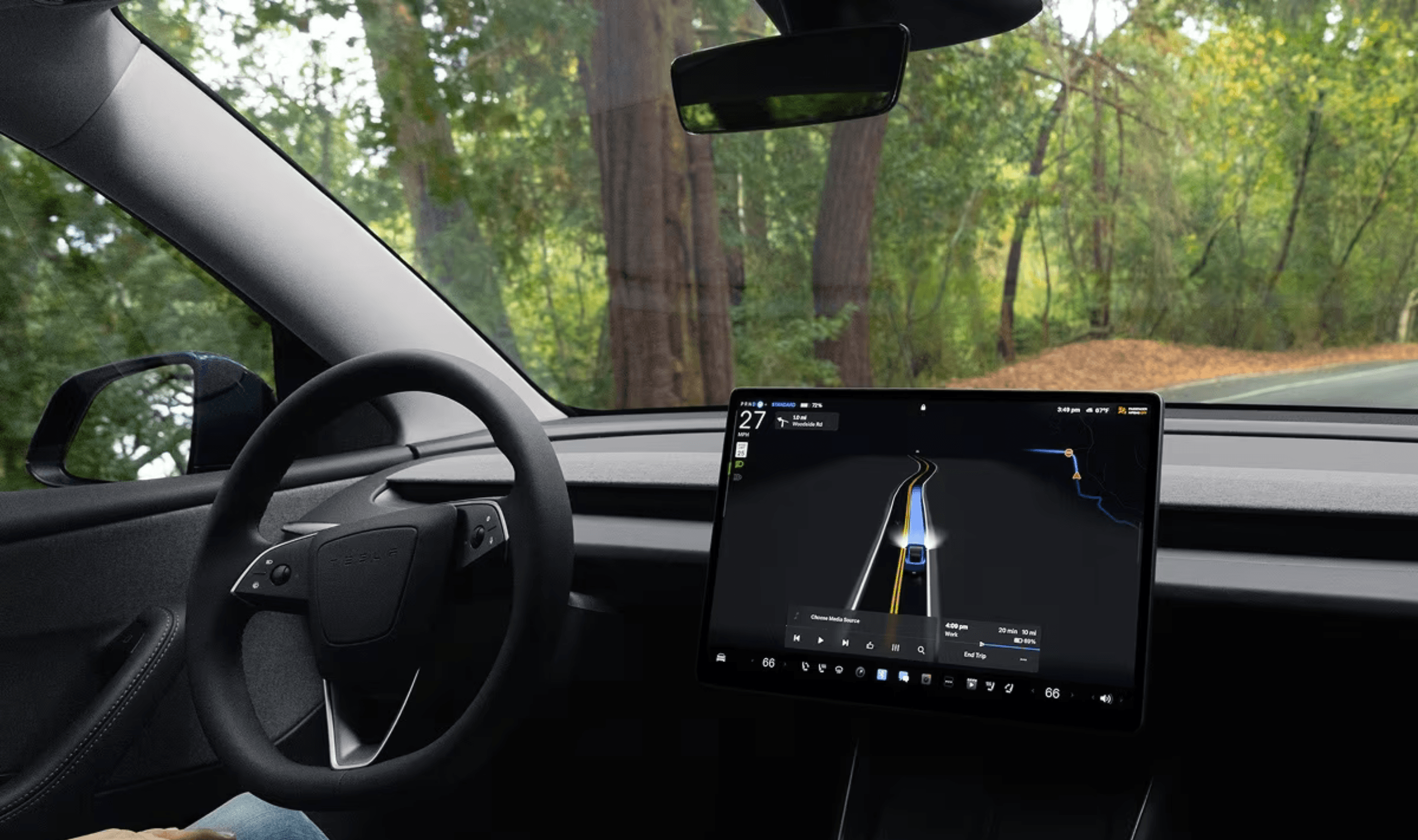
Tesla joined Waymo in urging congressional action. Both companies seek legislation that would make it easier to deploy autonomous vehicles without human controls, addressing what they see as a critical gap in U.S. competitiveness.
The United States risks falling behind in what industry leaders describe as one of the most significant technological shifts since the advent of commercial aviation.
Autonomous driving represents not just a transportation evolution but a fundamental restructuring of global manufacturing and technology standards.
Wednesday's hearing marked the latest effort to break a legislative logjam that has persisted through multiple congressional sessions. Previous attempts to pass comprehensive autonomous vehicle legislation failed despite bipartisan support.
Industry testimony emphasized that without federal action, individual states will continue setting conflicting regulations. This patchwork approach creates barriers to nationwide deployment that Chinese companies don't face under their centralized regulatory system.
The timing coincides with increased Chinese investment in autonomous technology. Chinese AV companies have expanded testing and deployment within their domestic market while exploring international expansion.
Waymo's testimony warned that the stakes extend beyond commercial competition.
"The United States is locked in a global race with Chinese AV companies for the future of autonomous driving," according to documents seen by Reuters.
Peters framed the issue as a matter of national economic security. He argued that controlling autonomous vehicle standards represents control over future transportation infrastructure worldwide.
The hearing included discussions about specific legislative proposals that would preempt state regulations and establish federal safety standards. These measures aim to create consistency while maintaining safety oversight.
Both companies emphasized that current regulatory uncertainty hampers investment and innovation. They argue that clear federal guidelines would accelerate testing and deployment while ensuring safety.
China's progress in autonomous vehicles comes amid broader technological competition between the two nations. The autonomous driving sector represents one front in a larger struggle for technological supremacy.
Industry analysts note that Chinese companies benefit from government support, fewer regulatory barriers, and access to large-scale testing environments. These advantages have accelerated their development timeline.
The Senate hearing represents renewed momentum for legislation that has languished since first proposed. Previous bills faced opposition over safety concerns and states' rights issues.
Waymo and Tesla's joint appeal marks unusual alignment between two competitors. Both companies typically advocate for different regulatory approaches but united on the need for federal action against Chinese competition.
Testimony highlighted that autonomous vehicles represent more than just transportation technology. They encompass artificial intelligence, sensor systems, and data infrastructure that will define future smart cities.
The trillion-dollar valuation cited by Waymo reflects not just vehicle sales but associated services, data monetization, and infrastructure development. Autonomous driving creates entirely new economic ecosystems.
China's manufacturing dominance in traditional vehicles gives it a foundation for autonomous vehicle production. The country already leads in electric vehicle manufacturing and battery technology, with Tesla recently partnering with Tencent to integrate WeChat into over 1 million cars in China.
"We cannot afford to let another decade pass without action," he told Reuters. "The window for American leadership is closing."
The Senate Commerce Committee will consider testimony as it drafts new legislation. Committee members from both parties expressed concern about falling behind China in critical technologies.
Waymo's written testimony warned that without congressional action, "other nations, particularly China, will shape the technology, standards, and global market." The company urged immediate passage of legislation to maintain U.S. competitiveness.
Wednesday's hearing concluded with commitments from committee leadership to prioritize autonomous vehicle legislation. Specific bill language and timeline remain under discussion as lawmakers weigh competing priorities.