
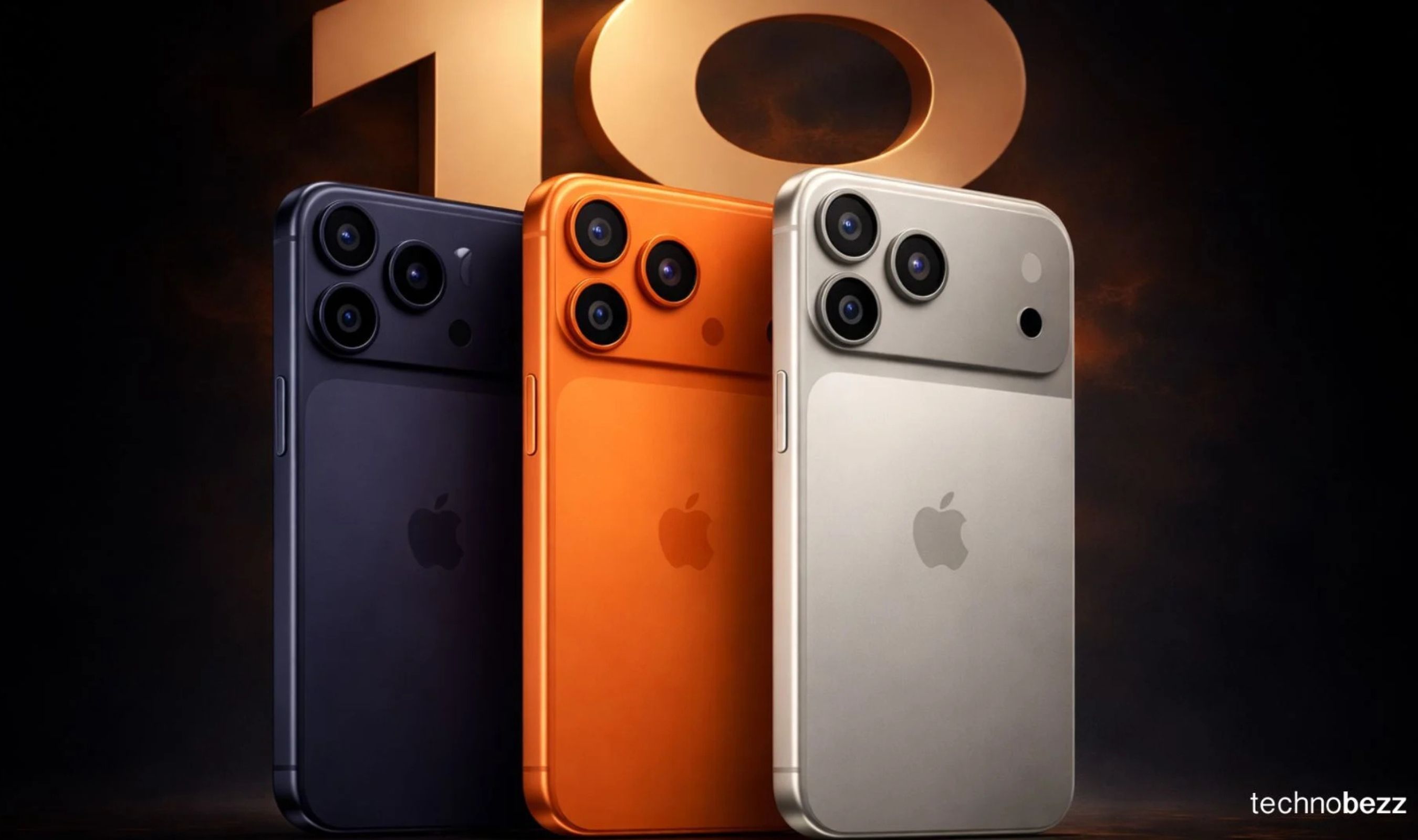
Updated January 24, 2026: New research confirms Apple's split launch strategy for iPhone 18, with Pro models and iPhone Fold expected in September 2026, while standard iPhone 18 and iPhone 18e will follow in Spring 2027. The A20 chip's 2nm manufacturing could increase costs by up to 80% per unit, potentially affecting pricing.
Apple reportedly simplifying the Camera Control button to remove swipe gestures. iPhone 18 Pro Max now rumored to be slightly thicker at approximately 243 grams to accommodate a larger battery.
Apple's iPhone 17 lineup only arrived a few months ago, but already the rumor mill is churning with details about what's next. The iPhone 18 series, expected to debut in 2026, could represent one of the most significant shakeups in Apple's smartphone strategy in years.
From conflicting release schedules to the company's long-rumored entry into the foldable market, here's everything we've pieced together from supply chain leaks, analyst reports, and industry whispers.
See also - iPhone Fold: Everything We Know So Far
iPhone 18 Pro Specs at a Glance
Here's everything we know so far, based on the most reliable leaks and reports:
| Display | 6.3-inch (Pro) and 6.9-inch (Pro Max), LTPO+ panels, under-display Face ID rumored, smaller or eliminated Dynamic Island, front camera moving to top-left hole-punch |
| Processor | A20 Pro chip (TSMC 2nm process with WMCM packaging), approximately 15% faster and 25-30% more power efficient than A19 |
| Camera System | 48MP main with variable aperture (Pro Max), 48MP ultra-wide, improved telephoto with faster aperture, 24MP front-facing camera |
| Battery & Charging | Larger battery (Pro Max slightly thicker at ~243g), improved efficiency from 2nm chip and C2 modem |
| Modem | Apple C2 modem with mmWave 5G support, potential Starlink satellite connectivity for full internet access |
| Design | Same overall design as iPhone 17 Pro, unified rear glass finish, rumored colors include Coffee Brown, Purple, and Burgundy (no black option) |
| Camera Control | Simplified button removing capacitive layer, pressure-sensing only (no swipe gestures) |
| Starting Price | Expected $1,099 (Pro) and $1,199 (Pro Max) |
iPhone Fold Specs at a Glance
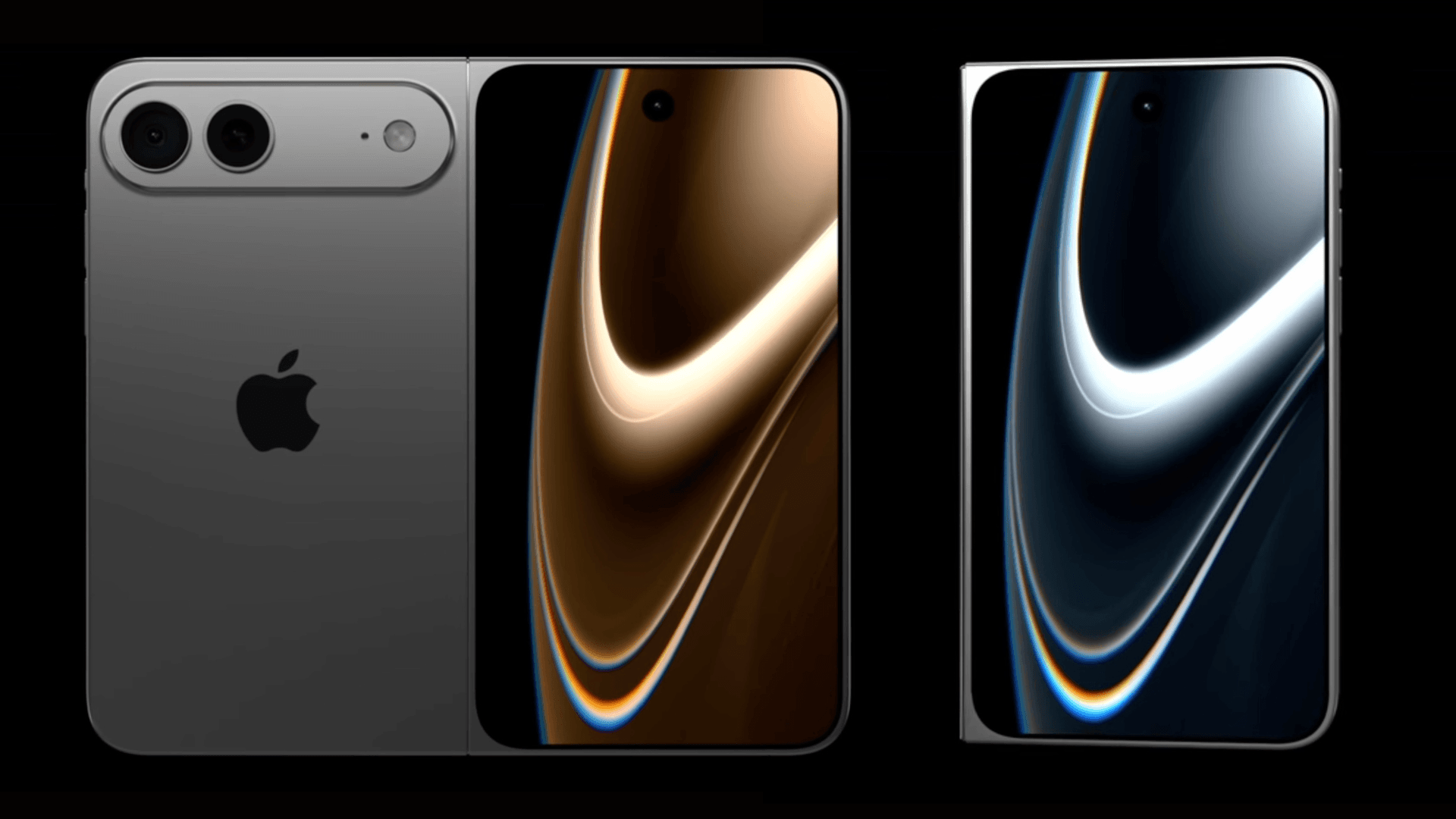
| Display | 7.8-inch inner display, 5.5-inch outer display with hole-punch camera |
|---|---|
| Thickness | 9mm closed, 4.5mm unfolded (thinner than iPhone Air) |
| Processor | A20 Pro chip (2nm) |
| Camera System | Four cameras total: dual 48MP rear, 24MP under-display inner camera, front hole-punch selfie camera |
| Battery | 5,400-5,800 mAh (largest iPhone battery ever) |
| Biometrics | Touch ID in power button (no Face ID) |
| Design | Book-style fold, nearly crease-free display using liquid metal hinges |
| Colors | Black and White only |
| Price | $2,000-$2,500 (estimated around $2,400) |
| Availability Warning | Supply shortages possible into 2027 due to production challenges |
iPhone 18 Release Date & Availability
If you've followed iPhone rumors for years, you're used to the predictable September cadence. Apple has maintained fall launches since 2011, with only two exceptions: the iPhone 4s in October 2011 and the iPhone 12 in October 2020 due to pandemic disruptions. But 2026 might finally break that pattern.
According to multiple reports including analysis from MacRumors and CNET, Apple is considering a split launch strategy. The iPhone 18 Pro and Pro Max models would debut in September 2026 alongside Apple's first foldable iPhone, while the standard iPhone 18 and budget-friendly iPhone 18e would follow in spring 2027.
This approach would mean customers wanting to upgrade during the traditional fall timeline would need to opt for premium models starting at $1,099 or more.
However, a conflicting report from Weibo leaker Fixed Focus Digital suggests Apple might accelerate production timelines. The leaker claims iPhone 18 production lines will begin testing shortly after New Year's Day, with mass manufacturing starting around February's Spring Festival.
Some interpretations of this timeline suggest a possible March 2026 launch for base models, which would mark a significant calendar shift, while other reports interpret the same production schedule as pointing toward a spring 2027 launch for standard models.
Industry analysts question whether Apple would release a next-generation chip in spring 2026, then debut more powerful Pro variants with the same technology six months later. This would disrupt Apple's traditional tiered release strategy and potentially undermine the iPhone 17's pricing just months after its launch.
Recent reports from January 2026, including analysis from AppleInsider, confirm the split launch strategy appears to be the most likely scenario. The base iPhone 18 is now widely expected to debut in early 2027, with only the Pro models launching in September 2026.
This would mark the first major deviation from Apple's traditional iPhone release timeline in years.
iPhone Fold: Apple's First Foldable iPhone
The most anticipated addition to the 2026 lineup is Apple's first foldable iPhone, unofficially referred to as the iPhone Fold or potentially the "iPhone Ultra." After years of rumors and seven years after Samsung's debut in the category, Apple is reportedly ready to enter the market with what could be the most polished hardware package yet.
On Christmas Eve 2025, tipster Jon Prosser released detailed 3D renders showcasing the device in what he describes as "book-style glory."
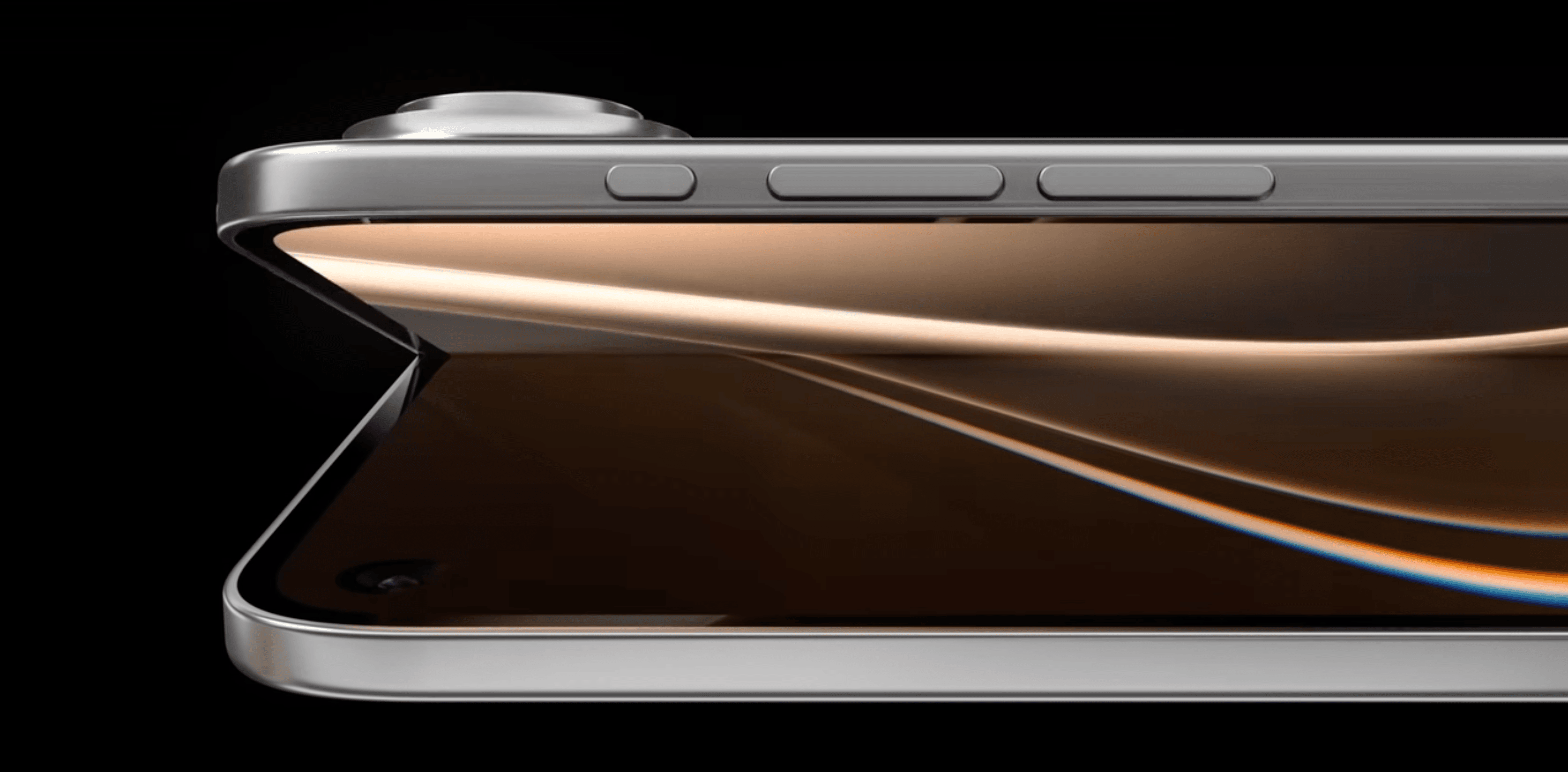
The renders show a 7.8-inch inner display that unfolds for an iPad-like experience, paired with a 5.5-inch outer display featuring a hole-punch camera. When closed, the device measures 9mm thick, and when unfolded, it slims down to just 4.5mm, making it even thinner than the iPhone Air's 5.6mm profile.
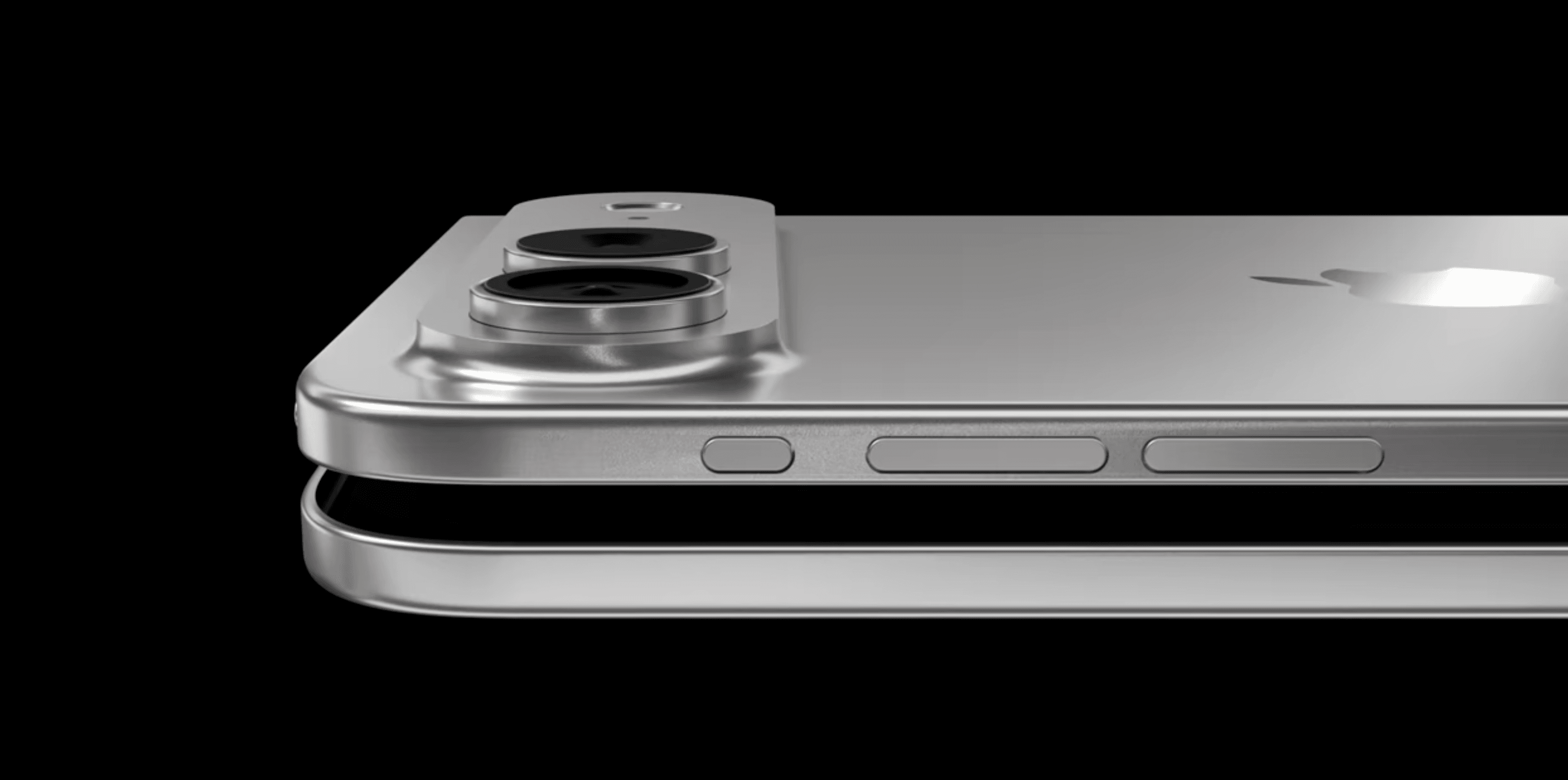
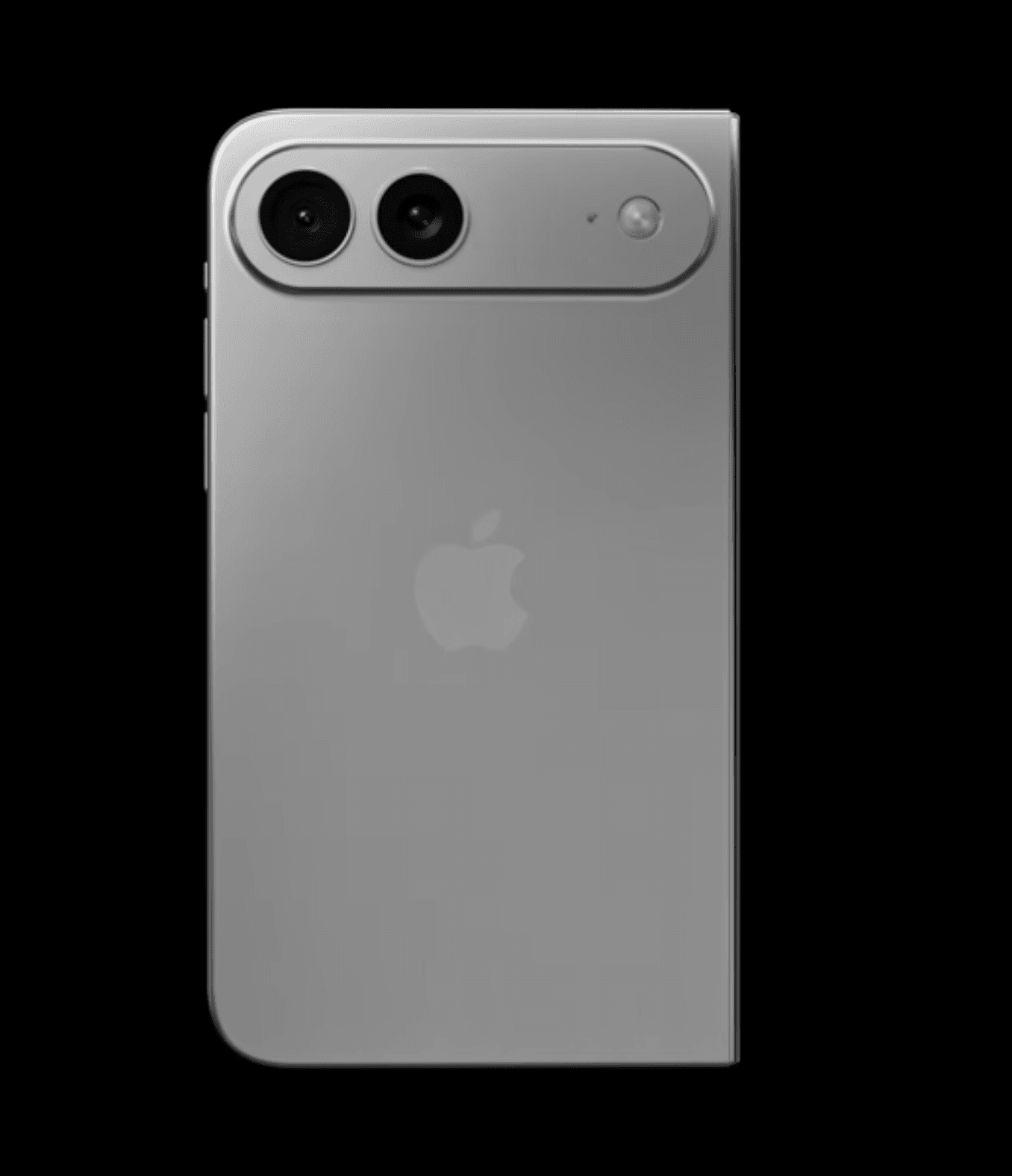
The rear camera setup features two lenses mounted on an oblong camera plateau similar to the iPhone Air design, with an LED flash positioned on the opposite side.
Multiple sources now confirm the device will include four cameras total: one front hole-punch camera on the outer display, one under-display camera on the inner screen (potentially the first 24-megapixel under-display camera), and a dual 48-megapixel rear system.
What sets Apple's approach apart is the reported focus on eliminating the crease. Apple has reportedly developed a metal plate that disperses the pressure of bending the display, combined with liquid metal hinges to create a nearly invisible crease. The company has apparently pursued this solution regardless of cost, which explains the lengthy development timeline.
The foldable iPhone will use Touch ID integrated into the power button rather than Face ID, as there reportedly isn't sufficient space for the Face ID hardware in the thin design. This mirrors how Apple's iPad mini currently handles biometric authentication.
See also - Samsung Galaxy S26 Ultra: Everything We Know So Far
Supply concerns loom large
However, analyst Ming-Chi Kuo issued a warning in December 2025 that could dampen launch expectations. According to Kuo, development of the foldable iPhone is "behind earlier expectations," and due to early-stage yield and ramp-up challenges, smooth shipments may not occur until 2027.
"With limited supply and expected strong demand, the foldable iPhone could be facing shortages until at least the end of 2026," Kuo noted. He compared the situation to the iPhone X launch in 2017, suggesting consumers may not get their hands on the device until late 2026 or even 2027.
Kuo also revealed that while Apple estimates shipping between 8 and 10 million units in the first year, those projections will likely be revised downward. Apple sees the foldable iPhone as a product it needs to launch in 2026, "even if the volume is small," since foldables could represent the next major smartphone evolution before smart glasses can replace them.
Read more - Apple Plans Foldable iPhone and Major Siri Overhaul for 2026
Battery and pricing
On the battery front, Ming-Chi Kuo has confirmed the device will use high-density battery cells. Korean sources indicate Apple is testing capacities in the 5,400 to 5,800 mAh range, which would make it the largest battery ever fitted to an iPhone, surpassing even the iPhone 17 Pro Max's 5,088 mAh cell.
For comparison, the Samsung Galaxy Z Fold 7 packs a 4,400 mAh battery.
All this innovation comes at a price. The foldable iPhone will reportedly cost between $2,000 and $2,500, with most recent estimates from Prosser and other sources placing it around $2,400. Color options will reportedly be limited to black and white only.
iPhone 18 Pro Camera System & Variable Aperture
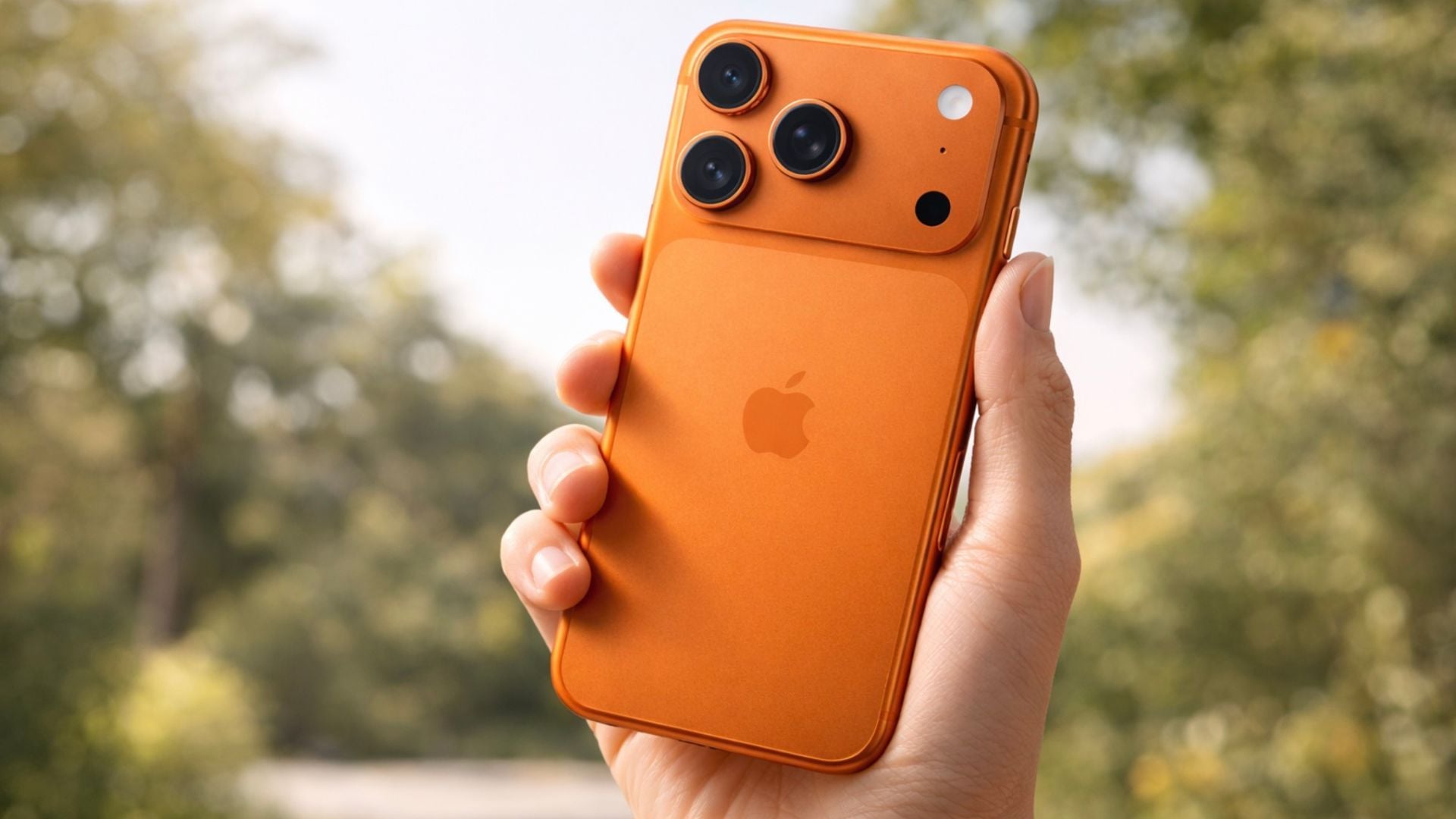
While the foldable iPhone grabs headlines, the standard iPhone 18 Pro models are expected to receive significant camera upgrades of their own. According to multiple reports from Macworld and CNET, the iPhone 18 Pro Max could get a camera with a variable aperture, similar to how lenses on DSLR and mirrorless cameras work.
This mechanical iris system would allow users to manually adjust how much light gets to the sensor, providing greater control over depth of field and image brightness.
We've seen variable aperture phone cameras before - the Galaxy S9 launched in 2018 with a mechanical dual-aperture lens, and Xiaomi had a variable aperture on its 2023 13 Ultra and 2024 14 Ultra - but Apple's implementation could bring this professional feature to mainstream audiences.
The Information also reports that at least one rear camera on the 18 Pro would have a mechanical iris, while MacRumors notes that all iPhone 18 models (except the 18e) would get upgraded 24-megapixel front-facing cameras for improved selfies. The telephoto lenses on the iPhone 18 Pro and Pro Max could also get faster apertures, allowing more light for better low-light shots.
Recent reports from January 2026 indicate Samsung is developing a new three-layer stacked image sensor specifically for the iPhone 18 lineup. This sensor, referred to as PD-TR-Logic, integrates three layers of circuitry which would improve camera responsiveness, reduce noise, and increase dynamic range.
If accurate, this would mark a significant shift in Apple's camera supply chain, as Sony has long been Apple's sole image sensor supplier.
iPhone 18 Pro Design, Colors & Dynamic Island Changes
The iPhone 18 Pro models are expected to retain the basic sizes and designs of this year's models, with 6.3-inch and 6.9-inch displays and the camera "plateau" housing three rear cameras. However, several refinements could make the devices feel fresh.
According to leaks from the Chinese social media site Weibo, the Pro model could get a "subtle transparent finish" on the rear glass panel. Apple has reportedly updated the back glass to minimize the color difference between the Ceramic Shield glass and aluminum frame for a more unified appearance, moving away from the two-tone look of the iPhone 17 Pro.
Color options under consideration include Coffee Brown, Purple, and Burgundy, according to Digital Chat Station. The same rumor claims there may be no black color option, just like the iPhone 17 Pro.
A20 Pro Chip: Apple's First 2nm Processor
Performance upgrades are a given with any new iPhone generation, but the A20 chip could represent a bigger leap than usual. According to a Weibo account called "Mobile Phone Chip Expert," Apple is planning both A20 and A20 Pro chip variants.
The standard iPhone 18 will be equipped with the A20 chip, while the iPhone 18 Pro models and Apple's foldable iPhone will receive an A20 Pro chip.
Both chips will be built on TSMC's first-generation 2nm (N2) process and will mark Apple's first use of Gate-All-Around (GAA) nanosheet transistors, replacing the FinFET architecture used in previous generations.
Industry analysts Ming-Chi Kuo and Jeff Pu have confirmed Apple has secured a significant portion of TSMC's initial 2nm production capacity, with the A20 series expected to be the first Apple silicon built on this node.
Based on previous generational jumps, the 2nm process could deliver approximately 15% faster performance and 25 to 30% better power efficiency compared to the A19 chips in iPhone 17 models.
The A20 chip will also use TSMC's Wafer-Level Multi-Chip Module (WMCM) packaging technology. With WMCM, the A20 chips will have RAM integrated directly onto the same wafer as the CPU, GPU, and Neural Engine, rather than the RAM being adjacent to the chip and connected via silicon interposer.
This update could bring faster performance for Apple Intelligence tasks and longer battery life, while also reducing the size of the A20 chip to allow more space inside the iPhone for other components.
However, this advanced technology comes at a cost. Apple supplier TSMC has apparently told Apple that 2nm chip pricing will be at least 50% higher than 3-nanometer processors because of manufacturing and equipment costs. Silicon wafers for 2nm production have risen to $30,000 each, with prices forecast to rise another 50% for future production runs.
Camera Control Button Redesign
The Camera Control button that debuted with the iPhone 16 is not going away, but it is getting a big redesign for iPhone 18. According to Weibo leaker Instant Digital, Apple is removing the capacitive sensor layer from the button while retaining pressure sensitivity.
The current Camera Control combines capacitive and pressure sensors beneath a sapphire crystal surface, allowing for taps, presses, and swipe gestures. Many users have complained about accidentally triggering swipe gestures, and Apple appears to be listening.
The simplified setup would rely solely on pressure sensors to detect different touch interactions, similar to designs used by OPPO and vivo in their flagship phones. This change is reportedly driven by two factors: the current dual-sensor design is expensive to produce, and it has generated costly after-sales repairs.
With this change, iPhone 18 users would not be able to swipe on the Camera Control, addressing what many users have found to be an annoyance. The redesigned button would only have pressure sensitivity while still supporting the core function as a dedicated shutter button and launcher for Visual Intelligence.
C2 Modem & Satellite Connectivity
After years of development, Apple has officially started replacing Qualcomm's cellular modems with its own in-house solutions. The C1 modem debuted in iPhone 16e, then C1X arrived in iPhone Air, and now a C2 modem is expected for the iPhone 18 Pro and Pro Max.
Apple's 5G cellular modems have proven to perform well, all while offering efficiency and battery improvements over Qualcomm's options. The C2 modem should build on this strong foundation, potentially featuring mmWave 5G connectivity and bringing Apple closer to parity with Qualcomm's offerings.
Perhaps more interesting is the potential for expanded satellite connectivity. The Information reports that Apple is preparing to support 5G networks served from satellites, namely Starlink satellites.
While the iPhone has offered satellite connectivity for emergency situations for years, this would allow iPhone 18 models to have full internet access via satellite, not just emergency services.
This feature could require a subscription but would enable connectivity no matter where you are, especially in rural areas with connectivity issues.
iPhone 18e & iPhone Air 2
Beyond the flagship models, Apple's 2026 iPhone strategy includes several other devices. The iPhone 18e, expected in spring 2027 alongside the standard iPhone 18, will continue Apple's budget phone line that transitioned from the iPhone SE to the numbered "e" series.
We expect the new phone to cost the same $599 as this year's model, though it will still lack features like ProMotion and a second ultra-wide camera found in the standard iPhone 17.
The iPhone Air 2 faces its own timeline confusion. Fixed Focus Digital claims the second-generation ultra-thin model will launch in fall 2026, while earlier reports suggested a spring 2027 debut following disappointing first-generation sales. Apple is reportedly exploring adding a second camera to the device to make it more appealing to consumers and justify its high price point.
Should You Wait for iPhone 18 Pro?
Apple's 2026 iPhone strategy represents a fundamental shift in how the company approaches its most important product line. The potential split launch schedule acknowledges that not all customers want or can afford premium devices, while the foldable iPhone entry shows Apple finally believes the technology is mature enough for its standards.
The camera upgrades, particularly the variable aperture system, suggest Apple is continuing to push mobile photography toward professional capabilities. Meanwhile, the A20 chip's move to 2nm manufacturing demonstrates Apple's commitment to maintaining performance leadership, even as chip costs rise dramatically.
As we stand here in late December 2025, much remains uncertain. While supply chain signals suggest Apple is on track for a September 2026 announcement, Ming-Chi Kuo's warnings about production challenges mean the foldable iPhone may face shortages that extend into 2027. Early adopters may find availability limited, similar to the iPhone X launch in 2017.
One thing seems clear: 2026 could be one of the most transformative years in iPhone history, with Apple balancing hardware innovation across multiple form factors while navigating the complexities of a changing release schedule.
Whether you're excited about a crease-free foldable or just want a better camera on your next iPhone, there's likely something in the 2026 lineup that will catch your attention. Just be prepared for potential wait times if the foldable is what you're after.