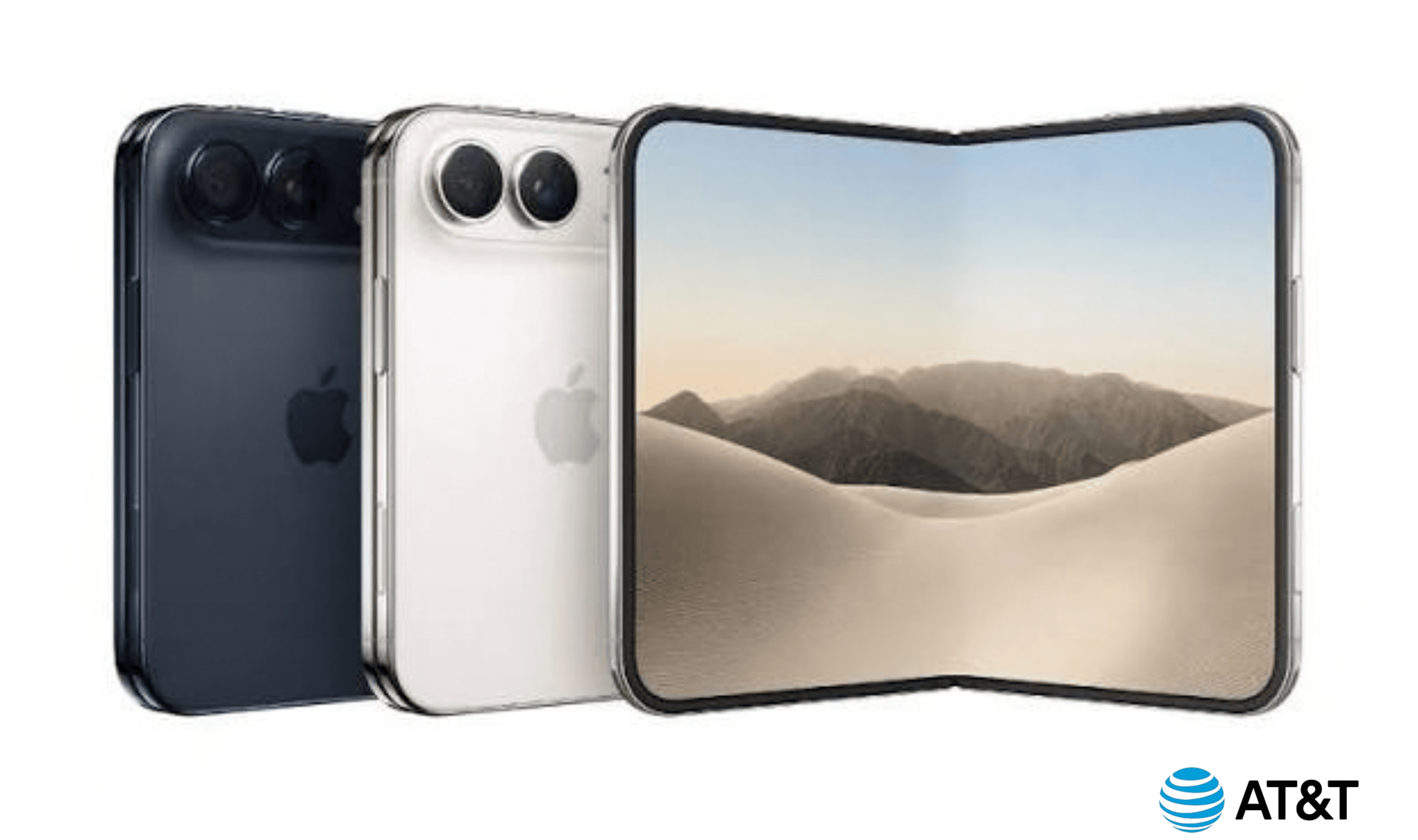

Apple's foldable iPhone will launch without Face ID, according to new leaks that confirm biometric authentication will shift to a side-mounted Touch ID button. The device, reportedly expected to launch in Fall 2026, though some analysts suggest a 2027 timeline, reportedly cannot accommodate Face ID sensors within its chassis constraints.
The foldable will feature Touch ID integrated into the power button, a design choice that eliminates both Face ID and under-display fingerprint sensors. This marks Apple's first flagship iPhone without facial recognition since the iPhone 8 series launched in 2017.
Leaker Jon Prosser claims Apple aims to solve foldable displays' most persistent problem: the visible crease. His Christmas Eve video shows renders of a 7.8-inch internal display with no visible crease, using a metal plate and liquid metal hinge to distribute bending pressure evenly.
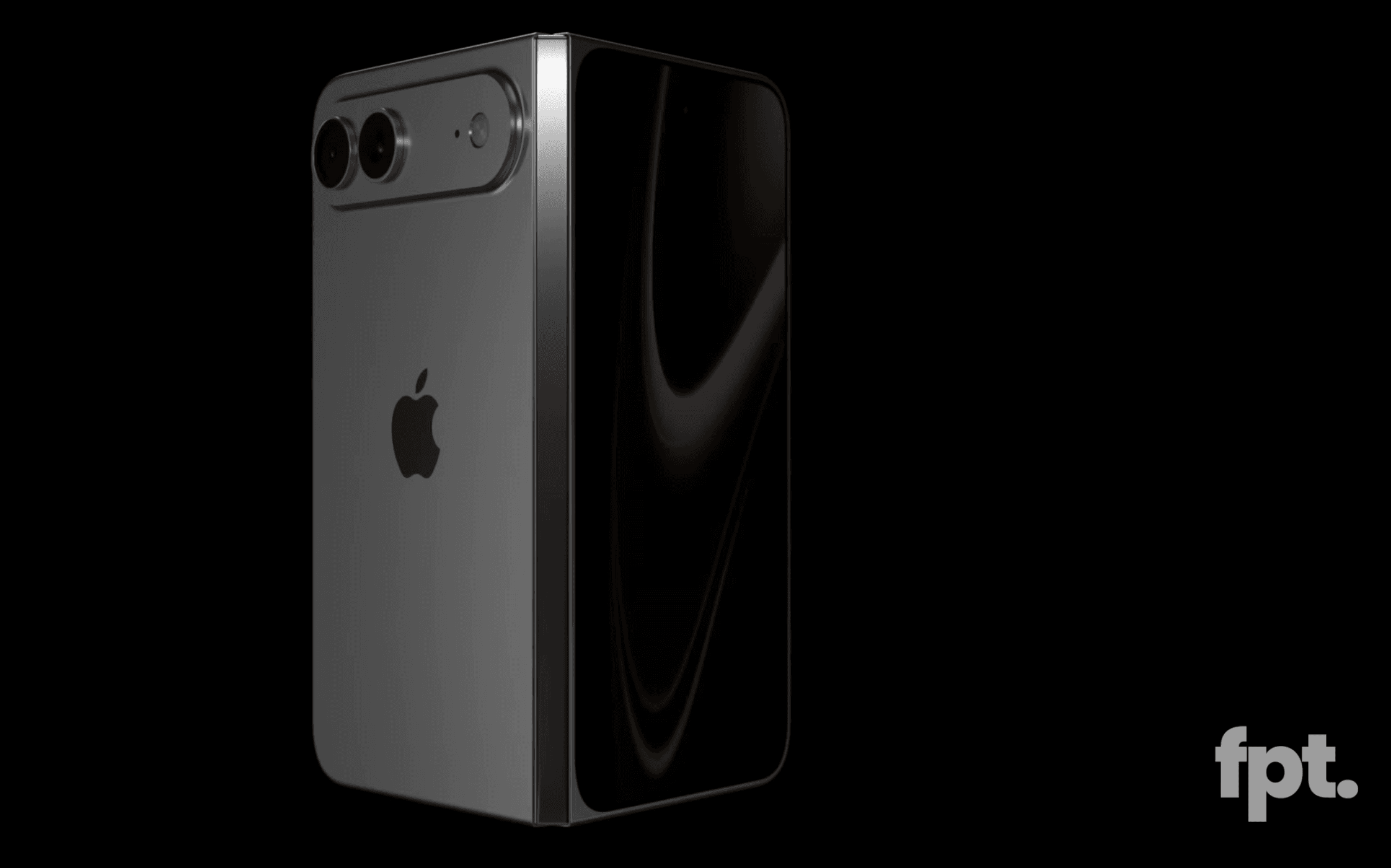
The device measures 9mm thick when closed and 4.5mm when unfolded, making each half thinner than the iPhone Air's 5.6mm frame. When open, the 4:3 aspect ratio creates a wider screen optimized for iPad app compatibility and video viewing without black bars.
Samsung is reportedly developing a "Wide Fold" model to compete with Apple's anticipated September 2026 launch. The Korean manufacturer currently dominates the foldable market with its Galaxy Z Fold series, which starts at $1,899 compared to Apple's projected $2,000-$2,500 range.
Apple's foldable will reportedly feature only two rear cameras, omitting the telephoto lens found on current iPhone Pro models. Colors will be limited to black and white, maintaining the company's minimalist design philosophy.
The 5.5-inch external display resembles a standard iPhone, while the internal screen adopts an iPad-like aspect ratio. Apple will use its second-generation C2 in-house modem and high-density battery cells enabled by slimmer display drivers.
Industry analysts question whether Apple can deliver a truly creaseless display, a challenge that has eluded Samsung, Google, and other foldable manufacturers for years. Prosser's confidence contrasts with previous reports suggesting Apple would only minimize, not eliminate, the crease.
The foldable iPhone represents Apple's most significant form factor innovation since the iPhone X introduced edge-to-edge displays in 2017. Its success will test consumer willingness to pay premium prices for folding technology in a market where even the iPhone Air has reportedly faced sales challenges.
Apple sued Prosser in July for leaking iOS 26 and Liquid Glass details, making his continued leaks a pointed response. The company has never launched a foldable device, creating no baseline for pricing or feature expectations beyond its established premium positioning.
(Image credit - YouTube/ Front Page Tech)