

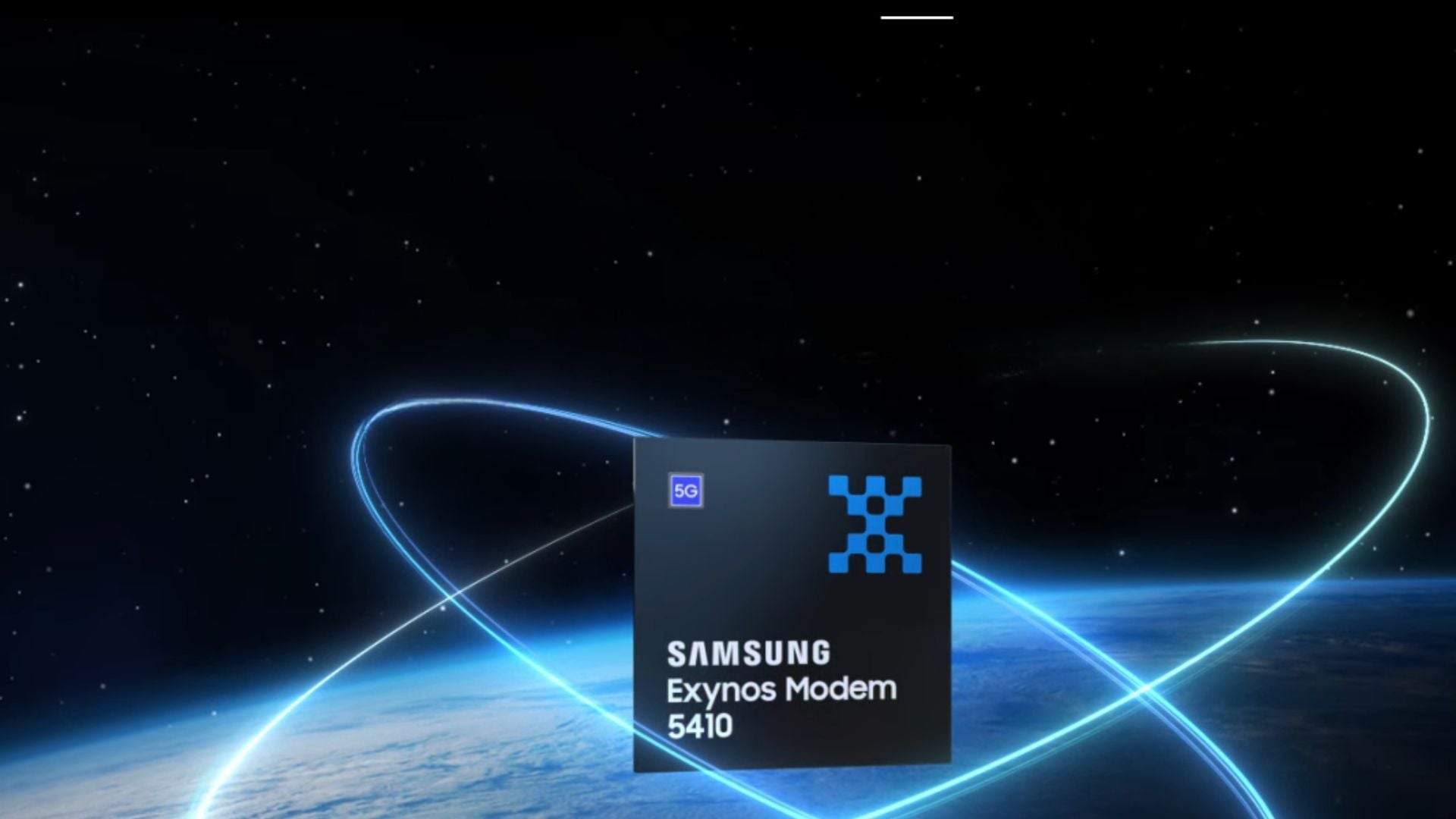
Samsung has unveiled its Exynos Modem 5410, a 4nm 5G chip that integrates three satellite communication standards for voice calls, text messaging, and location sharing. According to Samsung's official specifications, the modem targets peak download speeds of 14.79Gbps and is expected to pair with Samsung's Exynos 2600 processor in select Galaxy S26 models.
The Exynos Modem 5410 combines LTE DTC for satellite voice calls, NB-IoT NTN for basic text and location data, and NR-NTN for higher-bandwidth applications like video calls. This triple-standard approach marks Samsung's most comprehensive satellite connectivity solution to date, moving beyond the emergency text-only features available in current Galaxy S25 devices.
Built on a 4nm EUV process, the modem offers improved power efficiency over previous generations while supporting 5G NR dual connectivity across both sub-6GHz and mmWave bands. Samsung says the NB-IoT NTN portion of the modem is certified by Skylo, which would enable reliable communication in remote areas like deserts or oceans.
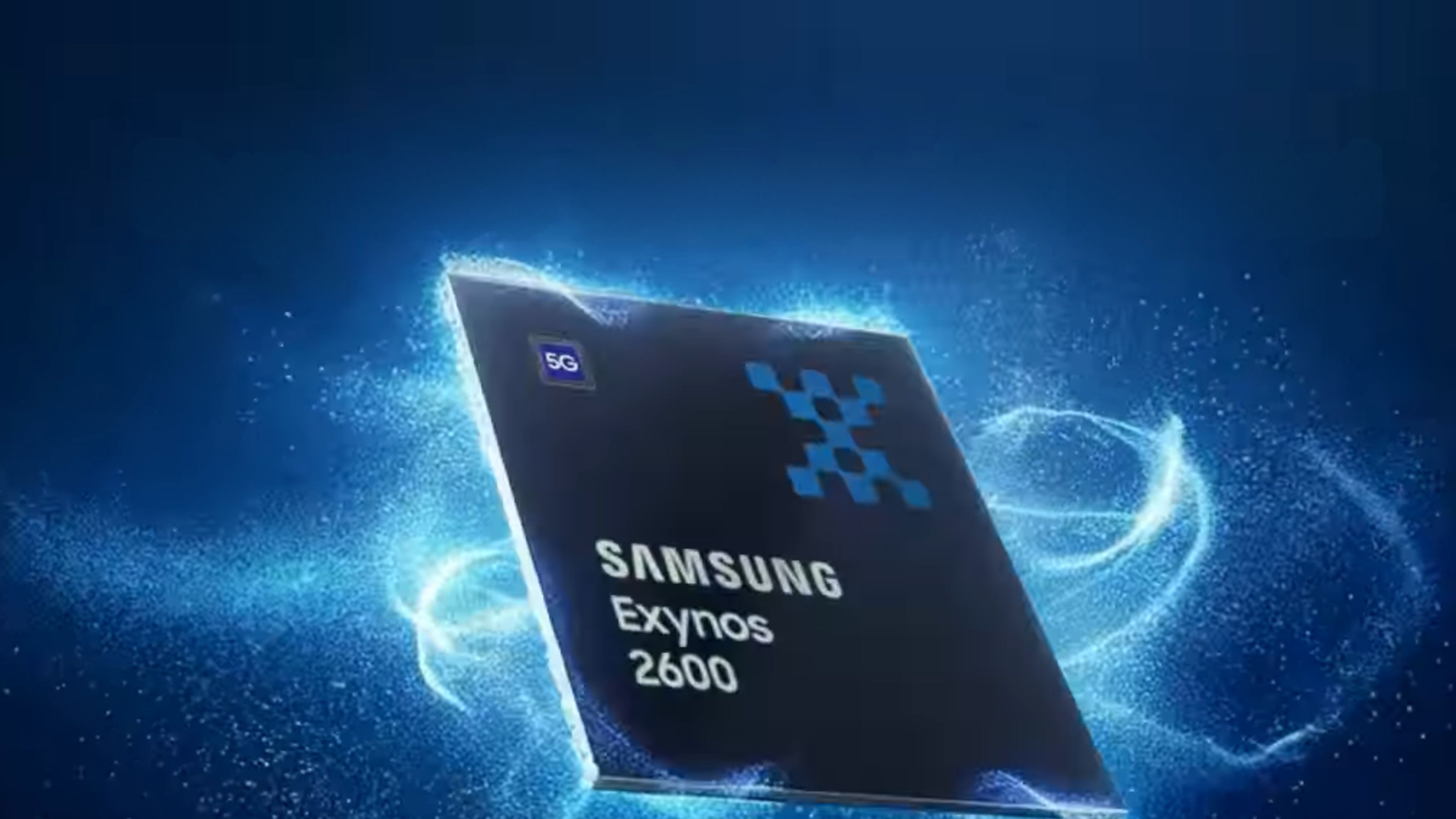
The modem will partner with Samsung's Exynos 2600, the company's first 2nm smartphone processor. This represents a strategic shift for Samsung, as the Exynos 2600 becomes its first flagship chip without an integrated modem. The external modem design follows Apple and Google's approach but introduces new power consumption considerations.
According to early reports from Phandroid, the external modem configuration could drain 5-10% more power during heavy data use or voice calls compared to integrated designs like Qualcomm's Snapdragon X80 modem. Samsung's regional chip strategy continues with this arrangement, positioning the Exynos 2600 and Modem 5410 combination for Korean and European markets while US, Chinese, and Japanese models receive Snapdragon variants.
On the security front, the Exynos Modem 5410 includes ROM-based Hybrid PQC (Post-Quantum Cryptography) and a dedicated Security Processor. These features encrypt sensitive data like IMEI information and authentication keys, providing protection against future quantum computing threats.
The modem's satellite capabilities represent a significant upgrade from current implementations. While Apple's iPhone and Google's Pixel offer emergency SOS via satellite for text messaging, Samsung's solution extends to voice calling without traditional cellular networks. The LTE DTC standard enables prolonged satellite communication that could support everyday use in areas without coverage.
Samsung's modem enters production as component costs rise across the smartphone industry. The Galaxy S26 series faces pricing pressures from expensive camera modules, OLED displays, and memory chips. Samsung's increased reliance on its own Exynos chips, rather than Qualcomm's Snapdragon processors, could help manage these costs while providing more supply chain control.
The Exynos 2600 itself represents Samsung's boldest chip claims in years. As the world's first 2nm smartphone processor, it beats Qualcomm's Snapdragon 8 Elite Gen 5 (3nm) and Apple's current offerings in process node advancement. The 10-core chip uses Arm's v9.3 architecture and features Samsung's proprietary Xclipse 960 GPU with claimed performance doubling over previous generations.
Samsung has introduced a new Heat Path Block (HPB) in the Exynos 2600 to address historical overheating concerns. The company claims the HPB draws heat directly away from the chipset and disperses it more efficiently under heavy workloads. This thermal management innovation comes alongside a massive 113% claimed boost in AI performance over previous Exynos chips.
The Galaxy S26 series is scheduled for a February 2026 global launch, with mass production reportedly already underway. Samsung faces difficult pricing decisions as rising component costs pressure profitability. The company must balance consumer price sensitivity against the advanced technology investments represented by the Exynos 2600 and Modem 5410 combination.
Industry analysts will watch closely to see if Samsung's satellite connectivity implementation justifies potential efficiency trade-offs. The external modem design frees die space for AI acceleration and graphics performance in the Exynos 2600, but real-world battery tests will determine whether satellite capabilities enhance or compromise everyday user experience.
Samsung's timing aligns with broader telecommunications trends toward hybrid networks combining terrestrial and satellite elements. As global satellite constellations like SpaceX's Starlink expand, the infrastructure for reliable satellite communication improves. Samsung's comprehensive approach positions the company to compete directly with Apple and Google in satellite-enabled mobile devices.
The Exynos Modem 5410 has already entered mass production according to Samsung. While the company hasn't officially confirmed Galaxy S26 integration, multiple reports suggest the modem will debut in Samsung's 2026 flagship lineup. The combination of advanced satellite connectivity with Samsung's first 2nm processor could redefine smartphone utility in remote and emergency scenarios.