
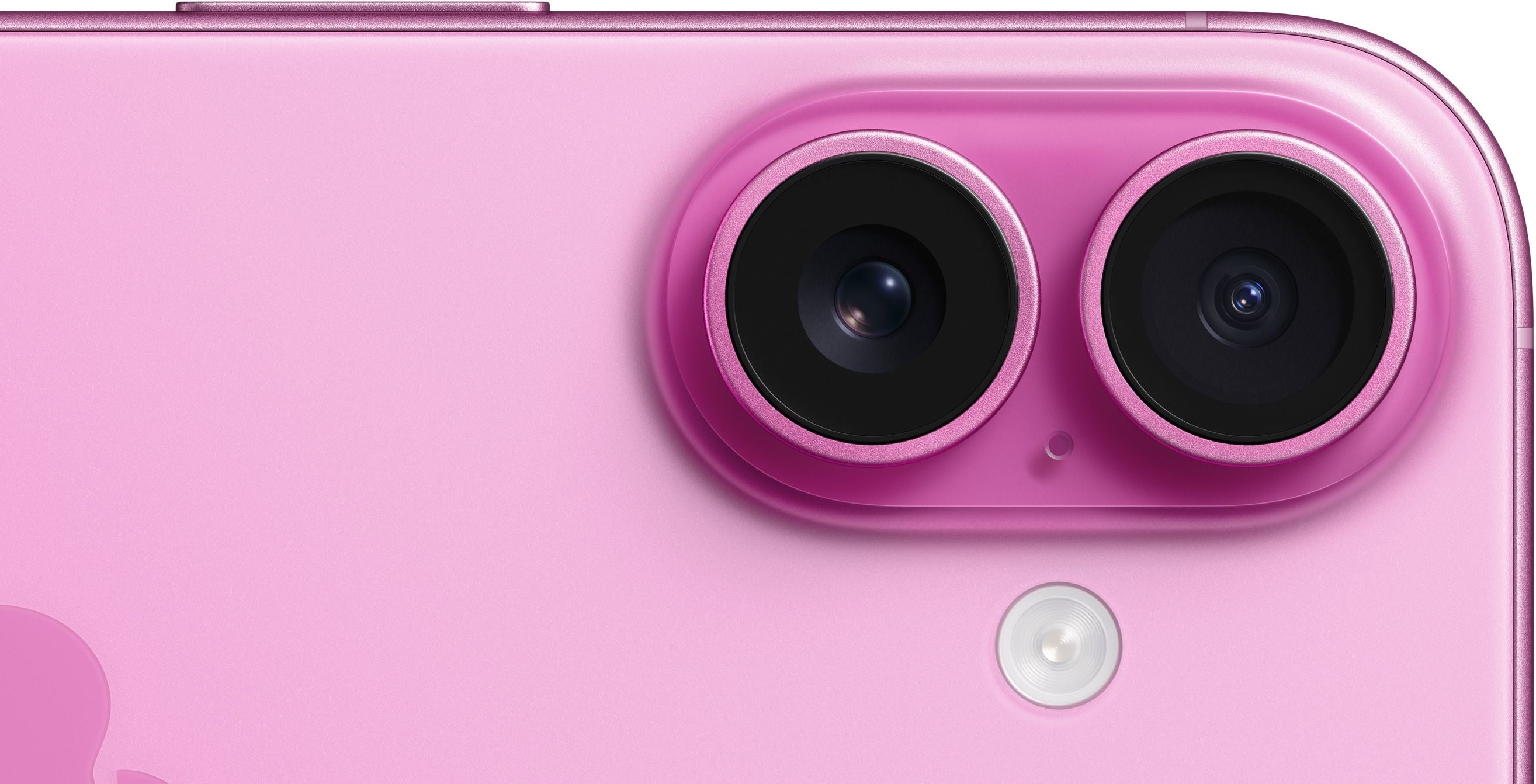
Samsung will manufacture advanced camera sensors for Apple's iPhone 18 at its Austin, Texas facility, according to multiple reports. The move marks Apple's first departure from Sony as its exclusive image sensor supplier.
Production equipment installation begins immediately, with Samsung posting job listings for mechanical and electrical technicians to support the setup. The South Korean company notified Austin city officials earlier this month of its intention to invest $19 billion in the facility.
The sensors will use a three-layer stacked design that enables higher pixel density and improved low-light performance. This architecture delivers faster readout speeds, reduced power consumption, and enhanced dynamic range compared to current technology.
Limited production could begin as early as March 2026, according to The Elec. The timeline provides Apple with extensive testing and optimization periods before the iPhone 18's expected launch in the first half of 2027.
Apple reportedly finalized the supply agreement with Samsung in August. The partnership represents a significant supply chain diversification strategy for Apple, which has relied exclusively on Sony for iPhone camera sensors manufactured in Japan.
Samsung's Texas facility expansion includes hiring engineers and technicians for cleaning equipment, a process that accounts for approximately 40% of sensor production. The company will produce CMOS image sensors using what Apple describes as innovative new chipmaking technology.
The domestic manufacturing shift comes as Apple faces trade policy pressures. The company reported a $1.1 billion hit from residual import tariffs in Q3 2025. US officials announced plans to increase tariffs on Chinese semiconductor imports starting June 2027.
Apple committed $100 billion to US manufacturing facilities in August, aligning with broader supply chain re-shoring efforts. Samsung has secured major chip supply deals with both Apple and Tesla for its Texas facilities, though Tesla's chips will be fabricated at Samsung's Taylor fab while Apple's camera sensors will be produced in Austin.
Sony dominates the global CMOS image sensor market with more than 50% share, while Samsung ranks second with about 15.4%, according to industry data. The Apple partnership could significantly boost Samsung's market position while demonstrating advanced sensor manufacturing viability in the United States.
The three-stack sensor technology has never been deployed at commercial scale before. Samsung will pioneer the production methodology, potentially setting new standards for smartphone camera sensors across the industry.
For iPhone photography, the new sensors promise improved power efficiency and performance across globally sold devices. The technology supports rapid shooting speeds and high-frame-rate 8K video recording capabilities.
The collaboration represents a reconciliation between Apple and Samsung, whose relationship grew contentious in the 2010s when Apple shifted chipmaking from Samsung to TSMC. Supply chain resilience concerns now override past competitive tensions.
Domestic semiconductor production offers shorter supply chains, closer proximity to innovation centers, and greater resilience against policy changes. Apple's Texas-manufactured sensors will improve both power efficiency and performance across iPhones sold globally.
Samsung's successful execution of this partnership could influence other major tech companies to follow suit. The collaboration establishes new precedents for balancing supply chain resilience with technological innovation in an evolving trade policy landscape.