
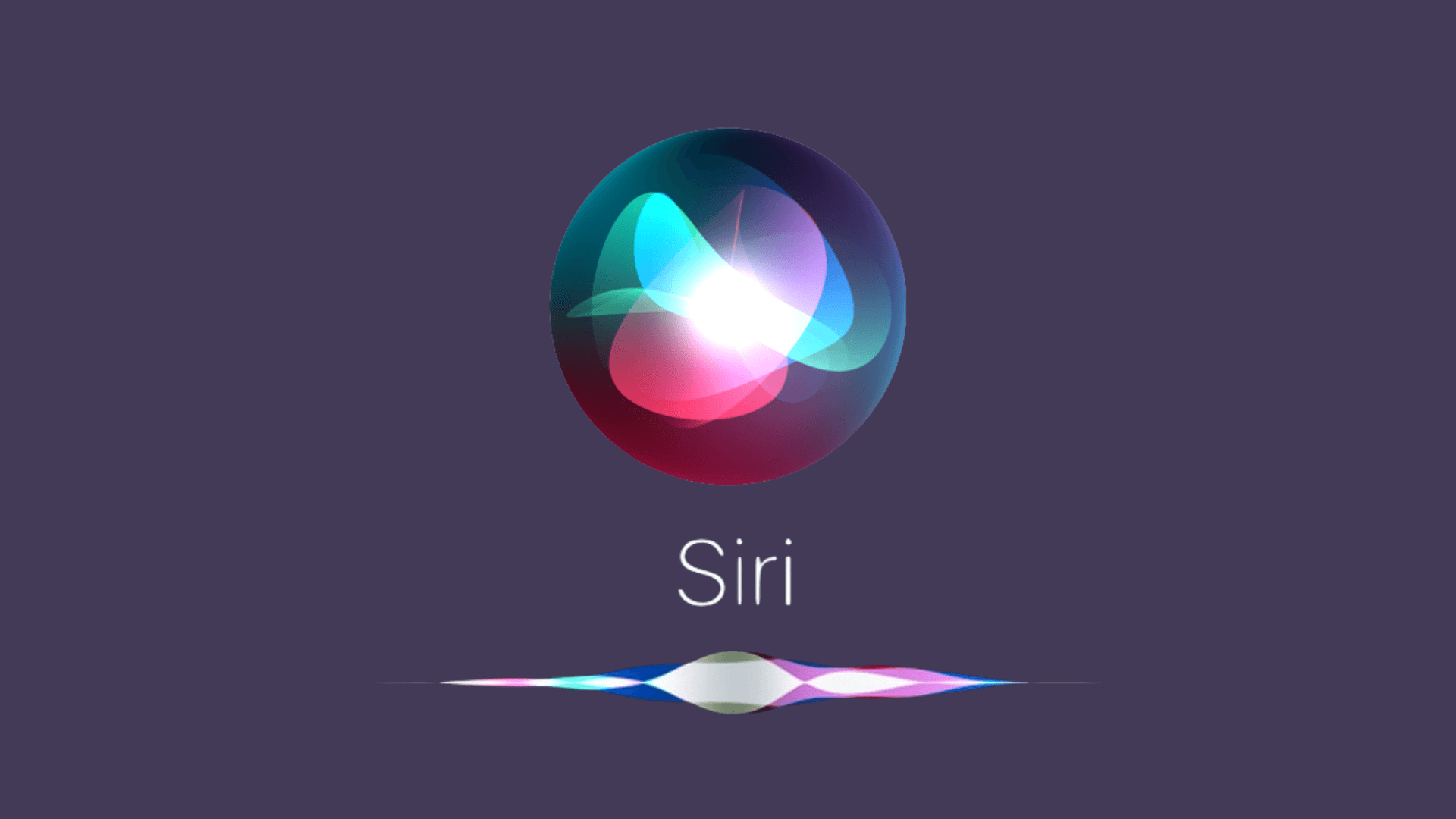
Apple will launch its largest Siri overhaul in March 2026, according to multiple reports. The update arrives with iOS 26.4 and leverages large language models to transform the voice assistant into a conversational AI.
The revamped Siri reportedly debuts in spring 2026, specifically with iOS 26.4 expected in March. Apple CEO Tim Cook confirmed in October 2025 that a more personalized Siri remained on track for 2026, following multiple delays since initial 2024 announcements.
Apple's approach involves licensing Google's Gemini AI technology rather than building proprietary models, according to Bloomberg and Reuters reporting. This partnership strategy reflects Apple's view that large language models may become commoditized and not worth massive internal development costs.
The new Siri features include on-screen awareness that lets the assistant reference displayed content for relevant assistance. Users can ask Siri to add addresses from web pages to contacts or summarize articles directly from the browser interface.
App Intents functionality allows Siri to work with both Apple's native apps and third-party applications. Developers must integrate App Intents into their software for features like editing photos in the Photos app or checking flight information from airline applications.
Personal context knowledge enables Siri to perform tasks based on device data and user preferences. The assistant can locate specific text messages or find electronic passport numbers using information stored locally on iPhones and iPads.
World Knowledge Answers transforms Siri into a search engine that provides direct responses rather than website links. The feature scours the web to answer questions about historical events, sports results, or general knowledge topics.
Apple emphasizes on-device processing for privacy, with only advanced tasks requiring cloud-based computation via OpenAI or Google technology. This approach contrasts with competitors' cloud-dependent systems and aligns with Apple's privacy-focused brand positioning.
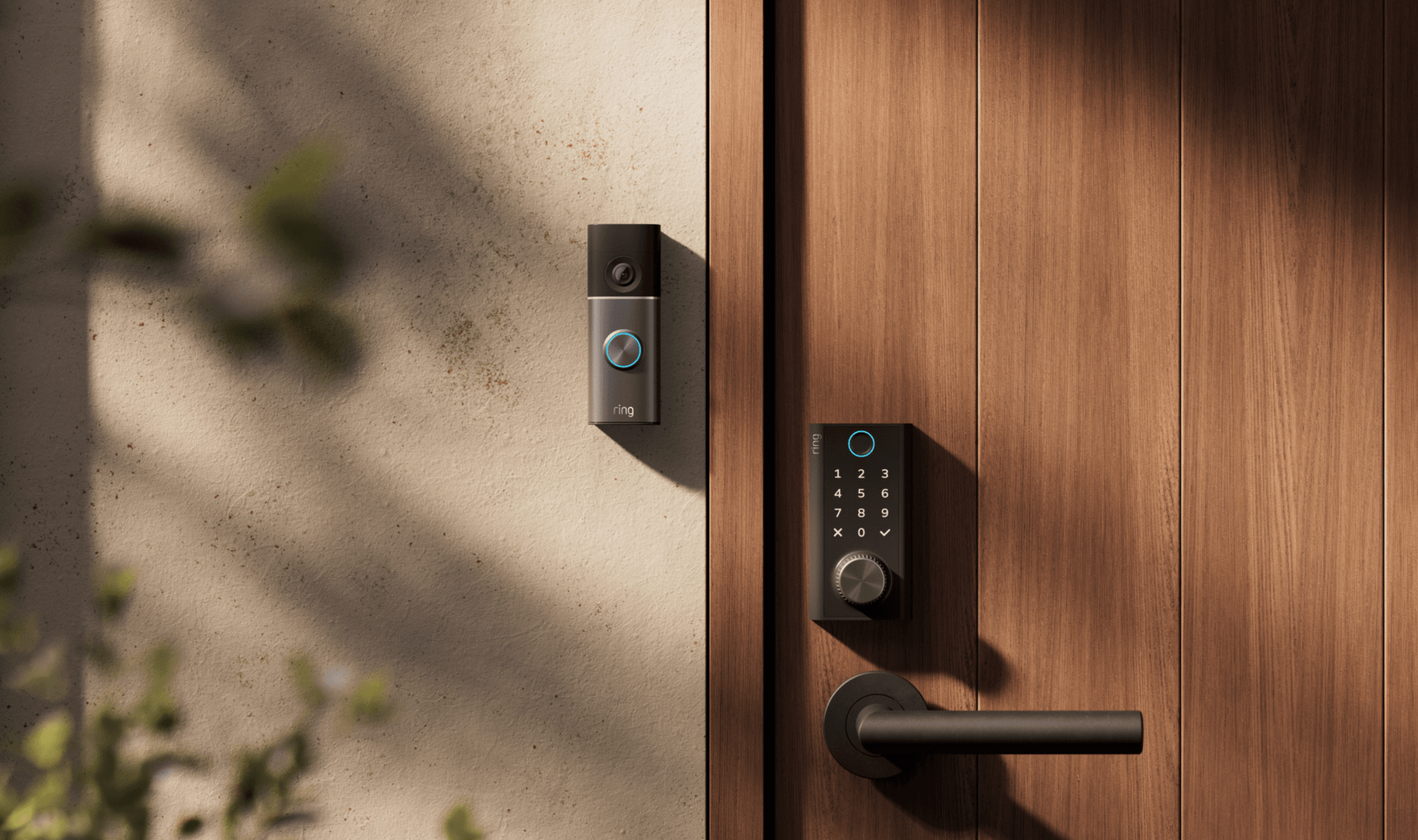
The Siri overhaul coincides with hardware refreshes including the HomePod mini 2 and updated Apple TV. These devices showcase enhanced conversational abilities in smart home environments and serve as platforms for Apple's expanded home automation strategy.
Apple's installed base of 2.4 billion iOS devices provides immediate distribution for the AI update through software updates. This ecosystem advantage allows rapid deployment across existing iPhones, iPads, and Macs without requiring new hardware purchases.
The company reportedly maintains over $130 billion in cash reserves despite conservative AI spending compared to Google, Meta, and Microsoft. This financial flexibility positions Apple for strategic acquisitions or partnerships as AI startup valuations potentially decline.
Analysts at Evercore ISI have raised Apple's price target to $325 from $300, while Wedbush analyst Daniel Ives raised his target to $350 from $320, citing AI monetization potential that could add between $75 and $100 per share over coming years. The Siri overhaul represents what analysts call a "sizable catalyst" for Apple's growth narrative amid plateauing iPhone sales in mature markets.
Apple has restructured its AI leadership with Siri now under Mike Rockwell, who previously launched the Vision Pro headset. The company's AI chief John Giannandrea retired in December 2025, with his organization redistributed into product-focused teams rather than centralized AI development.
The update addresses long-standing criticisms of Siri's limitations in handling complex queries and maintaining conversations. Previous Apple Intelligence features released in 2024 with iOS 18 fell short of expectations, creating pressure for the 2026 overhaul to deliver meaningful improvements.
Market reception remains uncertain given user frustration over repeated delays documented in online forums. Technical challenges include integrating LLMs without compromising battery life or performance on older devices across Apple's extensive product lineup.
If successful, the Siri transformation could boost iPhone upgrade cycles as users seek devices capable of sophisticated AI tasks. The assistant's integration with Apple Watch, HomeKit devices, and upcoming smart home hubs creates interconnected experiences difficult for competitors to replicate.
Apple's methodical approach contrasts with aggressive AI infrastructure spending by rivals, potentially positioning the company advantageously if AI market valuations correct. The March 2026 launch represents Apple's most significant AI initiative since Siri's original 2011 debut on the iPhone 4S.