
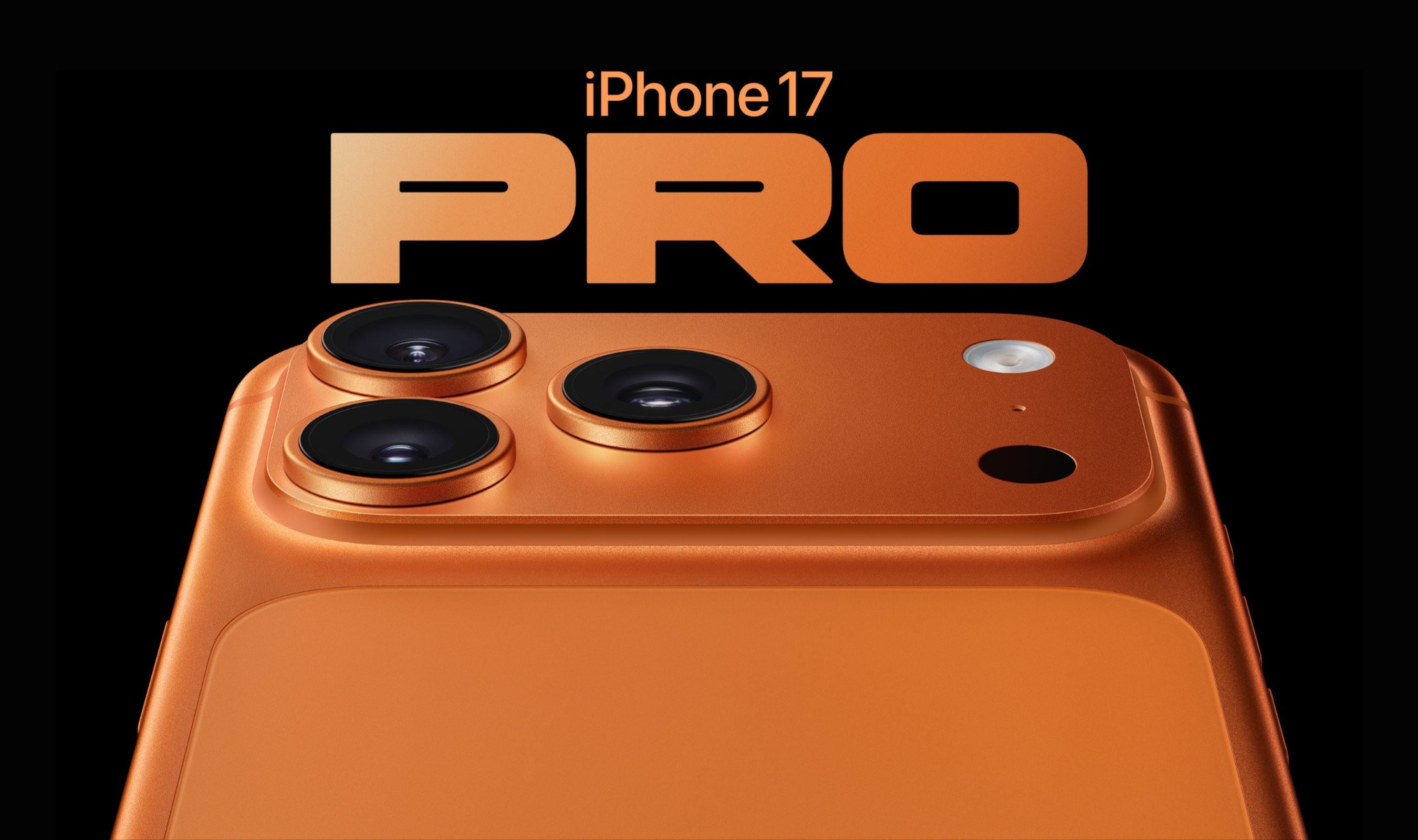
An iPhone 17 Pro Max in Cosmic Orange now sits 900 pounds of stainless steel deep in Philadelphia soil, sealed until 2276.
It will outlast every person alive today by centuries. The phone was buried July 4 as part of America's 250th anniversary celebrations, one of hundreds of artifacts from all 50 states, Washington DC, and five US territories. The stainless steel capsule won't be opened until the country's 500th anniversary.
Apple's flagship landed a spot alongside some of the most significant documents in American history. The Library of Congress contributed a molecular data storage device the size of a pencil eraser, containing synthetic DNA encoded with Thomas Jefferson's rough draft of the Declaration of Independence and Francis Scott Key's handwritten lyrics for "The Star-Spangled Banner." An 1898 audio recording of the anthem by John Philip Sousa's band is also inside.
The iPhone 17 Pro Max represents technological innovation, according to America250, the organization behind the project. The goal is to give people in 2276 a snapshot of daily life in 2026, including the smartphones that had become central to modern existence.
Whether the phone will still function is an open question. The battery will almost certainly degrade beyond use within decades.
But the phone's stainless steel chassis could survive. NIST mechanical engineer Jay Nanninga, who designed the capsule, said he was confident about the enclosure's longevity.
"I do think in 250 years all the stainless will be in really good shape," Nanninga said.
If the phone somehow powers on, future generations will find "digital artifacts" stored in its Notes app. The capsule's design uses an airtight metallic bell reinforced with indium metal to keep moisture out for centuries. The iPhone, launched in 2007, is just under 20 years old.
It's hard to imagine what technology will look like in another 250 years. For all we know. We could be past physical devices entirely.
Other capsule contents include a feather from "Old Abe," a bald eagle mascot who fought in 30 Civil War battles, a scrap of fabric from the Wright brothers' 1903 aircraft, and California's printed response from AI chatbot Claude predicting what the state might look like in 2276. A leather football was reportedly rejected over fears it would rot.
Rosie Rios, chairwoman of America250, said the capsule was designed as a time-stamped record of the nation. "When the new capsule buried in Philadelphia is finally opened in 2276. We want future generations to have a clear, authentic window into who we were at 250," Rios said.