
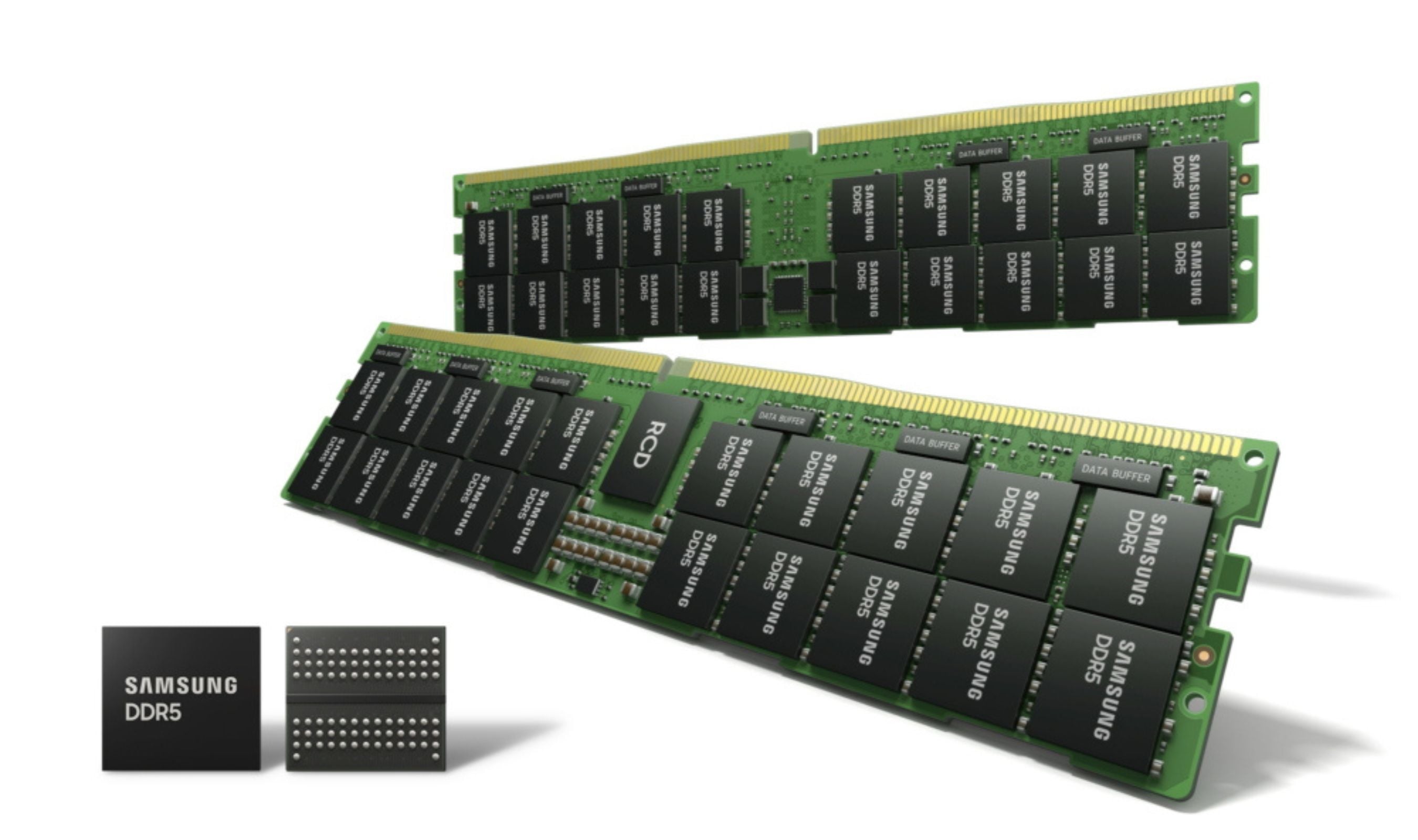
Samsung's third straight DRAM price hike in as many quarters is set to hit the third quarter of 2026, and this time the increases are landing on a base that has already more than doubled.
Industry sources say Samsung is negotiating with commodity DRAM customers to raise average selling prices by up to 20% from the previous quarter, according to TechJuice. LPDDR memory used in smartphones could jump even more, with increases exceeding 20% due to particularly severe supply constraints, ProPakistani reports. The context makes the numbers sting.
Samsung's average DRAM selling prices surged more than 90% in the first quarter compared with the fourth quarter of 2025, then climbed another 50% to 60% in Q2. A 12GB LPDDR5X module that cost around $120 at the end of Q1 now carries a contract price of roughly $145, a $68.80 increase since the start of 2026 and nearly triple its price in early 2025.
Lenovo recently warned that memory chip prices may never return to previous lows, and NotebookCheck notes the company appears to be drawing on its own supply chain intelligence. Apple is already raising prices on MacBooks and iPhones, telling customers it can no longer absorb the chip cost increases.
The shortage spans standard server DRAM, high-bandwidth memory, and LPDDR chips. Memory manufacturers are shifting production capacity toward more profitable segments, leaving consumer electronics to bear the cost.
Market research firm TrendForce projects DRAM supply will remain restricted through the current quarter, with contract price growth of 13% to 18%. NAND contract prices are expected to rise 10% to 15%.
Smartphone makers are feeling the pressure. Analysts project phone shipments could fall 11% in 2026 as rising component costs push retail prices higher and dampen demand, per NotebookCheck.
Manufacturers face hard choices: increase retail prices, reduce memory configurations, or delay product launches.
Samsung and SK Hynix plan to invest a combined 800 trillion won, roughly $518 billion, in four new semiconductor plants in southwestern South Korea. But the investment will be spread over several years, meaning no relief for the current supply crunch.
The growing adoption of long-term contracts between memory makers and customers could eventually dampen quarterly price swings. Those same agreements, however, lock in minimum prices, making a return to the low-cost memory era increasingly unlikely.