
Seeing "Call Failed" pop up on your iPhone 15 is a real headache, especially when you're trying to reach someone. This usually means your phone is having trouble connecting to the cellular network properly. It's often a quick software hiccup or a setting that needs a tweak.
Let's start with the fastest fix, which often clears things up in seconds.
Toggle Airplane Mode On and Off
This is the quickest way to refresh your cellular connection. Swipe down from the top-right corner of your screen to open Control Center and tap the airplane icon. Wait about 15 seconds, then tap it again to turn Airplane Mode off. This forces your iPhone 15 to reconnect to the nearest cell tower, which can clear up temporary glitches.
Check Your Cellular Signal
Weak signal is the most common culprit for failed calls. Take a look at the signal bars in the top-right corner of your screen. If you only have one or two bars, try moving to a different spot. Sometimes just stepping near a window or going outside can make a big difference.
If you're in a building with thick walls, the signal might struggle to get through. I've found that walking to another room can sometimes be enough to get a stable connection for your call.
Perform a Force Restart
A simple restart can fix a surprising number of software-related issues. For the iPhone 15, press and quickly release the Volume Up button, then press and quickly release the Volume Down button. Finally, press and hold the Side button until you see the Apple logo appear, then let go.
This is a bit different from older iPhone models, so it's worth remembering the new sequence. It doesn't delete any of your data, it just gives the system a clean start.
Review Your Focus Modes
Your iPhone 15's Focus modes, like Do Not Disturb or Sleep, can sometimes be too aggressive. They might be set to silence calls from everyone except your favorites. Swipe down from the top-right to check Control Center.
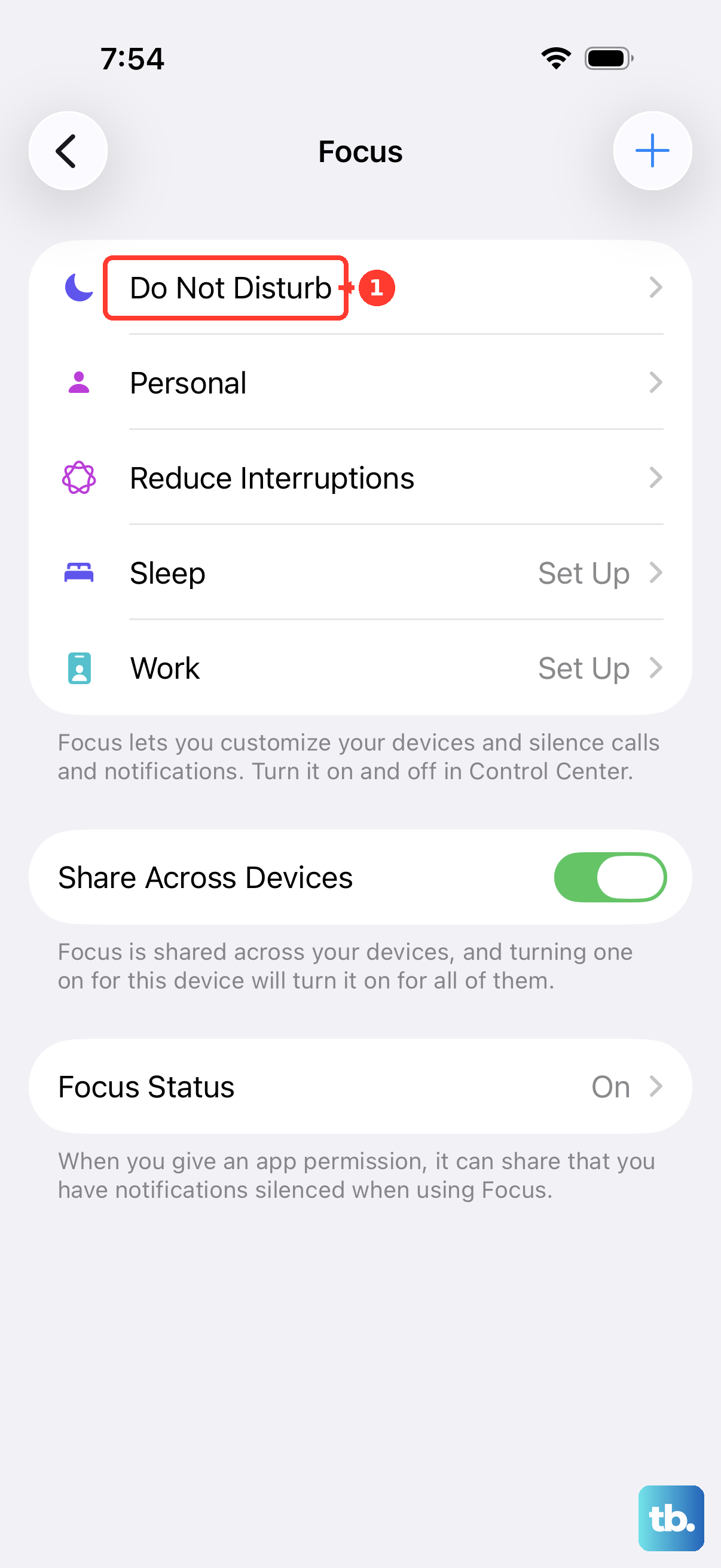
If you see a moon or another Focus icon active, tap it to turn it off. You can also go to Settings > Focus to review the rules for each mode and make sure important calls aren't being silenced.
Update Your Carrier Settings
Apple and your cellular provider occasionally release small updates that improve network performance. To check for one, make sure you're connected to Wi-Fi, then go to Settings > General > About.
If a carrier settings update is available, a prompt will appear on this screen. Just follow the instructions to install it. This can often resolve calling issues related to network compatibility.
Check for a Software Update
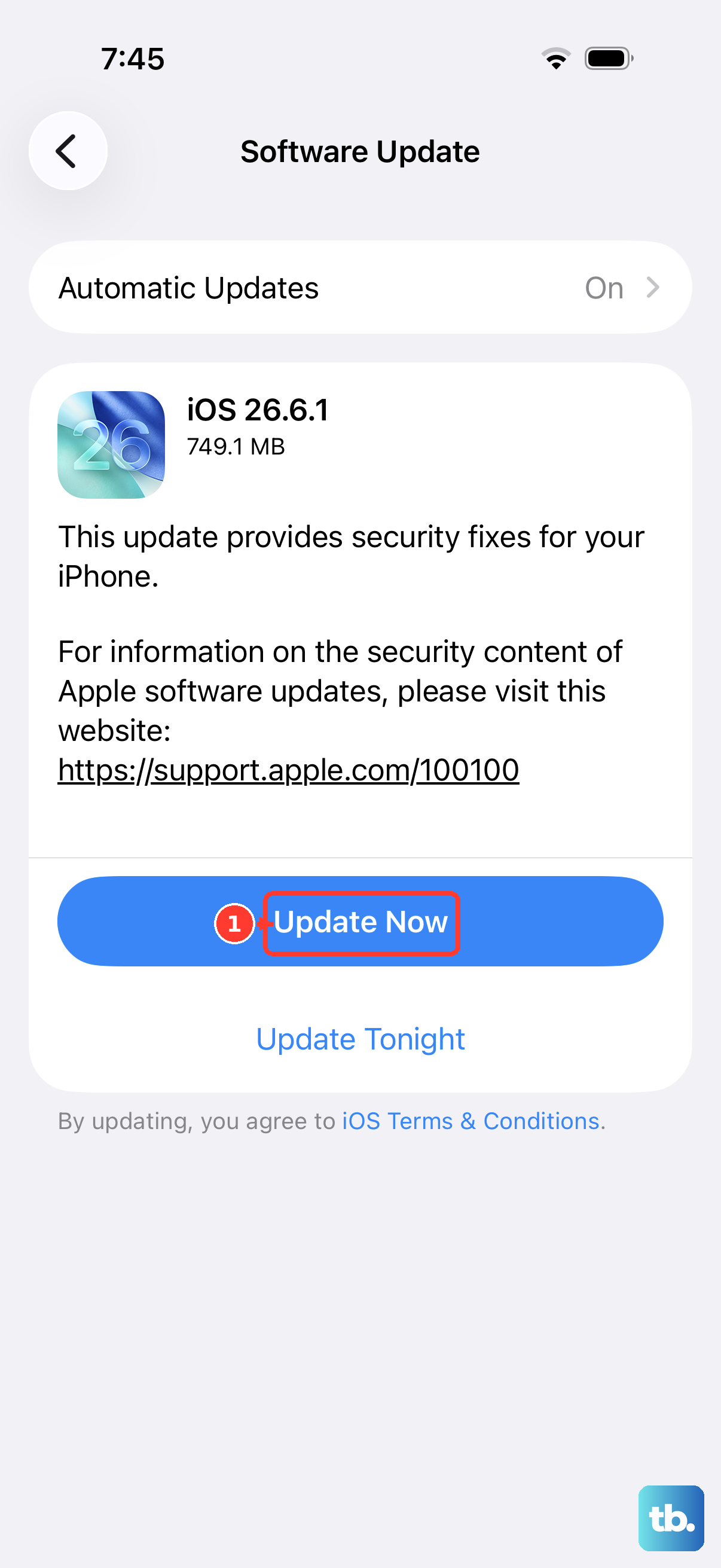
Since your iPhone 15 is running iOS 26, it's important to keep it updated. Software updates frequently include bug fixes for cellular and calling performance. Go to Settings > General > Software Update.
Make sure your phone is connected to Wi-Fi and has at least a 50% charge, then download and install any available update. This is one of the most reliable ways to fix underlying software problems.
Verify Your Cellular Data Settings
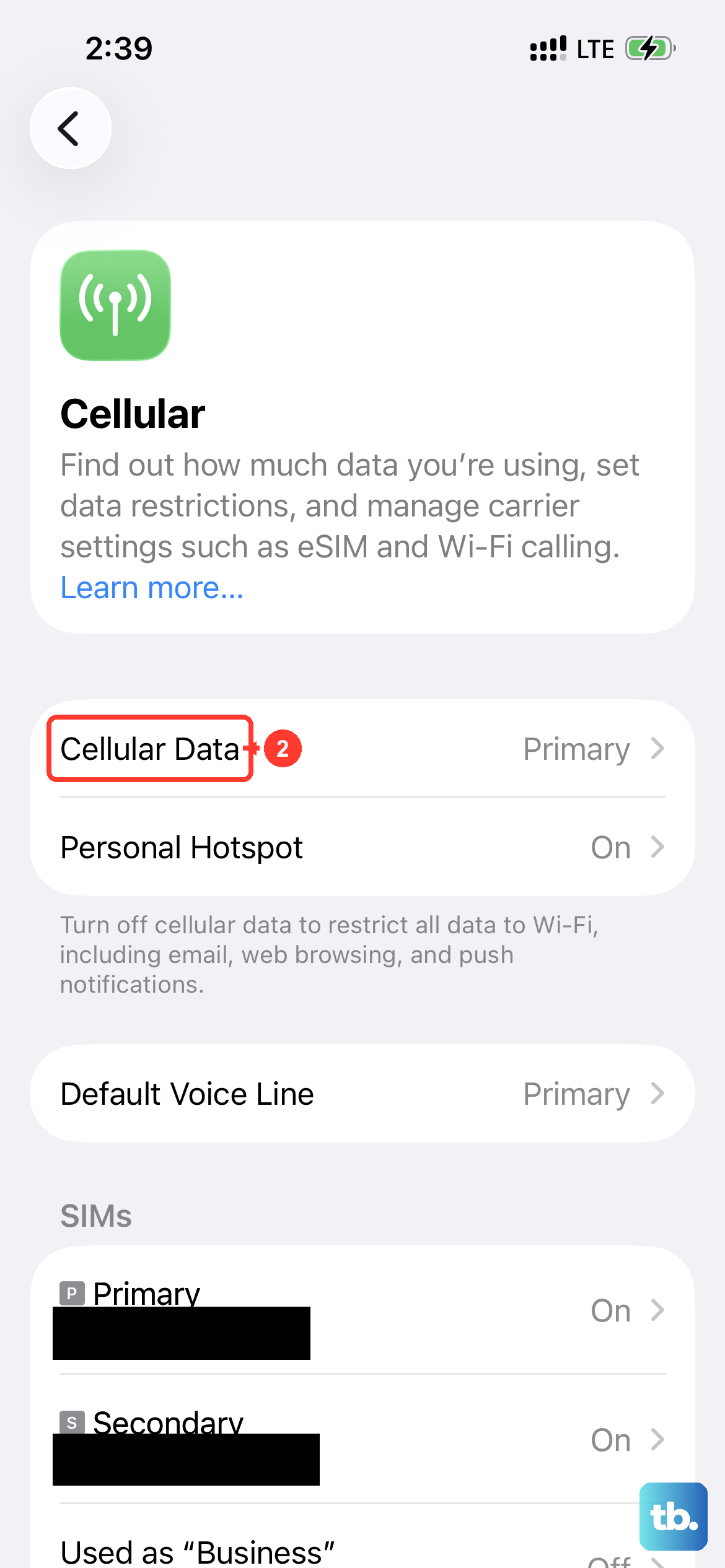
Double-check that your cellular service is active. Go to Settings > Cellular and make sure the main "Cellular Data" switch is turned on. If you're traveling, you might also need to enable Data Roaming from the Cellular Data Options menu.
It's also a good idea to check that your line is active for voice calls. Sometimes, especially after an account change or bill cycle, a setting on your carrier's end might need refreshing.
Reset Your Network Settings
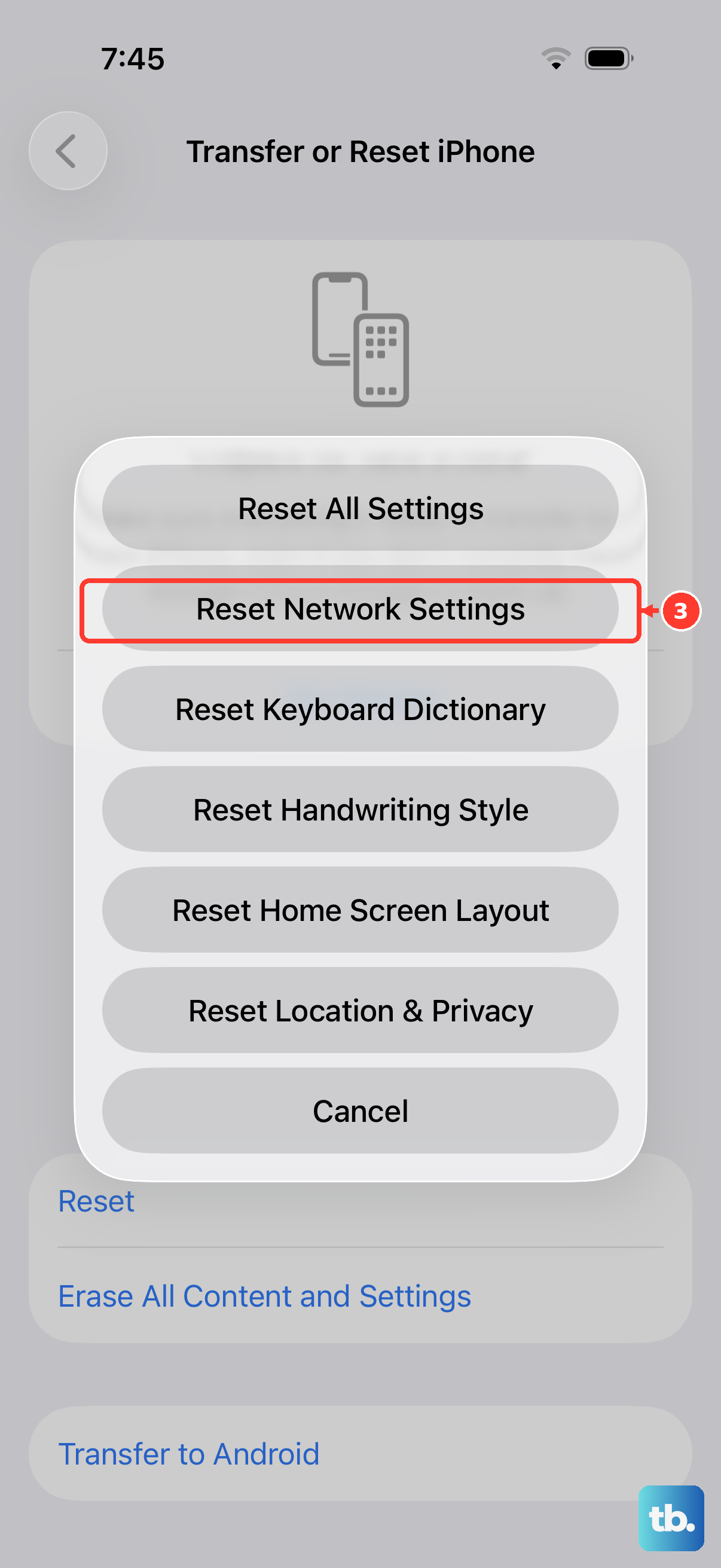
This step clears all your saved Wi-Fi passwords, Bluetooth pairings, and cellular network preferences. It's a deeper reset that can fix persistent connection issues. Go to Settings > General > Transfer or Reset iPhone.
Tap Reset, then choose Reset Network Settings. You'll need to enter your passcode to confirm. Afterward, you'll have to reconnect to Wi-Fi networks and re-pair Bluetooth devices, but it often solves tricky calling problems.
Inspect Your SIM Card
While less common, a dirty or loose SIM card can cause problems. The iPhone 15 uses a nano-SIM or an eSIM. If you use a physical SIM, you can gently eject the tray with a paperclip or SIM tool.
Take the SIM card out, give the gold contacts a gentle wipe with a soft, dry cloth, and reinsert it. Make sure it's seated properly in the tray. If you're using an eSIM, you might need to contact your carrier to have it re-provisioned.
Contact Your Cellular Carrier
If you've tried everything here and calls are still failing, the issue might be on your carrier's end. There could be a temporary network outage in your area, or there might be an issue with your specific account.
Give your carrier's customer service a call from another phone if possible. They can check for outages, reprovision your line, or send you a replacement SIM card if needed. They have tools on their end that can often pinpoint the problem quickly.