
When your iPad Air M3 won't send messages, it usually comes down to either iMessage acting up or a cellular connection issue on the Wi‑Fi + Cellular model. Here’s how to get it working again.
Check Your Connection
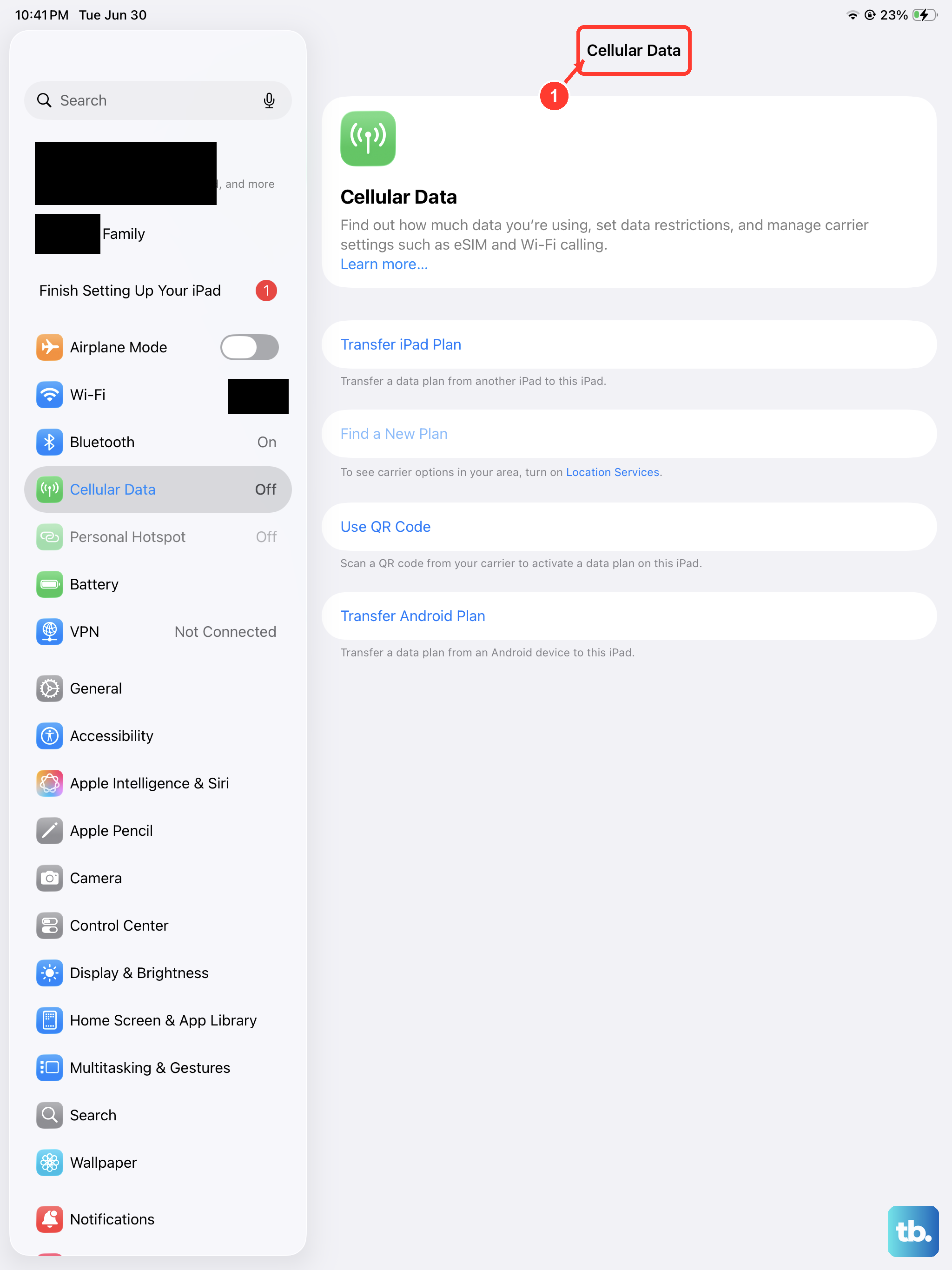
Messages rely on either Wi‑Fi (for iMessage) or cellular data (for SMS/MMS). If you're on Wi‑Fi, make sure it's actually working by loading a website. If you're on cellular, check the signal indicator in the status bar, no bars means no service. Toggle Airplane Mode on and off from Control Center to force a fresh network register.
Force Restart the iPad Air M3
A quick force restart clears up temporary glitches with messaging services. Press and quickly release Volume Up, then Volume Down, then press and hold the Top button until the Apple logo appears. This takes about 10 seconds. Try sending a test message afterward.
Check if iMessage Is Down
If your blue iMessages won't send, Apple's servers might be having trouble. Head to apple.com/support/systemstatus and look for iMessage. If it's listed as an outage, you'll have to wait it out. In the meantime, you can send the message as a regular SMS (if your iPad has cellular) by tapping and holding the failed message and selecting Send as Text Message.
Toggle iMessage Off and On
Go to Settings > Apps > Messages and turn off iMessage. Wait 30 seconds, then turn it back on. This re-registers your iPad with Apple's iMessage servers and often fixes stuck sending or failed blue bubbles.
Check the Recipient Isn’t Blocked
If messages fail only to one person, you may have blocked them accidentally. Open Settings > Apps > Messages > Blocked Contacts. If the person is on the list, tap Unblock. After that, try sending again.
Update Your iPadOS and Carrier Settings
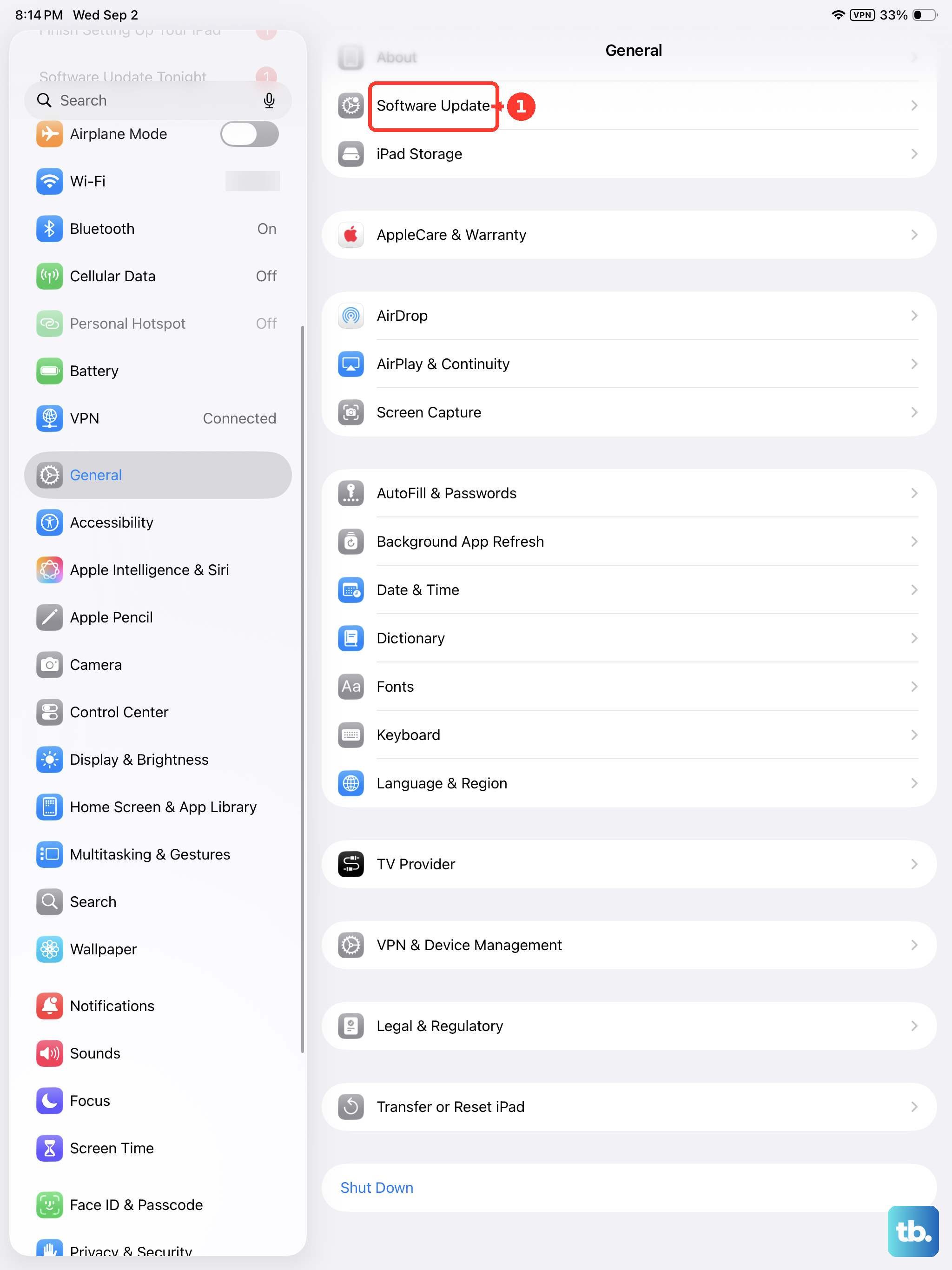
Outdated software can cause messaging bugs. Go to Settings > General > Software Update and install any available iPadOS updates. Then go to Settings > General > About. If a carrier settings update is available, a pop‑up will appear, tap Update. These carrier tweaks often fix account‑level messaging issues.
Verify SMS/MMS Settings (Cellular Models Only)
If you can send iMessages but not regular green‑bubble texts or pictures, the SMS/MMS settings might be off. Go to Settings > Apps > Messages and make sure Send as SMS is enabled. Also check that MMS Messaging is turned on. Without these, text messages won’t send even with a cellular signal.
Remove and Reinsert the SIM or Check eSIM
If your iPad uses a physical nano‑SIM, power it off, use a SIM eject tool (or a paperclip) to remove the tray, wait 30 seconds, then reinsert it and power back on. For eSIM, go to Settings > Cellular Data and toggle the eSIM line off and on. This reconnects your iPad to the carrier’s messaging network.
Reset Network Settings
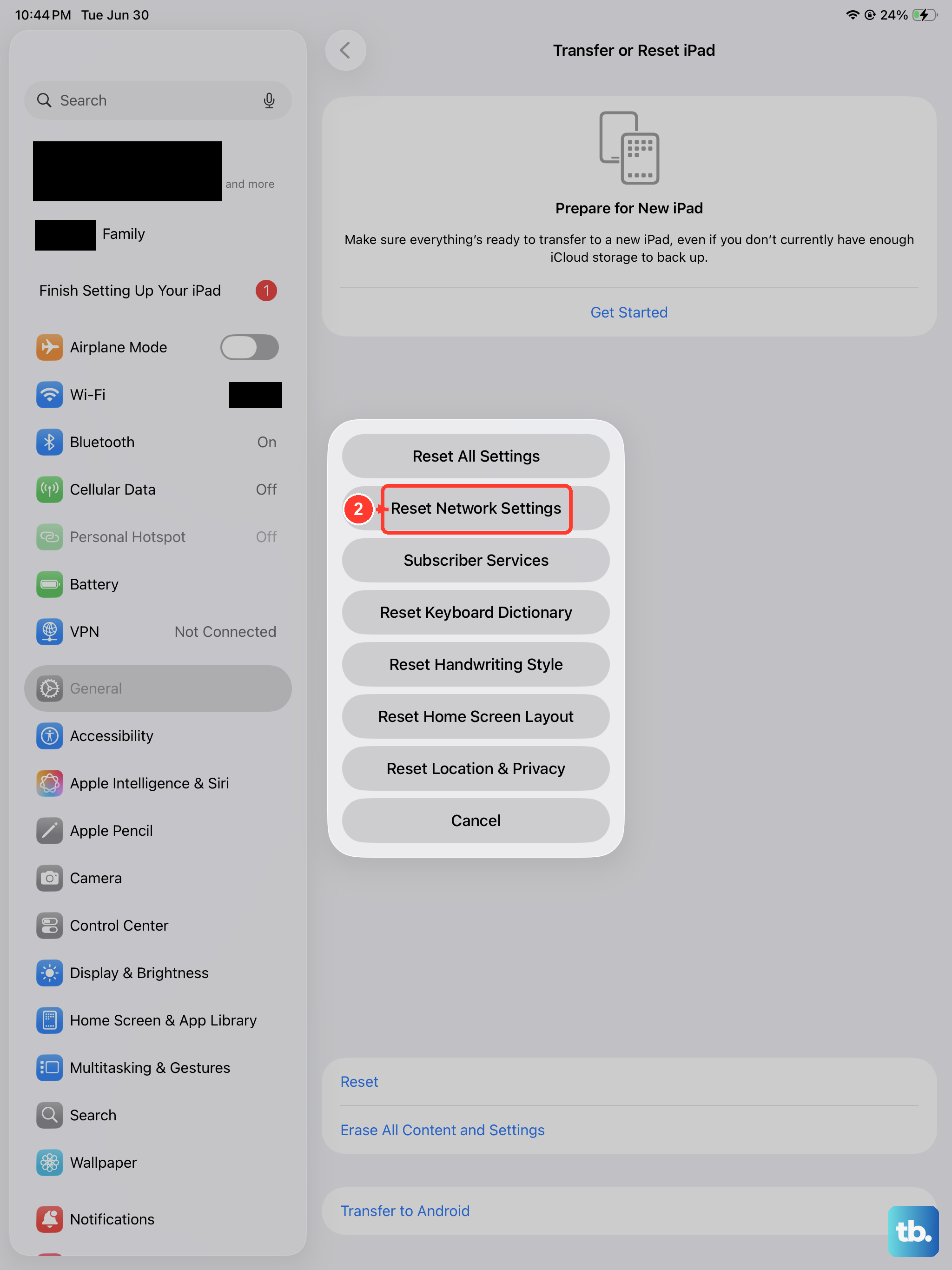
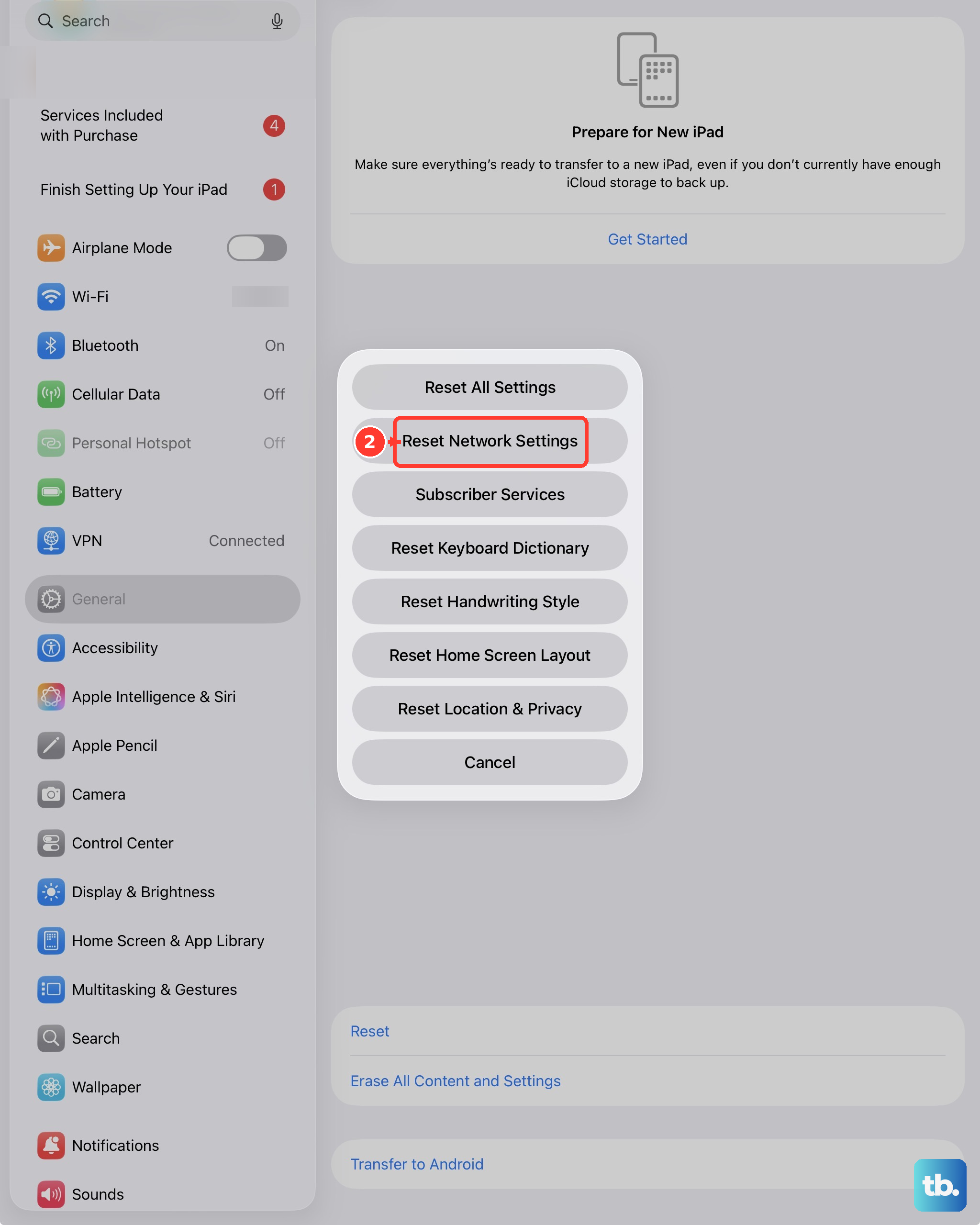
This clears saved Wi‑Fi networks, cellular settings, and VPN configurations. Go to Settings > General > Transfer or Reset iPad > Reset > Reset Network Settings. Your iPad will restart, and you’ll need to reconnect to Wi‑Fi afterward. It’s a heavy‑handed fix but often resolves stubborn message‑sending failures caused by corrupted network configs.
Contact Your Carrier
If none of the above work, the problem might be on your carrier’s side, an account issue, blocked SMS/MMS provisioning, or a temporary outage. Call your carrier and verify that SMS and MMS are active on your plan. They can also check if your iPad's cellular profile needs a refresh.