Netflix problems almost always trace back to a handful of causes: a shaky internet connection, an app or browser that needs refreshing, or a temporary glitch on Netflix's end. The good news is that most issues clear up in a few minutes once you know which fix matches your symptom.
This guide walks through the most common Netflix problems and the exact steps to fix them, including the connection errors and numbered error codes you are most likely to see. Work from the top, since the first checks resolve the majority of cases.
Check Whether Netflix Is Down
Before you change anything on your end, rule out a service outage. If Netflix is down for everyone, no amount of restarting will help, and you only have to wait.
The fastest confirmation is a quick web search for "Netflix down" or a glance at a public outage tracker to see whether complaints are spiking. You can also open another app or website to confirm your own internet still works.
If the outage is on Netflix's side, give it time and try again later. If everything else online loads fine but Netflix does not, the problem is local and the steps below will help.
Netflix Will Not Connect
Connection errors are the most common Netflix problem. You may see a message like "We're having a problem connecting to Netflix" or a code such as NW-2-5, which means your device took too long to reach the service.
Start by restarting the device you are watching on. Turn it off, unplug it from power for at least 15 seconds, then plug it back in and try again. For cable boxes, leave it unplugged for about 3 minutes.
If that does not work, restart your home network. Turn off your streaming device, unplug both your modem and router from power for 30 seconds, plug them back in, and wait a full minute for the lights to settle before turning your device back on.
A few more checks resolve stubborn connection issues. Turn off any VPN or proxy, since Netflix often blocks them. If you customized your DNS or modem settings, restore the defaults. As a last resort, contact your internet provider and ask them to confirm your network can reach fast.com and Netflix.
Netflix Keeps Buffering or Looks Blurry
Buffering, frequent quality drops, and a fuzzy picture almost always point to bandwidth. Netflix recommends at least 3 Mbps for HD, 5 Mbps for Full HD, and 15 Mbps for 4K Ultra HD.
Test your actual speed at fast.com, which is run by Netflix and measures your connection to its servers. If the result falls below the recommendation for your picture quality, that is your bottleneck.
To stabilize playback, reduce competing demand. Pause large downloads, online gaming, or other streams happening on the same network at the same time. A wired Ethernet connection is far steadier than Wi-Fi, and moving your router off the floor and away from walls and appliances improves a wireless signal.
If your speed is genuinely limited, lower your streaming quality so video loads smoothly instead of constantly buffering. The next section covers exactly where to change that.
Change Your Netflix Video Quality
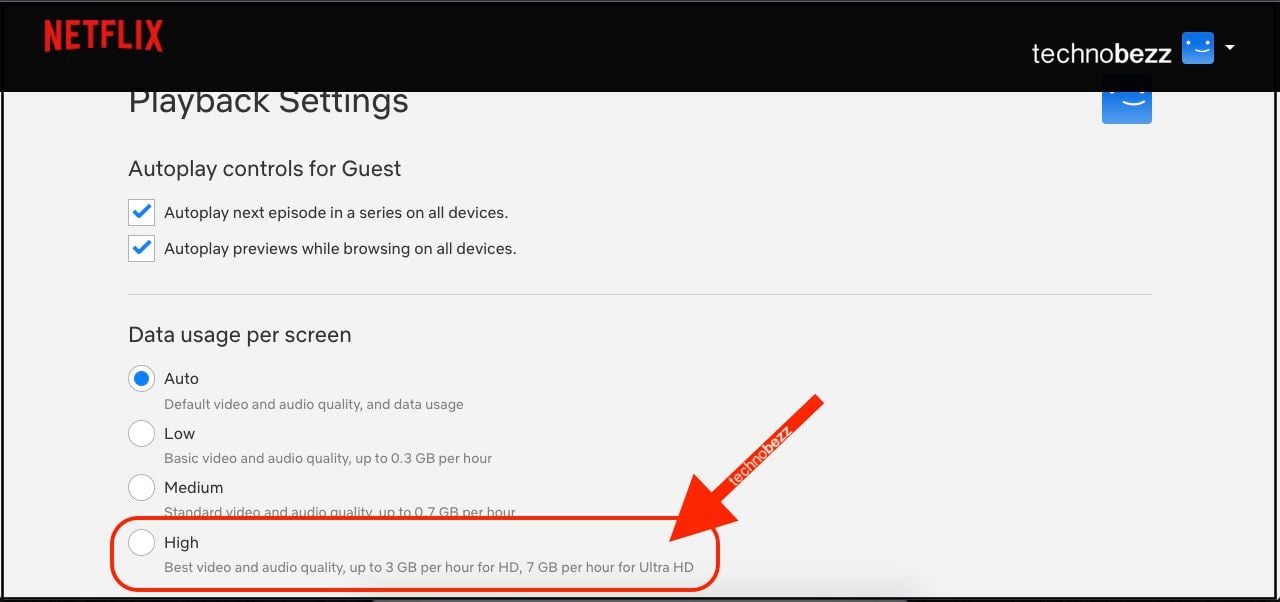
Netflix lets you control video quality and data use per profile, but only from a web browser, not inside the TV or mobile app. This is the setting to adjust when buffering will not stop or when you want to save data.
Sign in at netflix.com, then open:
Account > Profiles > (select your profile) > Playback settings
You will see four options. Auto matches quality to your connection automatically. Low uses up to about 0.3 GB per hour, Medium up to about 0.7 GB per hour, and High delivers the best picture, using up to roughly 3 GB per hour for HD and 7 GB per hour for Ultra HD.
Each profile has its own setting, so change it for every profile you want to limit. Choosing a lower setting can cut buffering on a slow connection, while High gives you the sharpest image when bandwidth allows.
The Netflix App Freezes or Crashes
When the app locks up, stutters, or closes on its own, a fresh start usually fixes it. Fully close the Netflix app, reopen it, and try again rather than leaving it running in the background.
If it keeps crashing, restart the whole device to clear temporary files and free up memory. On a computer, close other heavy programs and browser tabs that compete for resources.
Keeping things current also helps. Update the Netflix app and your device's operating system, since outdated software is a frequent cause of crashes. On a computer, watching at netflix.com in a browser is a quick way to confirm whether the problem is the app or the device.
Netflix Error 12001 on Android
Error 12001 appears on Android phones and tablets and usually means the app needs to be refreshed. Begin by fully powering the device off, not just locking it, then turning it back on and reopening Netflix.
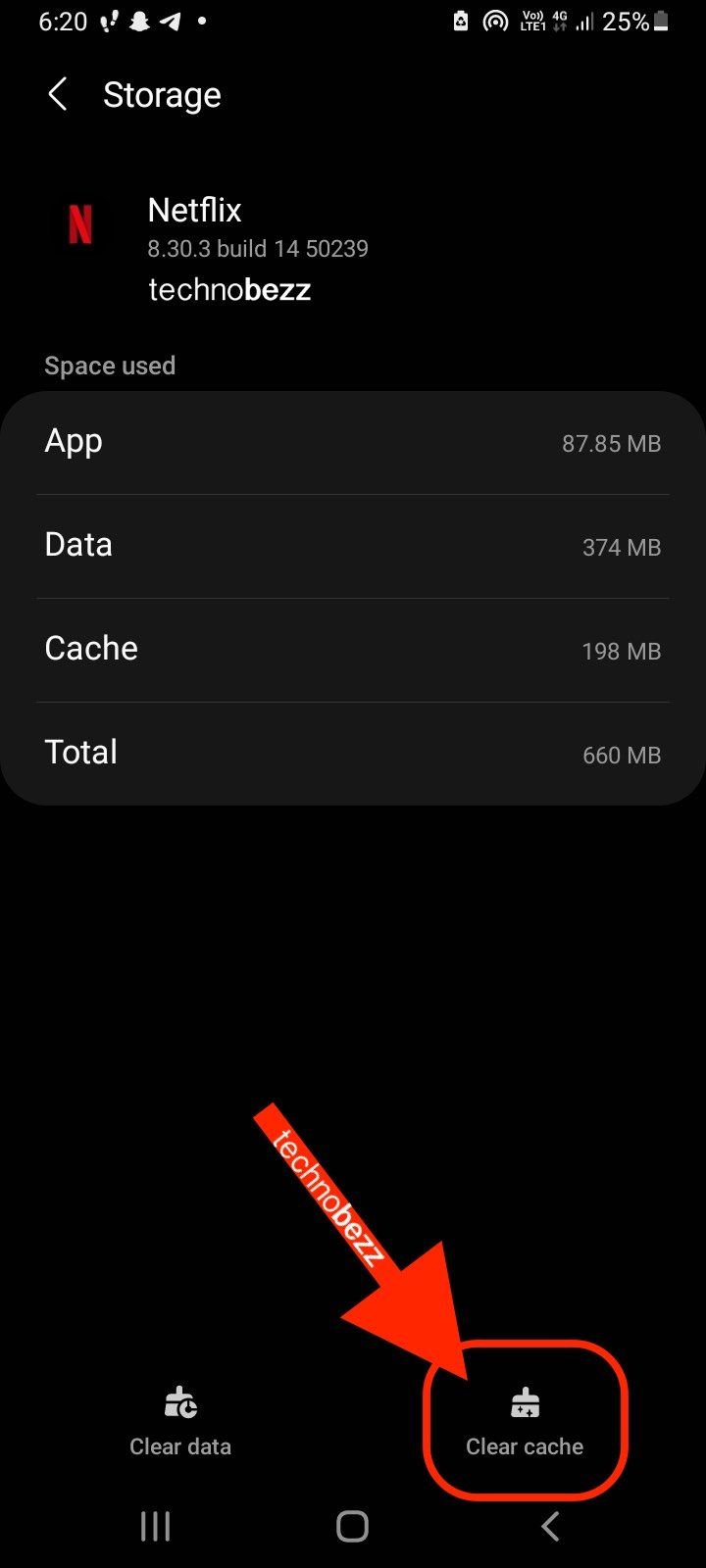
If the error returns, clear the app's stored data:
Tap and hold the Netflix icon > App info > Storage & cache > Clear storage > OK
This removes downloads and signs you out, so have your password ready before you start. Reopen Netflix and sign back in to finish.
Netflix Errors 1011 1012 and 1016
These codes appear on iPhone and iPad, and they all point to a network problem rather than a fault with your account. The first move is to confirm whether other apps can reach the internet.
Try switching networks, for example from Wi-Fi to cellular data or to a different Wi-Fi network, since some restricted or public networks block streaming. Toggling Wi-Fi off and on, then restarting the device, clears most temporary connection faults.
If the error continues, delete and reinstall the Netflix app so it downloads a clean copy. Sign back in afterward and the connection should be restored.
Netflix Shows a Black Screen on a Computer
A black screen with no picture in a browser is usually caused by the browser itself rather than your connection. Start by clearing your browser's cached images and files for all time, then reload the page.
Next, reset your Netflix session by visiting netflix.com/clearcookies, which signs you out. Sign back in and try playing a title again.
If the screen is still black, update your browser to the latest version and temporarily disable extensions, especially ad blockers and privacy add-ons that can interfere with playback. Security software can also block Netflix, so turn it off briefly to test, then re-enable it once you confirm the cause.
Netflix Will Not Work on a Smart TV or Streaming Player
On smart TVs, Apple TV, Roku, Fire TV, and game consoles, the reliable first step is the same power cycle used for connection errors: restart the device, then restart your modem and router.
Signing out and back in clears many account and playback glitches. The location of this option varies by device, but it is found in the Netflix app's settings or help menu, and on some devices you can trigger a sign-out prompt from the error screen.
Finally, install any pending software updates for both the device and the Netflix app. An out-of-date player is a common reason Netflix loads on other devices but not on your TV.
Your Netflix List Looks Empty or There Is Nothing to Watch
An empty My List or weak recommendations is not a bug, it just means Netflix does not have enough signal about your tastes yet. Build your list by selecting the plus icon on shows and movies you want to save.
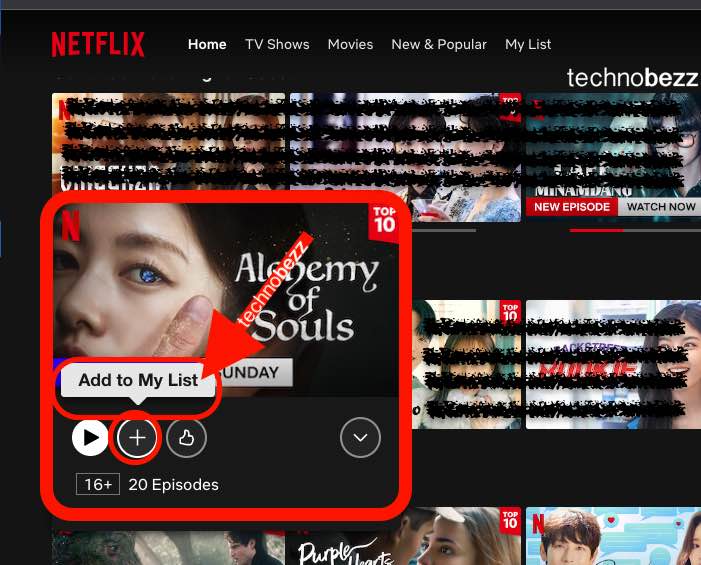
To improve suggestions, browse beyond the home row into specific genres and categories, and rate or watch titles so your history grows. The more you interact, the more tailored the home screen becomes.
If the recommendations feel wrong, you can hide titles you are not interested in so they stop reappearing, which nudges Netflix toward content you actually want.
Frequently Asked Questions
Why does Netflix keep saying there is a problem connecting?
This message means your device cannot reach Netflix's servers, usually because of a Wi-Fi or internet hiccup. Restart your device, then power cycle your modem and router, and turn off any VPN before trying again.
What internet speed do I need for Netflix?
Netflix recommends at least 3 Mbps for HD, 5 Mbps for Full HD, and 15 Mbps for 4K Ultra HD. Test your real speed at fast.com and lower your video quality in Playback settings if you fall short.
How do I fix Netflix error 12001?
Error 12001 is an Android issue. Fully power off and restart the device, and if it persists, clear the app's storage from App info > Storage & cache > Clear storage, then sign back in.
Why is my Netflix screen black with no picture?
On a computer this is usually a browser problem. Clear your browser cache, visit netflix.com/clearcookies to reset your session, update the browser, and disable extensions or ad blockers.
Does a VPN cause Netflix to stop working?
Yes. Netflix frequently blocks VPN and proxy connections, which can trigger connection and playback errors. Turn the VPN off and reload Netflix to see if that clears the issue.
How do I stop Netflix from buffering?
Reduce other heavy internet use on your network, switch to a wired connection if possible, and restart your router. If your speed is limited, set a lower data usage option in Playback settings.
First published October 12, 2025. Last updated June 4, 2026.