Finding the right beverage cooler for your home office means balancing space, capacity, and noise levels. The hOmeLabs Beverage Refrigerator stands out as our top pick for most setups, offering quiet operation and flexible storage. Whether you need something compact for a small desk area or a larger unit for shared spaces, this list covers the options that actually work in real home offices.
Technobezz is supported by its audience. We may get a commission from retail offers.
6 Best Beverage Coolers for Your Home (2026)
The hOmeLabs Beverage Refrigerator (~$310) leads our picks, with quiet 6 beverage coolers from $199 to $550 covering small spaces, big capacity, and glass-door visibility.
T
Technobezz
Senior Editor
Updated September 5, 2026Sep 5, 2026
•9 min read

Get Deals Like These in Your Inbox
The best prices, reviewed weekly.
At a Glance
| Category | Product | Why We Picked It |
|---|---|---|
| Best overall | hOmeLabs Beverage Refrigerator | Quiet operation with adjustable shelves |
| Best value | Antarctic Star 26 Bottle Cooler | Dual-purpose for cans and wine bottles |
| Best for built-in installation | Feelfunn 24-Inch Beverage Refrigerator | Front ventilation supports built-in installation with storage for up to 180 cans |
| Best for shared offices | Electactic 130-Can Beverage Refrigerator | Holds enough for team meetings |
| Best for visibility | EUHOMY Glass Door Beverage Cooler | Lets you see contents without opening |
| Also recommended | Honeywell 46-Bottle Single-Zone Wine Cooler | 46-bottle wine storage with a single 40°F to 65°F temperature zone and six slide-out wooden shelves |
How we chose and tested
We evaluated beverage coolers based on their suitability for home office environments, focusing on noise levels, energy efficiency, and practical storage features. Capacity, temperature control precision, and physical dimensions were key factors, along with user feedback about real-world performance in office settings. We prioritized units that balance cooling performance with quiet operation.
The best beverage coolers right now
hOmeLabs Beverage Refrigerator - Best overall
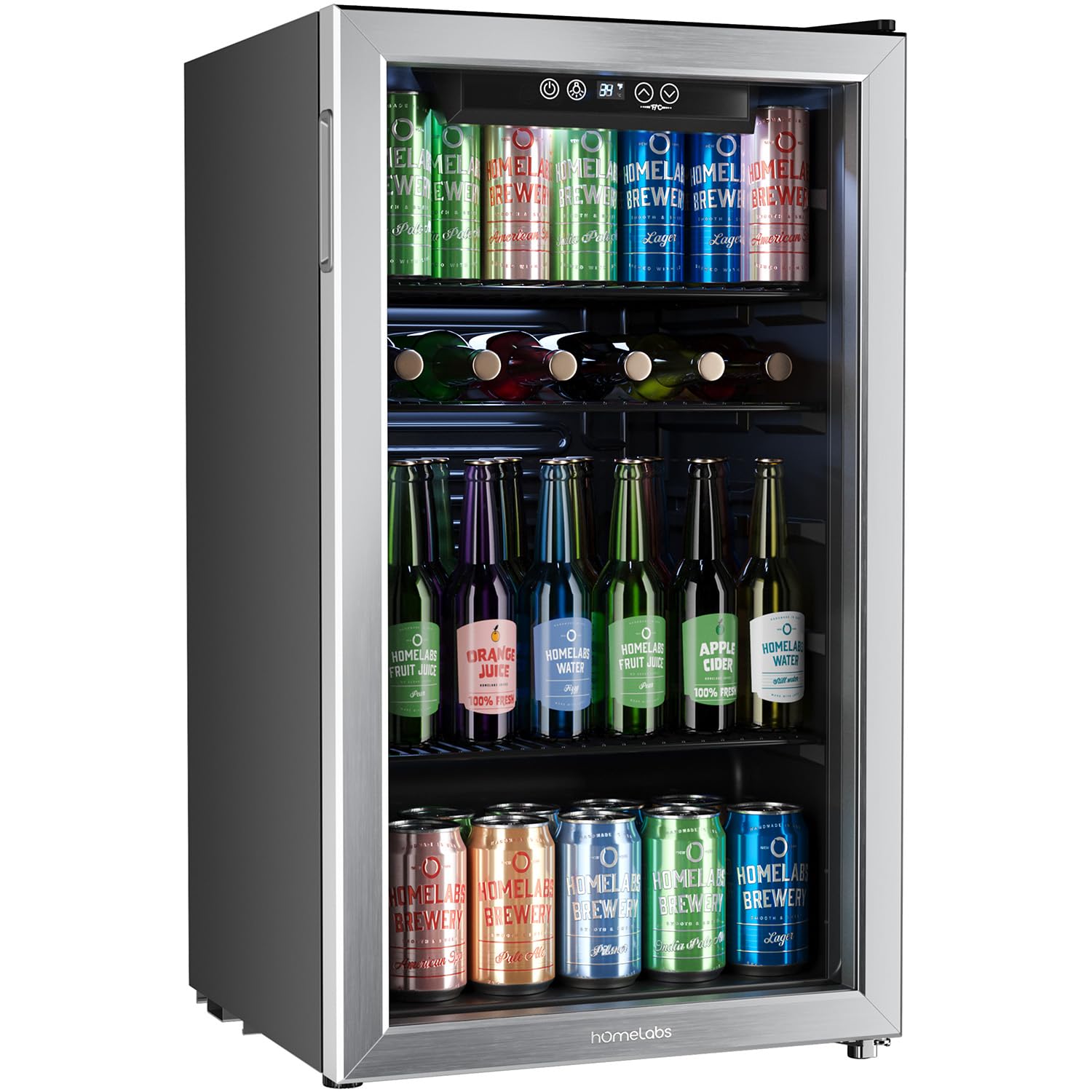
This beverage cooler combines quiet compressor technology with flexible storage options, making it ideal for home offices where noise matters. Its glass door design lets you check inventory without opening, while adjustable shelves accommodate different drink sizes.
Key highlights
- Holds up to 120 standard cans with adjustable shelving
- Features a tempered glass door for easy viewing
- Operates quietly enough for shared office spaces
- Digital temperature control with precise settings and memory function to restore settings after power outages
- Energy efficient design suitable for continuous use
Pros
- Very quiet operation won't disrupt calls or concentration
- Adjustable shelves fit everything from soda cans to wine bottles
- Glass door prevents unnecessary opening and cooling loss
- Digital controls make temperature adjustments simple
Cons
- Larger footprint than some compact options
- Glass door shows fingerprints easily
- May require more frequent cleaning to maintain appearance
Who it is for: Home office workers who need reliable, quiet cooling for daily beverage access without disturbing workflow.
Skip if
You have extremely limited space or prefer a completely hidden appliance.
Antarctic Star 26 Bottle 130 Can Cooler - Best value
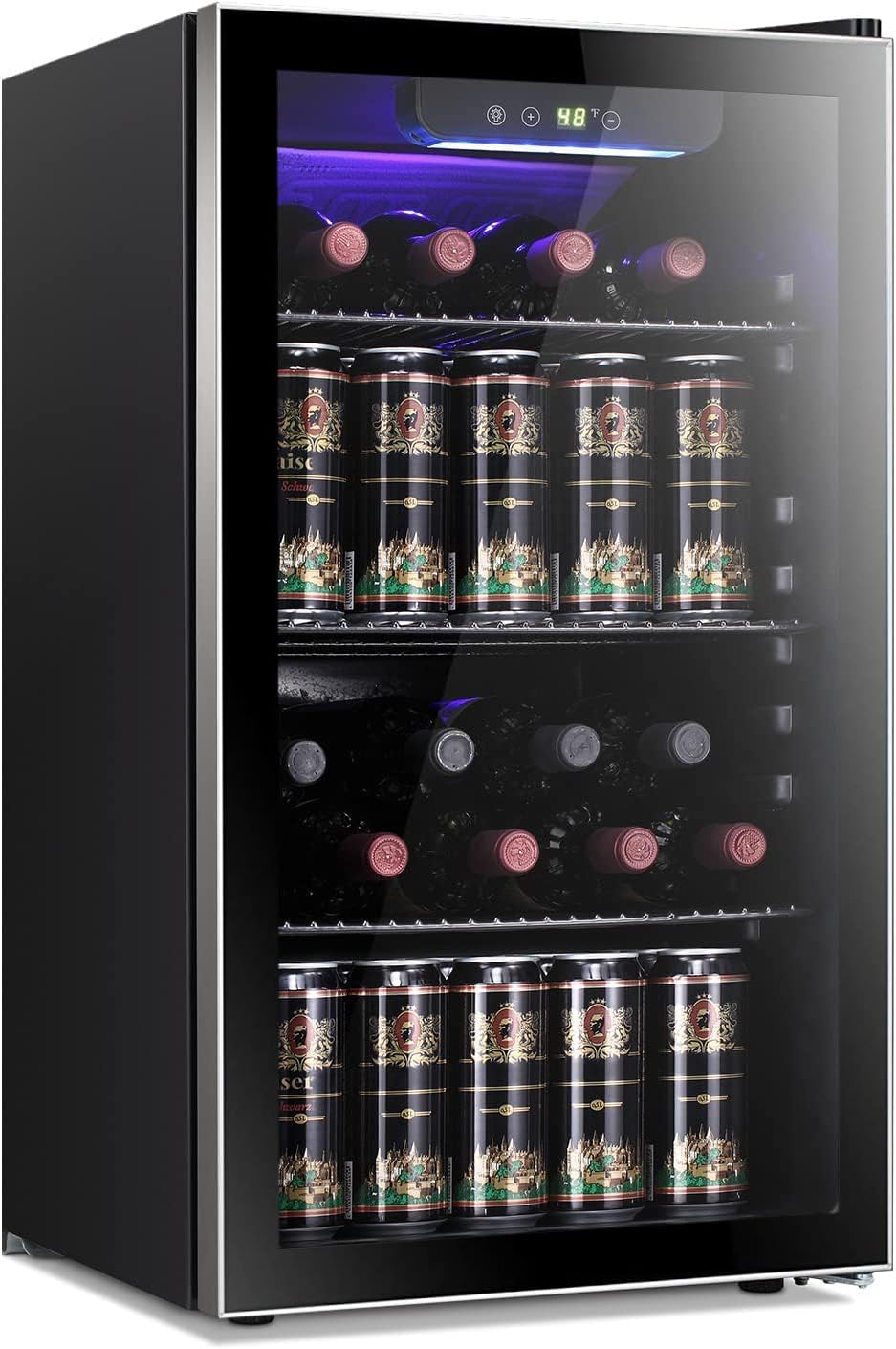
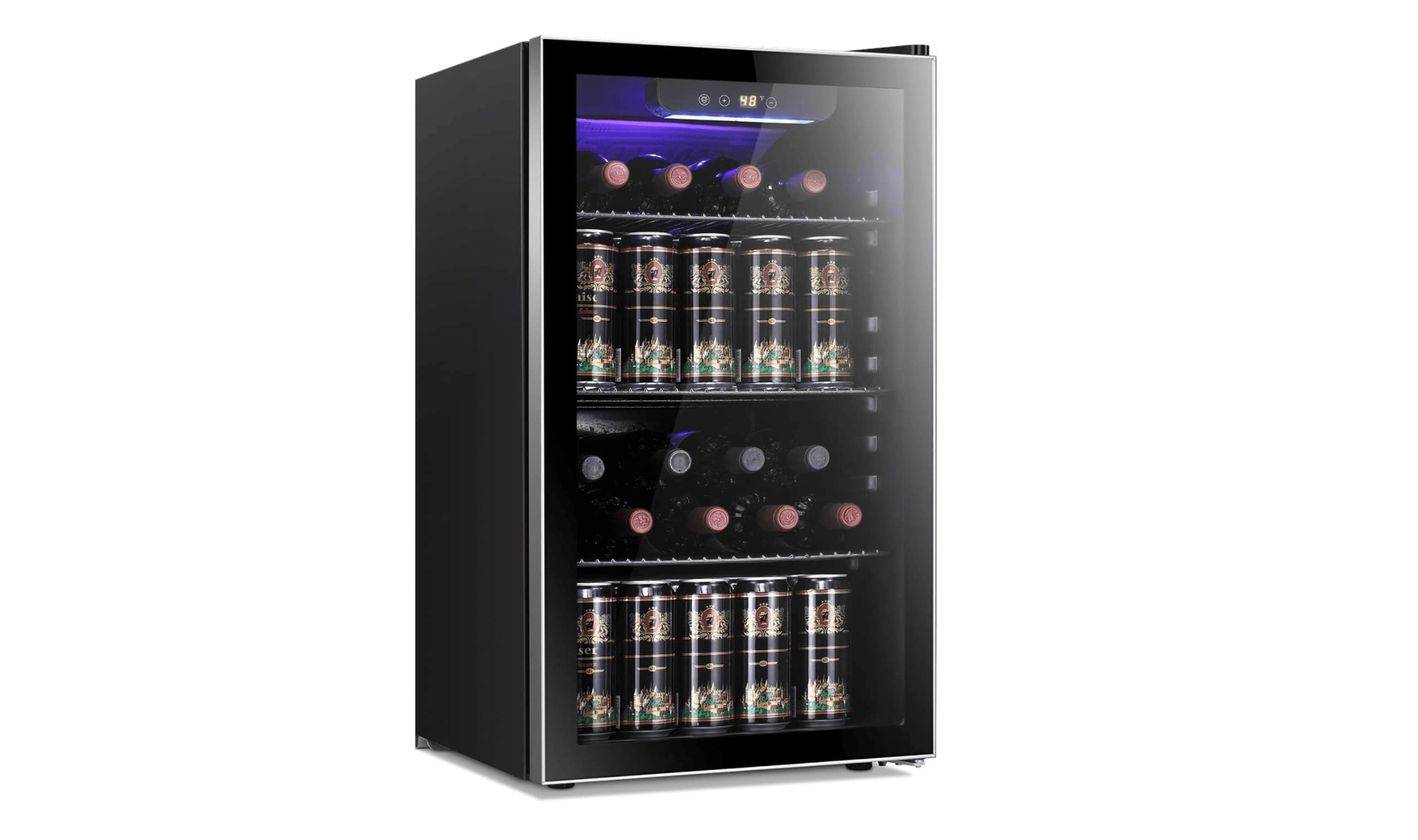
This dual-purpose cooler offers excellent capacity for the price, handling both wine bottles and canned beverages effectively. It's particularly useful for home offices that occasionally host meetings or need flexible storage options.
Key highlights
- Stores 26 wine bottles or 130 standard cans
- Temperature range suitable for various beverage types
- Removable shelves for customizable organization
- Freestanding design works in multiple locations
- Simple controls with clear temperature display
Pros
- Excellent capacity-to-price ratio
- Flexible storage for different beverage types
- Easy to clean with removable components
- Works well as a freestanding unit
Cons
- Bulkier design requires more floor space
- Cooling performance varies with room temperature
- Some users report longer cooling times
Who it is for: Value-conscious home office users who need substantial beverage storage without premium pricing.
Skip if
You only need minimal capacity or have strict space constraints.
Feelfunn 24-Inch Beverage Refrigerator - Best for built-in installation
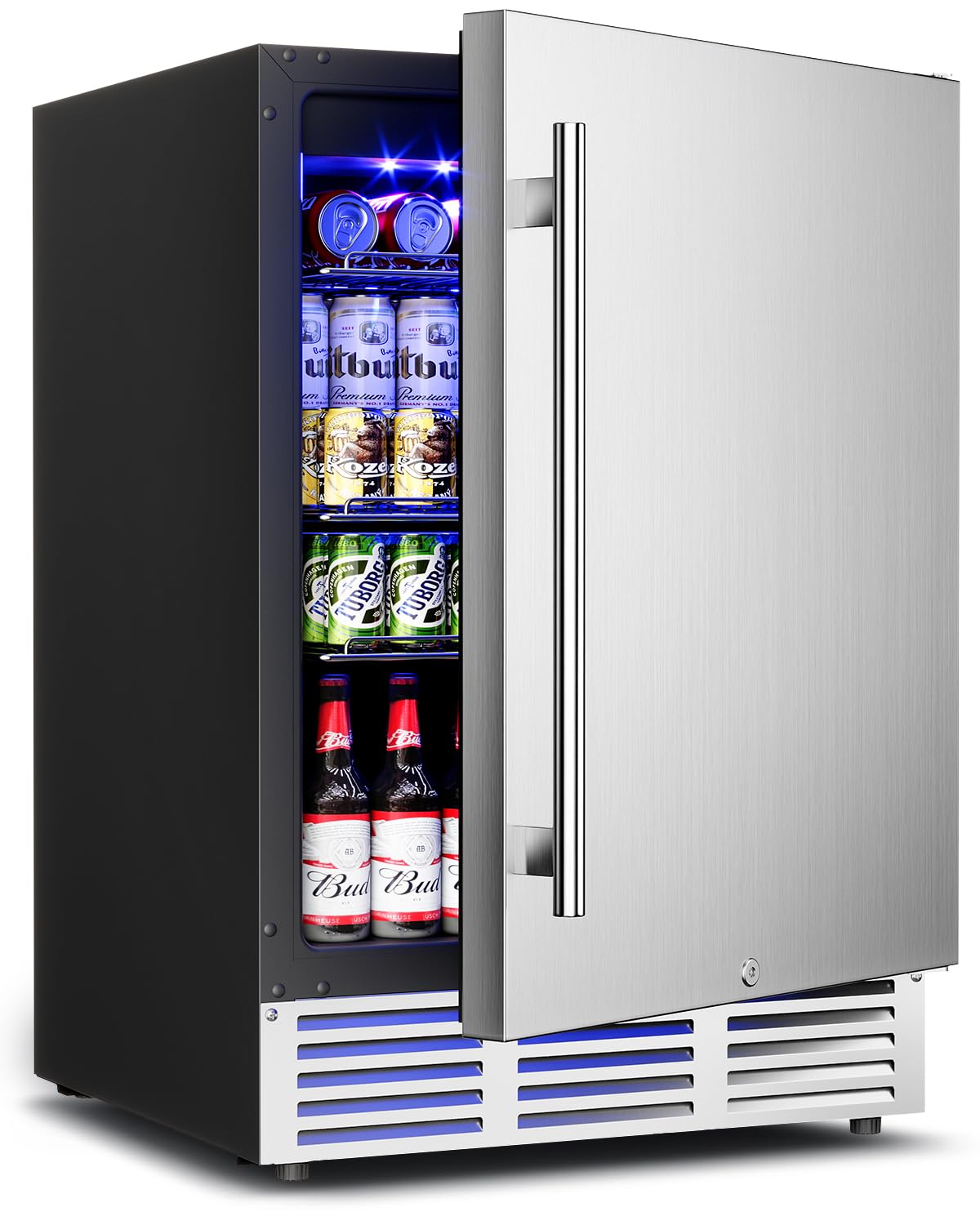
This 24-inch beverage refrigerator holds up to 180 cans and supports built-in or freestanding placement with front ventilation. It measures 23.4 inches wide, 22.6 inches deep, and 34.3 inches high, so check your cabinet opening before buying.
Key highlights
- Specifically designed for under-counter installation
- Holds up to 180 cans in a 23.4-inch-wide cabinet
- Front-venting design allows for enclosed installation
- Adjustable temperature range from 37°F to 65°F
- Low energy use at just 0.84 kWh per day
Pros
- Perfect for built-in office setups
- Three adjustable shelves accommodate different drink sizes
- Professional appearance blends with furniture
- Reversible door with concealed hinges suits either opening direction
Cons
- Installation requires more planning
- Less portable than freestanding units
- May need professional help for built-in setup
Who it is for: Home office users with a cabinet opening that accommodates a 24-inch beverage refrigerator.
Skip if
You need portability or frequently rearrange your office layout.
Electactic 130-Can Beverage Refrigerator - Best for shared offices
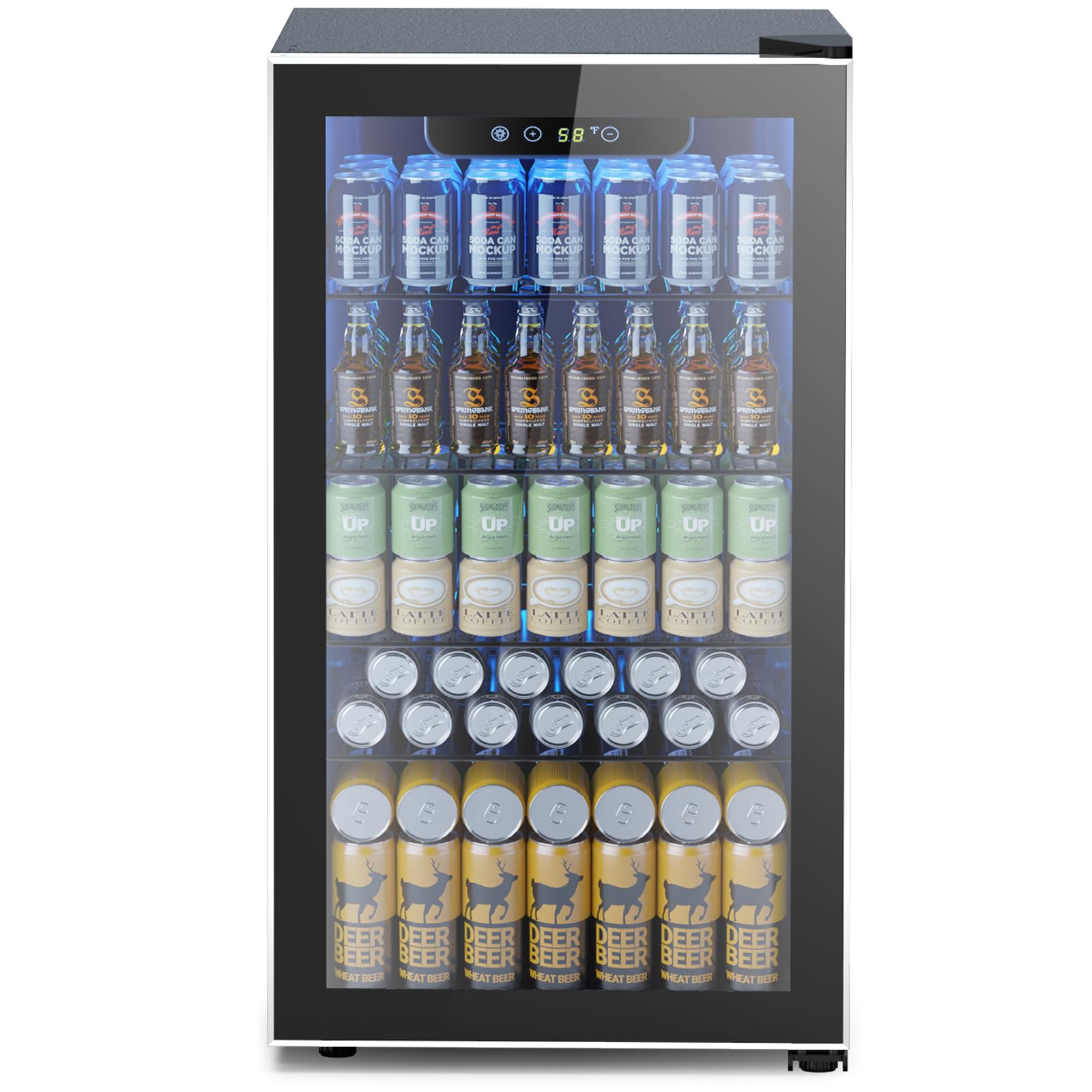
When you need serious beverage storage for shared home offices or frequent hosting, this high-capacity unit delivers. Its 3.2 cubic foot interior handles substantial quantities without constant restocking.
Key highlights
- 3.2 cubic foot capacity holds up to 130 cans
- Suitable for soda, beer, wine, and bottled water
- Multiple adjustable shelves for organization
- Digital temperature control with LED display
- Quiet compressor operation
Pros
- Eliminates frequent restocking needs
- Handles mixed beverage types easily
- Digital controls provide precise temperature management
- Large capacity supports office gatherings
Cons
- Significant space requirement
- Higher energy consumption than smaller units
- May be overkill for individual use
Who it is for: Home offices that host meetings, shared workspaces, or users who prefer buying beverages in bulk.
Skip if
You work alone and consume few beverages daily.
EUHOMY Glass Door Beverage Cooler - Best for visibility
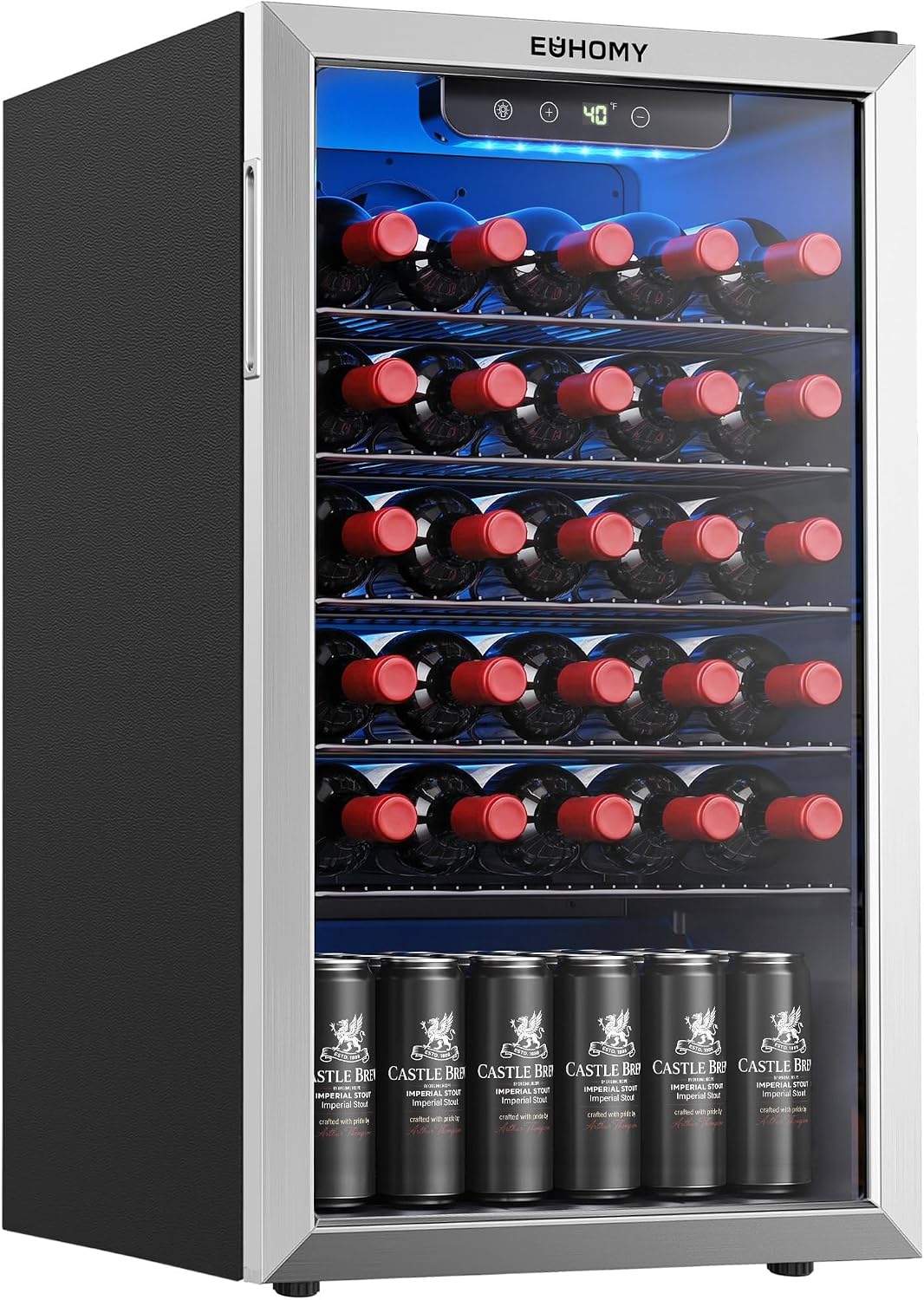
This cooler's transparent design lets you monitor beverage levels at a glance, reducing unnecessary door openings that waste energy. The illuminated interior makes finding specific drinks easy, even in dimly lit offices.
Key highlights
- Tight door seal and 360-degree air circulation keep cold air inside
- Interior LED lighting for visibility
- Five removable shelves for organizing different drink sizes
- Precise digital temperature control
- Silver finish with a tempered glass door using low-E film, running quietly at around 36 dB
Pros
- Instant inventory checking without opening door
- Attractive display of beverage collection
- LED lighting helps in low-light conditions
- Professional appearance suitable for client-facing areas
Cons
- Glass requires regular cleaning
- Lighting adds to energy consumption
- May not suit minimalist office designs
Who it is for: Home office users who want easy visibility of their beverage selection or have stylish office decor.
Skip if
You prefer discreet appliances or have concerns about glass maintenance.
Also Good
- Honeywell 46-Bottle Single-Zone Wine Cooler - Stores up to 46 wine bottles in a single temperature zone adjustable from 40°F to 65°F, with six slide-out wooden shelves and interior LED lighting.
How to Choose
Consider your actual beverage consumption patterns first. If you drink 2‑3 beverages daily, a smaller unit suffices. For shared spaces or entertaining, opt for larger capacity. Noise level matters significantly in home offices; look for units specifically noted for quiet operation. Physical dimensions should account not just the cooler's size but also ventilation space around it. Finally, energy efficiency affects long‑term operating costs, especially important given current electricity prices, so consider Energy Star ratings when available.
FAQ
How noisy are beverage coolers in home office settings?
Noise ratings vary by model. EUHOMY lists 36 dB for its 128-can cooler, while Feelfunn lists 40 dB for its 180-can model; compare model-specific ratings rather than generic claims about "quietness."
What temperature should I set my beverage cooler to?
For most canned sodas/beers/water bottles: aim between 37°F‑45°F (3°C‑7°C). Warmer settings around 50°F‑55°F (10°C‑13°C) suit certain wines better; digital controls make fine‑tuning straightforward once you know what drinks you'll store most often.
How much space do I need around a beverage cooler?
Clearance depends on the model. The hOmeLabs manual asks for at least 1.5 inches of circulation space on both sides of the cooler, while front-vented models such as the Feelfunn need no extra room at the sides or back. Check the installation manual for the unit you buy, and only enclose a cooler the manufacturer approves for built-in use.
Can I use a beverage cooler interchangeably between cans & bottles?
Yes, most adjustable‑shelf models handle both formats well enough though some include specific bottle stoppers/divider inserts which help prevent tipping; check shelf weight limits if storing heavier glass containers regularly.
How often should I clean my beverage cooler?
Monthly interior wipe‑downs prevent mold/mildew buildup while quarterly deep cleans remove stubborn residues; exterior glass doors benefit from weekly polishing using appropriate cleaners (avoid ammonia‑based products which can damage seals).
Published February 21, 2026 Last updated September 5, 2026
Share this article
More in News
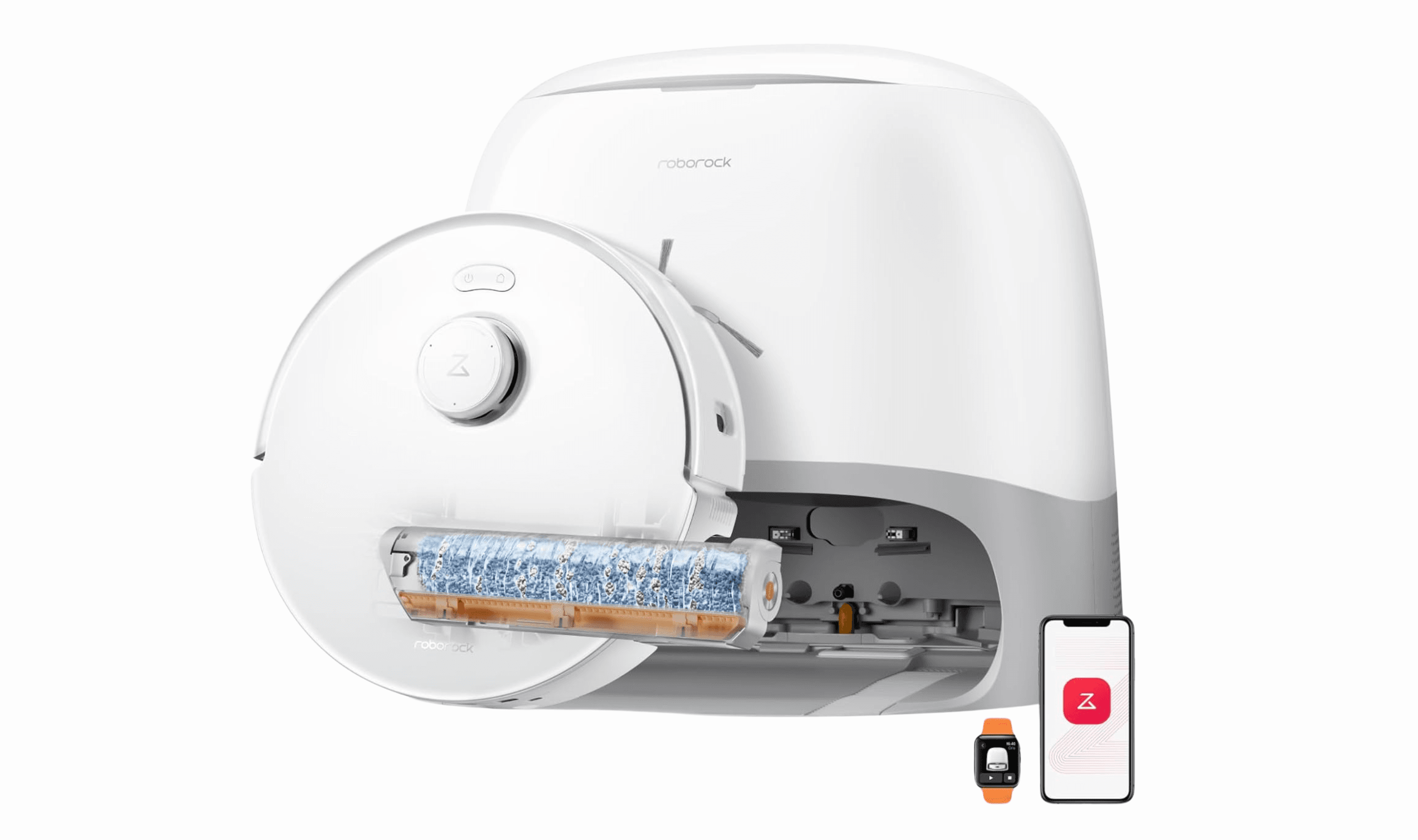
Best Robot Mops for 2026
Roborock Qrevo Curv 2 Flow leads our picks for the best robot mops. See our top 8 models for 2026, including budget-friendly and mixed-flooring options.
4 min read
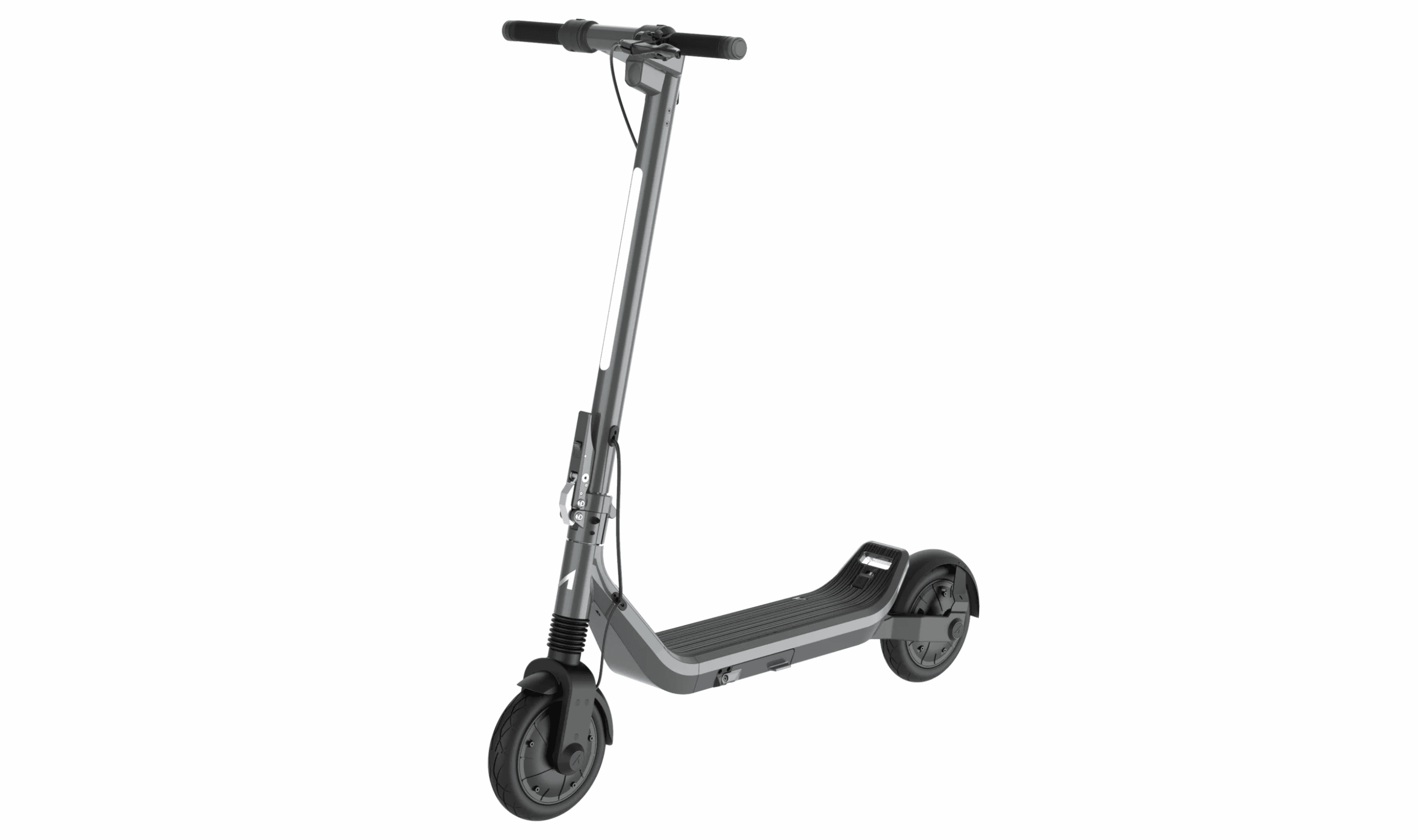
7 Best Electric Scooters for 2026
The best electric scooters for 2026, from the well-rounded Apollo Go to the long-range Segway Ninebot Max G3 and budget Segway E3 Pro. Picks for every rider.
3 min read
Best Dehumidifiers for Basements and Homes in 2026
The best dehumidifiers for basements and damp rooms in 2026, led by the Midea 50-Pint Cube, with picks for value, large spaces, and built-in pump drainage.
3 min read
8 Best Gaming Mice to Buy in 2026
The best gaming mice in 2026, from the 56g Razer DeathAdder V4 Pro to the budget Logitech G305 Lightspeed. Tested picks for FPS, MMO, wired and wireless.
5 min read
Top 6 cordless vacuums for 2026
4 min read
7 Best Outdoor Projectors for 2026
5 min read
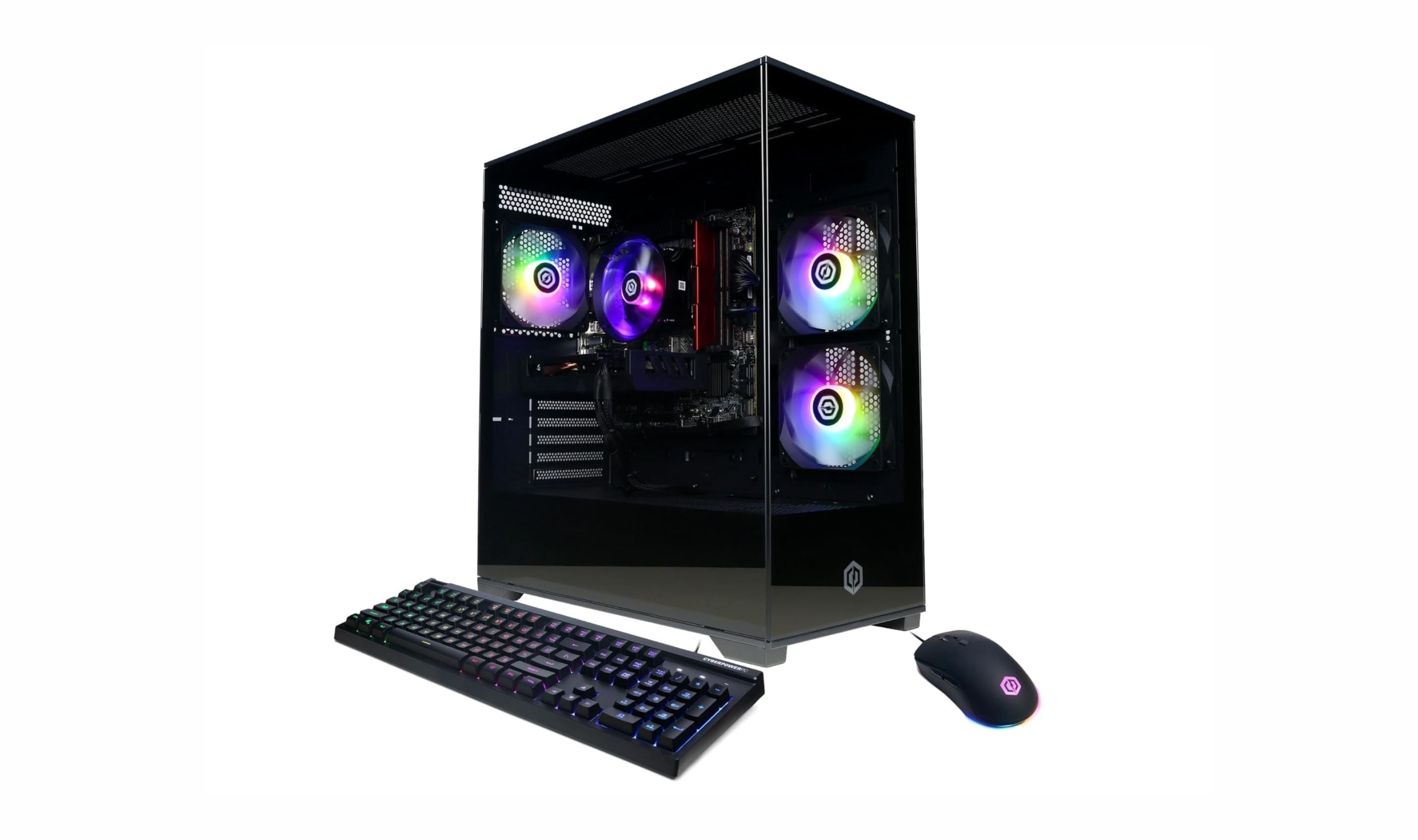
9 Best Desktops Under $1500 for 2026
3 min read
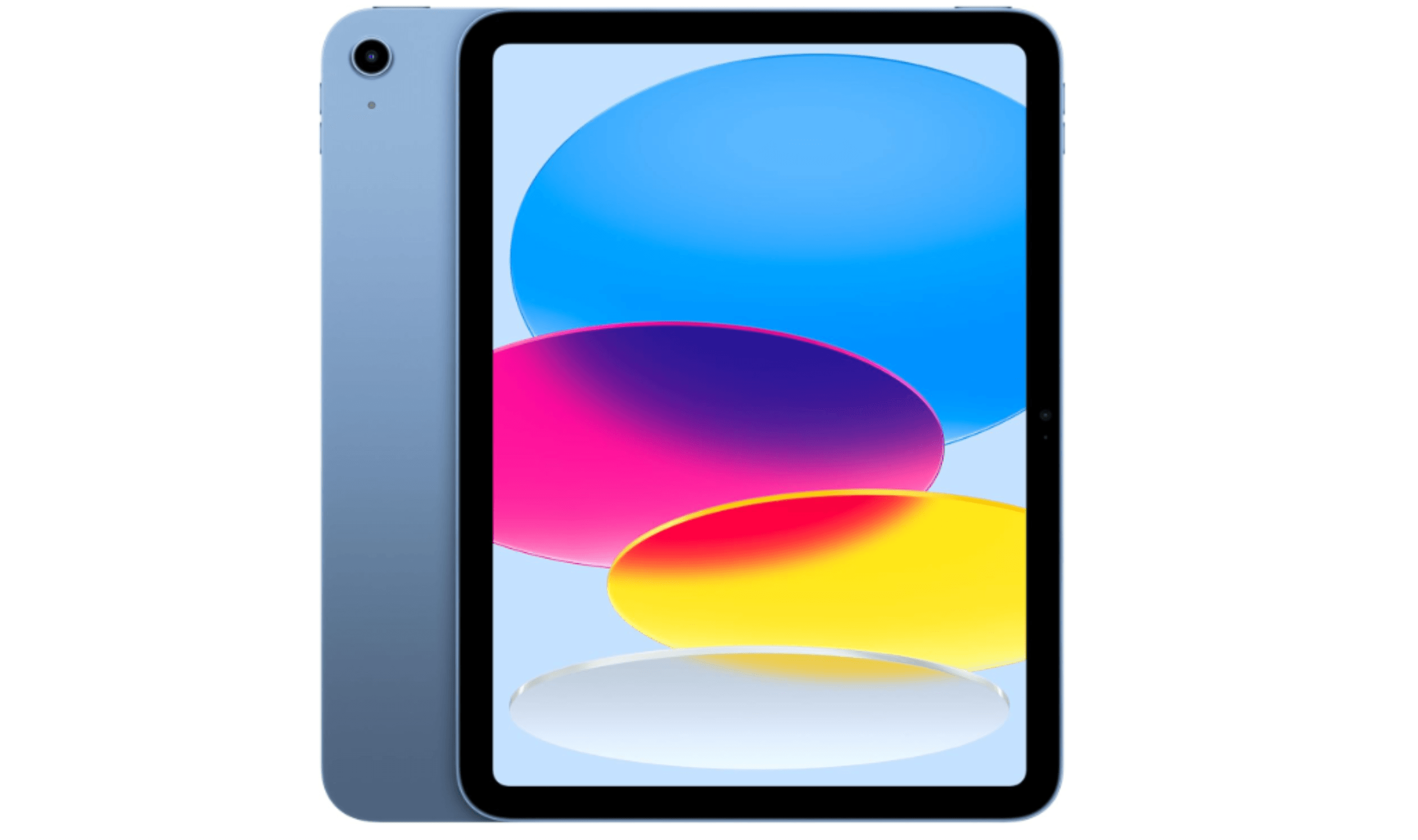
5 Best Cheap Tablets for 2026
3 min read
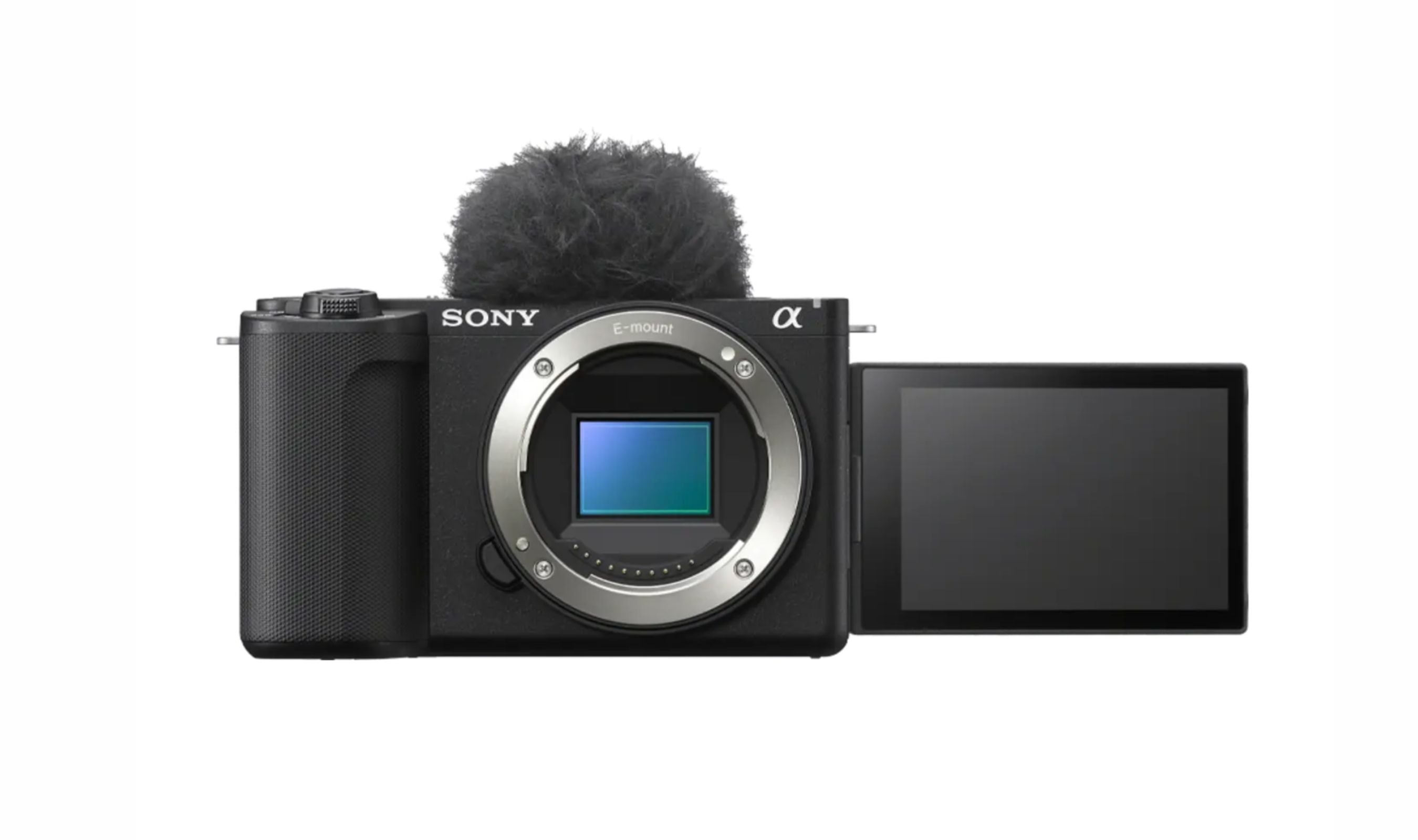
Best Camera for YouTube in 2026
4 min read
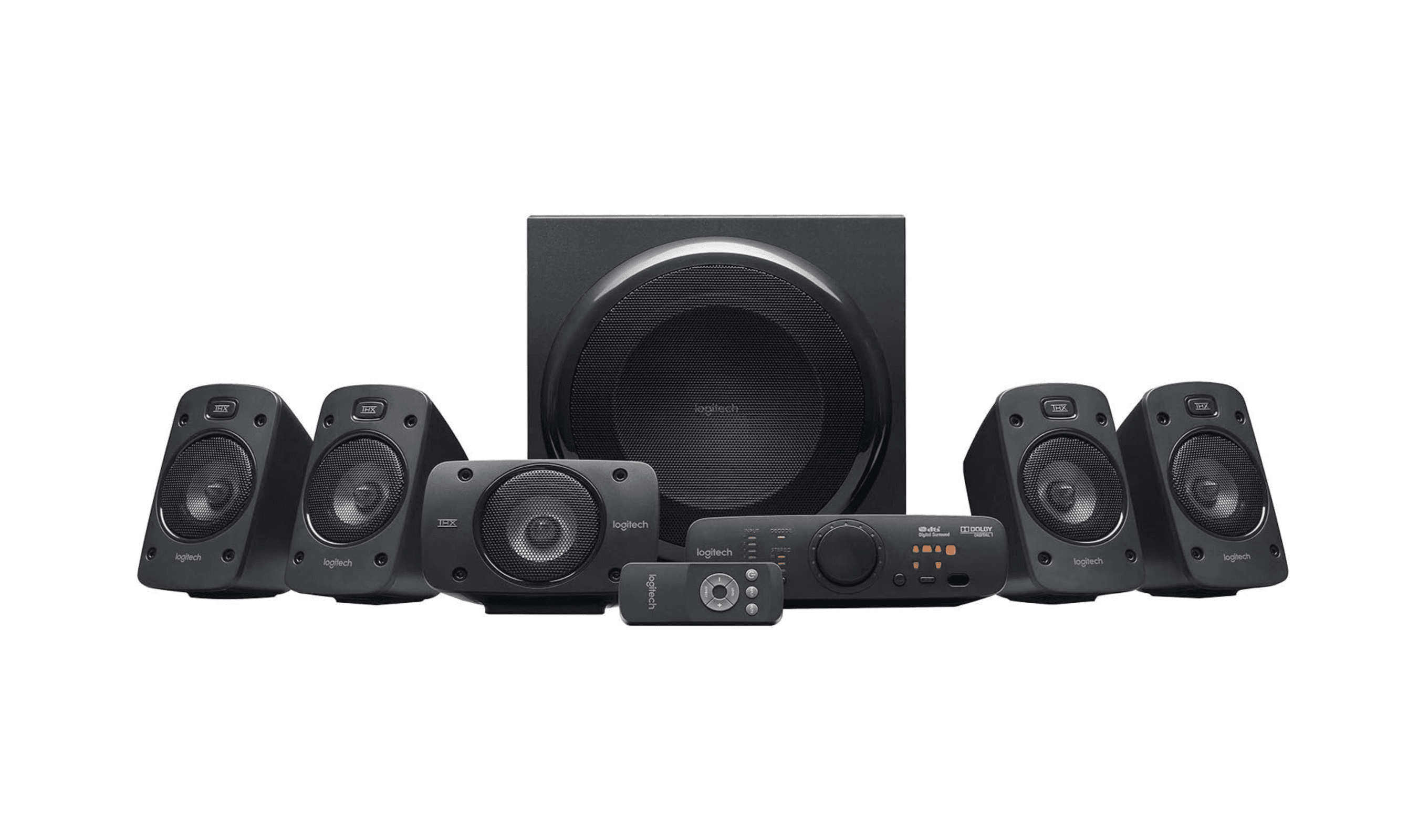
7 Surround Sound Picks for Movies and Gaming in 2026
5 min read
5 Best Solar Power Stations for 2026
3 min read
6 Best Cheap Smartwatches for 2026
4 min read