
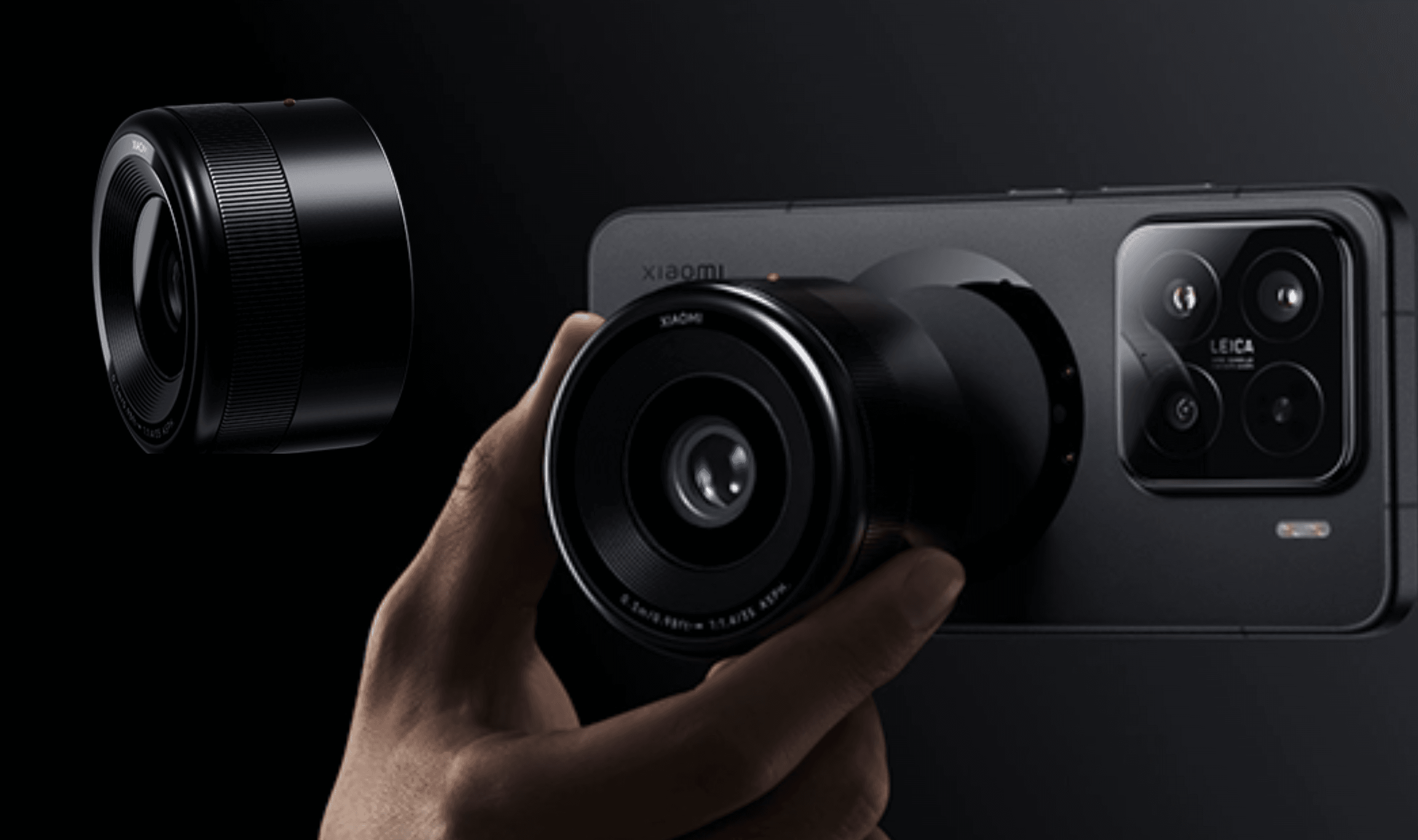
Xiaomi's magnetic modular camera system has entered mass production planning, moving from concept to reality after its MWC 2025 debut. The technology, which attaches professional-grade lenses to smartphones via magnetic pogo pins, could reach consumers as early as this year.
The system uses Xiaomi's proprietary LaserLink technology to achieve 10 Gbps data transfer speeds between lens and phone. This allows lossless RAW file transmission without compression or lag, according to early demonstrations.
A 35mm lens module with variable aperture up to f/11 snaps onto compatible devices.
At the core is a Micro Four Thirds sensor, significantly larger than the 1-inch sensors found in current flagship smartphones. The 100-megapixel Light Fusion X sensor offers about 16 stops of dynamic range, surpassing typical mobile camera capabilities. Users can adjust focus manually and change f-stop settings through the phone interface.
Xiaomi first showcased the modular optical system on a custom Xiaomi 15 device at Mobile World Congress 2025. At the time, engineers cited high production costs and water resistance compromises as barriers to commercialization. The move to mass production suggests Xiaomi has found solutions to these engineering challenges.
The company has not confirmed which phones will support the magnetic attachment system. Industry speculation points to a future "Ultra" flagship model or an entry in the experimental MIX series. When attached, the lens integrates with the phone's camera app as if it were built-in hardware.
Xiaomi's approach revives the modular camera concept pioneered by Sony's QX10 and QX100 in 2013. Those early attempts connected to phones via Wi-Fi Direct, offering slower data transfer and less smooth integration. The magnetic pogo pin system provides both power delivery and high-speed data connection.
If successfully brought to market, Xiaomi's modular system could represent the first significant disruption to mobile photography in a decade. It addresses the growing camera bump problem while offering professional photographers mobile flexibility without sacrificing image quality.
The mass production timeline matches Xiaomi's broader 2026 product strategy, which includes the Xiaomi 17 Ultra flagship and expanded European retail presence.
"The company plans to open approximately 150 stores across the UK within four years,"
supporting ecosystem product introductions.
These hardware and retail expansions will support the modular system, which uses LaserLink technology to achieve 10 Gbps data transfer speeds for lossless RAW file transmission.