
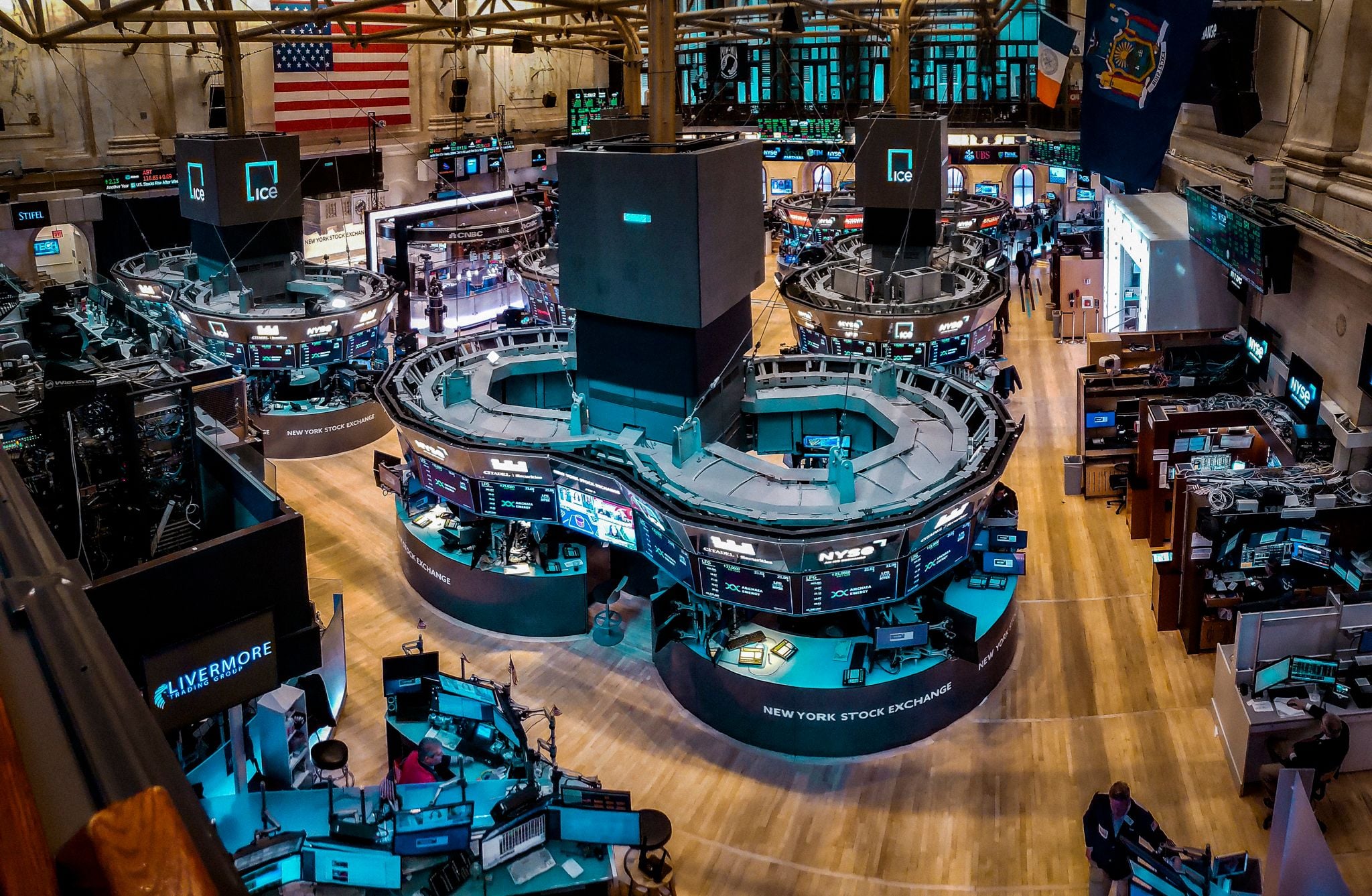
Wall Street opened 2026 with modest gains after a volatile first trading session dominated by technology stocks.
The S&P 500 rose 0.2% to 6,858.47 on Friday, January 2, while the Dow Jones Industrial Average gained 0.7% to 48,382.39. The Nasdaq composite slipped less than 0.1% to 23,235.63, weighed down by declines in Microsoft and Tesla shares.
Technology stocks drove most of the session's volatility, continuing the artificial intelligence investment trend that propelled markets to record highs in 2025. The S&P 500 benchmark index gained more than 16% last year, according to Associated Press reports.
Nvidia jumped 1.3% as the primary upward force, while Microsoft fell 2.2% and Tesla dropped 2.6%. Tesla's decline followed its second consecutive year of declining sales, according to company reports. These three companies, among the world's most valuable, exert disproportionate influence on market direction due to their massive valuations.
Furniture companies gained ground after President Donald Trump delayed increased tariffs on upholstered furniture. RH rose 8% and Wayfair gained 6.1%, according to market data from Friday's session.
Chinese technology stocks showed strength, with Alibaba climbing 4.3% and Baidu surging 9.4% in Hong Kong trading. Baidu announced plans to spin off its AI computer chip unit Kunlunxin, targeting a Hong Kong listing in early 2027 pending regulatory approvals.
International markets outperformed U.S. exchanges, with benchmarks in Britain and South Korea hitting record highs. Foreign market strength contrasted with the muted U.S. session that capped a holiday-shortened trading week.
Wall Street faces several key economic reports starting Monday, with several economic reports scheduled before the Federal Reserve's January meeting. Private sector reports on services and consumer sentiment will accompany government employment data, providing the final major indicators before Fed policymakers convene.
The Federal Reserve cut interest rates three times in late 2025 to address a weakening labor market, but inflation remains above the central bank's 2% target. Market analysts expect the Fed to hold rates steady at its January meeting amid persistent inflation concerns and ongoing trade tensions.
Treasury yields remained stable, with the 10-year note rising to 4.19% from 4.17% and the two-year holding at 3.48%. Commodity markets showed little movement, with U.S. crude oil at $57.32 per barrel and Brent crude at $60.75.
Technology sector volatility reflects continued Wall Street focus on AI infrastructure investments. Market participants anticipate sustained demand for data center components and computer chips to justify current technology stock valuations, according to financial analysts monitoring the sector.