

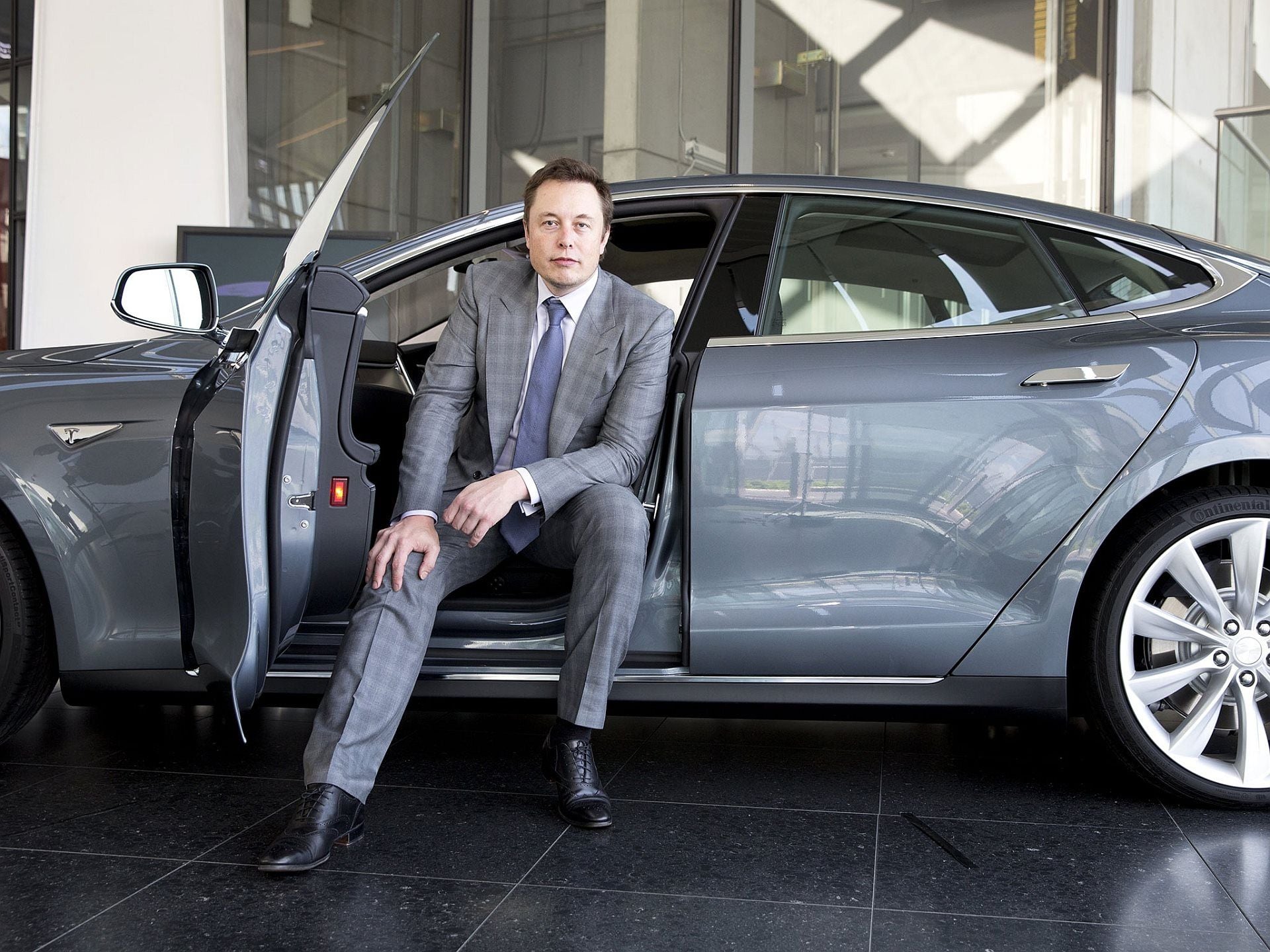
Tesla lost its position as the world's top electric vehicle seller to China's BYD in 2025, marking the first time the Elon Musk-led company has been surpassed in annual sales. BYD reported 2.26 million battery-electric vehicle sales last year, a 28% increase, while Tesla delivered 1.64 million units, an 8% decline from 2024.
The shift represents Tesla's second consecutive annual sales drop, breaking a growth streak that ran from 2011 through 2023. Fourth-quarter deliveries fell 16% year-over-year to approximately 416,000 vehicles, missing analyst expectations despite months of price cuts and discounts.
BYD's ascent comes as Tesla faces multiple headwinds. The expiration of the $7,500 U.S. federal EV tax credit in September 2025 contributed to a sales slump, particularly for mass-market vehicles sensitive to upfront pricing. Elon Musk's political alignment with former President Donald Trump and controversial government efficiency initiatives also alienated some consumers.
While Tesla struggles with declining automotive sales, investors remain focused on the company's pivot to artificial intelligence and robotics. Tesla stock advanced 11% in 2025 despite the delivery declines, reflecting market confidence in Musk's vision for autonomous vehicles and humanoid robots.
BYD achieved its lead through aggressive international expansion and vertical integration. The Chinese automaker dominates Europe's two largest EV markets, Germany and the UK, where it registered more vehicles than Tesla through November 2025. BYD's total new energy vehicle sales, including plug-in hybrids, reached 4.6 million units last year.
The company's blade-battery platform and in-house battery operations provide cost advantages that enable competitive pricing. Affordable models like the Seagull and Dolphin appeal to first-time EV buyers in China, while international growth in Latin America and Southeast Asia diversifies revenue streams.
Tesla's automotive business now accounts for approximately 75% of company revenue, down from previous years as Musk emphasizes robotics and AI development. The CEO predicts 80% of Tesla's value will eventually come from its Optimus humanoid robot, according to company statements.
European regulators have opened anti-subsidy probes into Chinese EV imports, creating potential headwinds for BYD's expansion. However, the company has already surpassed Tesla in European BEV sales during some recent periods despite higher tariffs, according to industry reports.
Wall Street analysts have significantly reduced Tesla delivery forecasts for 2026. Two years ago, projections exceeded 3 million vehicles, but current estimates average around 1.8 million. Tesla's energy storage business showed strength with 46.7 gigawatt hours deployed in 2025, a 50% year-over-year increase.
The company faces regulatory challenges in California, where a judge ruled Tesla misled customers about driverless taxi safety, potentially threatening its sales license in the state. Meanwhile, BYD targets 1.6 million overseas sales in 2026 compared to Tesla's projected 1.8 million global deliveries.
Tesla introduced refreshed Model Y and Model 3 variants to compete with cheaper Chinese models in Europe and Asia. The company also continues development of its Cybercab autonomous vehicle, though regulatory requirements may force inclusion of traditional controls like steering wheels and pedals.
Industry analysts suggest Tesla's future valuation depends more on AI and robotics progress than automotive sales volume. "Deliveries barely matter anymore," said Alexander Potter, an analyst with a buy rating on Tesla stock. "Performance should be driven by progress in AI and robotics."
BYD's revenue reached 777 billion yuan ($107 billion) in 2024, surpassing Tesla's sales that year. The Chinese company's UK sales surged 880% through September 2025, making Britain its largest market outside China.
The EV market transition reflects broader industry shifts as Chinese manufacturers leverage domestic scale for global expansion. Traditional automakers face pressure to match Chinese pricing while navigating regulatory scrutiny of import subsidies and trade policies.
Tesla's leadership change comes amid a cooling EV market where early-adopter enthusiasm has waned and competition intensified across price segments. The company must deliver on promised autonomous driving breakthroughs and lower-cost platforms to regain growth momentum in 2026.