

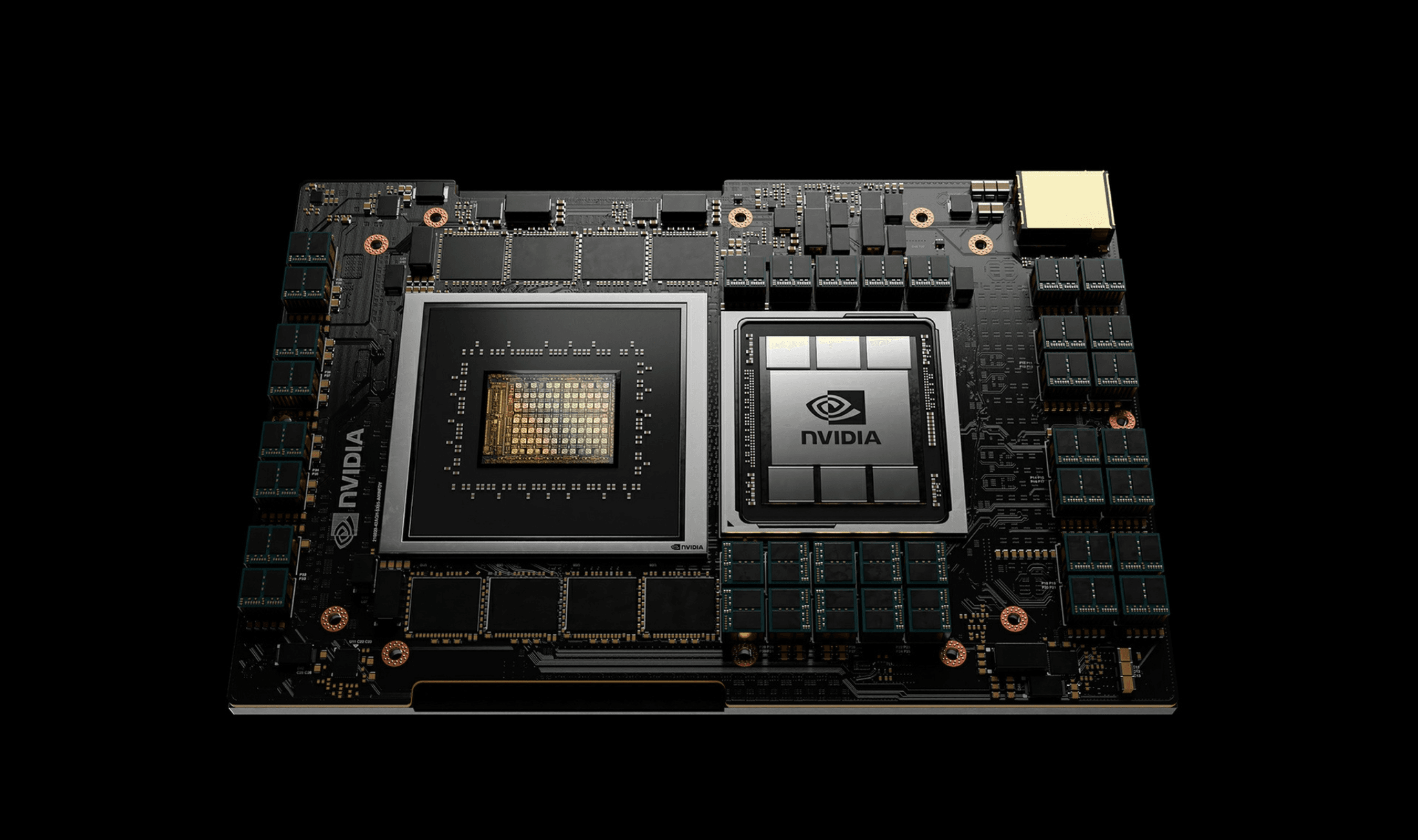
California Representative Ro Khanna indicated Monday he could support limited Nvidia semiconductor exports to China, focusing on older-generation chips while maintaining restrictions on current technology.
The House Select Committee on China's ranking Democrat told reporters he would consider approving sales of Nvidia's 2024-era Hopper chips after U.S. companies establish a multi-year technological lead.
Khanna's position represents a shift from his predecessor, Illinois Democrat Raja Krishnamoorthi, who co-sponsored legislation last year to block such exports. The committee's Republican chairman has also criticized President Donald Trump's December 2025 decision to permit Nvidia H200 sales to approved Chinese customers.
"We shouldn't be sending them Rubins. We shouldn't be sending them Blackwells," Khanna said, referencing Nvidia's current and upcoming chip generations. "After we have a two-year, three-year advantage, then I'm fine to make sure that our chips are being used in refrigerators and dishwashers."
The H200 chip belongs to Nvidia's Hopper generation released in 2024, preceding the company's Blackwell architecture and forthcoming Rubin chips scheduled for later this year.
Trump's approval reportedly included revenue-sharing arrangements requiring Nvidia to pay up to 25 percent of Chinese sales proceeds to the U.S. government. The company had previously agreed to pay 15 percent of revenues from H20 chip sales under an August 2025 agreement.
Nvidia generated $17 billion from China in its last fiscal year, accounting for 13 percent of total revenue. The company faces ongoing congressional scrutiny over chip smuggling concerns and potential military applications through China's civil-military fusion programs.
Committee investigations revealed Chinese AI firm DeepSeek developed its platform using tens of thousands of Nvidia chips, some subject to U.S. export controls. A May 2025 Reuters report detailed legislative proposals requiring location tracking on AI semiconductors to prevent illegal transfers.
"What we saw in the hearing is a shift of Democrats," Khanna told reporters. "It's not just our members criticizing the China Communist Party. It's our members criticizing the Trump administration's policies." He specifically cited concerns about inconsistent Taiwan policy approaches.
Despite openness to older chip exports, Khanna emphasized maintaining technological advantages.
The tiered approach aims to balance commercial interests with national security concerns while China reportedly prepares a $70 billion domestic semiconductor subsidy program and companies like ByteDance plan to produce 100,000 in-house AI chips this year.
Committee Chairman John Moolenaar, a Michigan Republican, has expressed support for chip location tracking concepts but hasn't endorsed specific legislation. His office didn't immediately respond to requests for comment about Khanna's statements or the committee's export control oversight plans.
Nvidia continues navigating complex export regulations while competing with Chinese alternatives like Huawei's Ascend chips, which reportedly approach H200 performance levels. The company didn't immediately respond to requests for comment about the congressional discussions.