
Enterprise technology vendors have converged on a single strategic target after years of chasing different AI priorities. The winner won't be determined by model size or benchmark scores, but by who controls where autonomous agents execute work across business systems.
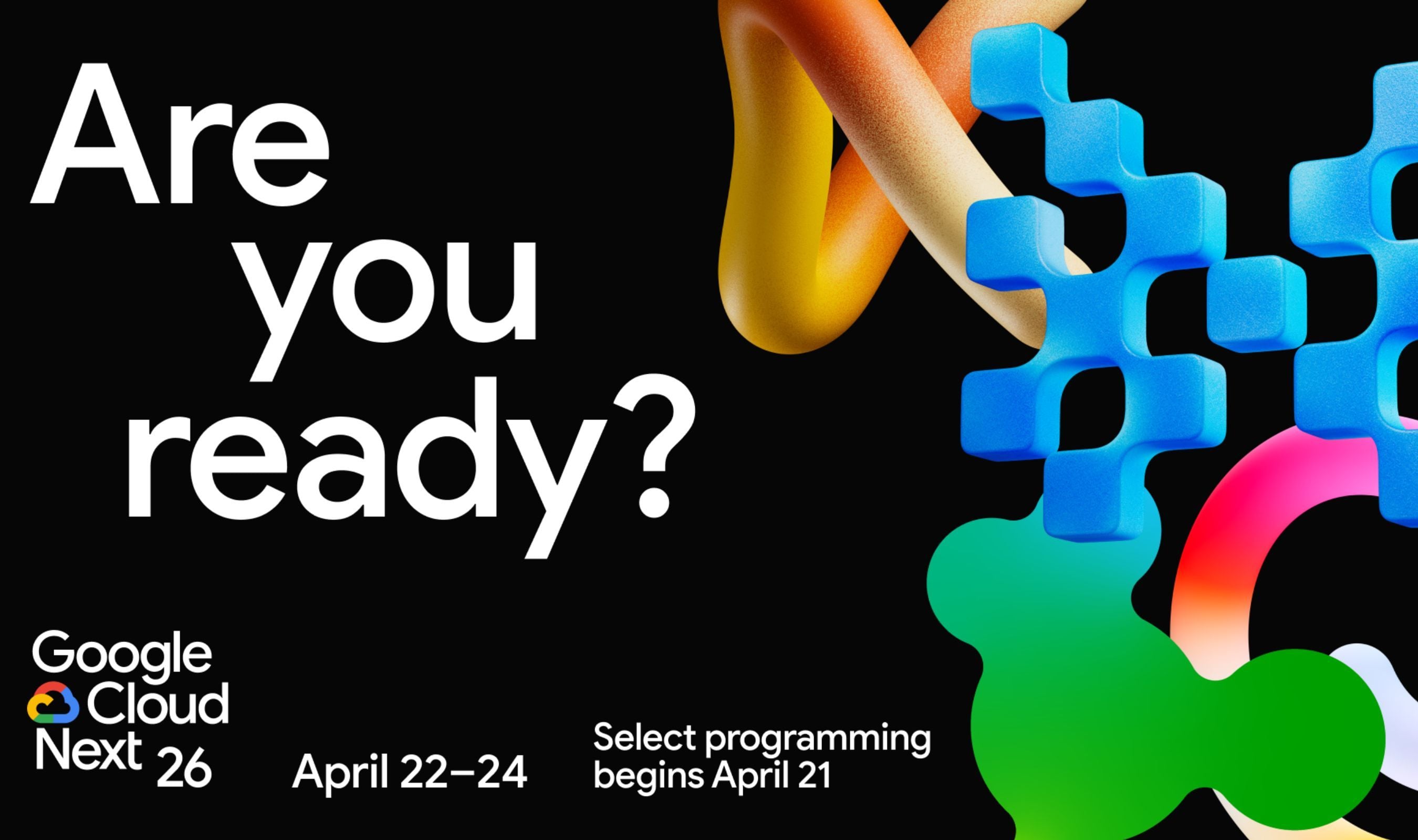
Google Cloud CEO Thomas Kurian takes the stage April 22 in Las Vegas for what will focus heavily on agentic AI capabilities. But beneath the expected announcements about Gemini expansions and performance improvements lies a more fundamental shift in how enterprise software functions.
Three major platform providers now target essentially the same architectural layer. AWS positions Bedrock with its Agents framework as the foundation for autonomous workflows.
Microsoft embeds Copilot throughout Azure and its 365 productivity suite. Salesforce builds Agentforce atop what it calls the world's largest customer relationship management dataset.
Each arrived at this position through different starting points but reached identical conclusions about where value accrues in enterprise AI deployments. The competition has moved beyond training infrastructure and model quality to focus on execution environments where agents operate across multiple applications.
"When agents become users, interfaces become features rather than products," notes analysis from SiliconANGLE.
This changes fundamental assumptions about software pricing, packaging, and competitive positioning across the SaaS market.
Technical requirements evolve alongside this shift. Long-running agent workloads demand different infrastructure profiles than batch processing operations that defined earlier cloud computing eras.
Networking and storage systems must accommodate persistent agent sessions rather than transient user interactions.
"The most successful AI projects aren't just 'AI projects'; they are business transformation projects," says Arun Sundaram, director of Google services and solutions at CDW. "Currently, the most effective alignment happens when organizations solve for access and control."
Recent Google Cloud platform updates reveal operational complexities emerging as agents handle more business processes. Fixes address issues like call transfers between virtual and human agents, accurate chat metric reporting, and proper session metadata categorization when workflows span multiple systems.
Companies building toward this execution layer over the next 24 months position themselves for what industry analysis identifies as the next phase of enterprise software evolution.
Those treating current developments as incremental feature additions risk finding their roadmaps obsolete within similar timeframes.
Kurian's keynote will showcase Google's latest AI capabilities, but the strategic implications extend far beyond any single product announcement or technical specification.