
A Tesla policy advisor told DC lawmakers Monday the automaker is building a wheelchair-accessible autonomous vehicle in Texas, but offered no timeline, no specs, and no launch date.
Senior policy advisor India Herdman made the statement during a DC City Council hearing on a bill that would allow robotaxi services to operate in the District. "We are in development for a purpose-built, wheelchair-accessible autonomous vehicle," Herdman said, according to WIRED, which first reported the comments. "That is an active product being built by Tesla in Texas."
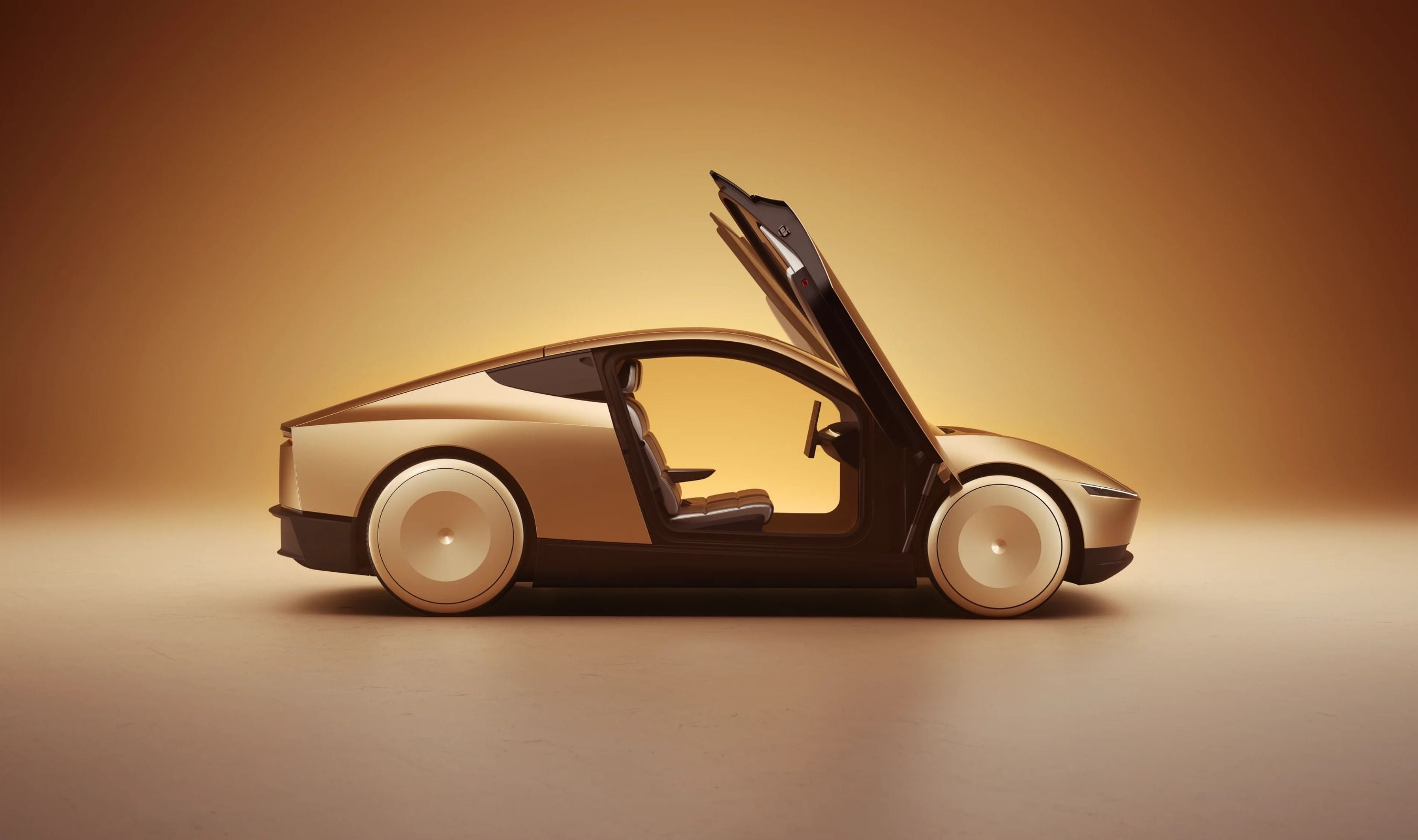
None of Tesla's current models can accommodate a wheelchair. The firm operates a small driverless fleet in Austin, Dallas, Houston, and as of this month, Miami, all using the Model Y, a compact SUV with no wheelchair access. The Cybercab, a two-seat vehicle with no steering wheel or pedals that Tesla has started building, isn't wheelchair accessible either.
The company highlighted the Cybercab's accessibility features in an X post this month, including braille lettering on controls and wheelchair-height seating for easier transfers, but a two-seater a passenger climbs into is not an accessible option. The automaker has hinted at accessible rides before.
An accessibility tab added to its Robotaxi app last fall reads "We are working on accessible rides," though it directs users to third-party providers rather than to its own service. When an X user posted about it, CEO Elon Musk replied, "Absolutely."
Tesla already has a model in its lineup that would make far more sense as a wheelchair-accessible platform than the two-seat Cybercab. At its "We, Robot" event in October 2024, the company unveiled the Robovan, a bus-sized, steering-wheel-free autonomous vehicle Musk said could carry up to 20 people or haul cargo.
A large, flat-floored van is the natural platform for a wheelchair ramp and securement system. But Tesla never gave the Robovan a price or a launch date, and Herdman did not confirm the accessible model is the Robovan.
No US robotaxi company currently offers fleetwide driverless, wheelchair-accessible rides. Waymo regional head of state and local policy Matt Walsh told the same DC hearing that his firm has not "been able to identify a platform that is fully wheelchair-accessible while also meeting the unique specifications to retrofit that vehicle with our technology."
He added: "Now, I don't want that to sound like a cop-out. We are trying to find that vehicle."
Herdman gave no indication of when the vehicle might arrive. The wheelchair-accessible robotaxi would mark the first time Tesla offers a product usable by wheelchair users without third-party adaptations.