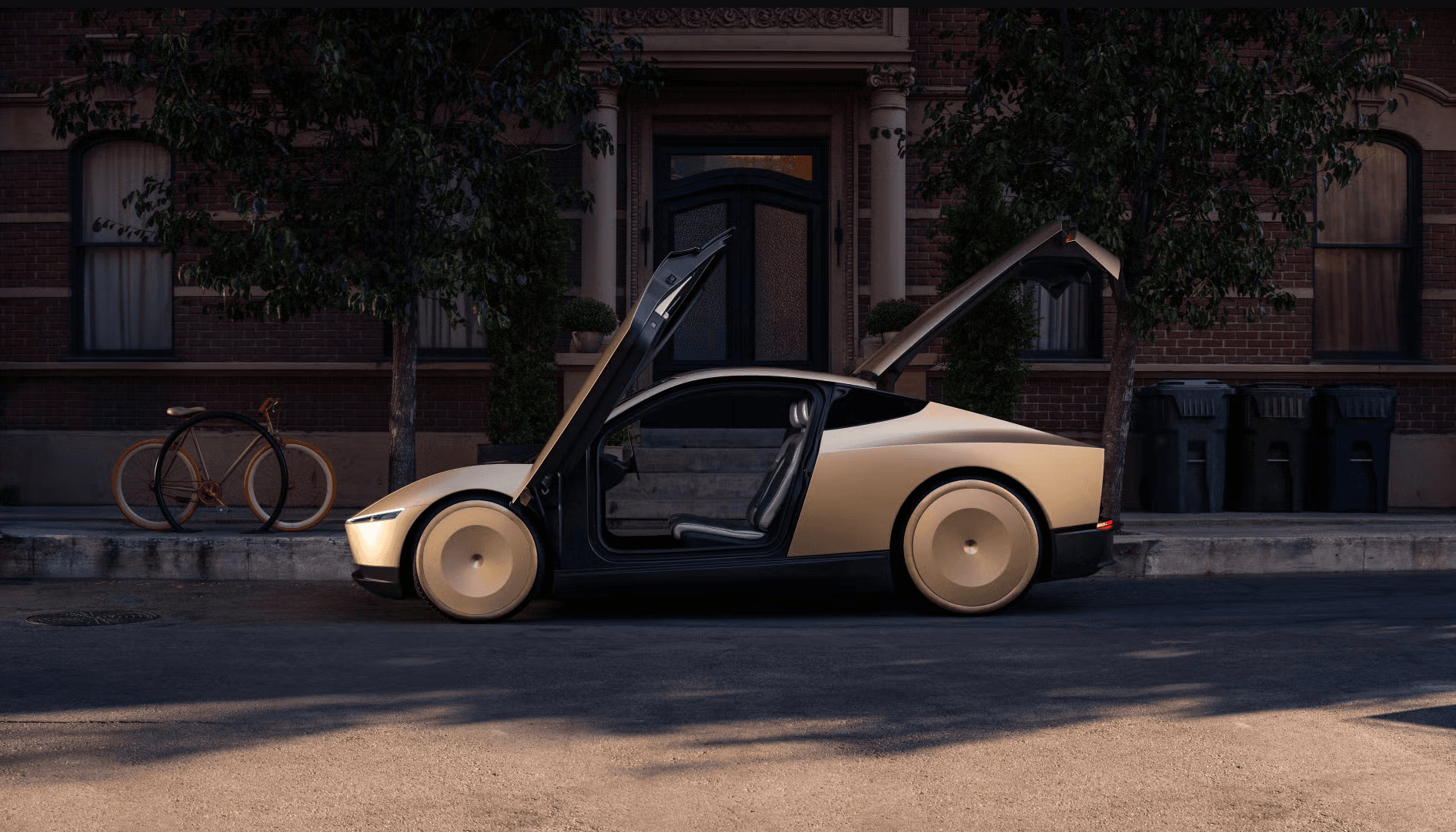
Tesla's long-awaited "Cybercab" robotaxi represents Elon Musk's boldest vision yet for autonomous transportation. Unveiled in October 2024 after years of speculation, this purpose-built autonomous vehicle promises to revolutionize ride-hailing with its steering wheel-free design and sub-$30,000 price target.
With production set to begin in April 2026 and Tesla already running driverless rides in Austin using Model Y vehicles, here's everything we know about Tesla's most ambitious project to date.
Quick Specs at a Glance
| Release Date | Production begins April 2026 |
| Price | Under $30,000 (target) |
| Seating Capacity | 2 passengers |
| Autonomy Level | Fully autonomous (no steering wheel or pedals) |
| Charging | Inductive (wireless) charging |
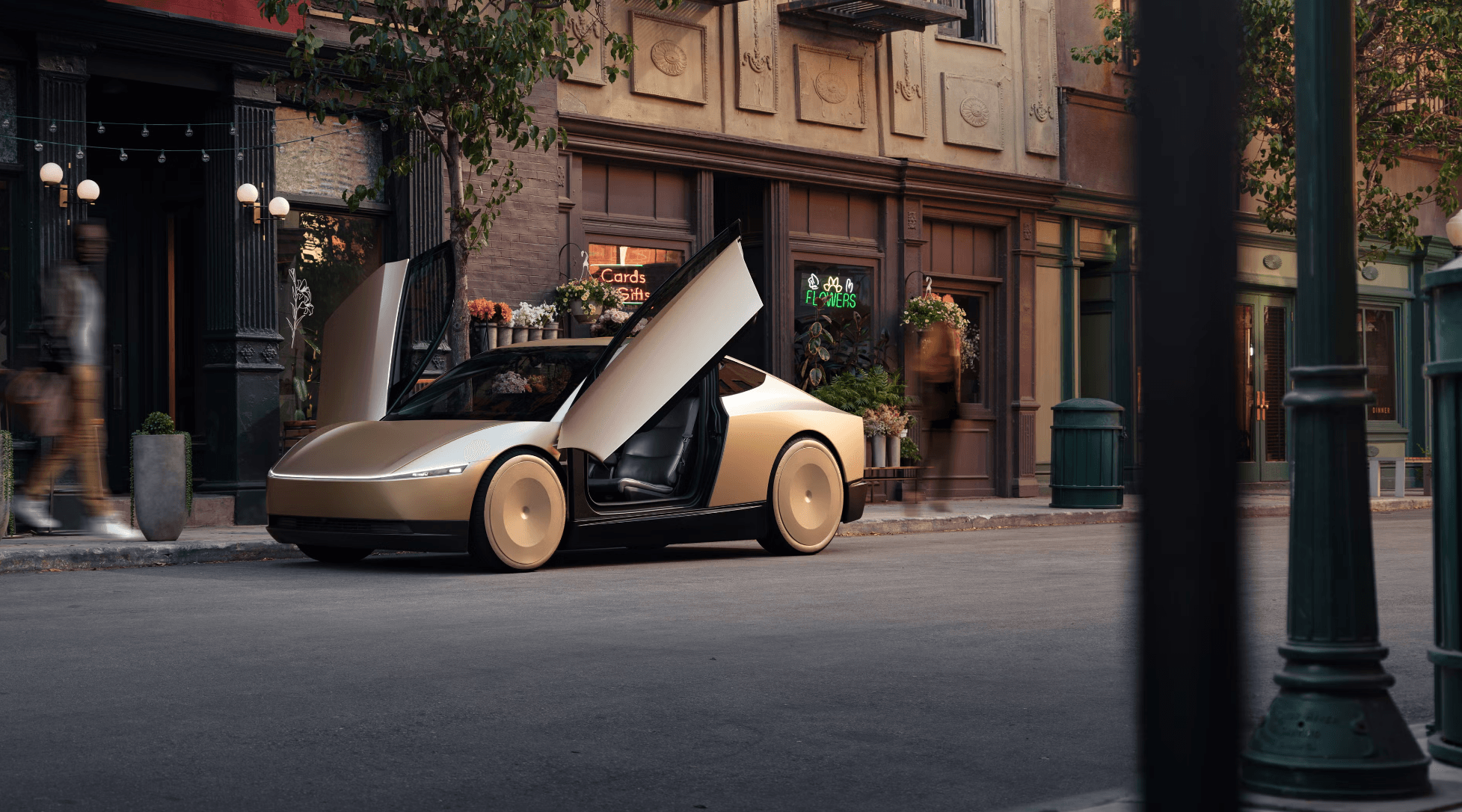
| Design | Gull-wing doors, coupe styling |
| Key Features | Purpose-built robotaxi, Tesla FSD technology, camera-based sensing |
Release Date and Availability
Tesla CEO Elon Musk confirmed during the October 2024 unveiling event that Cybercab production would begin in 2026. Multiple reports suggest Musk stated the vehicle would enter production "sometime in 2026" or "before 2027."
Tesla plans to use its "unboxed manufacturing process" for the first time with the Cybercab, aiming for production cycles as fast as 5 seconds per vehicle eventually. Current projections suggest the first Cybercabs could roll off production lines in under 10 seconds each, compared to 34 seconds for the Model Y.
Tesla's Austin robotaxi service has hit a major milestone. On January 22, 2026, Tesla launched driverless rides in Austin with no safety monitor inside the vehicle, using Model Y vehicles via the Tesla app. However, Electrek reported that the "unsupervised" vehicles were being closely followed by trailing Tesla cars with safety monitors inside, raising questions about how truly autonomous the service is. The unsupervised rides appeared to vanish about a week later, adding further uncertainty.
This existing Model Y-based service will likely transition to purpose-built Cybercabs once production reaches sufficient volume. Regulatory approval remains a significant hurdle for broader deployment.
Design and Display
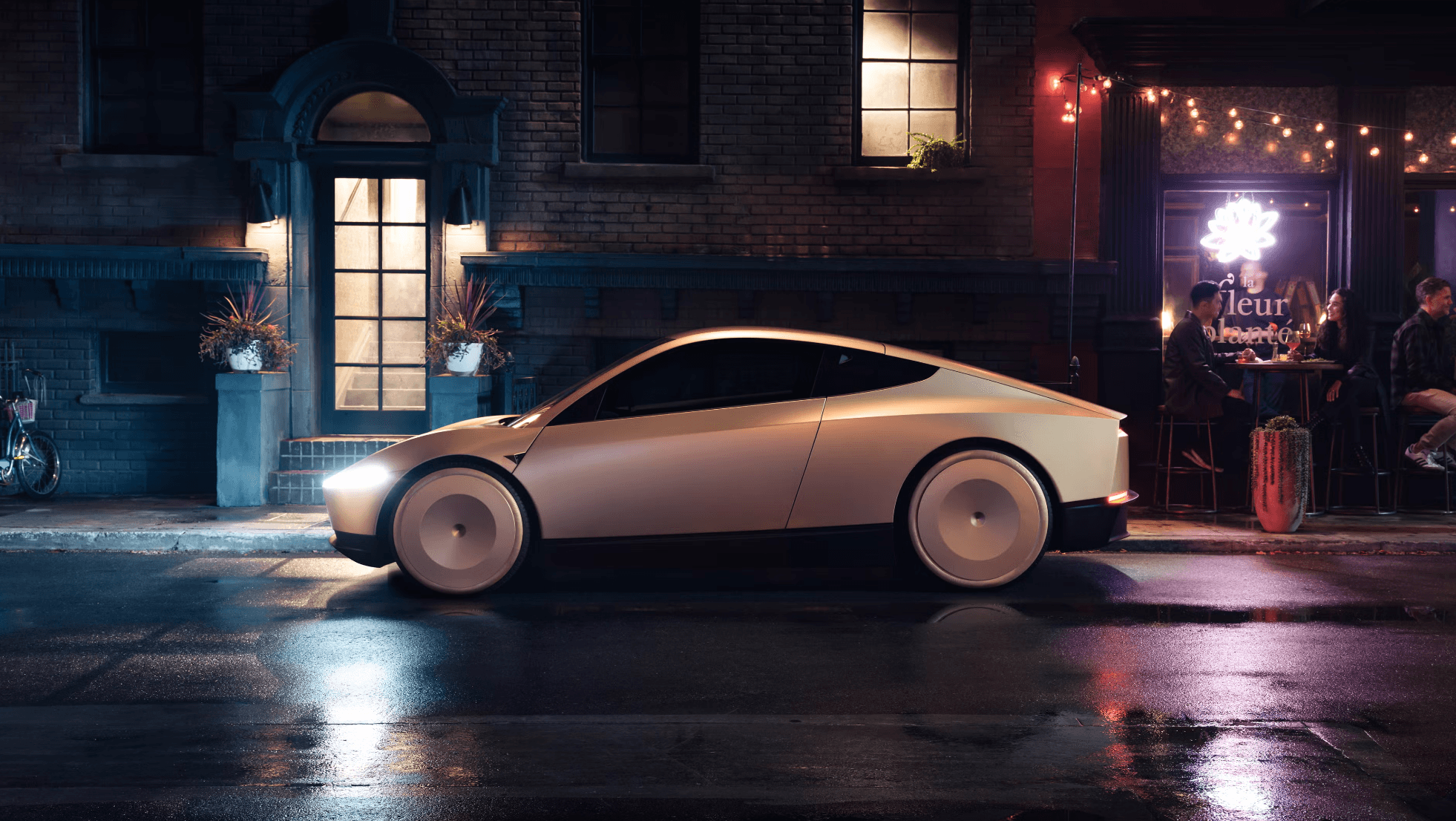
The Cybercab represents a radical departure from conventional automotive design.
As revealed at the October 2024 "We, Robot" event at Warner Bros. Studios in Burbank, California, the vehicle features a sleek, futuristic coupe design with gull-wing doors that open upward like butterfly wings.
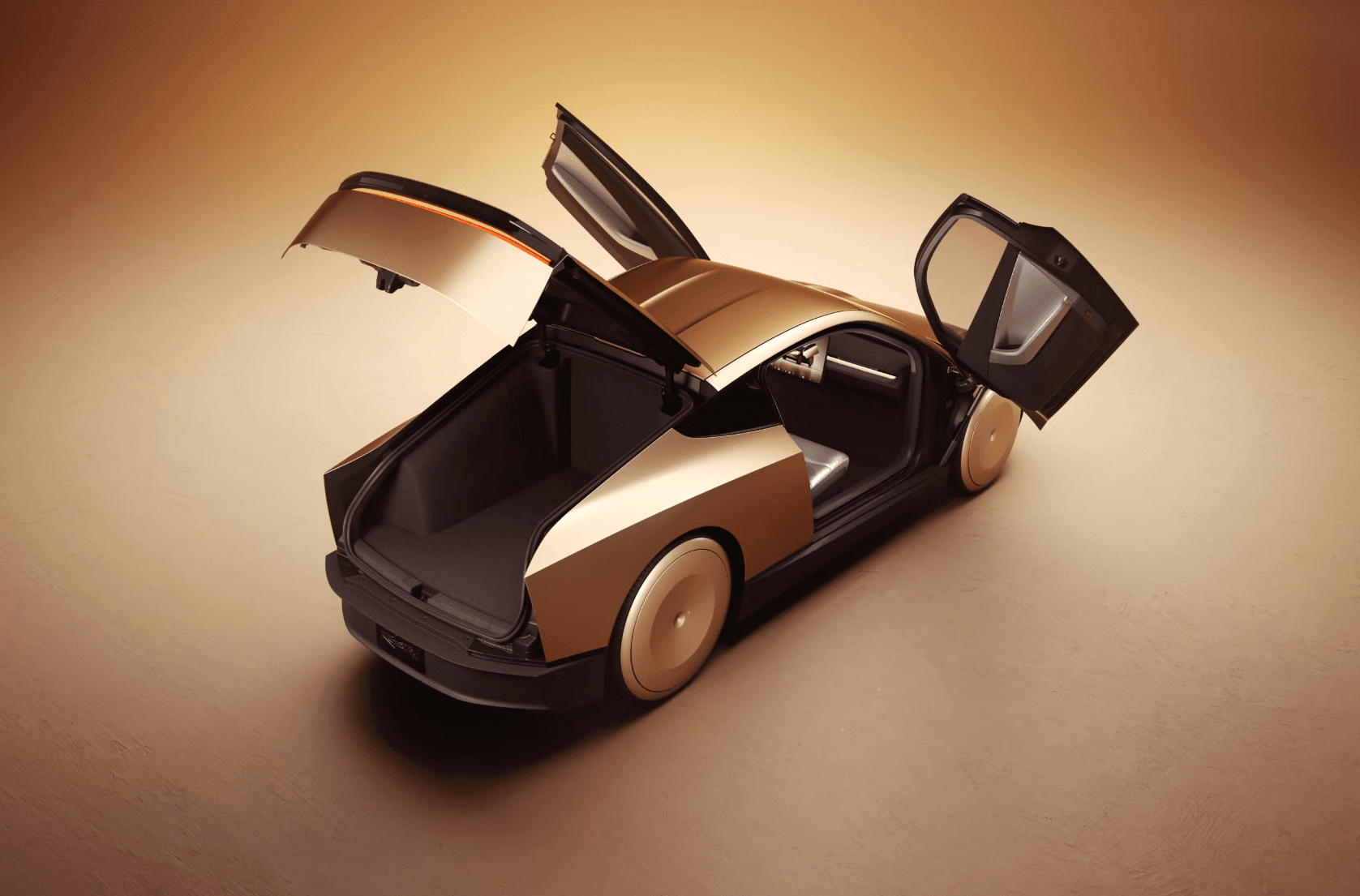
The Cybercab has no steering wheel or pedals, making it a true purpose-built autonomous vehicle. However, recent prototype sightings around Austin show vehicles with a driver at the wheel using pedals and rearview mirrors, raising questions about whether early production models might include manual controls for regulatory or testing purposes.
The interior is designed around the passenger experience rather than driving. Tesla has shown a minimalist cabin with seating for only two passengers, emphasizing the vehicle's role as an urban mobility solution rather than a personal car.
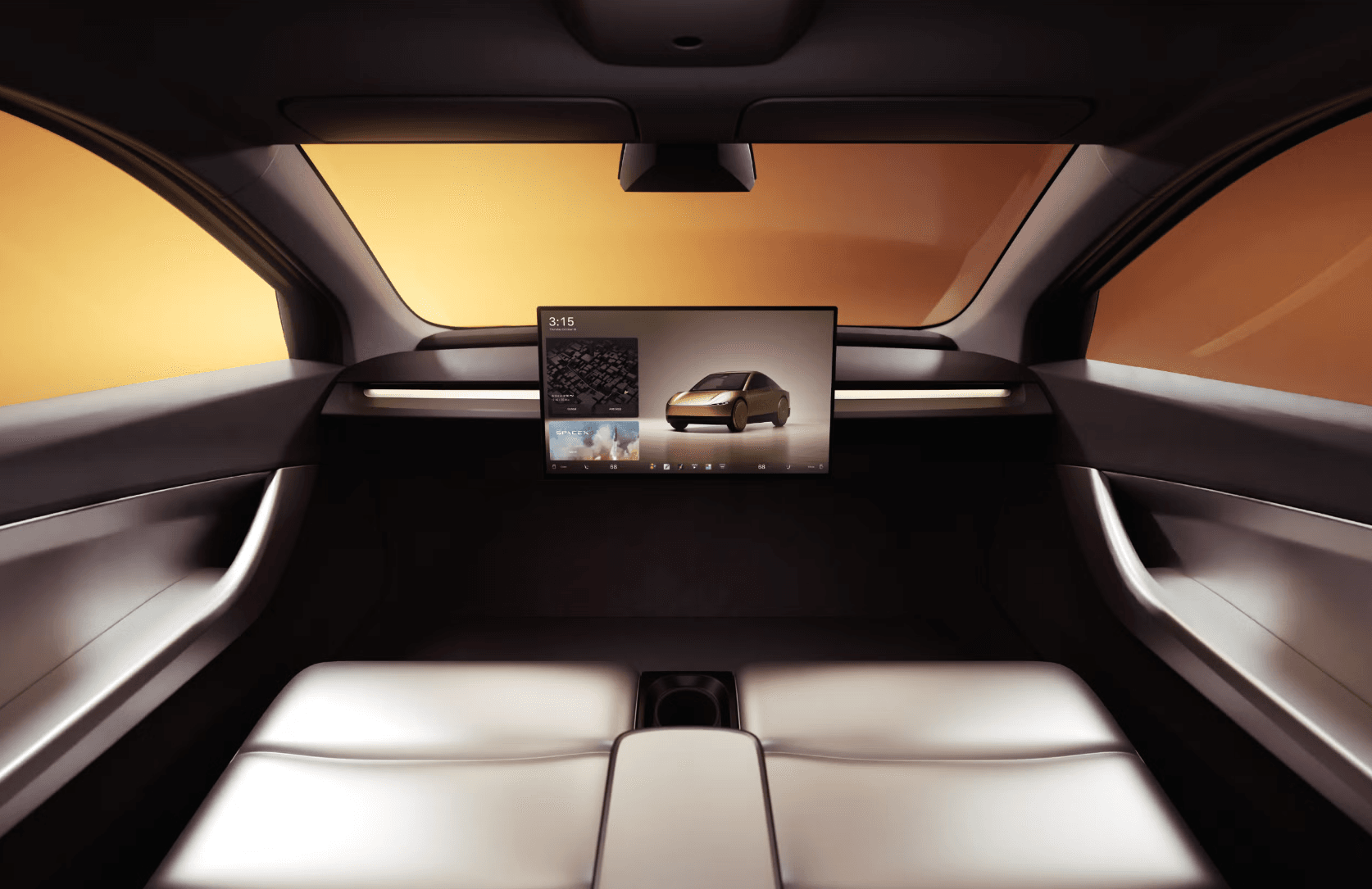
The vehicle lacks traditional charging ports, instead relying on inductive charging plates for wireless power transfer. Design elements appear to draw inspiration from Tesla's Cybertruck, with angular lines and a futuristic aesthetic.
The vehicle's compact dimensions suggest it's optimized for urban environments where parking and maneuverability are priorities.
Autonomous Technology and Performance
At the heart of the Cybercab is Tesla's Full Self-Driving (FSD) technology.
During the unveiling event, Musk claimed that autonomous vehicles would be "10-20 times safer than human-driven vehicles." This bold claim rests on Tesla's camera-based approach to autonomy, which differs from competitors like Waymo that use lidar sensors.
Musk explained that the Cybercab would rely on artificial intelligence and cameras rather than lidar, an approach that experts have flagged as challenging from both technical and regulatory standpoints.
University of Waterloo professor Krzysztof Czarnecki told CBC News that camera-only systems can make errors such as mistaking shadows for obstacles, potentially leading to sudden swerving.
Tesla has already deployed unsupervised Full Self-Driving in Model Y vehicles in Austin, Texas, with California expected to follow. This real-world testing serves as the proving ground for the technology before it's deployed in the purpose-built Cybercab.
The vehicle's performance specifications remain largely undisclosed. Tesla hasn't revealed details about range, acceleration, or top speed, focusing instead on the autonomous capabilities.
However, Musk did mention during the unveiling that operating costs would be around 20 cents per mile, significantly cheaper than traditional transportation options.
Charging and Battery Technology
One of the most distinctive features of the Cybercab is its charging system.
Unlike Tesla's other vehicles, the Cybercab uses inductive (wireless) charging rather than traditional charging ports. Musk stated the vehicle would
"have inductive charging rather than a plug," with efficiency reportedly "well above 90%."
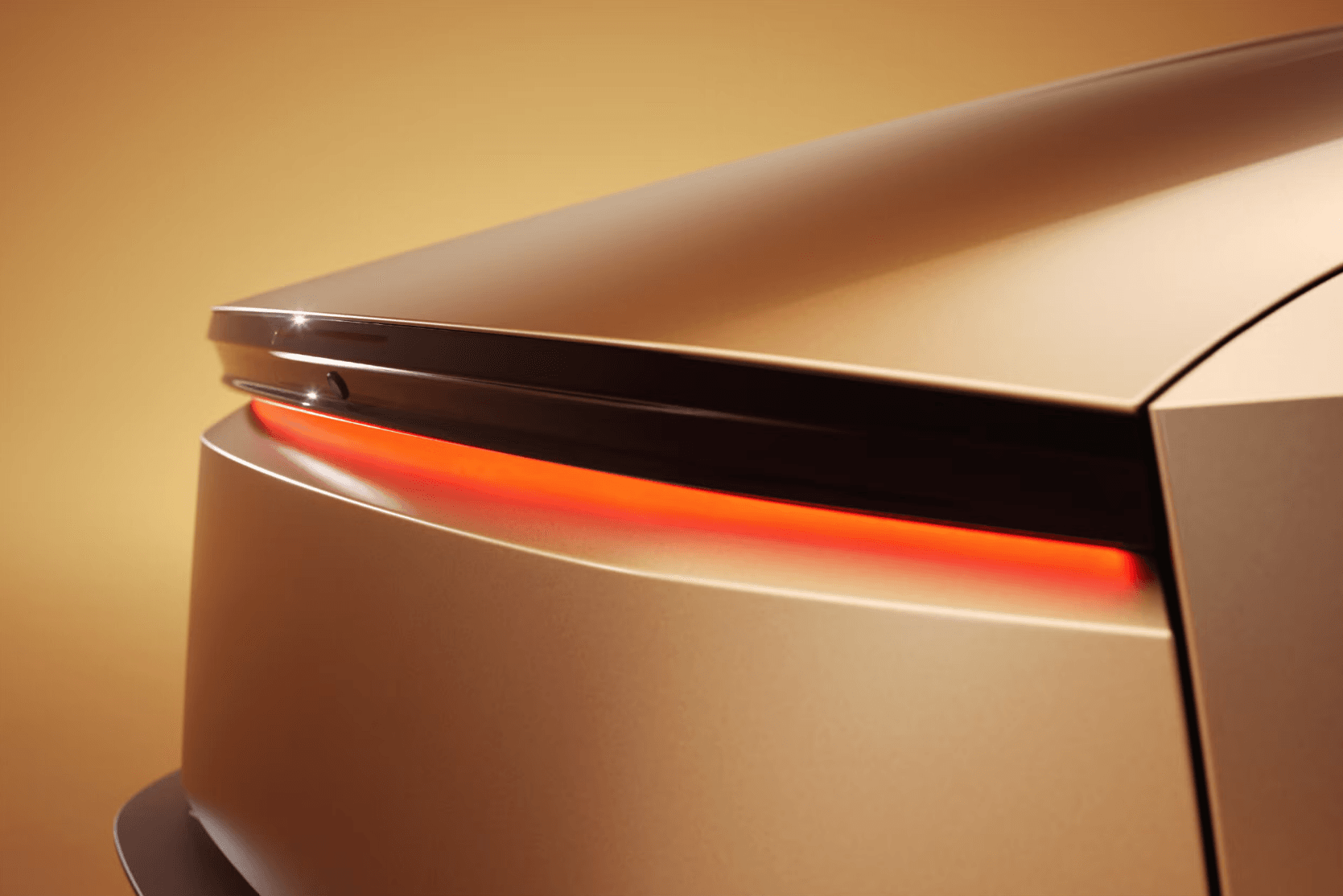
This wireless approach allows for automated charging without human intervention, which is crucial for a robotaxi fleet that needs to operate continuously. Vehicles could theoretically charge themselves by parking over charging plates at designated stations, maximizing uptime for ride-hailing services.
Battery capacity and range details haven't been officially released. However, given the vehicle's urban focus and two-passenger configuration, it likely uses a smaller battery pack than Tesla's consumer vehicles.
The compact size and weight reduction from eliminating traditional controls could contribute to energy efficiency. The inductive charging system represents Tesla's commitment to creating a fully autonomous ecosystem where vehicles can maintain themselves with minimal human involvement. This technology could eventually be deployed in charging pads at parking facilities, homes, and dedicated robotaxi depots.
Software and Autonomous Features
The Cybercab's software represents the culmination of Tesla's years of development on Full Self-Driving technology.
Musk stated during the unveiling that Tesla vehicles would move from "supervised Full Self-Driving to unsupervised Full Self-Driving, where you can fall asleep and wake up at your destination." This unsupervised operation is key to the Cybercab's value proposition.
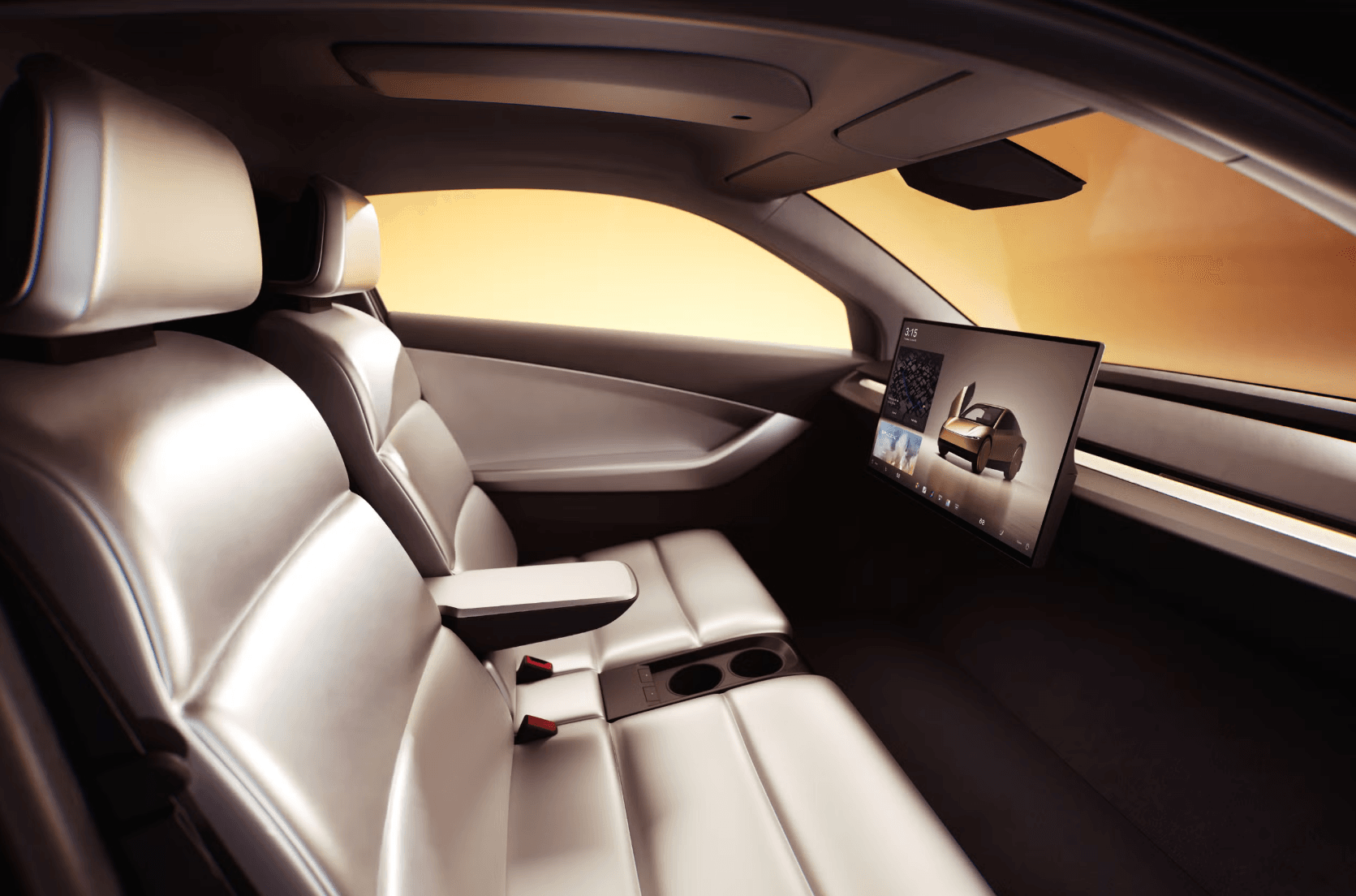
The vehicle is designed to operate entirely without human oversight, picking up passengers, navigating to destinations, and handling all driving tasks autonomously. Users will simply type their destination into an app, and the Cybercab will autonomously pick them up and transport them without a human driver.
Tesla has been testing unsupervised FSD at its Fremont factory, with Musk claiming that "thousands of Teslas are already using unsupervised FSD at the company's Fremont factory, performing reliably every day, thousands of times a day." This internal testing provides a foundation for public deployment.
The software will need to handle complex urban environments, including construction zones, pedestrian crossings, emergency vehicles, and adverse weather conditions. Regulatory approval will depend on demonstrating safety and reliability across these diverse scenarios.
Price and Value Proposition
Elon Musk set ambitious pricing targets for the Cybercab during the October 2024 unveiling. Multiple sources reported Musk's statement that the vehicle would cost "less than $30,000" (approximately £23,000 or A$44,500).
Some reports mention a target price of around $25,000. This pricing would make the Cybercab significantly more affordable than Tesla's current lineup and competitive with traditional ride-hailing services when considering total cost of ownership.
The value proposition extends beyond purchase price.
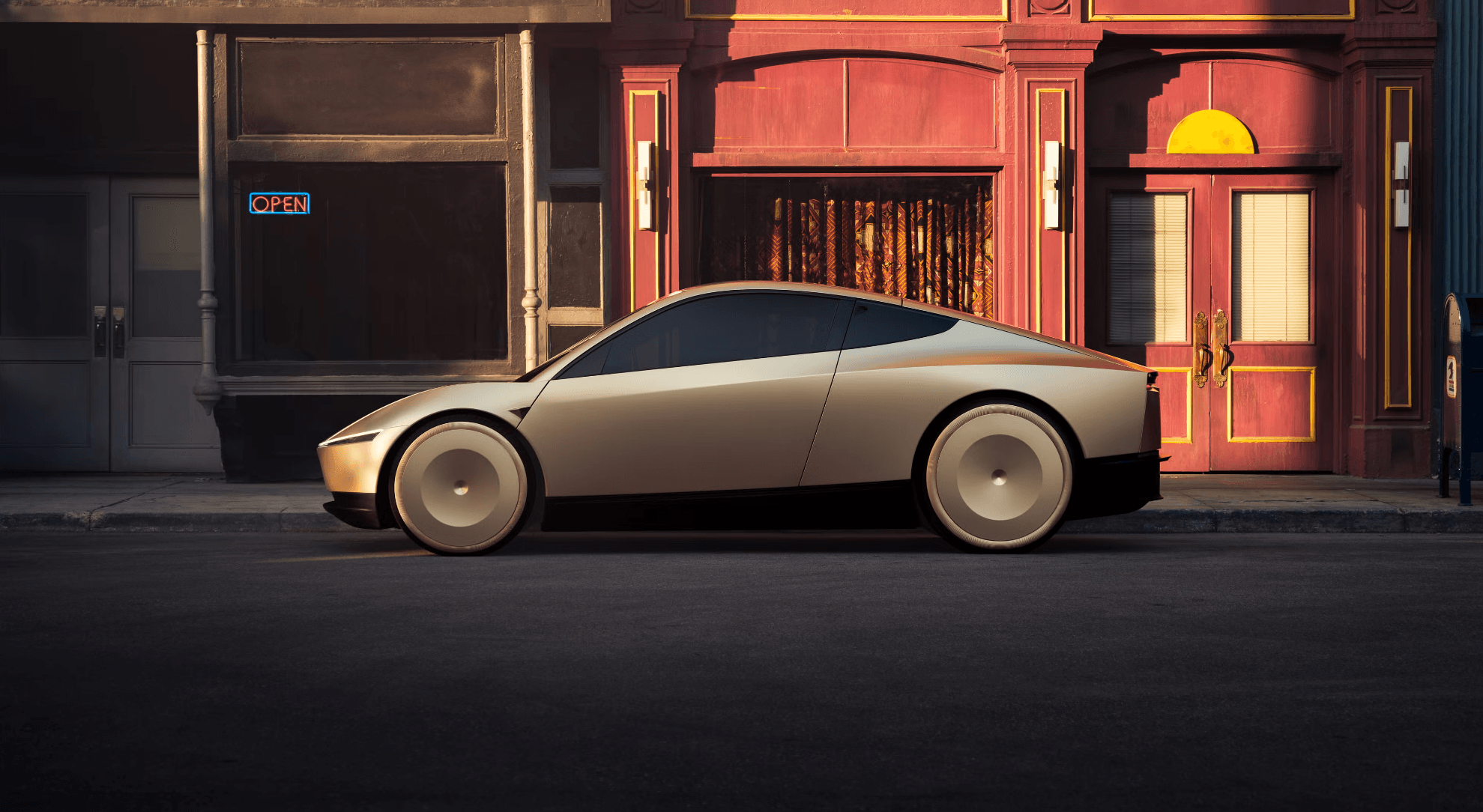
Musk claimed operating costs would be as low as 20 cents per mile, compared to approximately $1 per mile for city buses. This cost structure could make robotaxi services dramatically cheaper than current transportation options.
For consumers, the Cybercab represents an opportunity to access autonomous transportation without vehicle ownership.
For Tesla, it opens new revenue streams through ride-hailing services and vehicle sales to fleet operators.
Regulatory Challenges and Competition
The Cybercab faces significant regulatory hurdles before it can operate on public roads. As a fully autonomous vehicle without steering wheels or pedals, it represents a new category of transportation that regulators are still learning to address.
The vehicle will need approval from regulators before going into production.
This process involves demonstrating safety, reliability, and the ability to handle edge cases that human drivers navigate intuitively. Different jurisdictions have varying requirements, complicating nationwide or global deployment.
Tesla faces established competition in the autonomous vehicle space. Companies like Waymo (owned by Alphabet) and Cruise (GM's autonomous vehicle division) have been operating limited robotaxi services for years.
Tech journalist Kara Swisher commented
"I ride the Waymo every time I go into San Francisco for a long time now... there is stuff on the road right now that's working."
These competitors use different technological approaches, often incorporating lidar and more extensive sensor suites than Tesla's camera-focused system. They've also accumulated millions of miles of real-world testing data, giving them an experience advantage.
Regulatory approval timelines remain uncertain.
Gene Munster of Deepwater Asset Management noted that while Tesla's FSD technology might be "97% of the way there," reaching the safety levels regulators require is exponentially more difficult.
"To go from 95 or 97% to 99% is really hard," he said, noting that regulators will likely demand "well above 99%" reliability.
Should You Wait or Consider Alternatives?
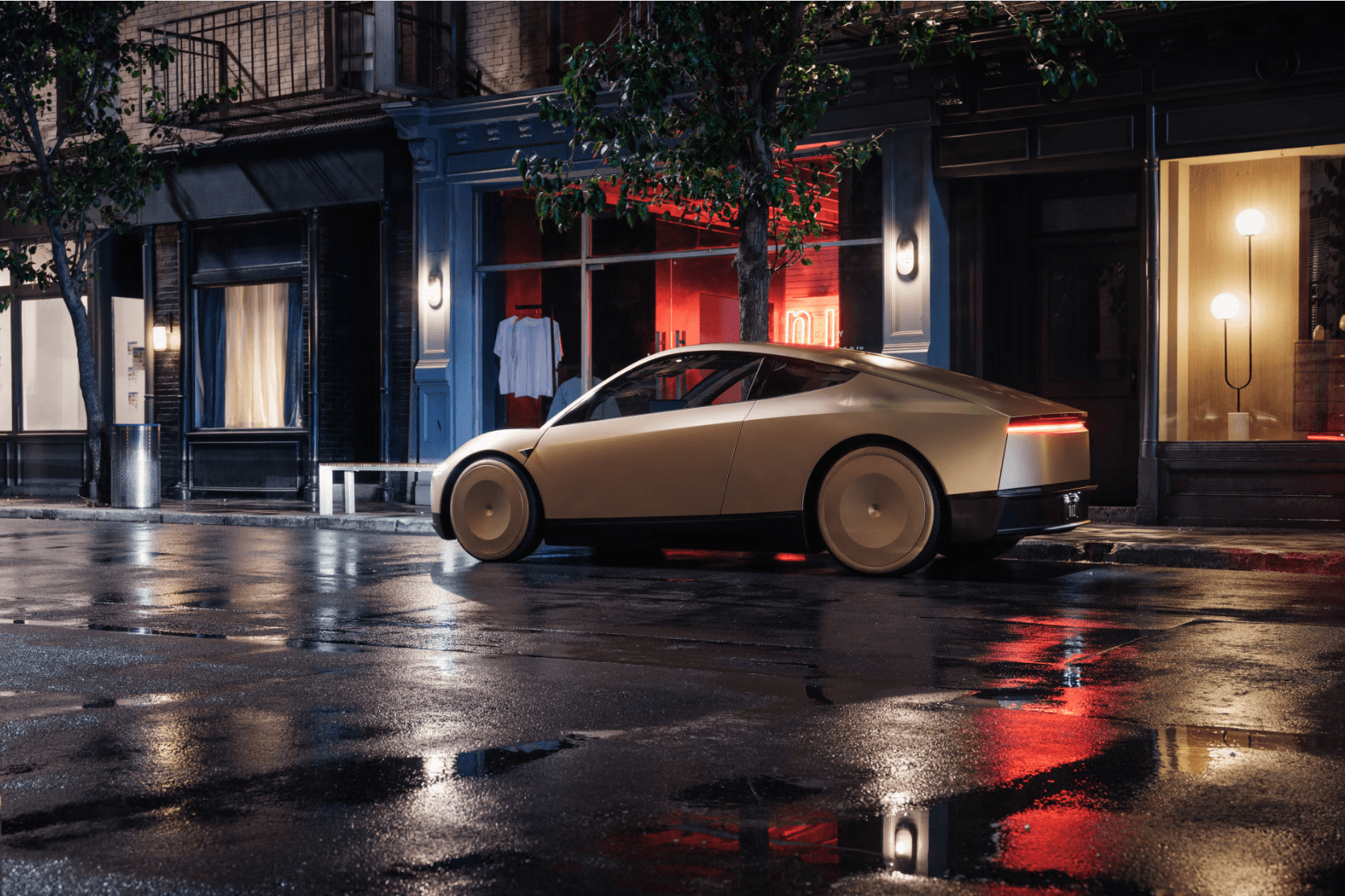
For consumers excited about autonomous transportation, the Cybercab represents a potentially transformative technology. However, several factors suggest a cautious approach.
If you live in an urban area where Tesla plans early deployment (likely starting with Austin and expanding to other approved markets), the Cybercab could provide convenient, affordable transportation within the next few years. The projected 20-cent-per-mile operating cost would make it competitive with car ownership for many urban dwellers.
For those considering a Tesla with Full Self-Driving capability, Tesla is already offering unsupervised autonomous rides in Austin via Model Y. These vehicles retain manual controls for situations where autonomy isn't available or approved, giving buyers more flexibility than the Cybercab's no-steering-wheel design.
Competitors like Waymo already offer limited robotaxi services in specific markets.
If you live in an area served by these companies, you can experience autonomous transportation today rather than waiting for Tesla's rollout. The Cybercab's success depends on regulatory approval, technological maturity, and manufacturing scalability.
Given Musk's history of optimistic timelines and the complexity of autonomous systems, delays beyond the announced 2026 production start are possible.