Updated July 13, 2026: Microsoft has confirmed Windows 11 version 26H2 as its major update for the second half of 2026. Credible roadmap reporting says Windows 12 is not planned for this year.
Microsoft has not announced Windows 12, assigned it a release date, or identified a codename for it. The clearest public roadmap milestone is Microsoft's announcement of Windows 11 version 26H2 for the second half of 2026.
According to Zac Bowden of Windows Central, Microsoft has no plan to release Windows 12 in 2026. Bowden does not expect a product carrying that name before 2027 at the earliest, and even that is not a prediction of a 2027 launch.
Bowden reports that Microsoft has discussed internally whether it could eventually turn to the Windows 12 name if it cannot repair Windows 11's reputation. That conversation is not an approved product or roadmap commitment. Earlier Windows Central reporting used Hudson Valley for Microsoft's 2024 Windows update, not an unannounced Windows 12 release.
Windows 12 at a Glance
| Product Status | Not announced by Microsoft (confirmed current status) |
| Release Date | No date announced; 2027 is the earliest possible year in one report (reported, unconfirmed) |
| 2026 Windows Update | Windows 11 26H2 in the second half of 2026 (confirmed) |
| Next Platform Update | Windows 11 27H2 in the second half of 2027 (reported, unconfirmed) |
| Codename | No verified Windows 12 codename; Hudson Valley covered the 2024 update (reported) |
| Price | No credible price or upgrade information (unconfirmed) |
| Features | No Windows 12 feature set announced (confirmed current status) |
| Hardware Requirements | No Windows 12 requirements announced (confirmed current status) |
The 2026 Launch Reports Do Not Hold Up
The best available roadmap reporting rules out Windows 12 in 2026. Bowden attributes that conclusion to contacts familiar with Microsoft's Windows plans. Microsoft has not issued an explicit statement saying Windows 12 will not launch, but its announced 2026 client roadmap remains centered on Windows 11.
Bowden's reference to 2027 as the earliest possible year needs similar caution. It establishes only the first year in which he believes Microsoft might use the Windows 12 name, not an expected release year. No release year has been confirmed.
What Microsoft Is Shipping Instead
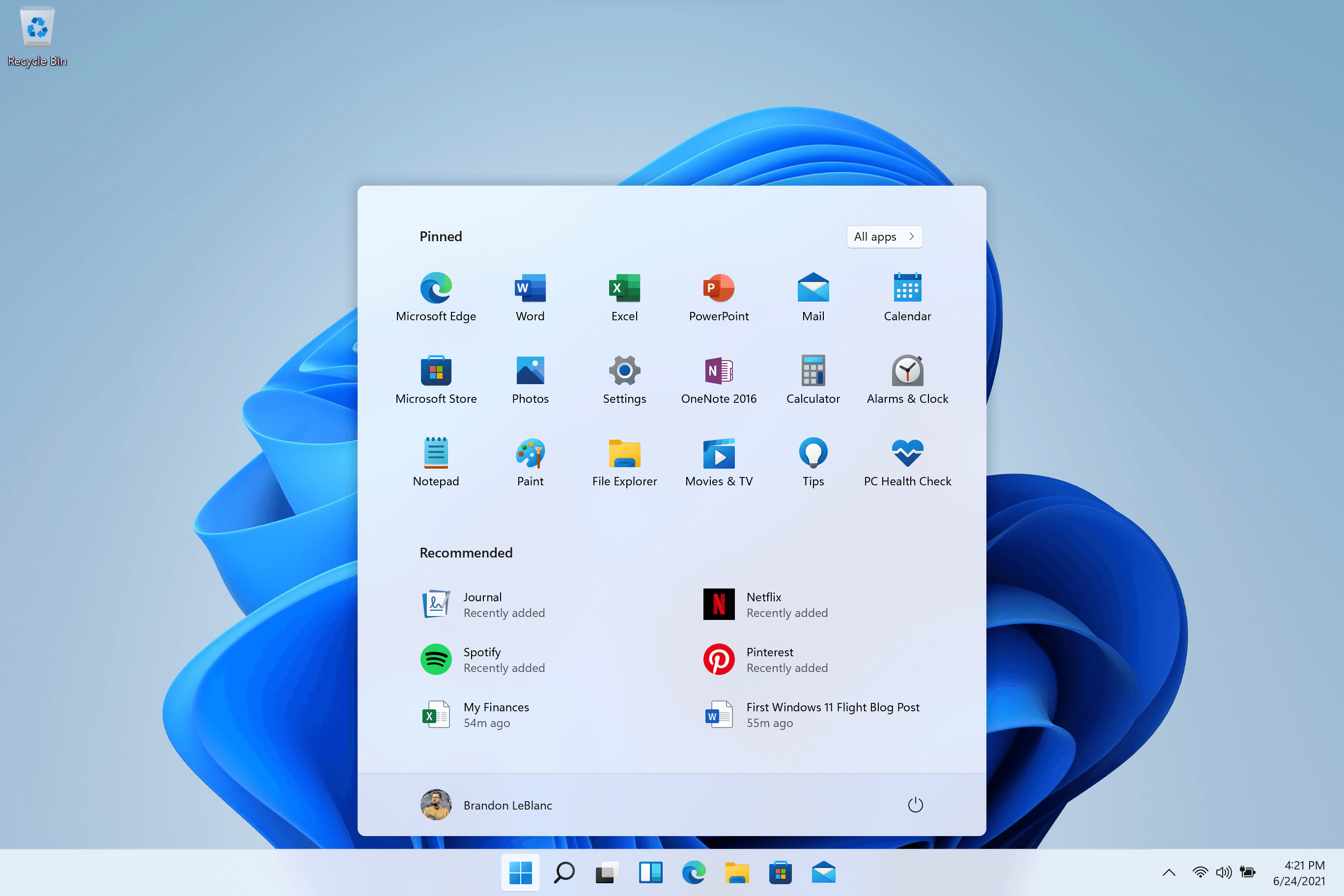
Microsoft documents an annual Windows 11 feature-update cadence, with releases arriving in the second half of each calendar year. That makes the former claim about a restored three-year major-version cycle unsupported.
- Windows 11 26H2 Microsoft says the update shares the Windows 11 25H2 servicing branch and will arrive through an enablement package requiring one restart.
- Windows 11 26H1 devices Microsoft says these devices cannot update directly to 26H2 because the releases use different Windows cores. They will receive a path to a future Windows release, which Microsoft has not named Windows 12.
- The 2027 platform release Zac Bowden of Windows Central reports that the next broadly deployed Windows platform is expected with Windows 11 27H2 in the second half of 2027. Bowden reportedly expects the platform likely underpinning 27H2 to carry the Strontium codename and reach completion in the first half of 2027. He also reportedly associates the current early builds with Krypton.
The 29500-series preview builds test platform changes, but Microsoft has not matched them to a particular commercial release. Neither those builds nor the expected Windows 11 27H2 release establishes that Windows 12 is in testing.
Hudson Valley Was a 2024 Project
Hudson Valley is not a credible Windows 12 codename. In 2023, Windows Central described Hudson Valley as Microsoft's 2024 client update built on the Germanium platform. Its final Windows 11 or Windows 12 branding was reportedly undecided at that time, but Microsoft ultimately released the work as Windows 11 version 24H2.
That reporting also connected Hudson Valley with concepts such as the timeline-style Recall feature, natural-language search, Super Resolution, and enhanced Live Captions. Those ideas belonged to the 2024 Windows development cycle and must not be recycled as leaks about a future Windows 12.
CorePC was another separate effort. According to Windows Central, the 2023 modular-Windows project explored configurable editions, different levels of legacy-app compatibility, and state-separated read-only partitions. Bowden's March 2026 report says CorePC is now likely scrapped, with no known CorePC product planned for 2026 under Windows 12 branding or any other name.
No Windows 12 Feature Set Has Been Announced
Microsoft has not announced a Windows 12 interface, AI system, modular architecture, gaming upgrade, ARM strategy, ecosystem integration, or support lifecycle. Assigning current Windows 11 work to Windows 12 would turn unrelated development into an unsupported product roadmap.
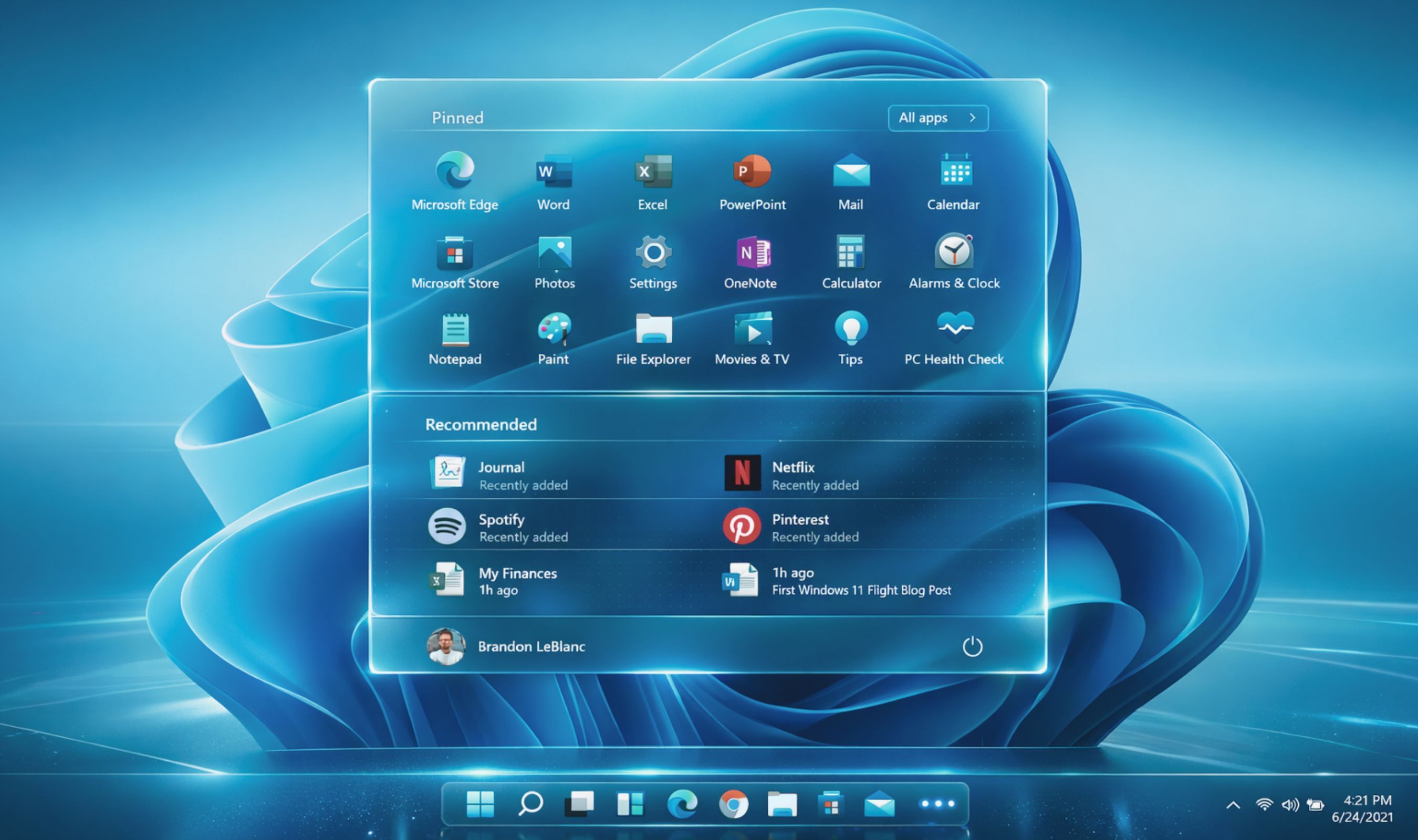
- Interface concepts Bowden reports that the radically redesigned desktop widely circulated as Windows 12 began as a 2022 internal concept that was never approved to ship. Third-party designs are creative proposals, not leaks from Microsoft's roadmap.
- Windows 11 previews According to Windows Central, features being tested for Windows 11 26H2 include optional Ask Copilot search, a smaller movable taskbar, a more configurable Start menu, an option to disable web results in Windows Search, and a modern optional Run dialog.
- Preview limitations The Windows 11 features remain in testing and may change or disappear before release. Their presence in Insider builds does not make them Windows 12 features.
There is equally no reliable basis for claiming that Windows 12 will be called Windows AI or Windows Copilot. Those names have not appeared in a credible branding report.
Project Aion Is a Separate Experiment
A leaked 2024 incubation project named Aion offers a glimpse at Microsoft's experimental AI operating-system work, but it is not Windows 12. Zac Bowden of Windows Central reports that Aion reached a functional prototype stage and could operate over Windows or Android, although its current status is unknown.
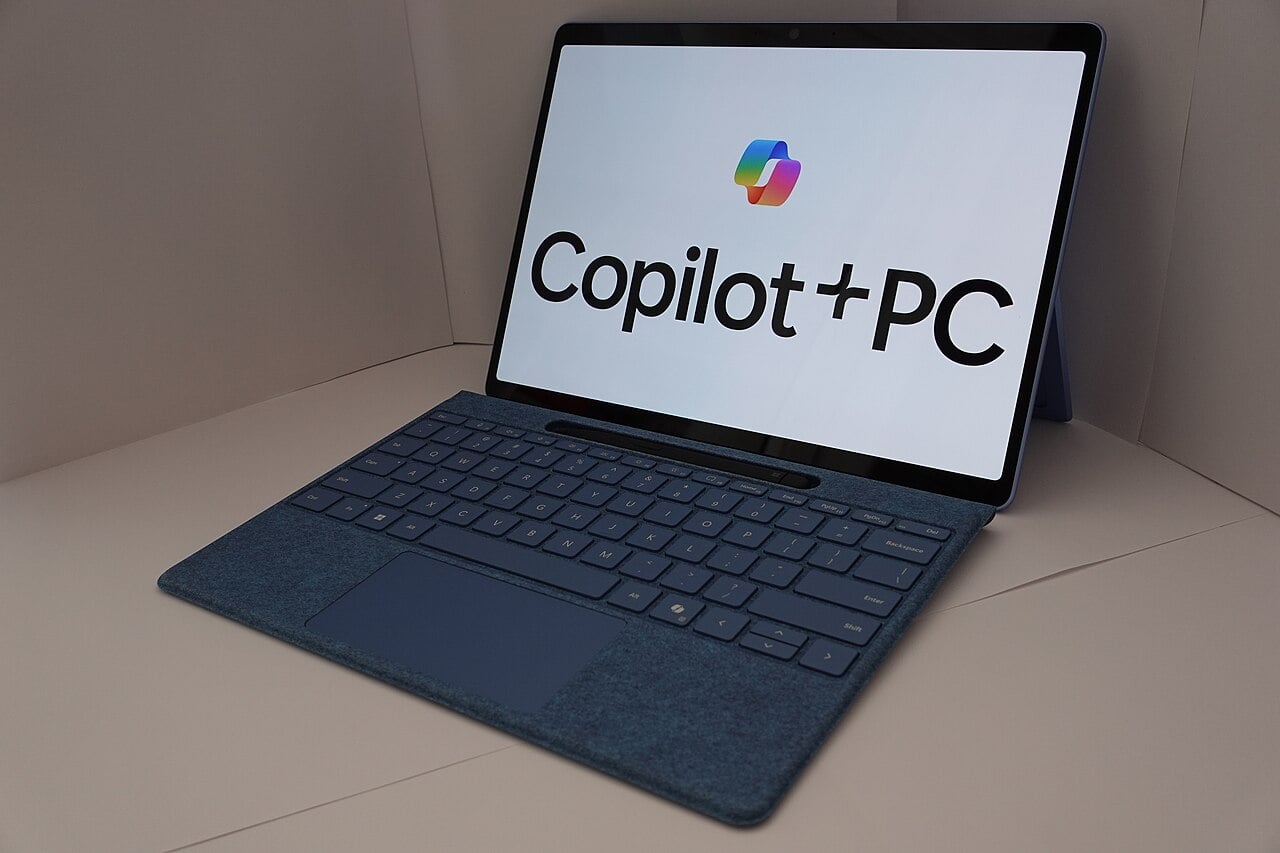
The prototype used an Edge-derived shell with a Copilot-centered Start interface, web apps in floating windows, and AI-curated Spaces. It relied on Windows 365 to provide legacy desktop applications rather than running those programs directly within the lightweight shell.
Bowden says it is unclear whether Aion was ever intended to ship or remain an internal experiment. Its existence therefore provides background on Microsoft's experimentation, not evidence for Windows 12's name, interface, release date, or feature set.
Pricing and Requirements Remain Unknown
No credible Windows 12 price has been reported. Zac Bowden of Windows Central reports that PCWorld retracted the March 2026 story that revived subscription claims because it lacked sources or attribution and failed the publication's standards.
- Price and editions There is no reliable information about a paid or free upgrade, mandatory subscription, premium AI tier, ad-supported edition, or Windows 12 edition lineup.
- Current Windows 11 minimums Microsoft Support lists 4GB of RAM, 64GB of storage, UEFI with Secure Boot capability, and TPM 2.0. Microsoft has not carried those requirements forward to Windows 12.
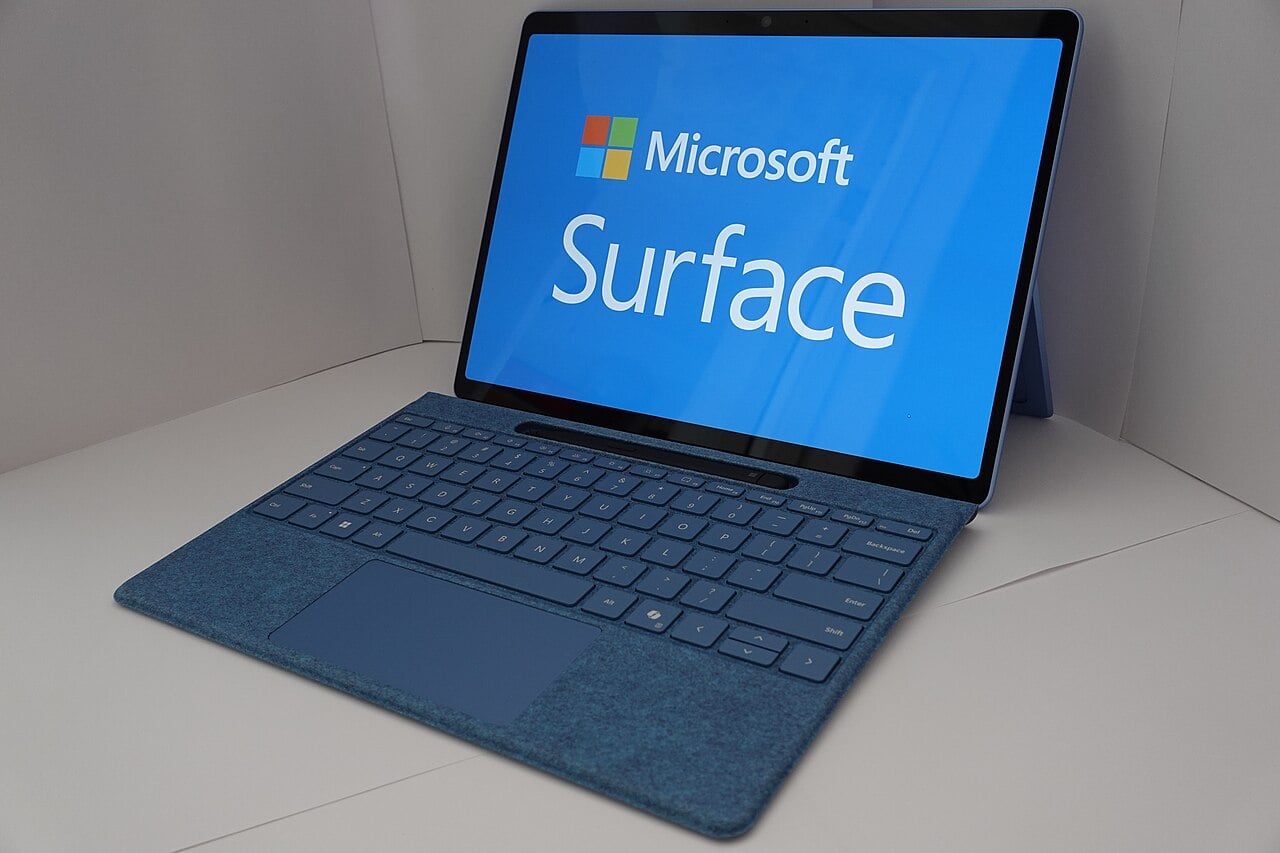
- Copilot+ PC specifications Microsoft requires a 40-TOPS NPU, 16GB of RAM, and 256GB of storage for the existing Copilot+ PC hardware class running Windows 11 24H2 or newer. These are not Windows 12 minimum requirements.
The published Windows 11 and Copilot+ figures cannot be used as a Windows 12 compatibility forecast. Microsoft has announced no Windows 12 compatibility policy for x86, ARM, or any other hardware platform.
Should You Wait for Windows 12
There is no announced Windows 12 product to wait for in 2026. Microsoft's confirmed path for the year is Windows 11 26H2, while the next broadly deployed platform release is reportedly expected under Windows 11 27H2 branding in the second half of 2027.
If you need a PC now, evaluate it against Windows 11 requirements and the applications you use. Consider Copilot+ specifications only if you want features tied to that existing Windows 11 hardware class, not because of an assumed Windows 12 requirement.
Anyone keeping an existing Windows 11 PC can follow Microsoft's normal update path instead of buying around unverified leaks. A Windows 12 purchasing decision will become practical only after Microsoft confirms the product, compatibility rules, and upgrade terms.
Where Windows 12 Actually Stands
Windows 12 remains an unannounced name rather than a confirmed operating system with a release plan. The dependable conclusions are limited.
- Windows 12 is not planned for 2026 according to the best current roadmap reporting.
- 2027 is only the earliest possible point identified by Bowden, not a confirmed or expected launch year.
- Hudson Valley, CorePC, Project Aion, Copilot+ requirements, and Windows 11 26H2 features are not Windows 12 specifications.