
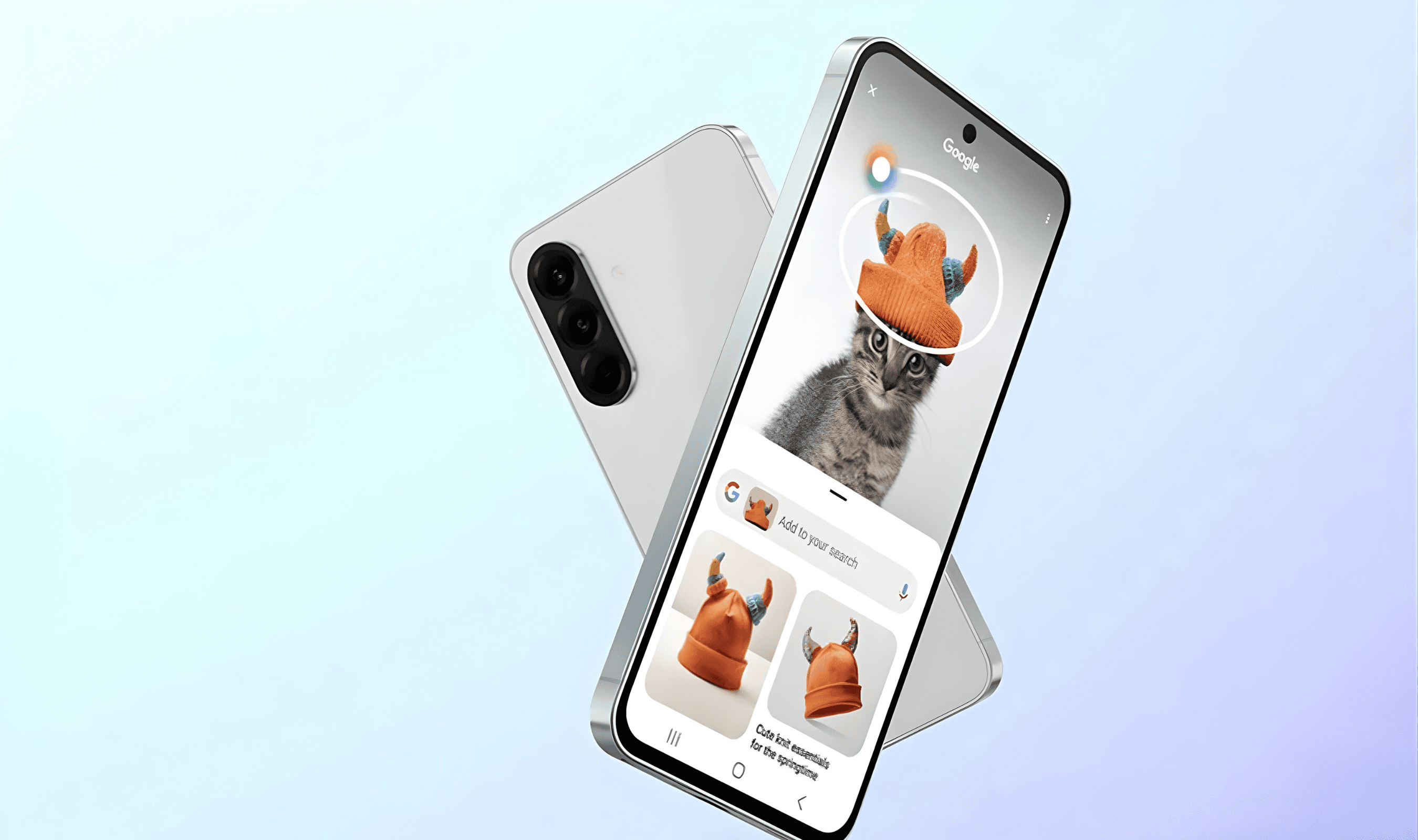
Google's Pixel 10a and Samsung's Galaxy A57 will compete directly in the mid-range smartphone market starting February 2026. Both devices target budget-conscious buyers seeking flagship-like experiences without premium pricing.
Samsung's Galaxy A57 specifications surfaced through TENAA certification this week, revealing a 6.6-inch FHD+ display measuring 161.5 x 76.8 x 6.9mm. The device weighs 182 grams and features a 5,000mAh battery with 45W fast charging support.
The Galaxy A57 camera system reportedly includes a 50MP primary sensor paired with a 12MP or 13MP ultra-wide camera and 5MP macro lens, according to leaks. A 12MP front-facing camera handles selfies and video calls. Samsung will offer the device exclusively with 256GB storage paired with either 8GB or 12GB RAM configurations.
Powering the Galaxy A57 is Samsung's unannounced Exynos 1680 chipset, an octa-core processor with tri-cluster architecture reaching speeds up to 2.9GHz. The display supports 16 million colors, suggesting AMOLED technology, while security features include an in-display fingerprint sensor and facial recognition.
Google's Pixel 10a reportedly launches alongside Samsung's devices in February, though exact specifications remain undisclosed. Both the Pixel 10a and Galaxy A57 will compete at similar price points, while Samsung's Galaxy A37 will undercut them by approximately $100.
The mid-range smartphone segment intensifies as manufacturers balance premium features against cost constraints. Samsung's Galaxy A57 represents a significant upgrade over previous A-series models with its sub-7mm profile and enhanced charging capabilities.
Market conditions in early 2026 may push both Google and Samsung toward slight price increases compared to previous generations. All three devices aim to capture consumers seeking smooth daily performance without flagship pricing.
TENAA certification typically precedes Chinese market launches by several weeks, suggesting Samsung will announce the Galaxy A57 globally in February. Google traditionally unveils its Pixel A-series devices during spring launch events.
The competitive landscape highlights manufacturers' focus on delivering premium display technology, camera systems, and charging speeds to mid-range segments. Both companies face pressure to differentiate their offerings while maintaining accessible pricing.
Samsung's decision to standardize 256GB storage across Galaxy A57 variants addresses growing consumer demand for media storage capacity. The inclusion of 45W fast charging brings mid-range devices closer to flagship charging standards established in recent years.
Industry analysts note the timing aligns with typical smartphone refresh cycles, as manufacturers prepare for back-to-school and holiday shopping seasons. The February-March window allows both companies to establish market presence before summer product launches.
Camera performance remains a key battleground, with Samsung emphasizing its triple-lens system while Google's Pixel A-series traditionally leverages computational photography advantages. The Galaxy A57's 50MP primary sensor represents a significant upgrade from previous A-series models.
Battery technology continues evolving in mid-range segments, with Samsung's 5,000mAh capacity matching premium device standards. The 45W charging capability represents a notable improvement over previous A-series charging speeds.
Display quality represents another competitive frontier, as Samsung leverages its AMOLED manufacturing expertise while Google typically employs high-quality LCD or OLED panels in Pixel A-series devices. The Galaxy A57's 16 million color support suggests vibrant color reproduction.
Pricing strategies will determine market success, with Samsung positioning the Galaxy A37 as an entry point approximately $100 below the A57. Google's Pixel 10a pricing will likely mirror previous A-series positioning relative to flagship models.
Retail availability is expected by late February or early March, according to industry reports. Component shortages that affected previous generations appear resolved for 2026 launches.
The mid-range smartphone market represents the largest volume segment globally, driving intense competition between manufacturers. Both Google and Samsung seek to capture market share from Chinese competitors while maintaining profitability margins.
Software support represents another differentiation point, with Google typically offering longer Android update commitments for Pixel devices. Samsung has improved its update policies in recent years, though Pixel devices maintain an advantage in update speed.
Early 2026 launches position both companies for strong first-half performance, as consumers refresh devices purchased during pandemic-era buying surges. Market analysts project steady growth in mid-range segments despite economic uncertainties.
The competitive dynamics between Google's Pixel 10a and Samsung's Galaxy A57 will shape mid-range smartphone expectations throughout 2026. Both devices represent significant investments in bringing premium features to accessible price points.