
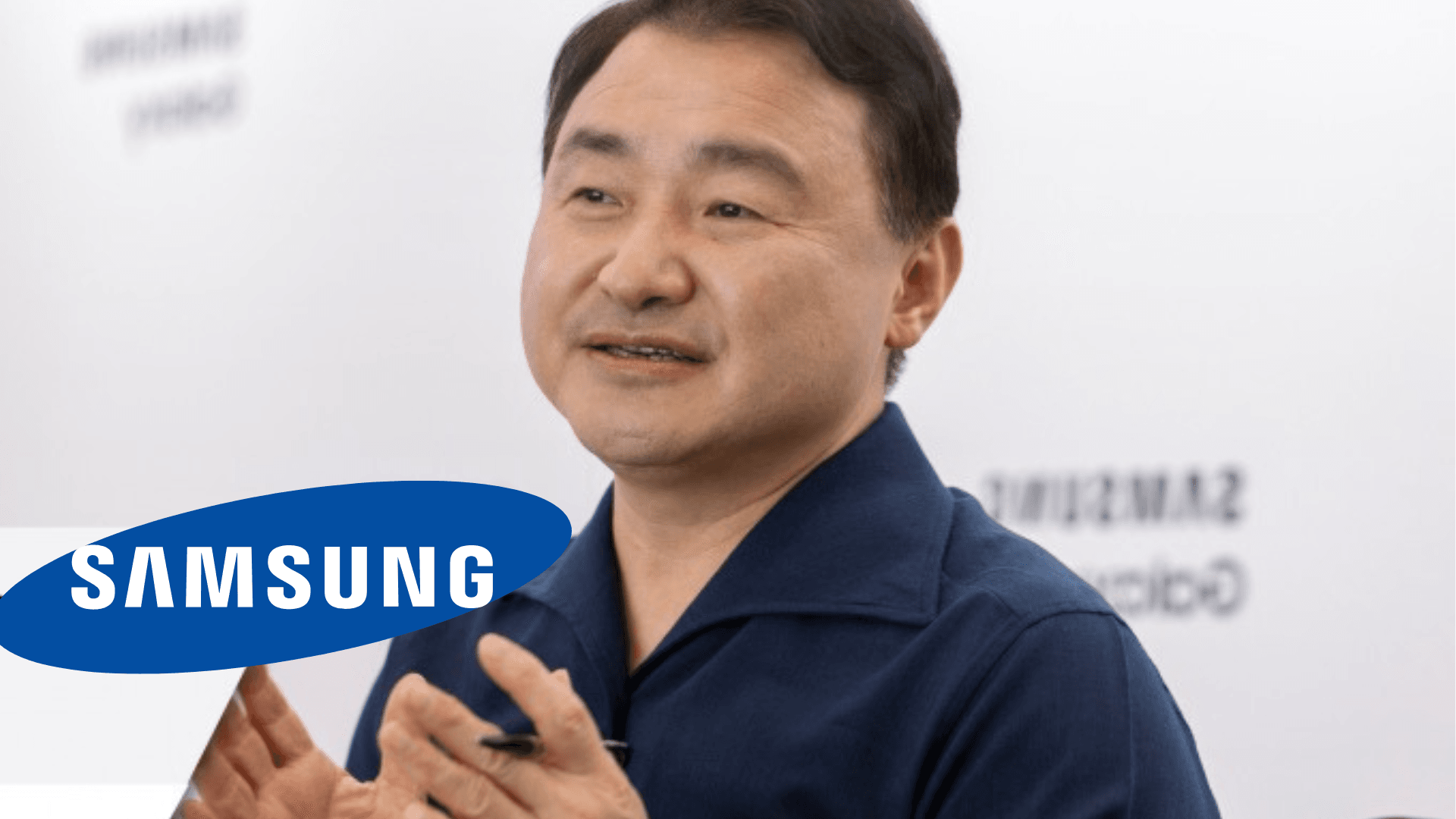
Samsung Electronics will double its AI-powered mobile devices to 800 million units this year, expanding Google's Gemini AI across smartphones and tablets. The South Korean company deployed Gemini features to 400 million devices last year and plans to reach 800 million by 2026, according to co-CEO T.M. Roh.
"We will apply AI to all products, all functions, and all services as quickly as possible," Roh told Reuters in his first interview since becoming co-CEO in November. The expansion gives Google a major advantage in its AI competition with OpenAI, as Samsung remains the world's largest Android platform supporter.
Samsung aims to reclaim its smartphone leadership from Apple while fending off Chinese competitors across mobile devices, televisions, and home appliances. Apple was set to be the top smartphone maker last year, according to market researcher Counterpoint, but Samsung plans integrated AI services to widen its feature advantage.
Google launched Gemini 3 in November, highlighting performance leads on industry benchmarks. OpenAI CEO Sam Altman reportedly issued an internal "code red" in response, pausing non-core projects to accelerate development before releasing GPT-5.2 a few weeks later.
Consumer awareness of Samsung's Galaxy AI brand jumped from 30% to 80% in one year, Roh said. "Even though the AI technology might seem a bit doubtful right now, within six months to a year, these technologies will become more widespread," he added.
Search remains the most used AI feature on phones, but consumers increasingly use generative editing tools, translation services, and summary functions. Samsung's surveys show rapid adoption acceleration across these categories.
A global memory chip shortage pressures smartphone margins while benefiting Samsung's semiconductor division. "As this situation is unprecedented, no company is immune to its impact," Roh said, noting the crisis affects all consumer electronics from phones to appliances.
Roh did not rule out price increases, calling some impact "inevitable" from memory chip price surges. Samsung works with partners on longer-term strategies to minimize effects, though IDC and Counterpoint predict global smartphone market shrinkage next year due to component cost pressures.
Foldable phone growth continues slower than expected since Samsung pioneered the segment in 2019. Roh attributed this to engineering complexities and application shortages but expects mainstream adoption within two to three years.
Samsung controlled nearly two-thirds of the foldable smartphone market in Q3 2025, according to Counterpoint. The company faces competition from Chinese manufacturers like Huawei and Apple's expected foldable phone launch this year.
A "very high" rate of foldable phone users choose the same segment for their next purchase, Roh said without providing specific figures. The retention rate suggests strong customer satisfaction despite slower market expansion.