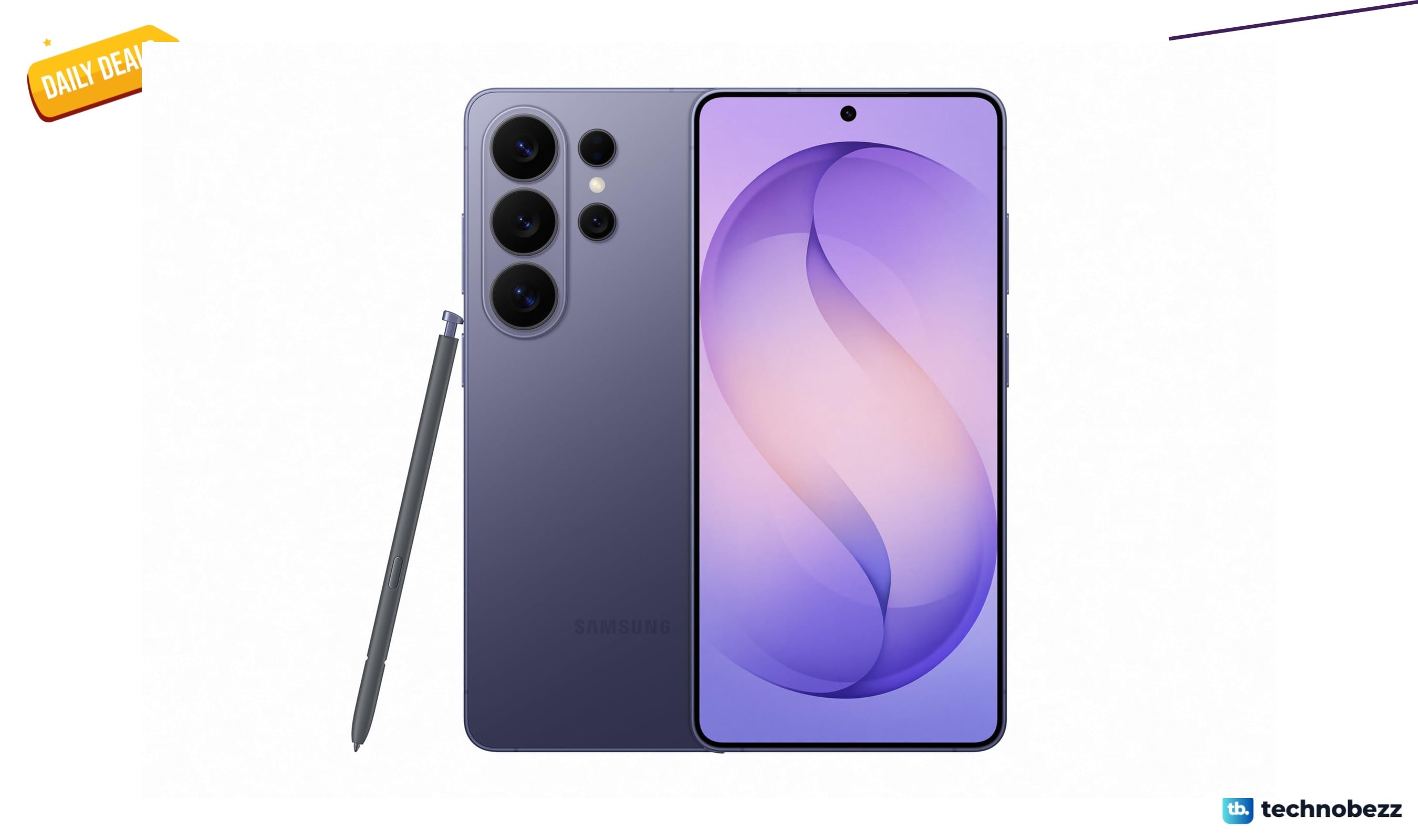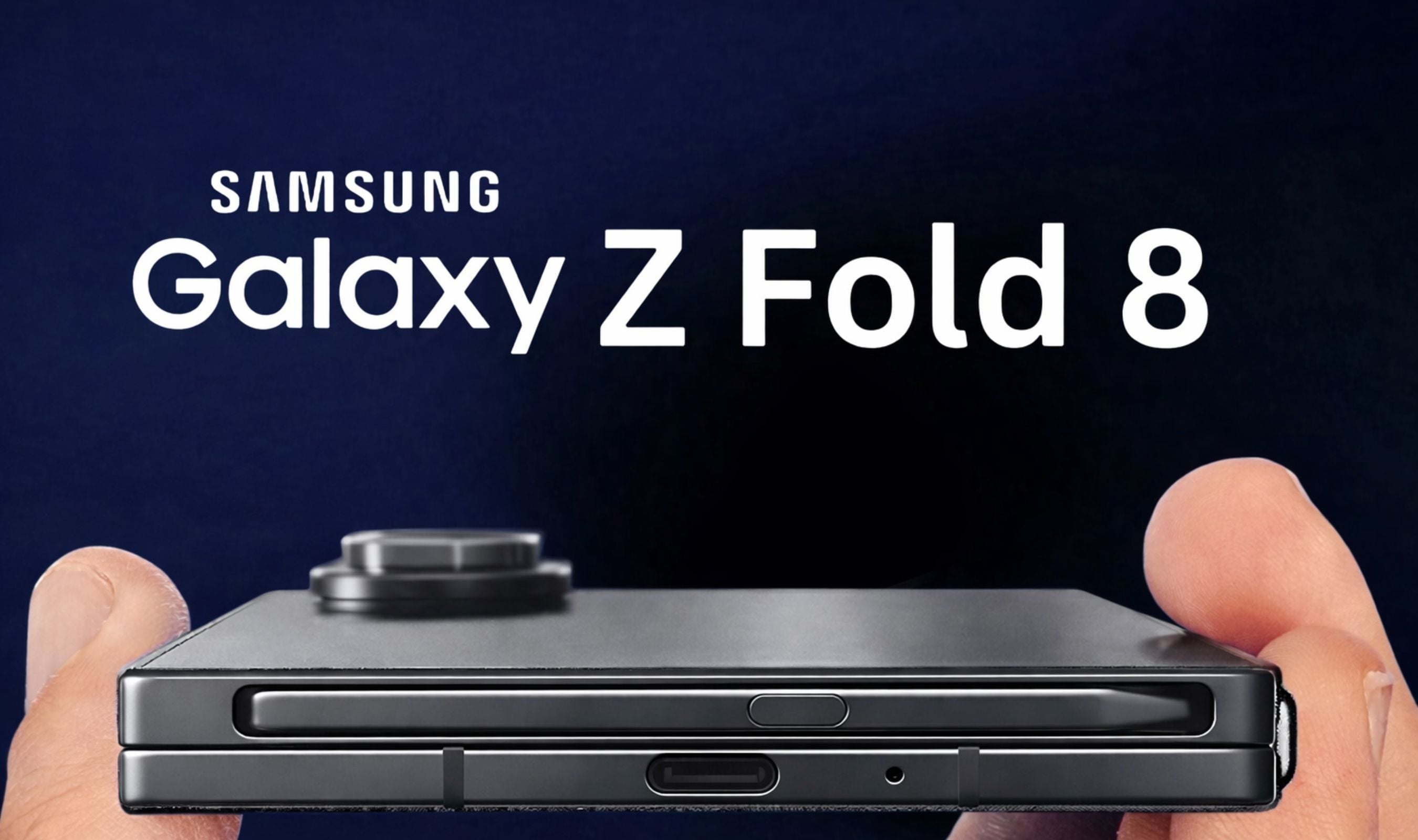
Samsung's foldable flagship is poised for its most significant redesign yet as competition intensifies in the premium foldable market. With Apple's rumored iPhone Fold expected later this year and Chinese manufacturers pushing battery and camera innovations, the Galaxy Z Fold 8 represents Samsung's response to mounting pressure.
According to multiple industry reports, Samsung is preparing not just an iterative update but potentially a dual-model strategy featuring a new "Wide Fold" variant alongside the traditional book-style design.
Galaxy Z Fold 8: Key Specs
| Release Date | July 2026 (rumored) |
| Price | $1,999 starting price (expected) |
| Display | 8-inch main, 6.5-inch cover (standard); 7.6-inch main, 5.4-inch cover (Wide variant) |
| Processor | Snapdragon 8 Elite Gen 5 (rumored) |
| Camera | 200MP main, 50MP ultrawide, 12MP telephoto (rumored) |
| Battery | 5,000mAh (up to 5,400mAh rumored) |
| Charging | 45W wired, 15W wireless (rumored) |
| Key Features | Dual UTG display, reduced crease visibility, IP68 rating, under 200g weight |
Release Date and Availability
Samsung typically holds its summer Unpacked event in July to launch flagship foldables, and 2026 appears to follow this pattern. Reliable Samsung leaker Ice Universe indicates the Galaxy Z Fold 8 and its rumored "Wide Fold" variant will both debut in July 2026.
This timing would position Samsung's foldables ahead of Apple's anticipated iPhone Fold, which industry analysts expect to arrive in the fall.
Apple's foldable iPhone is expected to launch in September 2026 alongside the iPhone 18 Pro lineup, giving Samsung a strategic two-month head start in the market.
The July release window aligns with Samsung's historical launch cadence, following the Z Fold 7 in July 2025, Z Fold 6 in July 2024, and Z Fold 5 in August 2023. Pre-orders typically begin immediately after the Unpacked announcement, with shipping commencing approximately two weeks later.
Samsung usually offers launch promotions including trade-in bonuses, accessory bundles, and storage upgrades, though the company may not offer free storage upgrades during Z Fold 8 pre-orders as it has with previous launches.
Design and Display
The Galaxy Z Fold 8 may introduce Samsung's most significant design evolution since the original Fold. According to multiple reports, Samsung is developing a "Wide Fold" variant alongside the traditional book-style model.
ET News claims this new design will feature a 7.6-inch inner display when unfolded with a 5.4-inch cover screen, adopting a 4:3 aspect ratio that creates a more tablet-like experience compared to the current tall, narrow design.
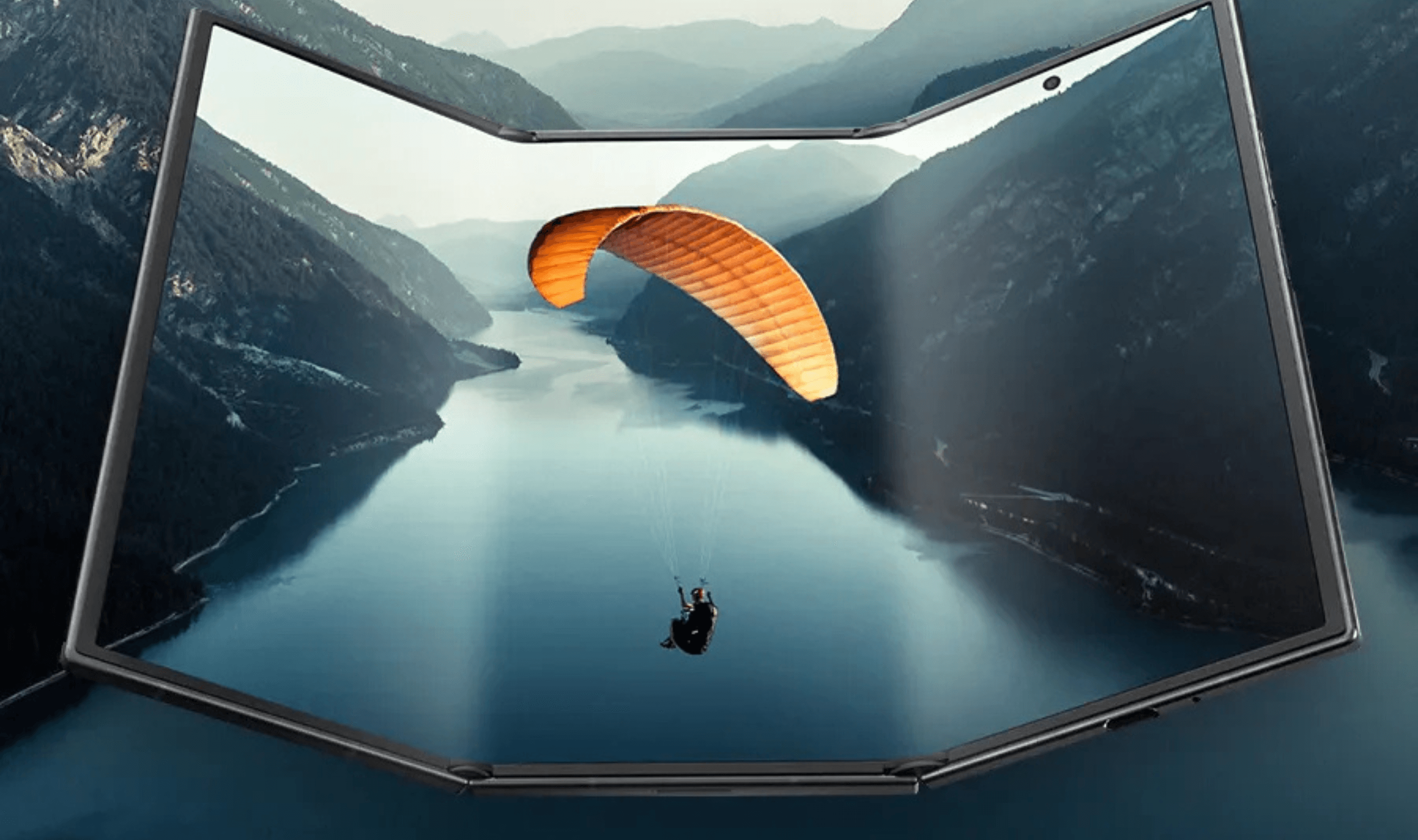
Display technology represents the most anticipated upgrade. Samsung Display showcased a near crease-free foldable OLED panel at CES 2026, which industry watchers expect to debut in the Z Fold 8.
Samsung is implementing a dual ultra-thin glass (UTG) structure that places glass layers on both sides of the display stack rather than just the top cover. This approach reportedly reduces crease depth by approximately 20% compared to the Galaxy Z Fold 7.
ZDNet Korea reports a key technical divergence between Samsung and Apple's approaches. While both companies will use the same core OLED layer from Samsung Display, Samsung's mobile division (MX) has chosen a metal reinforcing plate for durability, while Apple reportedly opts for glass to prioritize optical clarity and uniformity.
Samsung Display has also modified the optical clear adhesive layer to be less stiff, allowing more flexible cushioning during folding cycles.
Peak brightness is expected to reach up to 2,600 nits, matching the Z Fold 7's impressive outdoor visibility while benefiting from the improved panel technology.
Weight reduction represents another focus area. Korean publication Maeil Business reports the Galaxy Z Fold 8 will weigh approximately 200 grams, representing a 15-gram reduction from the Z Fold 7's 215 grams. This would make it one of the lightest premium foldables on the market.
Processor and Performance
At the heart of the Galaxy Z Fold 8 lies what's expected to be Qualcomm's most powerful mobile chipset yet.
The device is expected to feature the Snapdragon 8 Elite Gen 5 processor, delivering a 30-40% performance boost compared to the Snapdragon 8 Gen 4 found in the Z Fold 7.
This generational leap should translate to faster app launches, smoother multitasking, and enhanced gaming capabilities.
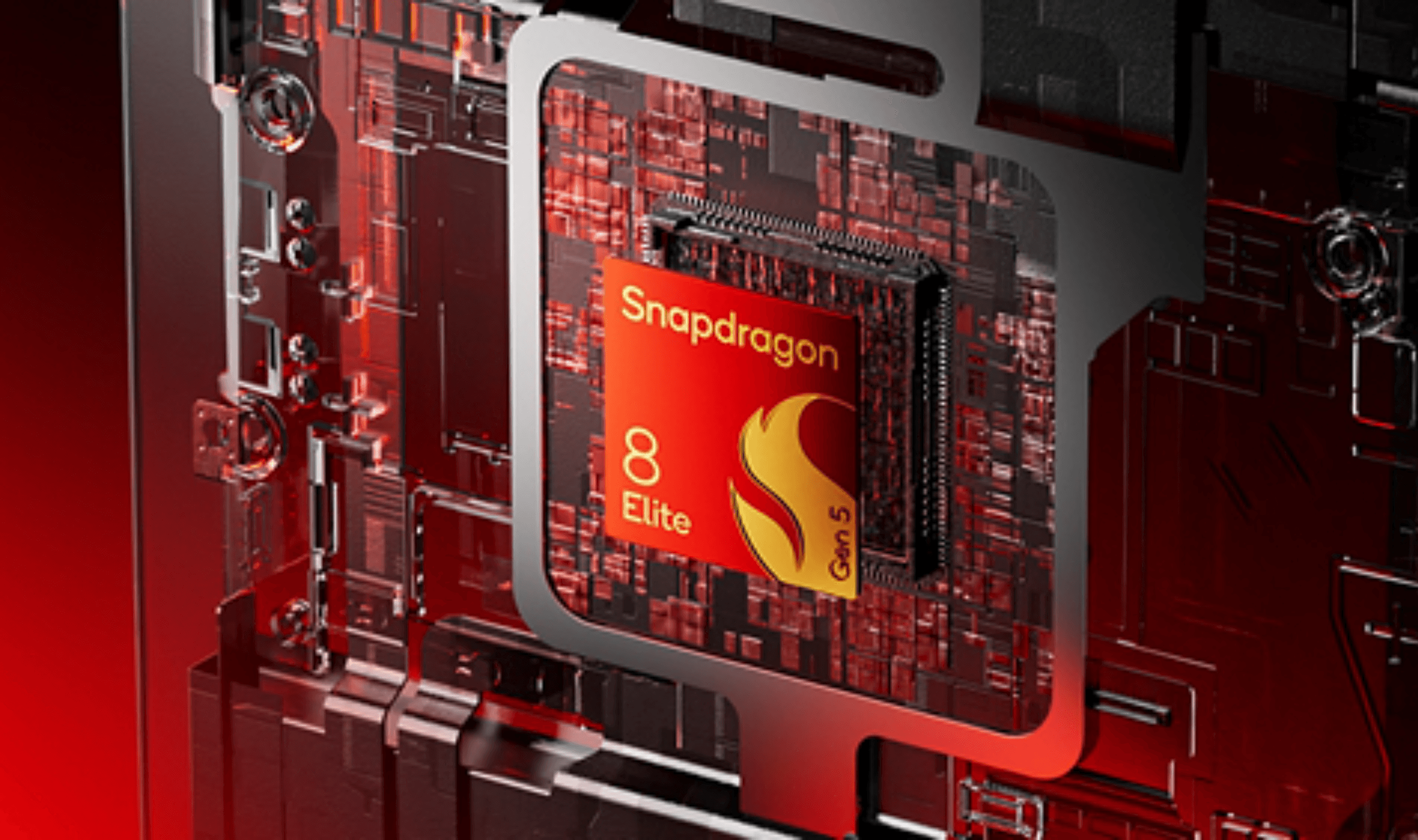
The processor upgrade comes at a critical time as foldable-specific optimizations become increasingly important. With Apple preparing its own foldable iPhone and Chinese manufacturers like Honor and Oppo pushing hardware boundaries, Samsung needs to demonstrate clear performance leadership.
The Snapdragon 8 Elite Gen 5 is expected to feature improved thermal management and power efficiency, addressing concerns about sustained performance in the foldable form factor.
Memory configurations are expected to follow Samsung's established pattern, with 12GB of RAM for the 256GB and 512GB storage variants, while the 1TB model receives 16GB of RAM.
Faster RAM speeds should contribute to improved multitasking performance, particularly important for the productivity-focused foldable experience.
AI capabilities will likely receive significant attention given Samsung's emphasis on Galaxy AI features. While specific AI enhancements for the Z Fold 8 remain unconfirmed, the Snapdragon 8 Elite Gen 5's neural processing unit should enable more advanced on-device AI features, potentially building upon the photo editing, translation, and summarization tools introduced in recent Galaxy devices.
Camera System
Camera upgrades represent a major focus for the Galaxy Z Fold 8 as Samsung seeks to address one of the most common criticisms of its foldable lineup.
The device is expected to retain the 200MP main camera introduced with the Z Fold 7, with improvements likely focused on image processing via an updated ProVisual Engine for better low-light performance and faster autofocus.
This high-resolution sensor should excel in low-light conditions and provide greater detail for cropping and digital zoom.
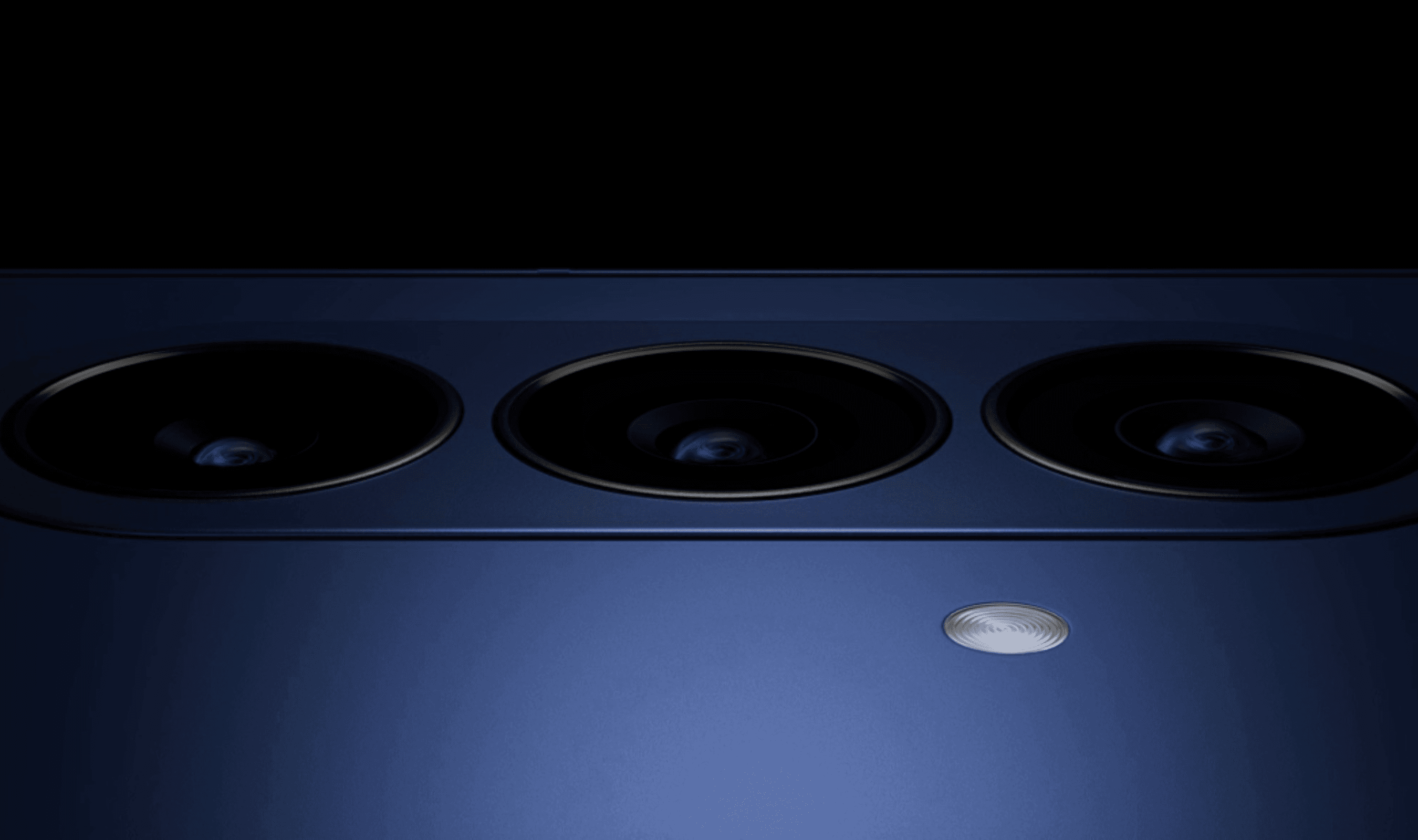
The ultrawide camera receives a significant upgrade, jumping from the Z Fold 7's 12MP sensor to 50MP.
This improvement should deliver sharper, more expansive shots with better edge-to-edge detail. The telephoto lens is expected to upgrade from 10MP to 12MP while maintaining 3x optical zoom, a modest but welcome improvement alongside the more substantial ultrawide upgrade.
The Z Fold 8's camera setup positions it ahead of Apple's expected foldable iPhone, which may stick with a dual-camera system. This camera advantage could become a key differentiator as competition intensifies in the premium foldable market.
Front-facing cameras are expected to see incremental improvements. The cover screen selfie camera will likely remain around 10MP, while the under-display camera on the main screen should see refinements to better hide the camera beneath the display while maintaining image quality.
These improvements are particularly important for video calls, which represent a common use case for the unfolded tablet mode.
Battery and Charging
Battery capacity represents one of the most consistent areas of improvement across the Z Fold 8 rumors. Multiple sources, including TechRadar and Android Police, report the device will feature a 5,000mAh battery, up from the 4,400mAh cell in the Z Fold 7.
Some reports even suggest capacities up to 5,400mAh, though 5,000mAh appears to be the consensus expectation.
This 13.6% capacity increase addresses one of the most common user complaints about premium foldables. A 5,000mAh battery, combined with the efficiency improvements of the Snapdragon 8 Elite Gen 5 processor, should deliver meaningful gains in daily usage.
Charging speeds are also expected to improve, with leaks suggesting 45W wired charging support, up from the 25W speeds that remained unchanged across several Z Fold generations. This upgrade should significantly reduce charging times for the larger battery.
Wireless charging is expected to remain at 15W, with rumors of improved alignment features for more convenient wireless charging.
These improvements should reduce the time users spend tethered to chargers, particularly important for a device positioned as a productivity tool.
Battery technology advancements may extend beyond raw capacity. Chinese competitors like Honor and Oppo continue pushing battery innovations in their 2026 foldables, with devices like the Honor Magic V6 potentially featuring batteries exceeding 6,000mAh.
While Samsung may not match these extreme capacities, the company likely has efficiency improvements in development to maximize the utility of its 5,000mAh cell.
Software and Features
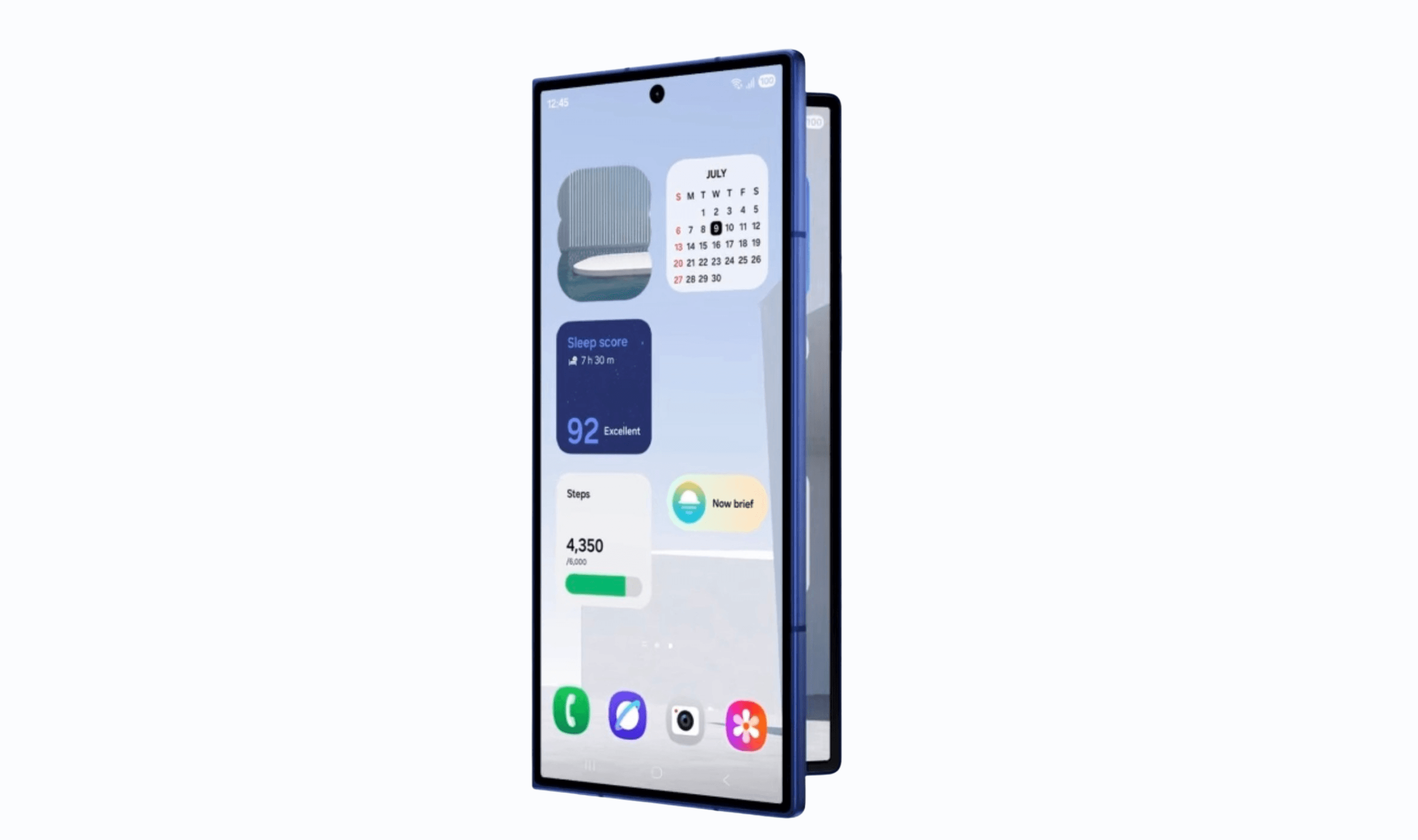
The Galaxy Z Fold 8 will debut with One UI 8.5, Samsung's latest software iteration based on Android 16. While the update is expected to be incremental rather than revolutionary, it will include optimizations specifically designed for the foldable form factor.
These refinements should enhance multitasking capabilities, app continuity between screens, and overall usability in both phone and tablet modes.
S Pen support remains uncertain for the standard Z Fold 8. Samsung removed the digitizer from the Z Fold 7 to achieve its slim profile, and while the company is reportedly testing stylus support on some Z Fold 8 variants, current leaks suggest S Pen functionality may return primarily on the rumored "Wide Fold" model rather than the standard Z Fold 8.
Samsung is reportedly exploring new display technologies that could support stylus input without requiring the thickness-adding digitizer, though this remains unconfirmed.
Multitasking features will likely receive attention as Samsung differentiates its foldable experience from emerging competitors. The company has historically led in software optimizations for large-screen devices, with features like App Pair, Multi-Active Window, and Flex Mode providing unique advantages.
With Apple entering the foldable market, Samsung may introduce new multitasking paradigms to maintain its software leadership.
AI features will build upon the Galaxy AI foundation established in recent devices. While specific Z Fold 8 AI capabilities remain unconfirmed, the larger display provides unique opportunities for AI-enhanced productivity tools, creative applications, and content consumption features.
The Snapdragon 8 Elite Gen 5's neural processing capabilities should enable more advanced on-device AI without compromising performance or battery life.
Price and Value
Despite significant hardware upgrades, the Galaxy Z Fold 8 is expected to maintain its $1,999 starting price in the United States.
Samsung is expected to maintain this price point to remain competitive in the premium smartphone market, though the company may not offer free storage upgrades during pre-orders as it has with previous launches.
International pricing may see regional variations. Tech Advisor notes that while UK consumers paid £1,799 for the Z Fold 7 (matching the Z Fold 6 price), US and European markets saw $100 and €100 price increases respectively.
Similar regional adjustments could occur with the Z Fold 8, particularly if component costs or currency fluctuations create pricing pressure.
The value proposition becomes increasingly complex as competition intensifies. With Apple's iPhone Fold expected to command premium pricing and Chinese manufacturers like Honor and Oppo offering compelling alternatives at lower price points, Samsung must balance innovation with affordability.
The rumored dual-model strategy, offering both traditional and "Wide Fold" variants, could provide pricing flexibility to address different market segments.
Should You Wait or Buy Now?
For current Galaxy Z Fold 7 owners, the upgrade decision depends heavily on specific pain points and desired improvements.
The Z Fold 8's rumored display technology advancements, particularly the dual UTG structure for reduced crease visibility, represent the most compelling reason to upgrade.
Users frustrated by the visible crease or concerned about long-term display durability may find these improvements worth the upgrade cost.
Battery life improvements also present a strong upgrade incentive. The jump from 4,400mAh to 5,000mAh (or potentially higher), combined with the efficiency gains of the Snapdragon 8 Elite Gen 5 processor, should deliver noticeably better battery performance.
Users who frequently find themselves needing midday charges with their current foldable may appreciate this upgrade.
Camera enthusiasts have particularly strong reasons to consider the Z Fold 8. The 50MP ultrawide and improved 12MP telephoto represent meaningful upgrades over the Z Fold 7's camera system, along with expected improvements to image processing.
Owners of older foldables (Z Fold 6 or earlier) have even stronger upgrade incentives. The cumulative improvements across display technology, performance, battery life, and cameras represent a significant generational leap.
Additionally, software support considerations come into play, as older devices will eventually stop receiving major Android updates and security patches.
For those considering their first foldable purchase, timing presents a dilemma. Waiting for the Z Fold 8 provides access to the latest technology and potentially better pricing on the Z Fold 7 as retailers clear inventory.
However, if immediate need outweighs having the absolute latest hardware, current promotions on the Z Fold 7 could provide excellent value.
The Bottom Line
The Samsung Galaxy Z Fold 8 represents a pivotal moment in foldable evolution as the category matures beyond early adopter novelty.
With Apple's impending entry and Chinese manufacturers pushing hardware boundaries, Samsung must demonstrate continued innovation leadership while addressing longstanding user concerns about display durability, battery life, and camera performance.
The most exciting aspects center on display technology and design evolution. The dual UTG structure promises meaningful crease reduction, while the rumored "Wide Fold" variant suggests Samsung is exploring new form factors beyond the established book-style design.
These innovations, combined with substantial camera and battery upgrades, position the Z Fold 8 as Samsung's most compelling foldable yet.
The biggest unknowns revolve around Apple's competitive impact and Samsung's pricing strategy. How Samsung positions the Z Fold 8 against the iPhone Fold, particularly if rumors of similar wide-screen designs prove accurate, will reveal much about the company's confidence in its foldable leadership.
Pricing decisions will also signal whether Samsung believes the premium foldable market can sustain $2,000 price points amid increasing competition.
We'll know more definitively as we approach Samsung's traditional July Unpacked event window. Until then, the steady stream of leaks and industry reports will continue to paint an increasingly detailed picture of what to expect.