
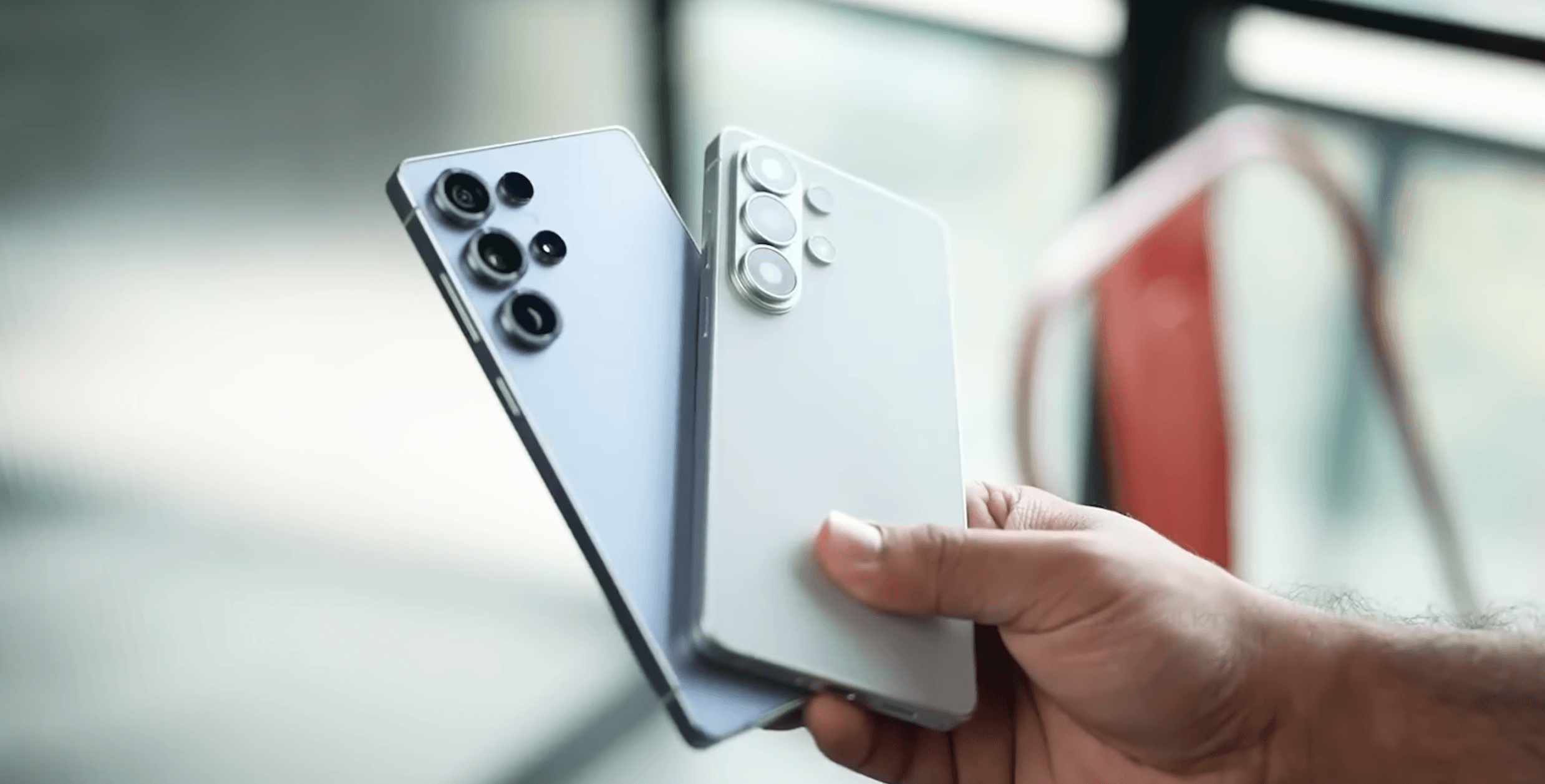
Samsung's next flagship smartphone is shaping up to be one of the most anticipated releases of early 2026, and if the latest regulatory filings and leaks are any indication, the Galaxy S26 Ultra might just deliver the kind of meaningful upgrades that smartphone enthusiasts have been waiting for. With regulatory certifications now appearing and multiple sources pointing to a refined design, faster charging, and significant AI enhancements, Samsung appears ready to set the tone for 2026's smartphone market.
The timing question that's been on everyone's mind appears to be settling into focus. According to multiple reports from Forbes and PhoneArena, Samsung is expected to host its Galaxy Unpacked event in late January or February 2026, with February 25 emerging as a specific date mentioned in several leaks. This aligns with Samsung's historical pattern of early-year flagship launches, though some sources had previously speculated about a potential delay to March.
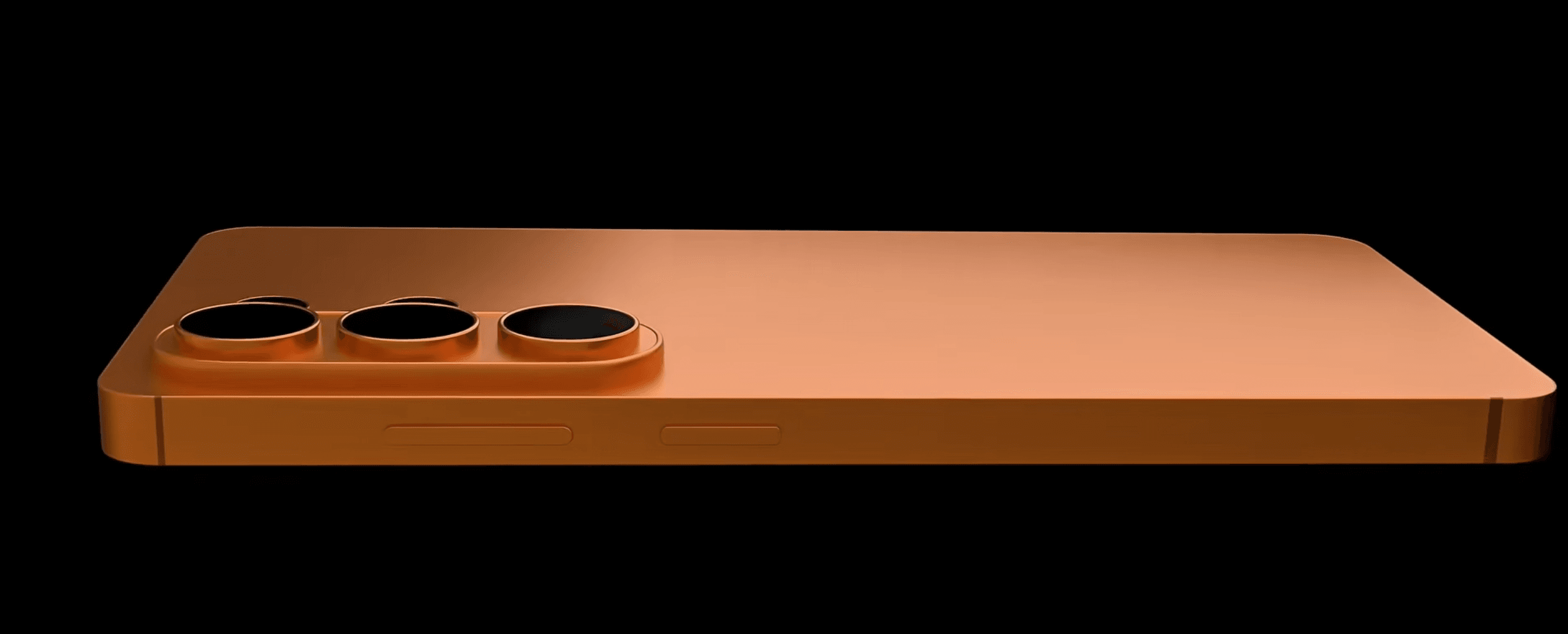
The consensus now suggests we'll see the full S26 lineup : including the standard S26, S26+, and the flagship S26 Ultra, unveiled in that late winter timeframe, with pre-orders likely opening immediately and retail availability following within 2-3 weeks.
What's particularly interesting about this year's model is how regulatory filings are painting a clearer picture than usual. FCC documentation from earlier this week reveals model numbers SM-S948B and SM-S948U, which correspond to the global unlocked and US carrier-specific versions respectively. More importantly, these filings confirm the use of Qualcomm's SM8850 chipset - better known as the Snapdragon 8 Elite Gen 5, for the US market.
This answers one of the biggest questions hanging over the S26 Ultra: whether Samsung would continue with its dual-chipset strategy or standardize on a single processor globally.
The chipset story gets more nuanced when you look beyond US borders. While American consumers will get the Snapdragon variant, reports from PhoneArena and other sources suggest Samsung plans to deploy its in-house Exynos 2600 chipset in approximately 50% of Galaxy S26 devices worldwide, particularly in South Korea and European markets.
Early benchmarking leaks spotted by PhoneArena in November showed the Exynos 2600 posting competitive single-core scores of 3,455 against the Snapdragon's 2,885, though the Snapdragon maintained an edge in multi-core performance at 12,396 versus 11,621. The perception gap between the two chipsets has been narrowing with each generation, but Samsung seems committed to giving both platforms room to prove themselves.
Where the S26 Ultra really starts to differentiate itself is in the charging department. China's 3C certification body has revealed that Samsung will include a 60W wired charger with the device, a significant jump from the current 45W offering.
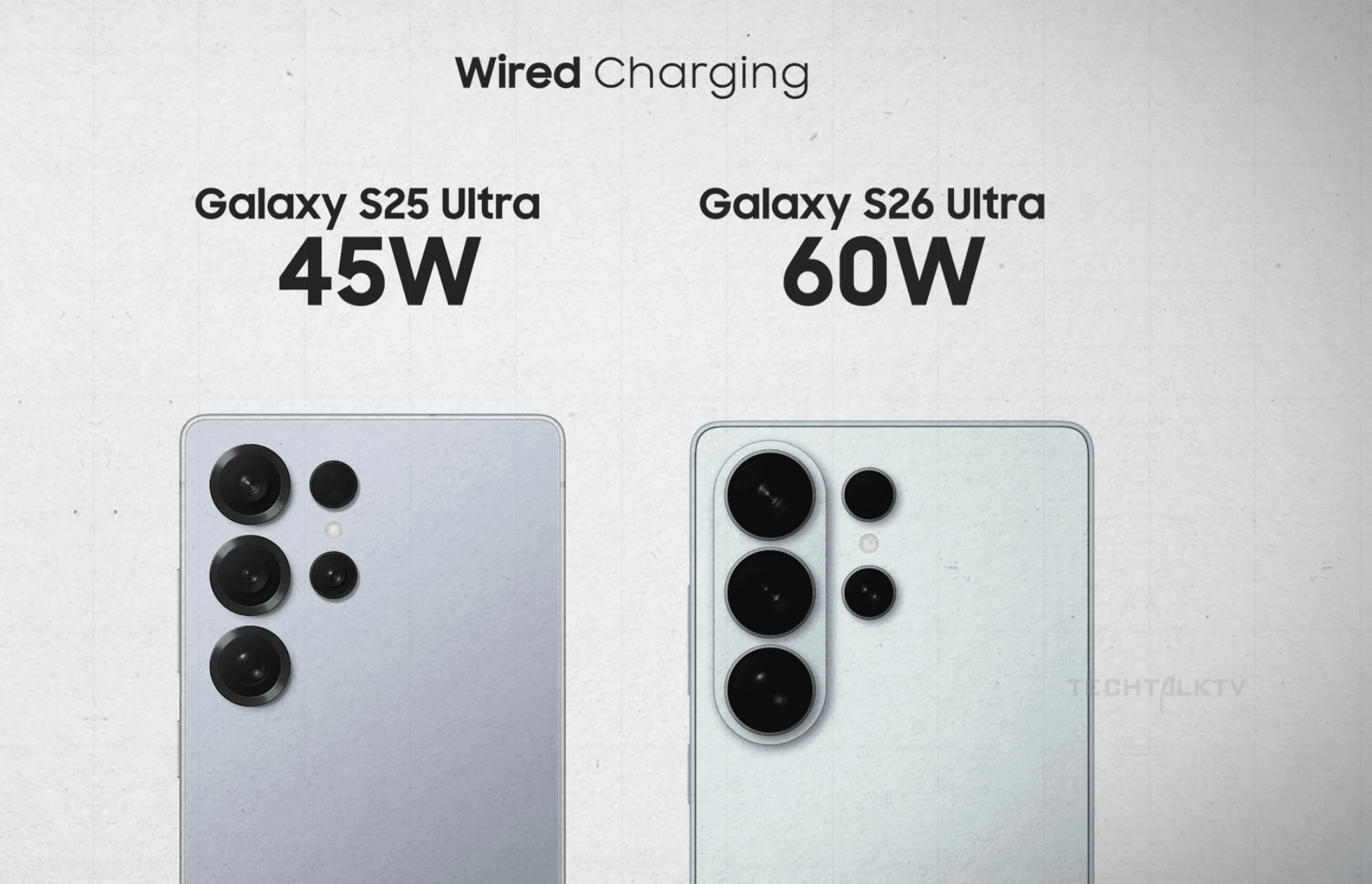
This should translate to much faster charging times, rumors suggest a 0 to 80 percent charge in just thirty minutes on the expected 5,000 mAh battery. Wireless charging also gets attention, with 25W wireless charging support and, according to WinFuture, potential built-in magnetic charging capabilities that would bring Samsung in line with Apple's MagSafe and Google's Pixel Snap accessories.
The design evolution appears to be more than just incremental. Multiple sources, including SammyGuru and One World Rental, suggest Samsung is moving toward a sleeker profile with more rounded corners, potentially making the S26 Ultra both thinner and lighter than its predecessor. The device is rumored to measure around 7.9mm thick and weigh approximately 217 grams, compared to the S25 Ultra's 8.2mm and 218 grams.
This slim-down comes despite what appears to be camera hardware upgrades that typically require more internal space.
Speaking of cameras, the imaging system looks poised for meaningful improvements. While the main sensor will reportedly remain at 200MP, it's expected to be an entirely new sensor with a much wider f/1.4 aperture that allows 47% more light capture, though Samsung is likely to stick with its 1/1.3-inch ISOCELL HP2 sensor rather than moving to a larger 1/1.12-inch size.
The telephoto system may see refinements too, though there's some conflicting information about whether the 3x zoom lens will receive resolution upgrades or focus on optical quality improvements. What seems clearer is Samsung's commitment to maintaining its camera leadership position - the S Ultra models have topped camera benchmark tests for two consecutive years, and the company appears determined to extend that streak.
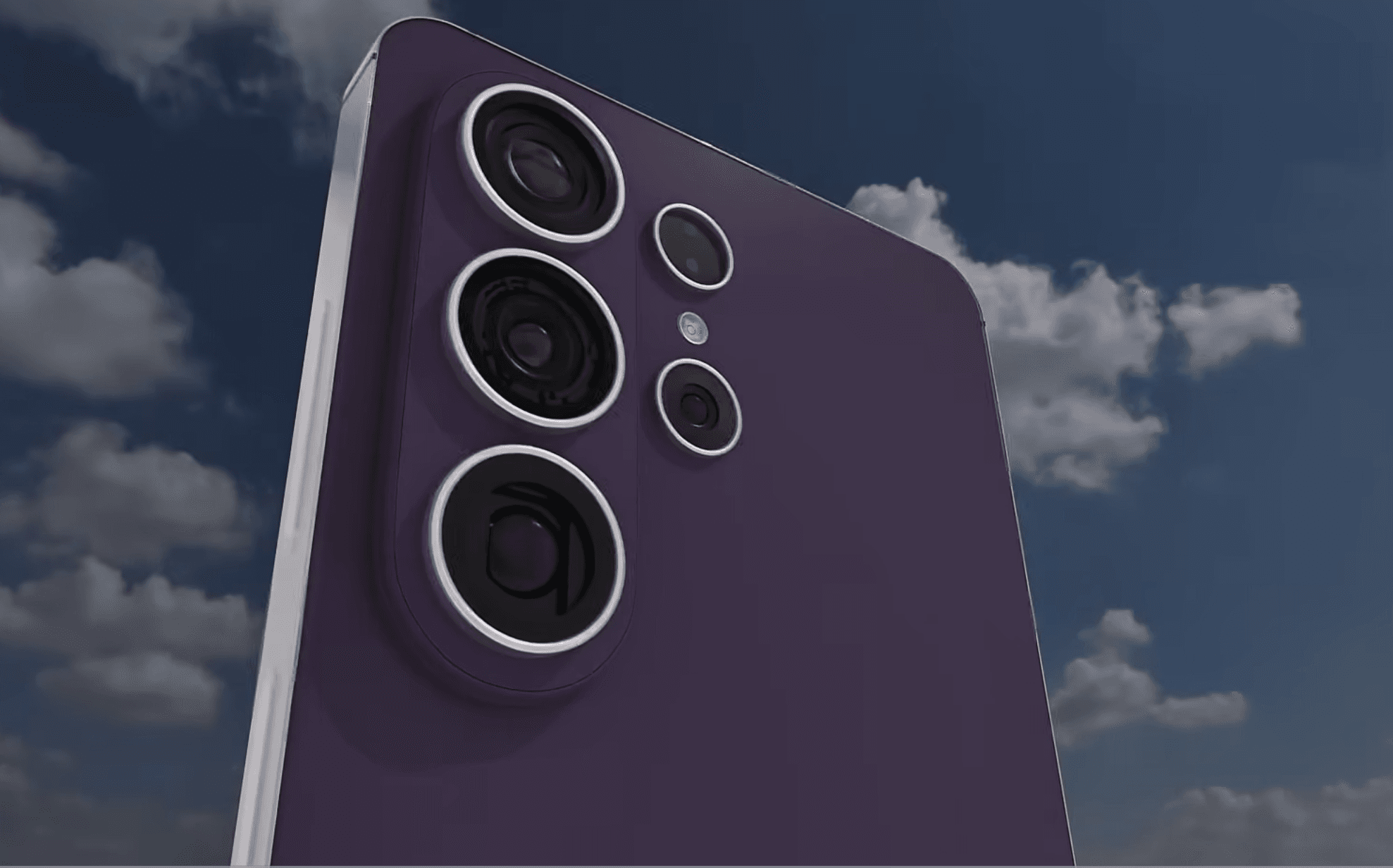
Artificial intelligence is where Samsung plans to make its biggest statement for 2026. With mobile AI adoption expected to accelerate significantly next year, the S26 Ultra will reportedly feature enhanced local data processing capabilities that require not just raw performance but dedicated silicon for AI workloads. Samsung's Galaxy AI platform, which debuted earlier this year, is expected to see substantial upgrades that could include new photo editing tools, more sophisticated language models, and improved integration across the Galaxy ecosystem.
The timing is strategic : as AI becomes increasingly central to the smartphone experience, Samsung wants to position the S26 Ultra as the device that handles these tasks most efficiently.
Connectivity features also get a boost, with China's 3C certification confirming the presence of direct satellite connectivity for emergency messaging, matching functionality that debuted on the S25 Ultra. This suggests Samsung views satellite communication as a permanent fixture in its flagship lineup rather than a one-generation experiment.
For consumers wondering about pricing, the consensus suggests Samsung will hold the line rather than increase costs. The S26 Ultra is expected to start at the same $1,299 price point as its predecessor, though some reports caution that various factors could drive prices up by as much as $100. Carrier deals and trade-in promotions will likely follow Samsung's established pattern of offering enhanced trade-in values and free storage upgrades during the pre-order period.
The bigger picture here is that Samsung appears to be taking a more measured approach to its 2026 flagship. Instead of chasing headline-grabbing spec bumps, the company seems focused on refining the user experience - faster charging, better thermal management, more efficient AI processing, and a more comfortable design.
In a smartphone market where incremental improvements have become the norm, these kinds of meaningful quality-of-life upgrades might be exactly what consumers are looking for.
As we move closer to the expected February unveiling, more details will inevitably surface through additional regulatory filings and leaks. But for now, the S26 Ultra is shaping up as a device that understands its audience: people who want their flagship phone to work better, charge faster, and handle the increasingly AI-driven future of mobile computing without breaking a sweat.
Whether that's enough to maintain Samsung's position at the top of the Android heap remains to be seen, but the early indicators suggest the company isn't resting on its laurels.