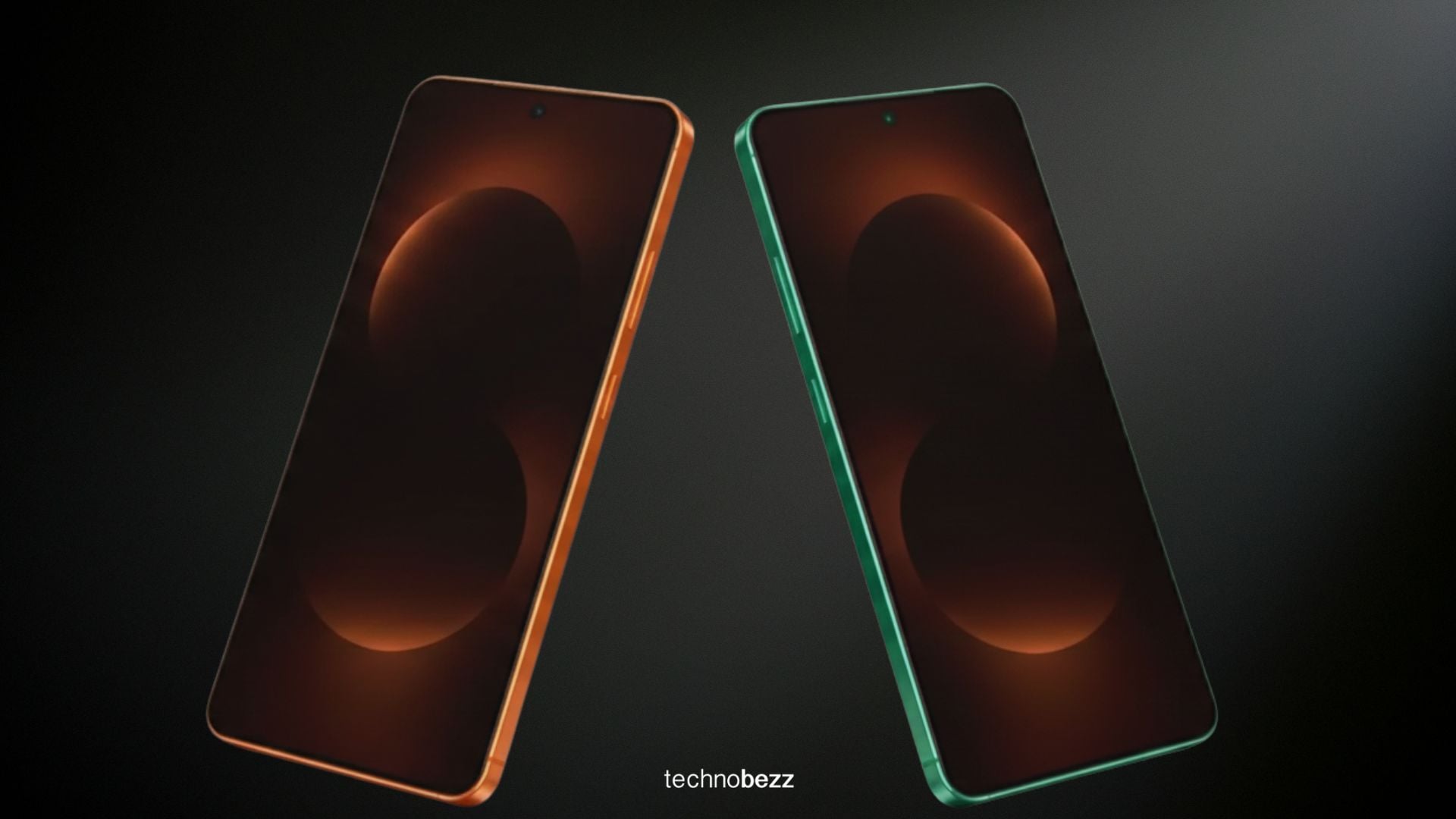

Samsung's Galaxy S26 series launches in early 2026, facing iPhone 17 and Pixel 10 competition that demands substantial upgrades. The Galaxy S25 maintained market position with conservative updates, but Samsung needs five key improvements to regain Android leadership.
The Galaxy S26 reportedly launches in late January or early February 2026 according to multiple sources. Samsung will follow the iPhone 17 and Pixel 10, which introduced 256GB base storage and magnetic charging as standard features earlier this year.
Samsung's current Galaxy S25 Ultra sees significant price drops ahead of the S26 launch. Indian retailers cut the S25 Ultra from Rs 1,29,999 to Rs 69,999 during year-end sales, signaling inventory clearance for the new generation.
Camera System Requires Complete Overhaul
Samsung's camera hardware has fallen behind competitors in recent years, with S25 components traceable to the Galaxy S22 series. The current 50MP primary, 12MP ultrawide, and 12MP 3x telephoto configuration feels dated against Pixel 10's 5x optical zoom and computational photography.
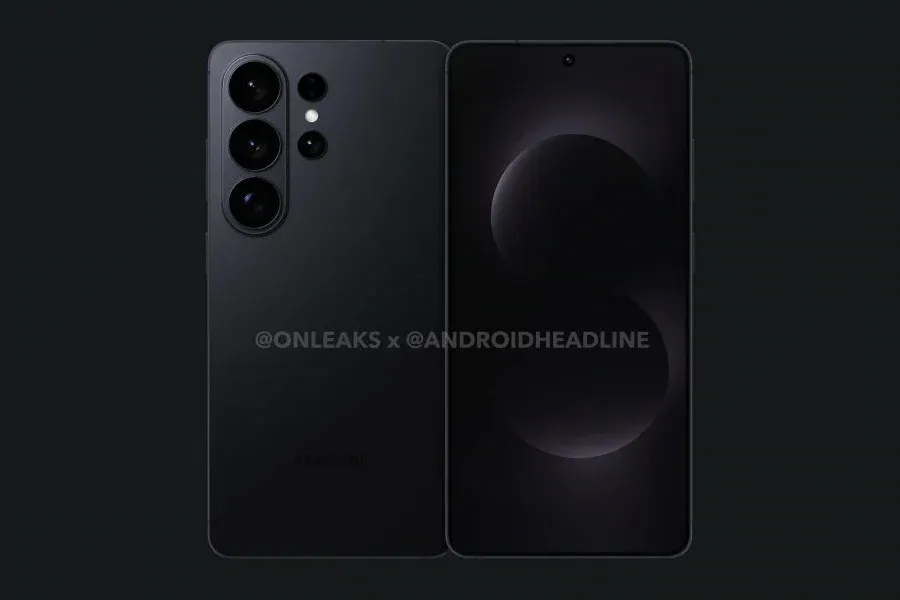
Recent leaks suggest the Galaxy S26 Ultra may feature a wider f/1.4 aperture on its 200MP main camera, delivering 47% more light than the S25 Ultra's f/1.7 opening. This matches camera upgrades planned for the Galaxy Z Fold 8, which reportedly shares the same 12MP telephoto sensor with 3x optical zoom.
Samsung's computational photography and color science need refinement to match Pixel and iPhone consistency. Extended testing reveals grain in low-light conditions and autofocus hunting that newer sensor technology has largely solved.
Magnetic Charging Becomes Essential
Google's Pixel 10 established Qi2 magnetic charging as essential for Android flagships, yet Samsung's "Qi2 Ready" labeling requires additional accessories. Users face constant wireless charging pad placement issues during workflow transitions.
Built-in magnetic charging would transform car mounts, desktop workflows, and charging station interactions. Samsung launched their own Qi2 magnetic chargers recently, indicating recognition of the technology's importance for the S26 generation.
Battery Technology Demands Modernization
The Galaxy S25's 4,000mAh battery struggles during intensive workflows, with competitors like OnePlus 15 delivering 25+ hours from 7,300mAh capacities. Samsung's 5,000mAh Ultra battery matches the S20 Ultra from years ago, showing stagnation.
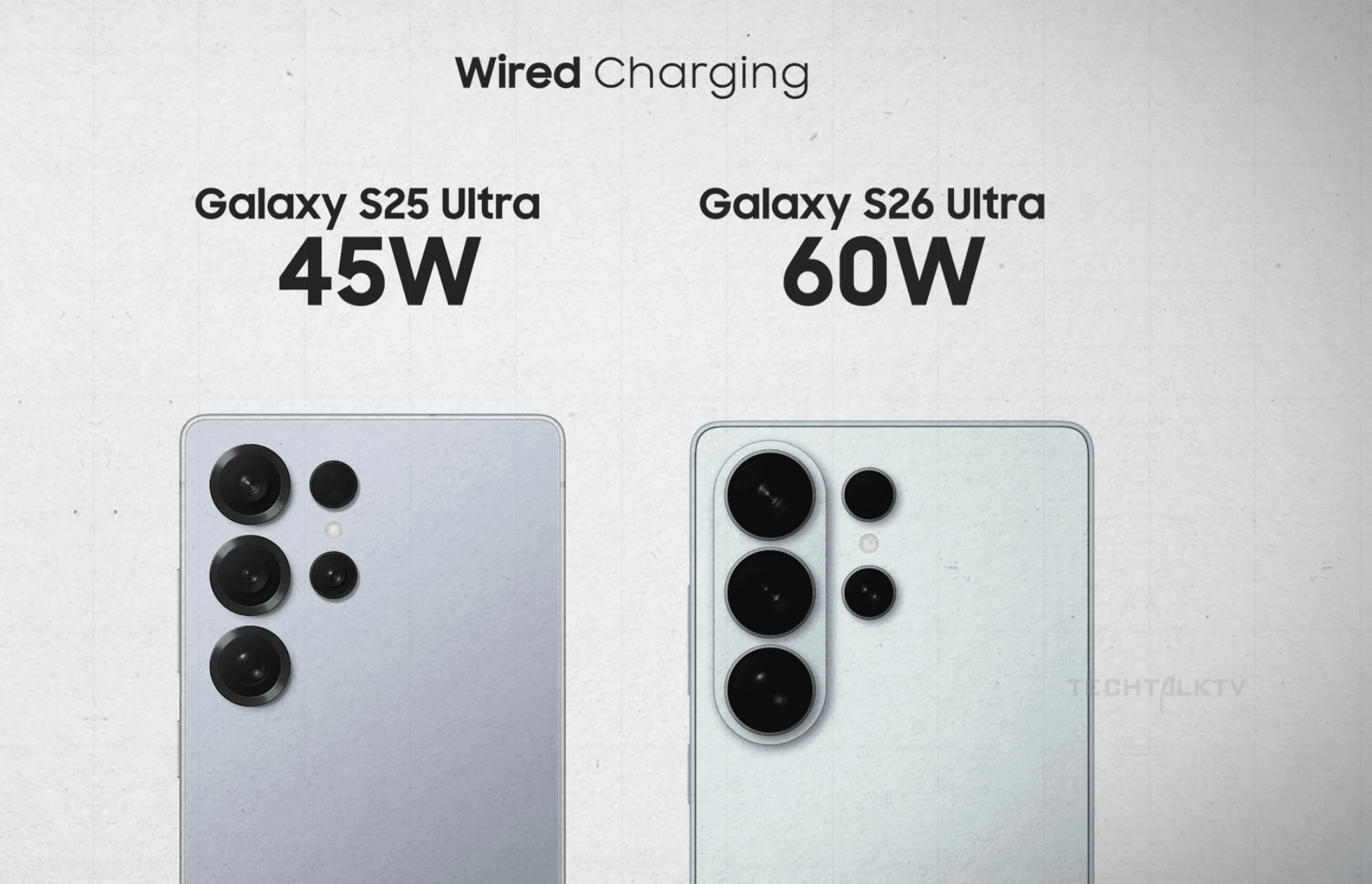
Rumors suggest the standard S26 increases to 4,300mAh, while the Ultra model may receive 60W wired charging upgrades from the current 45W standard. These improvements remain modest against silicon-carbon technology implementations in competing devices.
Storage and AI Need Competitive Upgrades
Apple's iPhone 17 made 256GB base storage standard without price increases, creating market pressure Samsung must match. The Pixel 10 starts with 128GB using slower UFS 3.1 flash, giving Samsung opportunity with 256GB UFS 4.0 storage at current price points.
Samsung's Exynos 2600 processor, built on 2nm Gate-All-Around manufacturing, promises double computing performance and 50% better ray tracing. The upgraded Neural Processing Unit delivers 113% increased AI performance over previous generations.
Heat Path Block technology reduces thermal resistance by 16%, potentially eliminating throttling during 4K video recording and extended gaming. However, the Exynos 2600 uses a separate modem chip unlike Qualcomm's integrated solutions, which could impact battery efficiency.
Design Philosophy Faces Screen Size Decisions
The Galaxy S25's compact 7.2mm thickness and 162-gram weight created one of 2025's most portable flagships. Rumors suggest Samsung expands the S26 display to 6.3 inches from 6.2 inches, recognizing increased screen real estate needs for AI features and multitasking.
Samsung must balance size increases with Qi2 magnetic charging implementation while maintaining premium in-hand feel. The company's design challenge involves adding essential features without compromising the compact footprint that defined the S25 experience.
Samsung's Galaxy S26 represents a critical opportunity to demonstrate innovation leadership rather than market maintenance. After conservative S25 updates, users need meaningful improvements addressing daily usage frustrations and competitive gaps that have developed throughout 2025.