
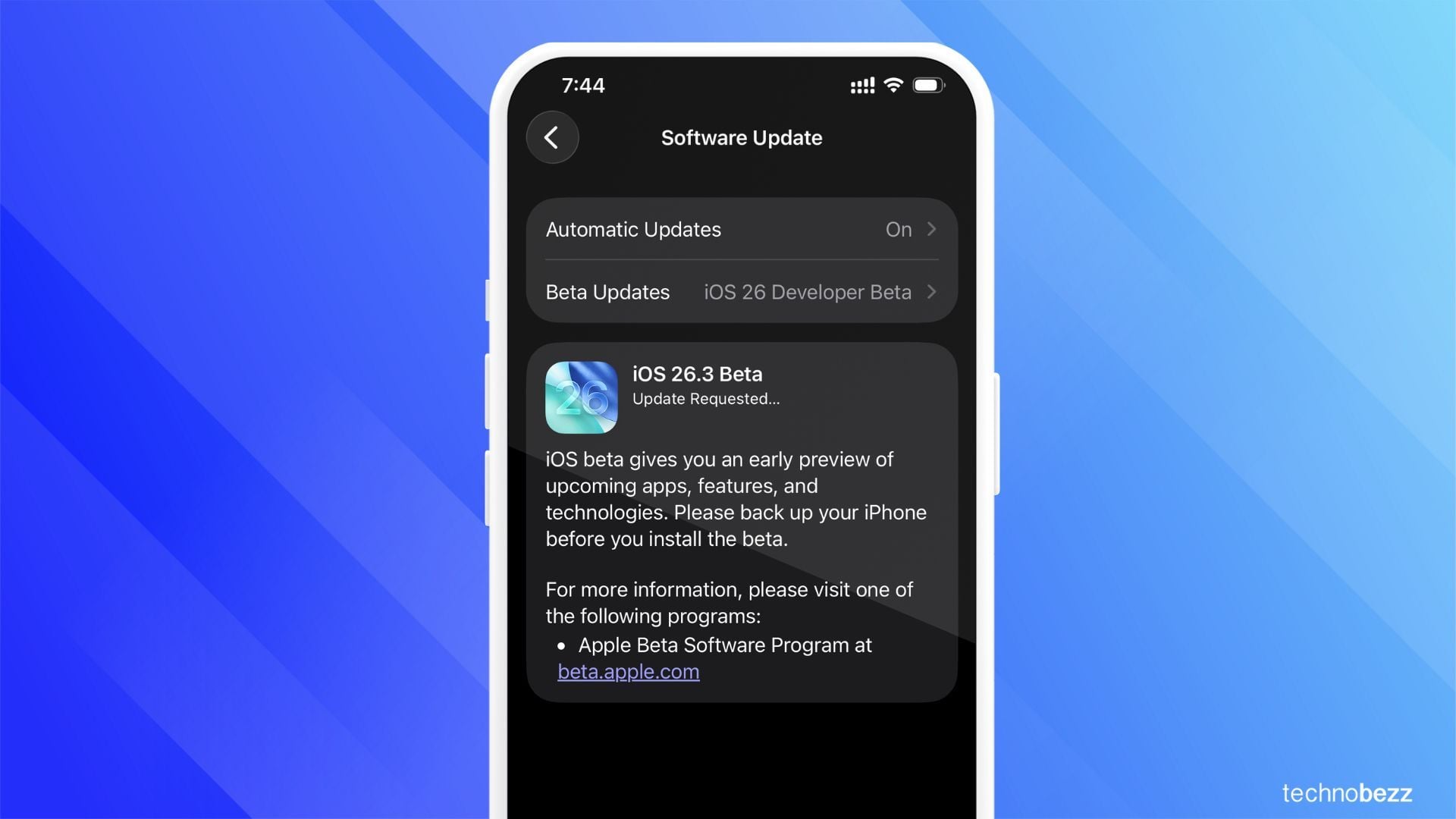
Apple is pushing iPhone users still on iOS 18 to upgrade to iOS 26, according to multiple reports from MacRumors and 9to5Mac. The company began this transition in early December, making iOS 18 updates less visible before removing them entirely for devices capable of running iOS 26.
iPhone 11 and later models no longer receive iOS 18 security updates, forcing users to install iOS 26.2 for protection. Both iOS 26.2 and iOS 18.7.3 released last week address the same WebKit vulnerabilities, including two bugs reportedly exploited against specific targets.
Jason Snell at Six Colors reports some iPhone owners aren't being offered iOS 18.7.3 at all. Instead, their Settings apps show only iOS 26.2 as an available update. This affects users who consciously chose to remain on iOS 18, whether due to Liquid Glass design concerns, app compatibility issues, or general update wariness.
Apple's historical pattern shows this isn't new. The company followed similar transitions with iOS 14 to iOS 15 in 2021, iOS 16 to iOS 17, and iOS 17 to iOS 18. Apple's 2021 support document stated users could stay on older versions "for a period of time," not permanently.
A workaround exists for those determined to remain on iOS 18. Users can sign up for Apple's public beta program and opt into the iOS 18 public beta track. This method reportedly makes iOS 18.7.3 available for installation, though it requires beta program enrollment.
The iOS 26.2 update itself includes multiple refinements beyond security fixes. Tom's Guide reports a new transparency slider for lock screen clocks, addressing visibility issues with the Liquid Glass interface introduced in iOS 26. The update also adds urgent alarms in Reminders and improved notification visibility.
Meanwhile, iOS 26.3 beta testing continues with notable cross-platform features. Apple and Google collaborated on a Transfer to Android tool that wirelessly moves photos, messages, apps, and passwords between devices. Notification forwarding allows iPhone alerts to appear on third-party wearables, though currently limited to EU users and one accessory at a time.
Apple released iOS 26 in September, about a week after unveiling the iPhone 17 lineup and iPhone Air. The update introduced Liquid Glass design elements, call screening capabilities, and numerous hidden features according to CNET. Subsequent updates like iOS 26.2 and the upcoming iOS 26.3 continue refining the experience.
For users with older iPhones incapable of running iOS 26, including iPhone XS series devices, iOS 18.7.3 remains available. These users continue receiving security updates without the iOS 26 requirement, according to reports from Stuff and Six Colors.
The forced upgrade strategy aligns with Apple's security-first approach but creates tension with users preferring older interfaces. Liquid Glass represents a major visual overhaul that has generated mixed reactions since its debut across Apple's software platforms.