
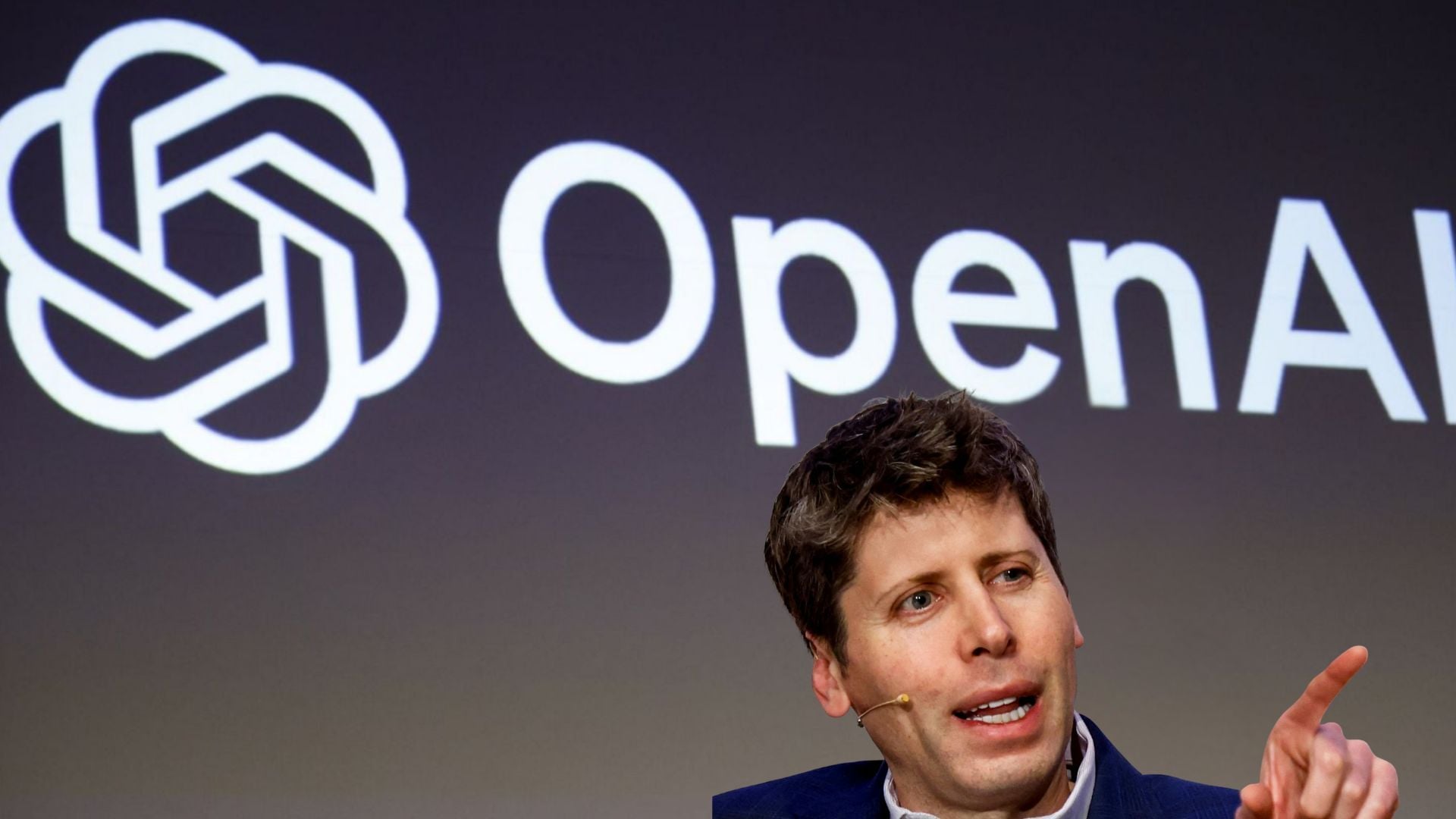
OpenAI has secured more than 700,000 ChatGPT licenses across 35 public U.S. universities, according to purchase orders reviewed by Bloomberg. The deals position ChatGPT as the dominant AI assistant on campuses where Microsoft's Copilot and Google's Gemini have seen more measured adoption rates.
Students and faculty used ChatGPT over 14 million times in September 2025 alone, data from 20 campuses shows. Each user averaged 176 interactions that month for writing, research, and data analysis tasks. Globally, OpenAI has sold "well over a million" college licenses, according to a company spokesperson.
Bulk pricing drives the adoption gap. Universities pay a few dollars per user monthly for ChatGPT access, a sharp discount from the $20 individual educational rate. Microsoft originally quoted schools $30 monthly for Copilot before cutting academic pricing to $18 this year.
The California State University system agreed to pay OpenAI $15 million annually to cover roughly 500,000 students and staff. Administrators selected ChatGPT as the cheapest and most familiar option after evaluating multiple tools, according to Chief Information Officer Ed Clark.
Microsoft's Copilot sees heavier faculty adoption but limited student use at many campuses. Google offers Gemini Pro free for a year to college students and has promoted adoption across university systems. Yet ChatGPT maintains 74% usage share in education, according to Copyleaks' 2025 AI in Education Trends report.
Arizona State University, one of the country's largest schools by enrollment, bought ChatGPT access for all students and faculty in September. Nearly 10,000 students and 6,400 employees used the licenses through late November.
The shift represents a strategic reversal for higher education. Universities that once banned or restricted ChatGPT now embrace it as essential infrastructure. "We don't think there's going to be an option in the future to opt out," said Anne Jones, vice provost for undergraduate education at Arizona State.
OpenAI hired education-focused salespeople and poached Leah Belsky from Coursera to lead education initiatives. "College students in particular are some of our heaviest users," said Belsky, now OpenAI's vice-president of education.
Federal policy supports the transition. The Trump administration announced new grant priorities this month including a $50 million pool to expand AI access in higher education. Netflix Chairman Reed Hastings donated $50 million to Bowdoin College to study AI's educational impact.
At Texas State University, ChatGPT use was twice as high as Copilot despite no formal contract, according to documents seen by Bloomberg. Google's Gemini also exceeded Copilot usage slightly at the Microsoft-heavy campus.
The University of Nebraska at Omaha found 92% of surveyed teachers, librarians, and students would recommend ChatGPT after it saved them one to five hours weekly. Writing and brainstorming were the most common uses.
OpenAI's campus expansion aligns with reported fundraising discussions targeting up to $100 billion at a $750 billion valuation. The company is reportedly preparing for a potential 2026 IPO that could value it near $1 trillion.
Education represents a long-term customer acquisition strategy. If ChatGPT becomes the default AI assistant for today's students, it could influence how future workers write, code, and think across industries.