
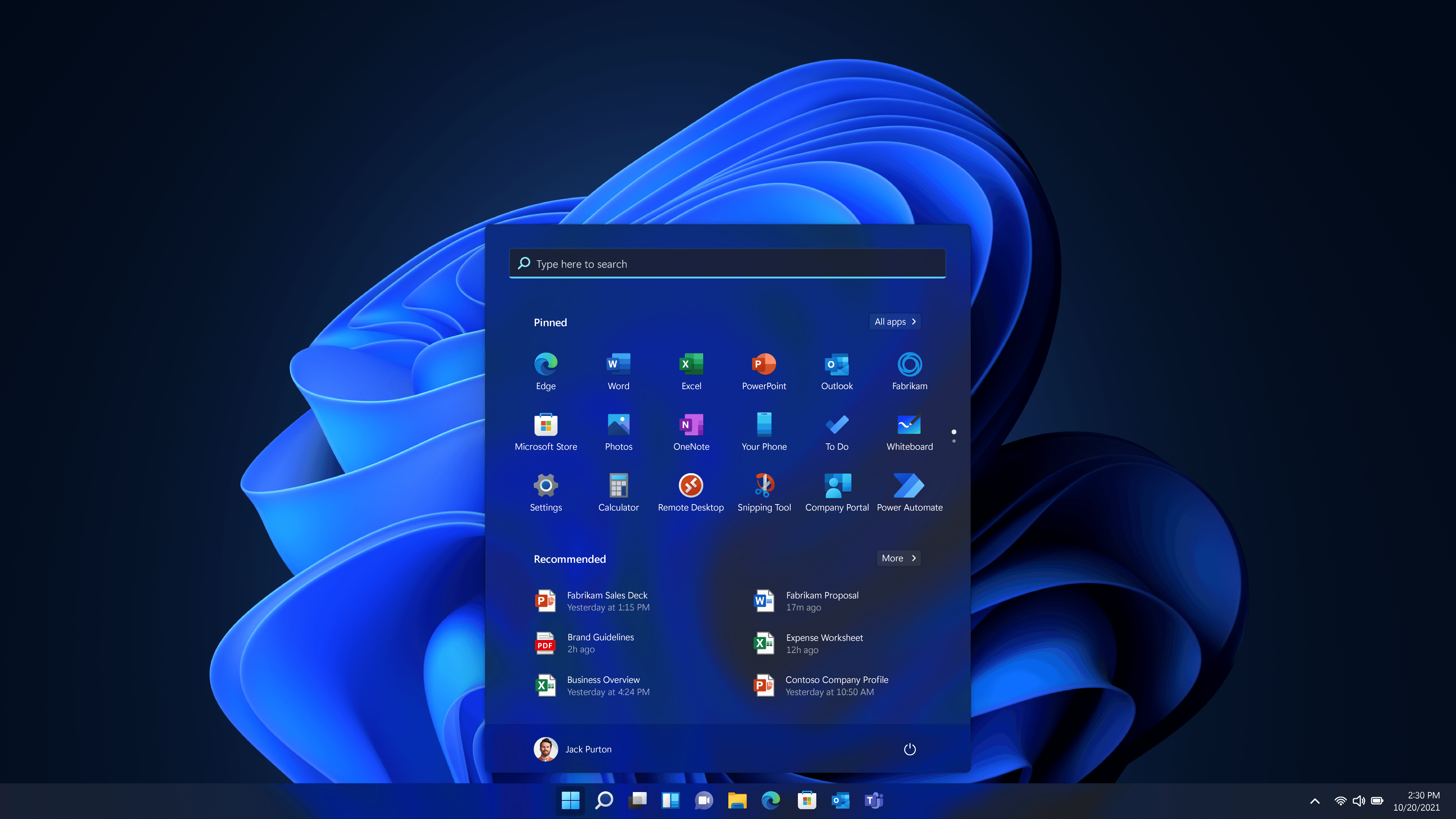
Microsoft's web-based Outlook replacement for Windows 11 faces mounting criticism as users report sluggish performance and poor tablet compatibility. The company replaced its native Mail, Calendar, and People applications at the end of 2024 with a consolidated Outlook app that essentially wraps the Outlook.com website in an app window.
Reports indicate Microsoft plans to deprecate the classic Win32 Outlook client that ships with Microsoft Copilot 365, formerly Office 365. This move leaves Windows users with what critics describe as a slow, clunky, and visually messy email experience that struggles in tablet mode.
The Outlook transition represents a broader trend of Microsoft injecting web technology into Windows 11 through Edge WebView2 components. These web-based elements appear in the Widgets Board, Windows Search, Copilot app, Sticky Notes, Photo app's image editor, and Clipchamp video editor.
WebView2 renders Chromium website elements within wrappers instead of using native UI techniques, according to technical analysis. This approach reduces responsiveness, compromises touch optimizations, and increases background memory usage as browser-based processes need to boot from sleep.
Enter Wino Mail, a free and open-source email client alternative that serves as a forked clone of Microsoft's original Mail app. The developer started the project after Microsoft deprecated the native Mail application, aiming to preserve the user experience millions have used since Windows 8.
"I'm a big fan of Windows Mail & Calendars due to its simplicity," the developer wrote on GitHub. "Personally, I find it more intuitive for daily use cases compared to Outlook desktop and the new WebView2 powered Outlook version."
Wino Mail upgrades the original app to support modern WinUI3 framework and Fluent Design 2 principles with Mica material surfaces. The application delivers immediate email notifications even when all active windows are closed and consumes minimal background resources.
The app includes built-in touch gestures for swiping to refresh inboxes and deleting emails, addressing tablet usability concerns that plague the new Outlook. Wino Mail supports Microsoft Live Accounts, Gmail, IMAP, and SMTP protocols, allowing users to add three separate email addresses simultaneously.
Available through the Microsoft Store and GitHub, Wino Mail offers theme customization, accent color adjustments, spacing controls, panel length settings, and default mailbox configuration. While lacking some advanced Outlook features, its simplicity and performance appeal to users frustrated with Microsoft's web-based approach.
Microsoft's broader Windows 11 strategy faces criticism beyond email applications. The company's aggressive AI integration has sparked user backlash over performance degradation and privacy concerns, according to industry reports. This contrasts with Google's approach to AI in Gmail, which focuses on practical assistance rather than system-wide integration.
Users complain of increased boot times, higher memory usage, and frequent glitches disrupting workflows. The Copilot sidebar reportedly pops up uninvited and slows multitasking, while Microsoft CEO Satya Nadella has dismissed criticisms of AI quality, urging focus on potential advancements.
Microsoft claims 30% of new Windows code is AI-generated, raising concerns about quality control amid reports of bugs like malfunctioning Task Managers that multiply instead of closing. Industry reports suggest consumers remain confused and uninterested in AI PCs, with some hardware partners acknowledging marketing challenges.
The timing coincides with Windows 10 reaching end of support in late 2025, making 2026 an ideal upgrade year. Third-party retailers currently offer Windows 11 Pro keys for approximately $24, though users upgrading face Microsoft's evolving application ecosystem.
Wino Mail represents a growing category of third-party applications filling gaps left by Microsoft's transition to web-based solutions. As the company continues integrating AI and web technologies across Windows 11, alternatives like Wino Mail demonstrate ongoing demand for native, performant applications that prioritize user experience over engineering convenience.