
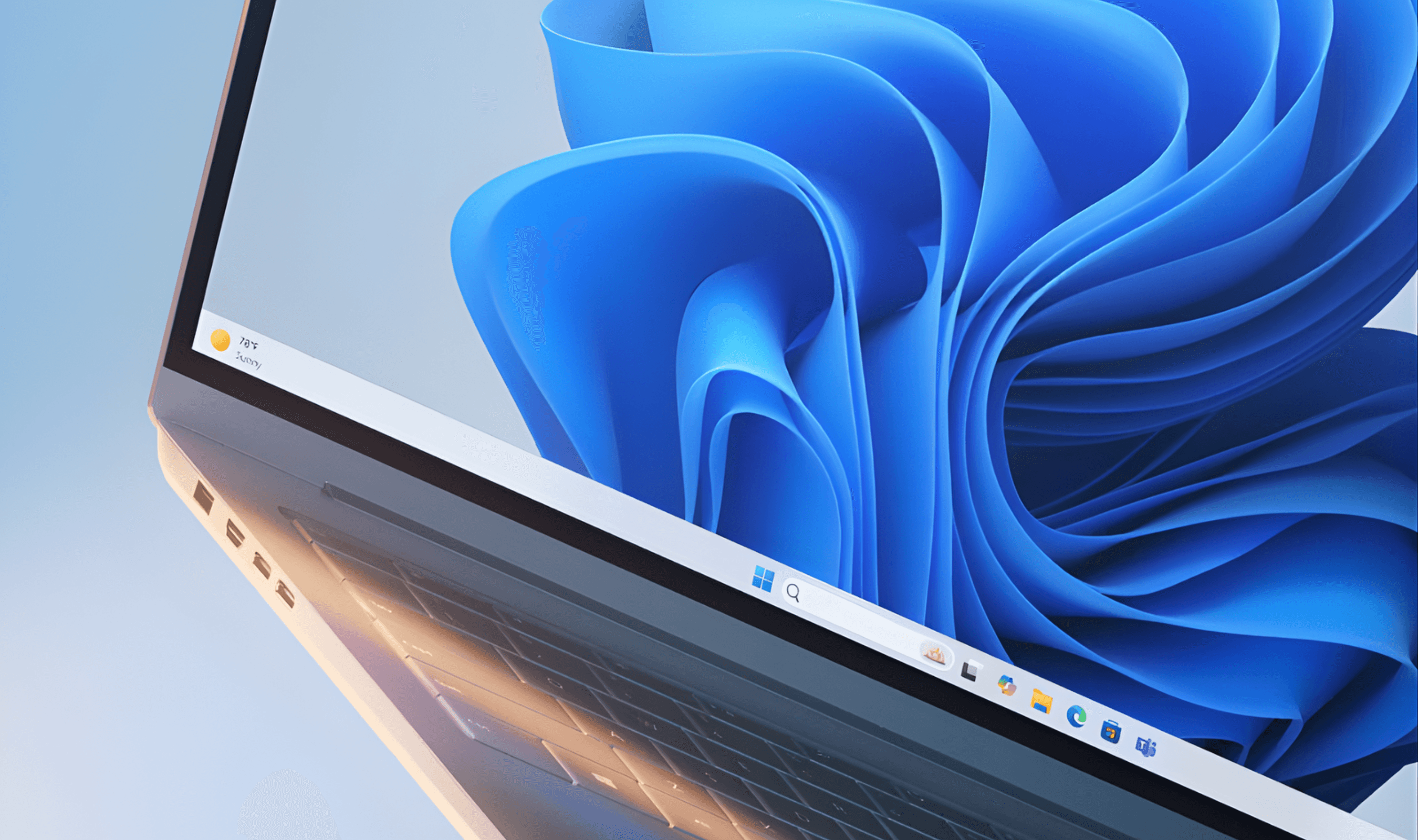
Microsoft confirmed Windows 11 26H1 will ship exclusively on new hardware, breaking from its traditional update model. The company is building an entirely new operating system from the ground up rather than delivering it as an over-the-air update to existing PCs.
Current Windows 11 users will instead receive Windows 11 25H2, which provides security improvements and some new features but lacks the architectural changes of 26H1.
This marks Microsoft's most significant Windows platform shift in over a decade, according to documentation first reported by TechRadar.
The 26H1 release represents a clean break from Microsoft's cumulative update approach, as it's built on a different Windows core than versions 24H2 and 25H2, which is why there's no upgrade path from existing systems.
Each new Windows feature release has historically maintained backward compatibility with an expanding matrix of hardware configurations and driver stacks. By starting fresh, Microsoft's engineering teams can optimize the operating system for modern hardware without supporting older configurations.
Microsoft ties Windows 11 26H1 to new ARM-based hardware, specifically devices with Qualcomm Snapdragon X2 Series processors (and potentially Nvidia N1X chips), to ensure every device includes necessary AI acceleration capabilities.
Most existing Windows PCs lack the specialized processors required for advanced AI features woven into the new OS architecture. This hardware requirement creates a two-tier ecosystem where devices running legacy-compatible Windows 11 receive different capabilities than those with the new foundation.
Existing Windows 11 devices will continue receiving security patches and feature updates through the 25H2 track. Microsoft has confirmed these PCs won't suddenly become obsolete or unsupported.
However, the most advanced capabilities coming to Windows will remain exclusive to the new platform running on compatible hardware.
The architectural shift arrives as Microsoft implements broader security changes across its operating system. The company recently announced Windows Baseline Security Mode, which requires properly signed apps and drivers by default.
This "secure by default" approach includes a per-app permission system similar to Android's model, where applications must request access to sensitive resources like files, cameras, and microphones.
Windows Platform Engineer Logan Iyer acknowledged users increasingly encounter apps that override system settings or install background components without clear consent. Microsoft's new consent-first model aims to provide stronger protections while maintaining compatibility with traditional desktop applications.
The timing coincides with Windows 10's extended support phase. Microsoft ended mainstream support for Windows 10 in October 2025, though Extended Security Updates remain available through October 2026 for consumers willing to pay $30.
According to StatCounter, Windows 11 installations surpassed Windows 10 in June 2025, reaching 53.7% market share compared to Windows 10's 42.7%.
Enterprise IT departments face compatibility questions about legacy line-of-business applications running on the new 26H1 architecture. Microsoft hasn't provided detailed compatibility guidance yet, creating uncertainty for organizations with custom software dependencies.
The company has historically offered Extended Security Updates programs for businesses needing extended support timelines.
Developers receive new tools and APIs to adapt applications for Windows Baseline Security Mode. Apps can check whether the security mode is active and whether special permissions have been granted.
Microsoft provides documentation to help software makers comply with the stricter security requirements rather than being blindsided by new restrictions.
The hardware requirement for Windows 11 26H1 follows Microsoft's pattern of establishing new compatibility thresholds. Windows 11 originally introduced TPM 2.0 and Secure Boot requirements that excluded many older PCs.
Now with 26H1 introducing another hardware barrier, pressure increases on users with incompatible systems to upgrade their hardware.
Microsoft's phased rollout approach for security features contrasts with the clean break represented by Windows 11 26H1. The company tests new security models with partners and developers before making them universal, ensuring existing "well-behaved" applications continue functioning during the transition period.
Enterprise customers can save resources through Baseline Security Mode and the new consent system, according to Microsoft. IT administrators gain better visibility into what runs on employee devices, what permissions applications use, and where potential security risks exist.
Security vendors including 1Password, Adobe, CrowdStrike, and OpenAI support the initiative.
Microsoft maintains Windows will remain an open platform despite the stricter security defaults. Users can still install almost any application, developers can distribute software outside the Microsoft Store, and power users can override protections when needed.
The difference is these actions become more visible and deliberate under the new security model.
Windows must "both remain an open platform and be secure by default,"
states the company's blog, acknowledging users want stronger protections without sacrificing compatibility. Microsoft's engineering teams and ecosystem partners support moving Windows closer to modern mobile platform security models while preserving the flexibility that made Windows successful.