iPhone Fold: Everything We Know So Far

iPhone Fold (Foldable iPhone): Release Date, Price, Specs & Latest Leaks

Jan 1, 2026
9 min read
Set Technobezz as preferred source in Google News
Technobezz
iPhone Fold: Everything We Know So Far

Don't Miss the Good Stuff

Get tech news that matters delivered weekly. Join 50,000+ readers.

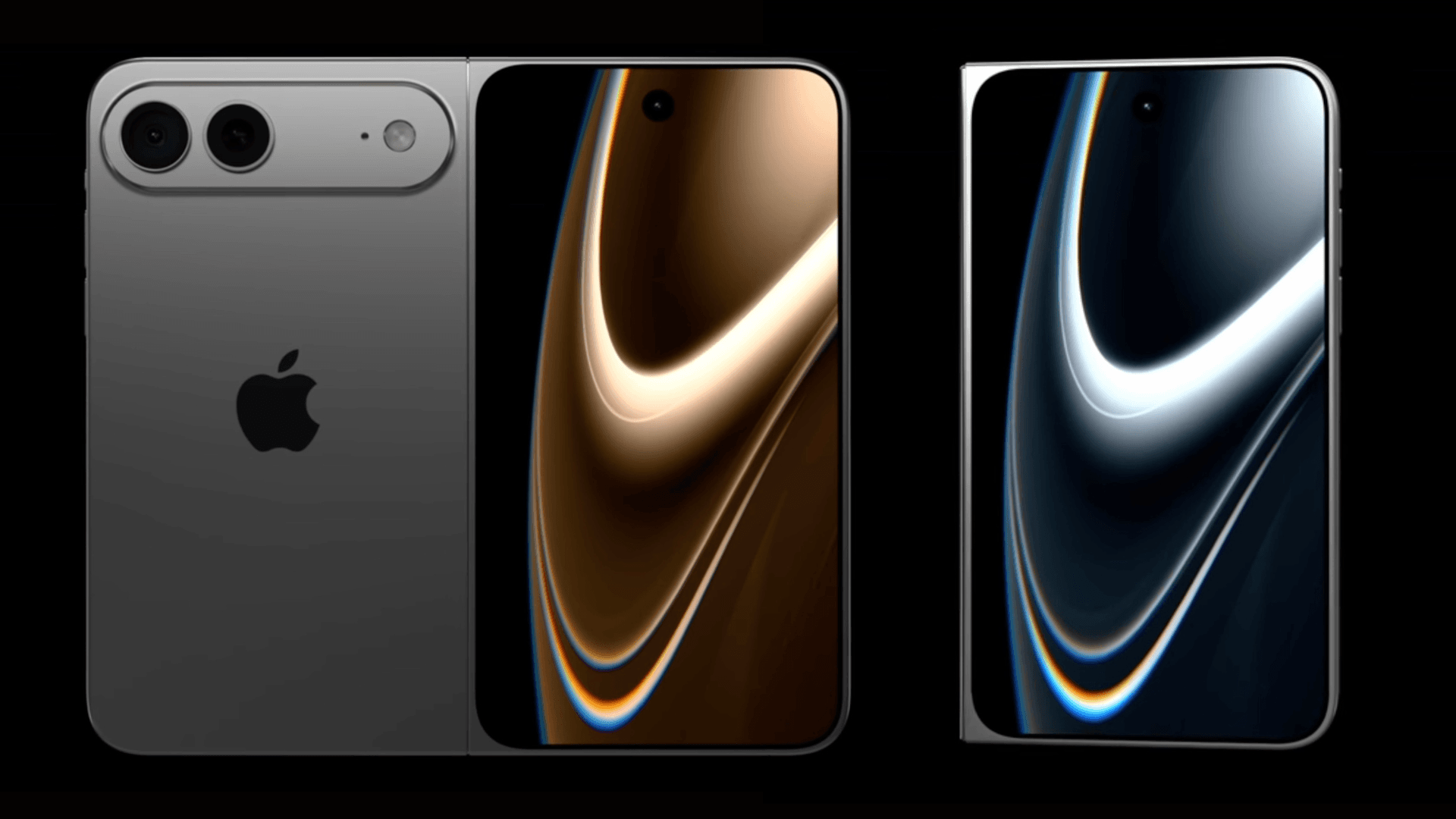
Updated December 31, 2025: Tipster Jon Prosser released detailed 3D renders on Christmas Eve showing a book-style foldable with 7.8-inch inner and 5.5-inch outer displays. Analyst Ming-Chi Kuo warns of potential supply shortages extending into 2027 due to production challenges.

Hinge costs reportedly dropped to $70-80 per unit. Battery capacity now confirmed in 5,400-5,800mAh range. Samsung developing competing "Wide Fold" with 4:3 aspect ratio for fall 2026.


After years of watching Samsung, Google, and others dominate the foldable smartphone space, Apple appears ready to finally enter the fray.

If the latest round of leaks and analyst reports are accurate, we could see the first foldable iPhone as soon as September 2026. Here's what we know so far about what might be Apple's most ambitious iPhone yet.

See also - iPhone 18: Everything We Know So Far

iPhone Fold Specs at a Glance

Here's everything we know so far, based on the most reliable leaks and analyst reports:


Release Date: Expected September 2026 (supply shortages may limit availability into 2027)
Inner Display: 7.8-inch foldable OLED with 4:3 aspect ratio when unfolded
Outer Display: 5.5-inch cover screen with hole-punch camera
Thickness: 9mm folded, 4.5mm unfolded (thinner than iPhone Air)
Processor: A20 Pro chip (TSMC 2nm process with WMCM packaging)
Modem: Apple C2 with mmWave 5G support
RAM & Storage: 12GB RAM, 256GB/512GB/1TB options
Camera System: Four cameras total: dual 48MP rear, under-display 24MP inner camera, front hole-punch selfie camera
Battery: 5,400-5,800mAh (largest iPhone battery ever)
Biometrics: Touch ID in power button (no Face ID)
Crease: Nearly invisible using liquid metal hinges and pressure-dispersing metal plates
Colors: Black and White only
Starting Price: $2,000-$2,500 (most estimates around $2,400)
Availability Warning: Limited supply expected at launch; smooth shipments may not occur until 2027

iPhone Fold Release Date & Availability

Apple's approach to new product categories has always been "wait, watch, and refine," and foldables are no exception. While Samsung launched its first Galaxy Fold back in 2019 and has iterated through seven generations since, Apple has reportedly been developing its own foldable technology for nearly a decade.

According to multiple sources including, the company is targeting a September 2026 launch for what's being unofficially called the iPhone Fold.

That timing would place it alongside the iPhone 18 Pro models, creating what could be Apple's most expensive iPhone lineup ever. Some reports suggest the company might split its release schedule, with Pro models and the Fold arriving in fall 2026, while standard iPhone 18 models could wait until spring 2027.

However, analyst Ming-Chi Kuo issued a warning in December 2025 that could dampen launch expectations. According to Kuo, development of the foldable iPhone is "behind earlier expectations," and due to early-stage yield and ramp-up challenges, smooth shipments may not occur until 2027.

Kuo compared the situation to the iPhone X launch in 2017, noting that consumers may not get their hands on the device until late 2026 or even 2027.

Apple reportedly estimates shipping between 8 and 10 million units in the first year, though those projections will likely be revised downward. Apple sees the foldable iPhone as a product it needs to launch in 2026, "even if the volume is small," since foldables could represent the next major smartphone evolution before smart glasses can replace them.

iPhone Fold Design, Display & Dimensions

Unlike the clamshell-style flip phones that have gained popularity, Apple appears to be opting for a book-style design similar to Samsung's Galaxy Z Fold series. On Christmas Eve 2025, tipster Jon Prosser released detailed 3D renders showcasing the device in what he describes as "book-style glory."

The renders show a device that unfolds to reveal a 7.8-inch inner display with a 5.5-inch outer screen, both featuring hole-punch cameras.

t 4.51.50 PM.png
Click to expand
Image credit : fpt. -Youtube

The aspect ratio is particularly interesting: multiple sources report Apple is targeting a 4:3 ratio when unfolded. This wider format addresses one of the main complaints about current foldables - the letterboxing effect during video playback. When you think about it, that makes perfect sense for a company that's been perfecting tablet displays for years.

folda.png.webp
Click to expand
Image: Apple/US Patent and Trademark Office

What really sets Apple's approach apart, though, is the reported focus on eliminating the visible crease that plagues most foldables. According to leaks from Front Page Tech and analysis from multiple tech publications, Apple is combining pressure-dispersing metal plates with liquid metal hinges and an in-cell touch panel to minimize crease visibility.

The goal, as one report put it, is a "nearly invisible" crease when the device is unfolded.

iPhone Fold Thickness & Touch ID

If the leaked dimensions are accurate, the iPhone Fold could be Apple's thinnest device ever. Reports suggest it would measure just 4.5mm when unfolded and around 9mm when closed. For comparison, that's thinner than the iPhone Air's 5.6mm profile, which currently holds the title as Apple's slimmest smartphone.

4.49.28 PM.png
Click to expand
Image credit : fpt. -Youtube

This pursuit of thinness reportedly comes with some trade-offs. Multiple sources including MacRumors and WhatHiFi indicate Apple may forgo Face ID in favor of Touch ID integrated into the power button. The thinking here is that eliminating the TrueDepth camera system saves valuable internal space while maintaining secure authentication - a solution Apple already uses on its iPad mini.

See also - Samsung Galaxy S26 Ultra: Everything We Know So Far

A20 Pro Chip, C2 Modem & Pricing

Under the hood, the iPhone Fold is expected to feature Apple's A20 chip, built on TSMC's 2nm process. This next-generation silicon should deliver performance improvements while maintaining the power efficiency that's crucial for foldable devices.

The transition to 2nm technology, according to chip analysts, could bring up to 15% faster performance and 30% better power efficiency compared to current A19 chips.

The iPhone Fold will also debut Apple's second-generation C2 modem, succeeding the C1 modem found in the iPhone 16e. Built on TSMC's 4nm process, the C2 is expected to include mmWave 5G support, a feature missing from both the C1 and C1X modems.

This should bring Apple closer to parity with Qualcomm's offerings while maintaining the battery efficiency benefits of in-house silicon.

On the manufacturing front, costs appear to be coming down. Analyst Ming-Chi Kuo recently reported that the iPhone Fold's hinge will carry an average selling price of approximately $70 to $80 when mass production begins, well below the market expectation of $100 to $120.

Kuo attributed the cost decline to "assembly design optimization" and Foxconn's influence in production scaling.

Whether this reduction will lower the retail price or simply bolster Apple's margins remains an open question.

Now, about that price tag. This is where things get interesting - and expensive. Estimates from various analysts, including Ming-Chi Kuo and reports from Barclays Bank, put the iPhone Fold in the $2,000 to $2,500 range.

That's significantly higher than even the iPhone 18 Pro Max is expected to cost, positioning Apple's first foldable as a true premium product within an already premium lineup.

Some perspective: Samsung's Galaxy Z Fold 7 starts at $1,999, while Google's Pixel 10 Pro Fold comes in around $1,799. Apple's pricing would represent a substantial premium, but it's worth remembering that this is Apple we're talking about, the company that convinced people to pay $1,000 for a smartphone back when that seemed outrageous.

iPhone Fold vs Samsung Galaxy Z Fold Competition

galaxy-z-fold6-features-kv.jpg
Click to expand
Samsung Galaxy Z Fold

Apple's entry into the foldable market has already prompted competitive responses. According to Korean news site ETNews, Samsung is developing a "Wide Fold" device with a 7.6-inch inner display and 5.4-inch outer display, featuring a 4:3 aspect ratio that mirrors the dimensions Apple is reportedly targeting.

Samsung plans to release this wider foldable in fall 2026, directly competing with the iPhone Fold's launch window. The Wide Fold will join Samsung's traditional Galaxy Z Fold lineup, giving the company two book-style foldables to counter Apple's entry.

This competitive dynamic suggests both companies see potential in wider foldable formats for media consumption and productivity. The timing is also notable: if Apple launches in September 2026, it would be entering a market that Samsung has had to itself for seven years.

Industry analysts at IDC forecast that Apple's entry could accelerate category growth toward 30% annual expansion in 2026.

iOS Integration & Software Features

One area where Apple could have a significant advantage is software integration. While Android foldables have made progress with multi-window modes and app continuity, Apple's control over both hardware and software could enable a more seamless experience.

Reports suggest iOS adaptations for foldable form factors are underway, potentially featuring split-screen apps and enhanced continuity between displays.

There's also speculation that the device could run a future version of iOS tailored specifically for foldable screens, potentially enabling iPadOS app compatibility. This would make sense given the 7.8-inch display size - it's essentially iPad mini territory when unfolded.

Market Impact & Consumer Demand

The big question, of course, is whether consumers will embrace a $2,000+ foldable iPhone. Market research presents a mixed picture: a CNET survey found that 64% of people said they don't want a foldable phone. However, analysts at IDC forecast a 30% year-over-year growth in the foldable market if Apple were to launch in 2026.

Apple's ecosystem lock-in could be a powerful driver. The company's integration of iCloud, Apple Pay, and the App Store has historically accelerated adoption of new form factors, similar to how the iPhone popularized touchscreens in 2007.

Industry observers predict foldable shipments could reach 48.1 million units globally by 2027, though Apple's potential market share remains speculative.

What We're Still Waiting to Learn

Despite the wealth of leaks, several key details remain unclear. While Jon Prosser's renders confirm four cameras total, the exact sensor specifications for the inner under-display camera and whether optical zoom will be included remain unconfirmed.

Battery capacity has now been confirmed by multiple sources, including analyst Ming-Chi Kuo, to be in the 5,400 to 5,800 mAh range, which would make it the largest battery Apple has ever used in an iPhone, surpassing even the iPhone 17 Pro Max's 5,088 mAh cell.

There's also the question of manufacturing. Some reports suggest Apple may assemble the iPhone Fold in India as part of its broader strategy to diversify manufacturing away from China.

And while most leaks point to a September 2026 launch, some analysts caution that production timelines could slip into 2027 if hinge durability and display longevity issues persist.

Should You Wait for iPhone Fold?

Apple's approach to foldables reflects its typical product strategy: entering markets late but with refined execution. If the company successfully addresses the crease problem that has plagued competitors and delivers the seamless software experience Apple is known for, the iPhone Fold could redefine consumer expectations for foldable smartphones.

The price will undoubtedly be a barrier for many, but for early adopters and Apple enthusiasts, the iPhone Fold represents something more than just another smartphone, it's a glimpse into what Apple believes the future of mobile computing looks like.

Whether that future unfolds in September 2026 or slightly later, one thing seems clear: the foldable iPhone is no longer just a rumor, but an impending reality that could shake up the smartphone market in ways we haven't seen since the original iPhone debuted nearly two decades ago.

Share this article

Help others discover this content