
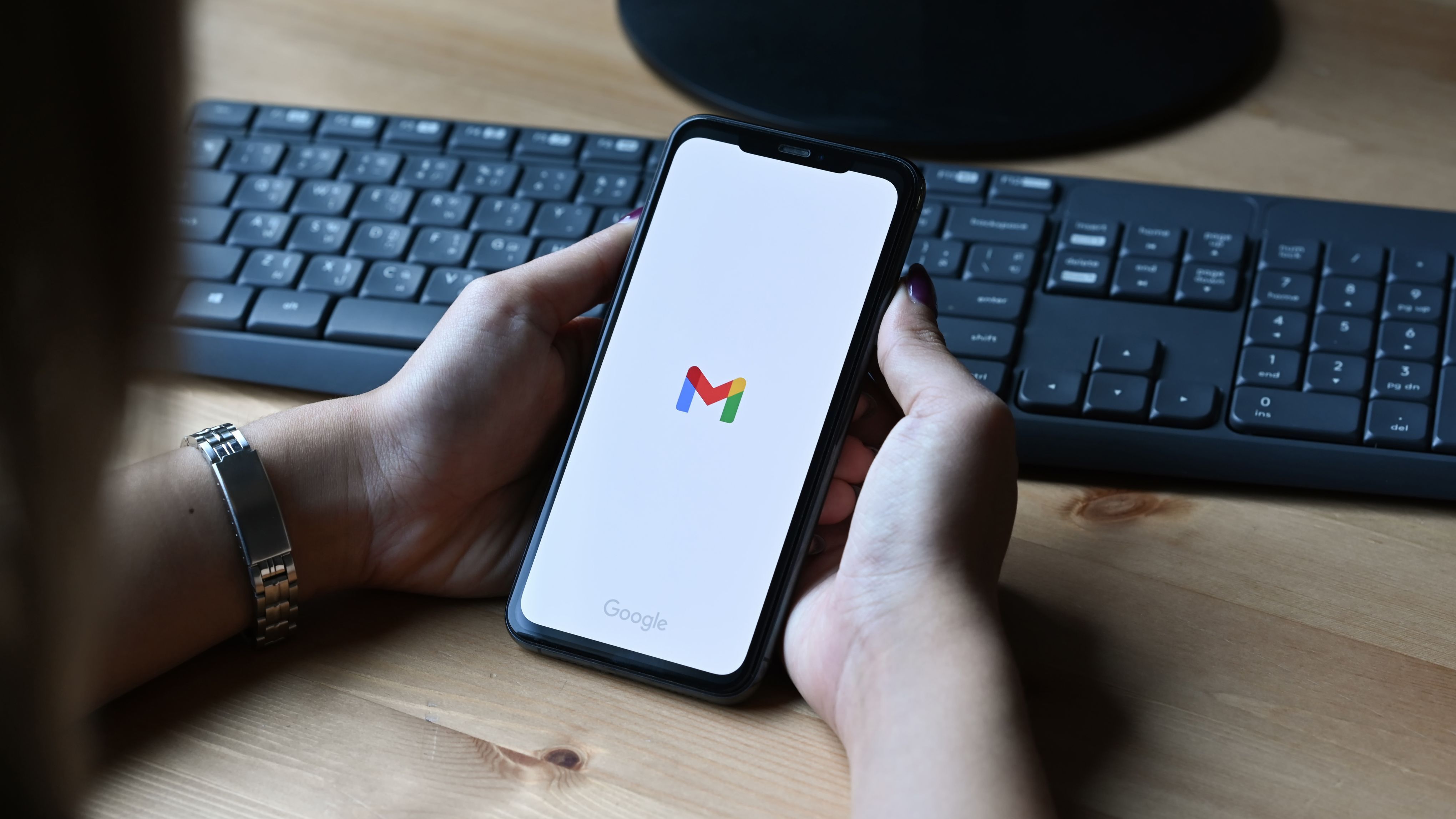
Google now allows Gmail users to change their primary email addresses while retaining all data and services, ending a two-decade restriction that locked users into embarrassing teenage usernames.
The feature, discovered in Hindi-language support documentation this week, creates a dual-address system where old @gmail.com addresses become aliases. Emails sent to either address arrive in the same inbox, and both can be used for login across Google services including YouTube, Drive, Photos, and Play Store.
Users can change their address up to three times per account, resulting in four linked @gmail.com addresses total. After each change, a 12-month waiting period prevents creating another new address. The new address cannot be deleted once set, though users can revert to old addresses if needed.
Google's support page states the option is "gradually rolling out to all users" and may not be immediately available. The Hindi documentation suggests an initial rollout in India or Hindi-speaking regions, with English pages still stating @gmail.com addresses "usually cannot be changed."
The feature was first spotted by the Google Pixel Hub Telegram group and reported by 9to5Google. The Verge has also covered the change, though Google has made no official announcement.
For users with access, the change option appears under Personal Info in Google Account settings. Eligible accounts navigate to myaccount.google.com/google-account-email on desktop, where they can select a new username not already in use.
Google's approach brings Gmail in line with competitors like Microsoft Outlook and Proton Mail, which have long offered alias flexibility. Microsoft Outlook users can easily change primary addresses by adding aliases, while Google previously required creating entirely new accounts and manually transferring data.
The update addresses long-standing user complaints about being stuck with embarrassing or outdated usernames chosen during teenage years. Social media reactions highlight the two-decade wait, with one user noting "Feature needed: 2005. Feature arriving: 2025. Gap: two decades of suffering."
Members of the transgender community and others who have changed their names particularly benefit from the update. The feature allows distancing from former names without losing access to years of stored data, photos, messages, and service connections.
Google has implemented several safeguards to prevent abuse. The 12-month waiting period between changes discourages rapid identity cycling, while the three-change limit per account prevents excessive address creation. Old addresses remain active indefinitely, ensuring contacts using outdated handles can still reach users.
Some legacy displays may temporarily show original addresses after changes. Older Calendar events, shared documents, and certain system surfaces might retain old addresses until updates propagate through Google's infrastructure.
The feature carries specific complications for certain users. Chromebook users face particular issues, and Google recommends backing up data as some settings may reset similar to signing into a new device. Chrome Remote Desktop connections require reconfiguration after address changes.
Users relying on Sign in with Google for third-party sites may lose access to accounts created through that authentication method. Password reset emails, two-factor authentication prompts, and account recovery flows may continue referencing original usernames.
Google's cautious rollout suggests infrastructure testing before global availability. The India-first approach and Hindi-only documentation indicate limited internal prioritization, with users in Europe and North America potentially waiting months for access.
The update represents a significant architectural shift for Google, which has spent years turning Gmail addresses into universal identity keys across Android, Chrome sync, YouTube, payment systems, and third-party services. Changing this required rebuilding how Google handles account identity rather than simply adding a rename button.
For millions regretting early-2000s usernames, the feature offers rebranding without starting over. However, users expecting a clean break will find both addresses remain active, with old handles still accessible to anyone who knows them.
Professional contacts, mailing lists, subscription services, and account recovery setups all require manual updates after changes. Google provides the new address but cannot force the internet to recognize it, leaving transition work entirely to users.
The timing aligns with broader privacy and identity management trends. Users increasingly seek control over digital footprints, and email addresses have become liabilities in data breaches, spam targeting, and unwanted contact persistence.
Users with heavily entangled digital lives should consider whether the work of updating external services justifies a fresh start. Those with established systems including filters, forwarding rules, and external integrations face significant transition complexity.
Google's documentation warns that availability, specific limits, and behavior may change without notice as the rollout progresses. The company has not announced a global timeline, leaving users uncertain when the option will reach their accounts.