
Battlefield 6 players accuse EA of selling AI-generated cosmetics in a $10 bundle, contradicting earlier promises that the game would contain no visible AI content.
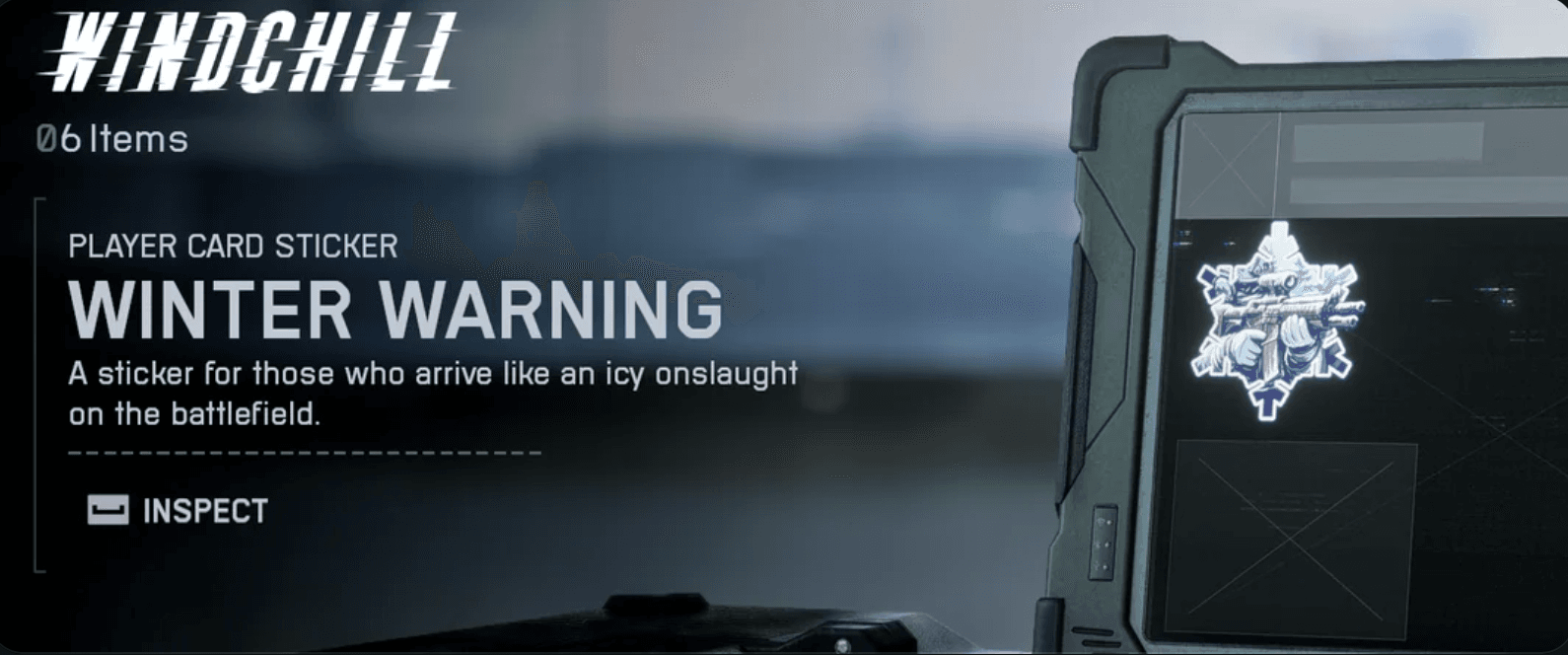
The controversy centers on a "Winter Warning" player card sticker in the Windchill cosmetic pack, priced at 900 Battlefield Coins (approximately $10). Players spotted a double-barreled M4A1 assault rifle in the artwork, a common AI generation error where weapons gain extra components. The soldier's hand position and scope alignment also appear improperly rendered.
Reddit user Willcario posted "Remove this AI shit from the store" in a thread that gained 4,600 upvotes over the weekend. "I would literally prefer to have no sticker than some low quality AI generated garbage," they wrote, referencing similar issues in Call of Duty: Black Ops 7.
EA VP Rebecka Coutaz told BBC Newsbeat in October that players wouldn't see anything made by generative AI in Battlefield 6. She described the technology as "very seducing" but said the studio hadn't found ways to integrate it into daily development workflows. Coutaz clarified that AI was used only in preparatory stages "to allow more time and more space to be creative."
CEO Andrew Wilson has positioned AI as central to EA's strategy, calling it "the very core of our business" during September's Investor Day presentation. According to a Financial Times report, EA's new owners spent $55 billion to take the company private and are betting on generative AI to cut costs and accelerate development.
The Windchill bundle includes six items total, with the Winter Warning sticker drawing immediate scrutiny. Players noted the rifle's ejection port cover appears duplicated alongside the double barrel issue. Another user, DEMIG0DX, used AI tools to "fix" the image by removing the erroneous second barrel.
Battlefield 6 currently lacks the AI content disclosure required by Valve's Steam store policy. Call of Duty: Black Ops 7 added such a disclaimer earlier this year after Valve changed platform rules. Activision's Steam page now states "Our team uses generative AI tools to help develop some in game assets."
This marks Battlefield 6's first significant AI controversy following a strong commercial launch. The game reportedly leads 2025 US sales charts, outperforming Call of Duty: Black Ops 7 according to Circana data. EA has not commented on the specific allegations but is reportedly investigating the winter cosmetics according to Kotaku sources.
The gaming industry faces growing AI scrutiny as publishers balance cost-cutting against player backlash. Earlier this month, Clair Obscur: Expedition 33 lost its Indie Game of the Year award over AI use. Baldur's Gate 3 developer Larian also plans to address concerns about AI in its upcoming Divinity title.
EA's internal AI push extends beyond Battlefield. The company used generative tools to create the NHL 26 Deluxe Edition cover last month, and EA Sports credited AI with improving College Football 25's development. Sony has similarly used machine learning to accelerate Marvel's Spider-Man 2 production.
Battlefield Studios previously removed the Wicked Grin skin in October after player complaints about unrealistic coloring. The studio has shown responsiveness to cosmetic feedback but hasn't addressed the current AI allegations. Steam user reviews haven't yet reflected the controversy, maintaining the game's positive reception.
Valve's disclosure requirements add platform pressure for clearer AI usage communication. Battlefield 6's 2026 roadmap focuses on refinement rather than reinvention, according to developer statements. The team plans gameplay balance improvements, system updates, and quality-of-life changes across all modes. New content will continue through seasonal updates with more flexible rollout schedules.
AI adoption in game development shows no signs of slowing despite community pushback. Major publishers see the technology as essential for managing rising production costs and timelines. The Battlefield 6 sticker controversy demonstrates how even minor cosmetic items can trigger significant player reactions when AI suspicions arise.
EA faces decisions about disclosure, quality control, and communication as generative tools become more integrated. The company's investigation results and any policy changes will set precedents for future AI implementation across its portfolio. Player trust hangs on transparent handling of the current allegations.