
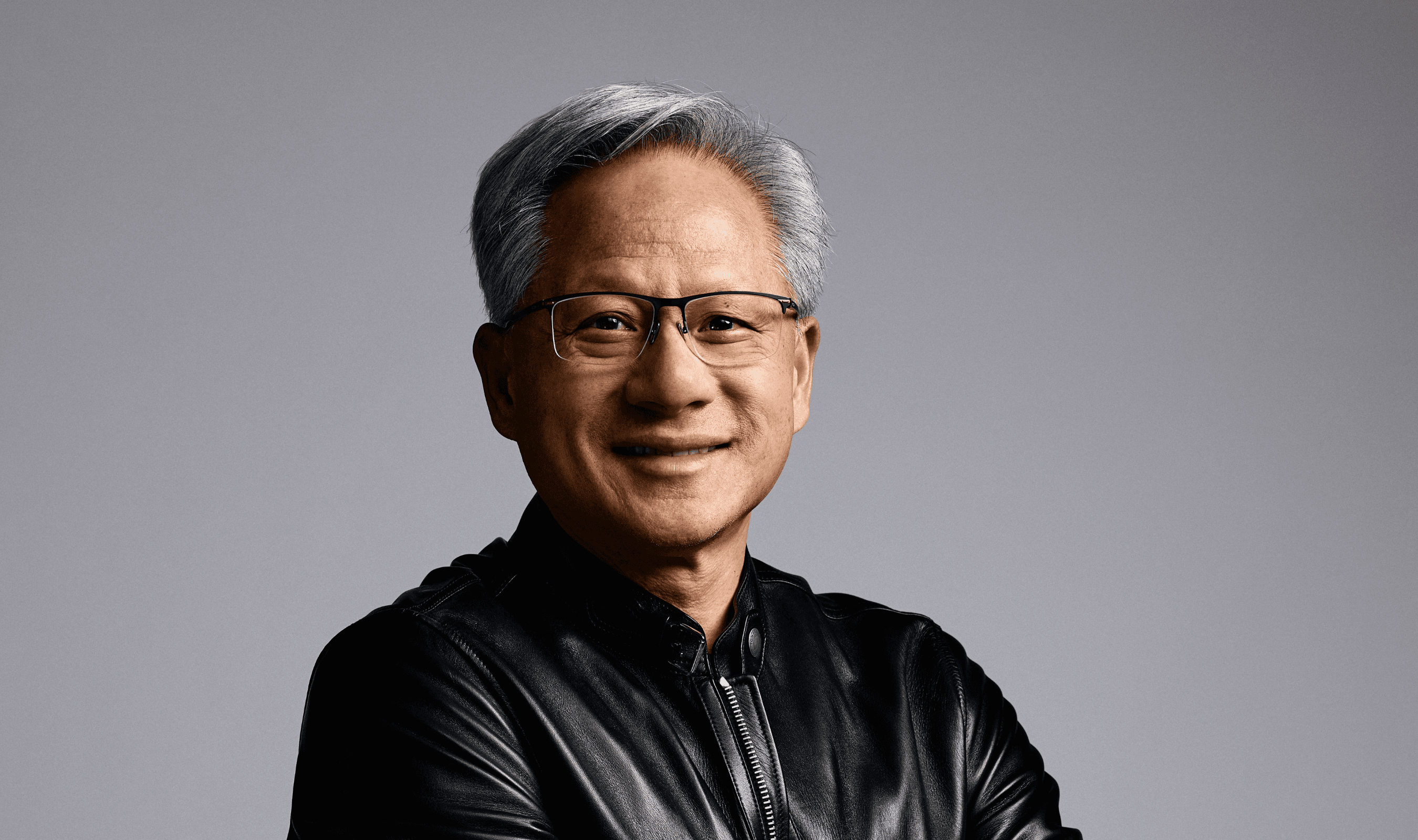
A new wave of artificial intelligence is shifting from answering questions to taking action, with Nvidia CEO Jensen Huang declaring the OpenClaw platform "definitely the next ChatGPT." Speaking at Nvidia's GPU Technology Conference in San Jose this week, Huang positioned autonomous AI agents as the next major breakthrough in how humans interact with technology.
OpenClaw enables users to operate AI systems through dynamic interactions that lead to better productivity than traditional methods of using AI as a static tool. The technology allows agents to not only answer queries but also perform actions with little or no assistance from humans.
"It is now the largest, most popular, the most successful open-sourced project in the history of humanity,"
Huang told CNBC's Jim Cramer during a "Mad Money" interview from the conference sidelines. To capitalize on OpenClaw's momentum, Nvidia announced NemoClaw on Monday, an enterprise-grade version that layers Nvidia's software stack and tools on top of the platform.
Designed to help organizations build and manage AI agents using the open-source framework, NemoClaw features enterprise-oriented security controls and allows organizations to deploy AI agents on their own infrastructure while maintaining control over how those systems operate. The platform can be deployed through a simplified setup process and enables enterprises to build agent systems while managing security and operational policies.
According to Nvidia, companies should begin planning how AI agents will be integrated into their technology strategies now rather than waiting for broader adoption.
Huang illustrated the power of these autonomous systems with a kitchen design scenario. Users can provide a single instruction like "design a kitchen," and the system will determine the required process, learn through each step, and return with a completed design.
"It will go off and learn, come back with a design, and reflect on that,"
he said, highlighting the system's ability to self-improve without deep expertise from users.
This capability represents what Huang sees as bridging manual labor and high-level design work. According to Huang, such tools could be used by individuals such as carpenters or plumbers, enabling them to become better at their work while expanding what they can accomplish professionally.
The announcement comes amid significant shifts in enterprise AI adoption patterns. Research firm Gartner reported in January 2026 that governance platforms for AI agents would become essential infrastructure for enterprise adoption of the technology.
Earlier this year, OpenAI launched Frontier, another platform designed for organizations to build autonomous agent systems.
Nvidia acknowledged that the current version of NemoClaw may contain limitations as development continues. "Expect rough edges," the company wrote on its website, adding that future updates will focus on production-ready orchestration tools for running AI agents in controlled environments.
During his GTC keynote, Huang also revealed broader industry projections about computing demand growth. He said computing demand has increased by one million times over the last few years and projected that purchase orders for Nvidia's Blackwell and Vera Rubin platforms could reach $1 trillion by 2027.