
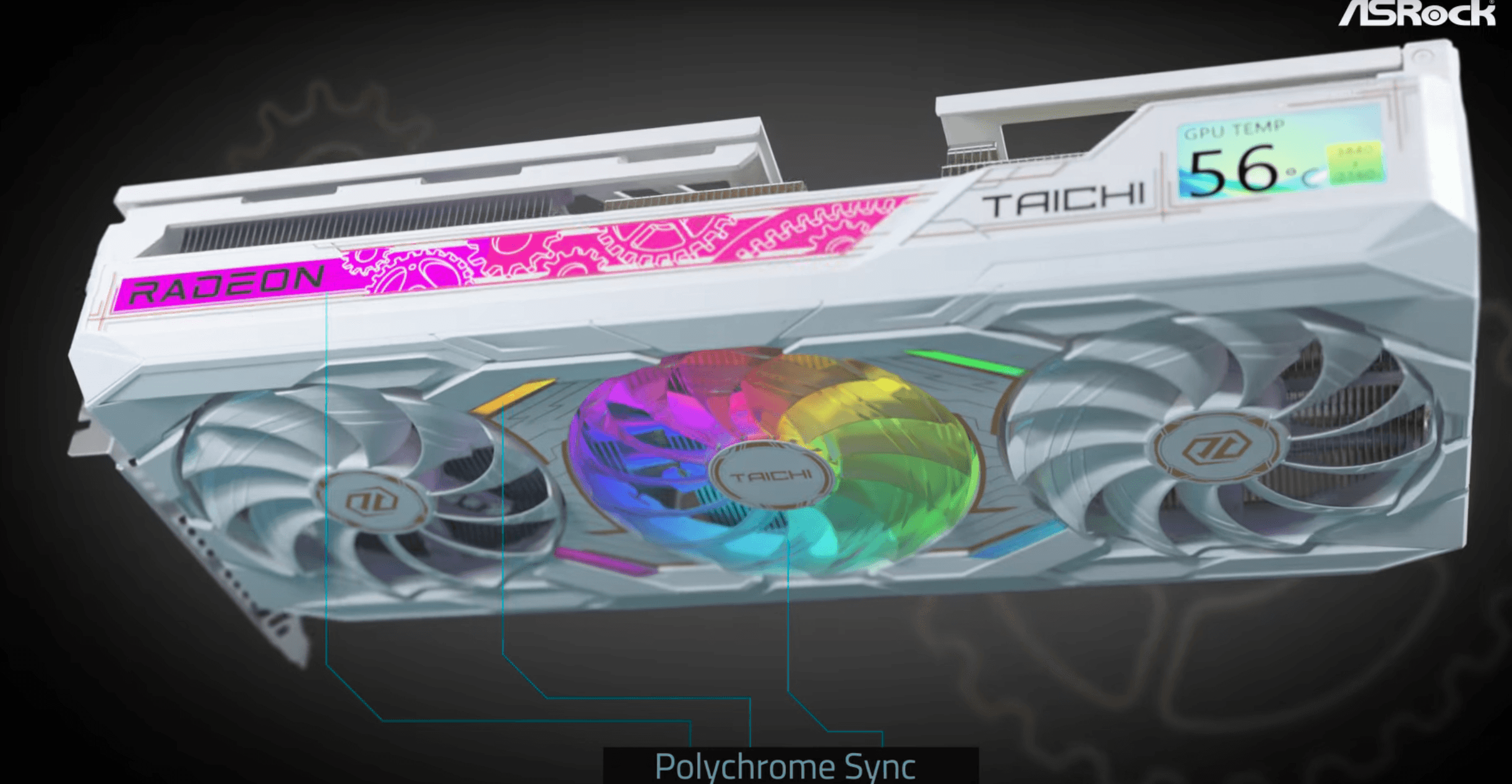
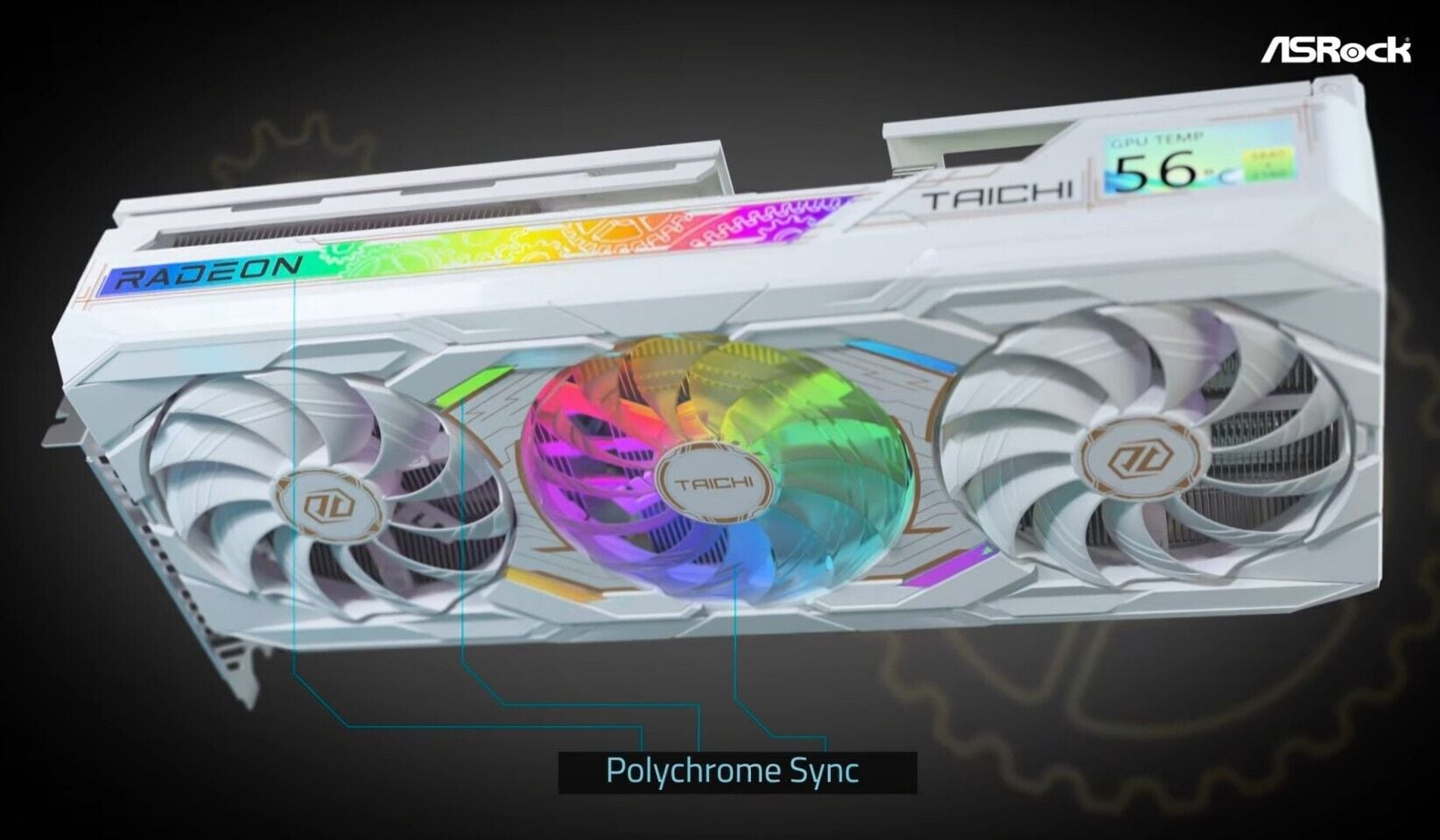
ASRock has just unveiled what might be the most visually distinctive RDNA 4 graphics card yet - the Radeon RX 9070 XT Taichi White. This isn't just another GPU refresh; it's a premium white-themed powerhouse that adds something Radeon cards have rarely featured: a built-in LCD display.
The timing is interesting, coming just as AMD quietly expanded its RDNA 4 lineup with a low-power variant of the RX 9060 XT. While that card focuses on efficiency with a reduced 140W TDP, ASRock's new offering goes in the opposite direction - it's all about premium aesthetics and at-a-glance monitoring for enthusiasts who want their hardware to stand out.
White Out, Screen In
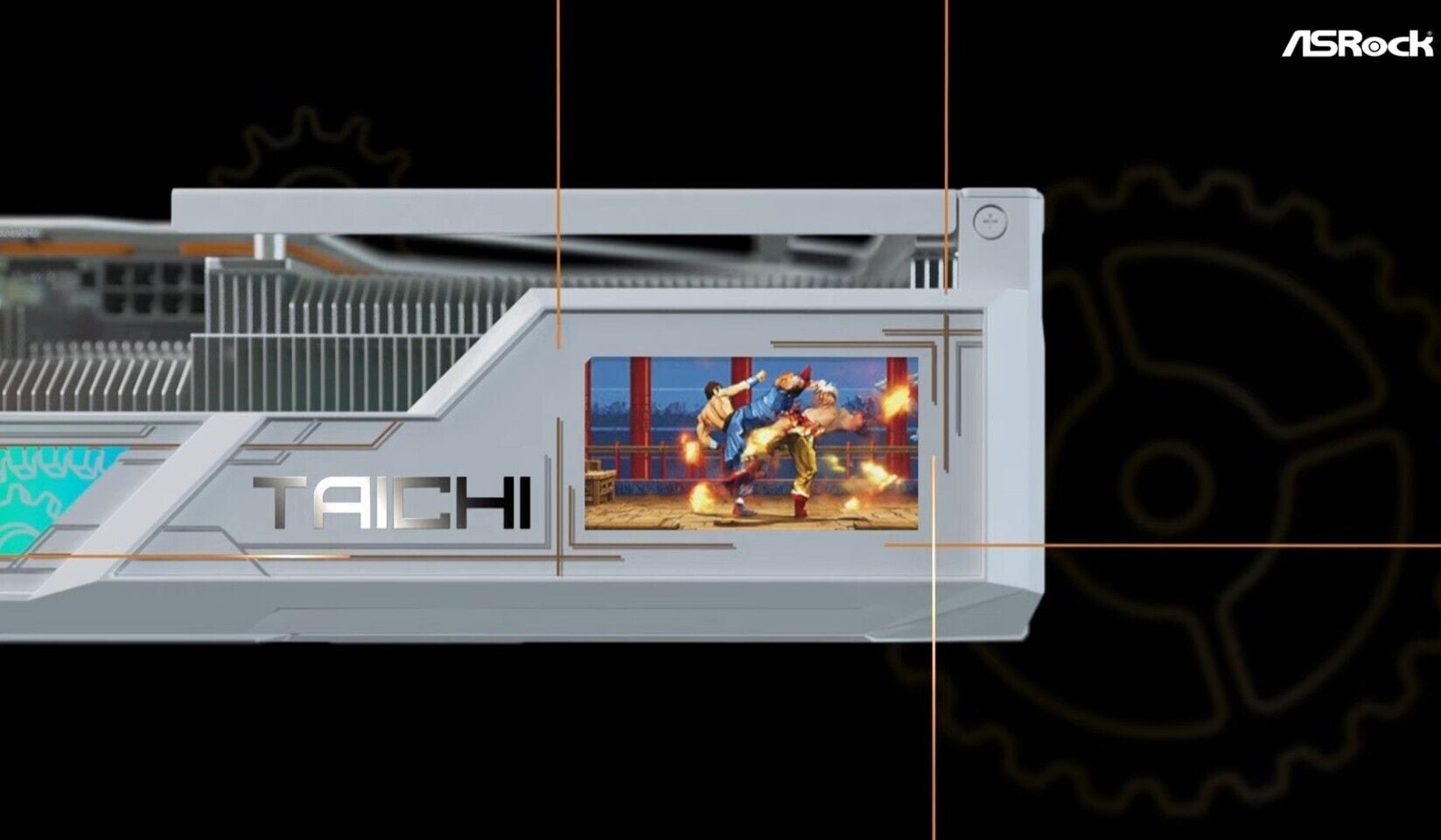
What immediately sets the Taichi White apart is its complete visual overhaul. According to multiple hardware sites that spotted the announcement, the card features an almost entirely white shroud and PCB, clearly targeting the growing market for themed PC builds. But the real headline feature is that integrated color LCD display - a roughly 2-inch screen built directly into the card's right side.
Here's where things get practical: that screen isn't just for show. Through ASRock's PolyChrome Sync software, users can customize it to display real-time system information like GPU temperatures, clock speeds, and power consumption. No more alt-tabbing out of games to check monitoring software, the data is right there on the card itself. The display can also show static images, animations, or even practical information like the time, date, and weather forecasts.
Power and Performance
Underneath that white exterior, ASRock hasn't compromised on the hardware. The Taichi White retains the high-end power delivery configuration from the black Taichi OC edition, complete with a robust VRM design and a single 16-pin 12V-2×6 power connector rated for up to 450W. That places it among the more power-capable custom RX 9070 XT models currently available.
Factory overclocks push performance beyond AMD's reference specifications. While the standard RX 9070 XT runs at 2400 MHz game clock with up to 2970 MHz boost, the Taichi White is rated for 2570 MHz game clock and can boost up to 3100 MHz. These aren't just paper specs - they suggest ASRock expects this card to deliver strong out-of-the-box performance without requiring manual tuning from users.
Cooling gets serious treatment too, with a triple-fan heatsink featuring eight 6mm nickel-plated copper heatpipes. This setup draws heat away from both the GPU and memory modules, distributing it across a large fin stack designed to maintain stable thermals under sustained load. Given the card's elevated power limit and clock speeds, that cooling capacity isn't just nice to have - it's essential.
The AMD Context
While ASRock was unveiling its premium white card, AMD was quietly doing something very different. The company added a new "LP" (Low Power) variant of the RX 9060 XT to its product pages without any formal announcement. This 140W model represents a 20W reduction from the standard 160W TDP, achieved through slightly lower clock speeds - around 3050 MHz boost instead of 3130 MHz.
The interesting part? Despite the power reduction, AMD kept the full 16GB of GDDR6 VRAM and maintained the same 2048 stream processors and 32 compute units. Peak FP32 performance drops only slightly from 25.6 TFLOPS to 25 TFLOPS, suggesting this is more about efficiency than performance cuts. Initially appearing as a China-exclusive offering, the card has since shown up on AMD's global site, hinting at broader availability.
Market Positioning and Availability
ASRock hasn't disclosed pricing or availability for the Taichi White yet, but given its premium features and distinctive design, expect it to command a higher price than the standard Taichi OC edition. The card clearly targets enthusiasts who want both strong performance and visual customization options in their builds.
Meanwhile, the RX 9060 XT LP appears aimed at a different market segment - compact systems and pre-built PCs where power efficiency and thermal management matter more than overclocking headroom. With a recommended 450W PSU requirement (the same as the standard model despite the lower TDP), it could serve as a drop-in upgrade for systems with limited power headroom.
What's striking about these simultaneous releases is how they represent two different approaches to the same RDNA 4 architecture. AMD focuses on expanding its mainstream lineup with efficiency-focused variants, while board partners like ASRock push the envelope on premium features and aesthetics for the high-end market. Both strategies make sense in a GPU market that's increasingly segmented between budget-conscious buyers and enthusiasts willing to pay for distinctive, feature-rich hardware.
As we head into 2026, this dual approach suggests we'll see more specialization across GPU lineups - not just in performance tiers, but in feature sets and target audiences. Whether you're building a compact, efficient system or a showpiece gaming rig with real-time monitoring built into the hardware itself, there's apparently room for both in AMD's RDNA 4 ecosystem.