
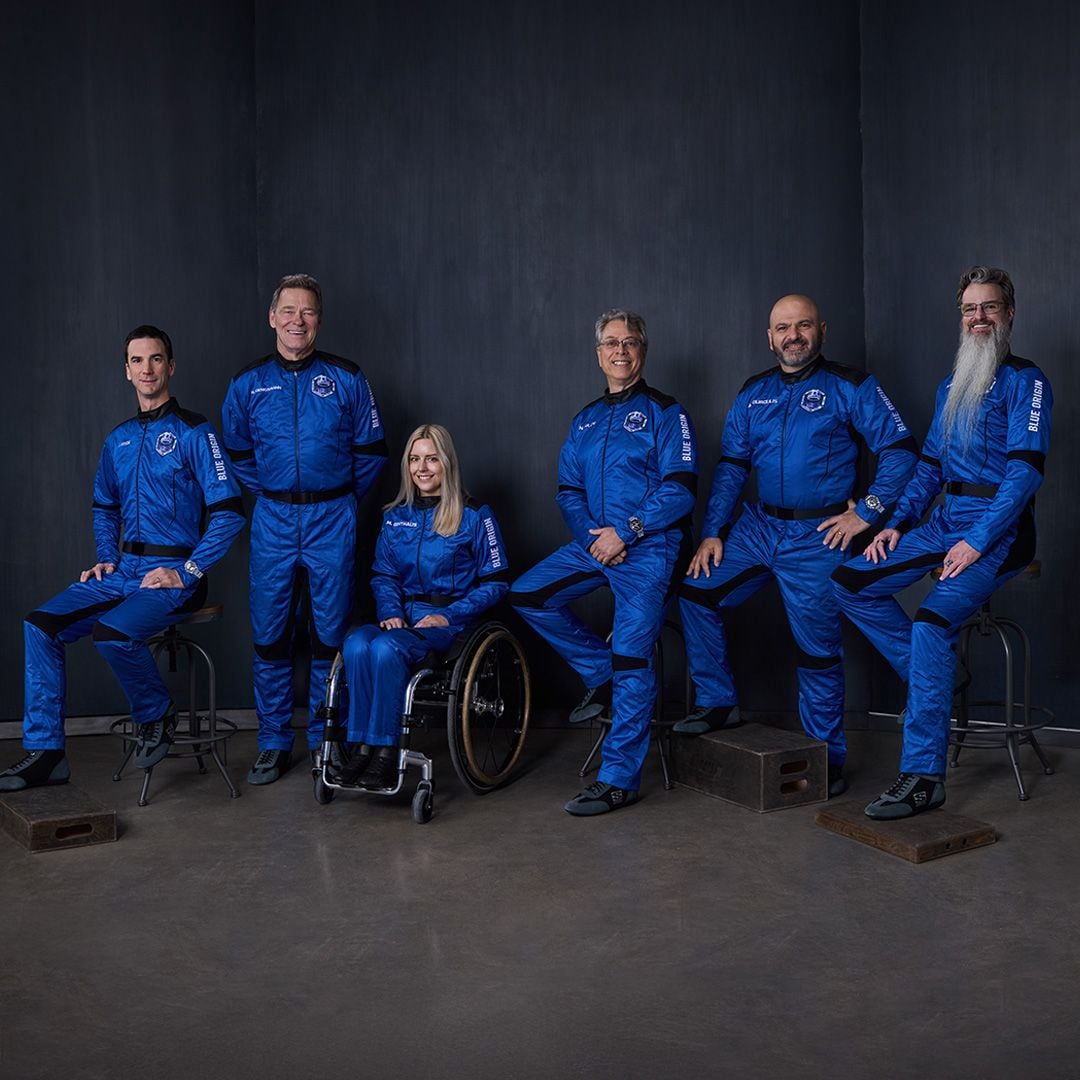
German engineer Michaela Benthaus became the first wheelchair user to reach space Saturday aboard Blue Origin's New Shepard rocket. The 10-minute suborbital flight from West Texas reached 65 miles above Earth, crossing the Kármán line boundary of space.
Benthaus, a European Space Agency employee who suffered a spinal cord injury in a 2018 mountain biking accident, made the journey with five other passengers. She connected with retired SpaceX executive Hans Koenigsmann online last year to ask if someone with her disability could become an astronaut.
Blue Origin required only minor modifications to accommodate Benthaus, according to company statements. The New Shepard capsule was designed with accessibility features including a patient transfer board for entering the spacecraft and an elevator to reach the capsule seven stories above ground.
"I met Hans the first time online," Benthaus said in a Blue Origin interview. "I just asked him, you worked for so long for SpaceX, do you think that people like me can be astronauts?" Koenigsmann helped organize and sponsor the flight, joining her as a passenger.
The mission was Blue Origin's 16th human spaceflight and originally scheduled for December 18 before a preflight check issue caused postponement. Blue Origin has now flown 86 people to space (80 unique individuals).
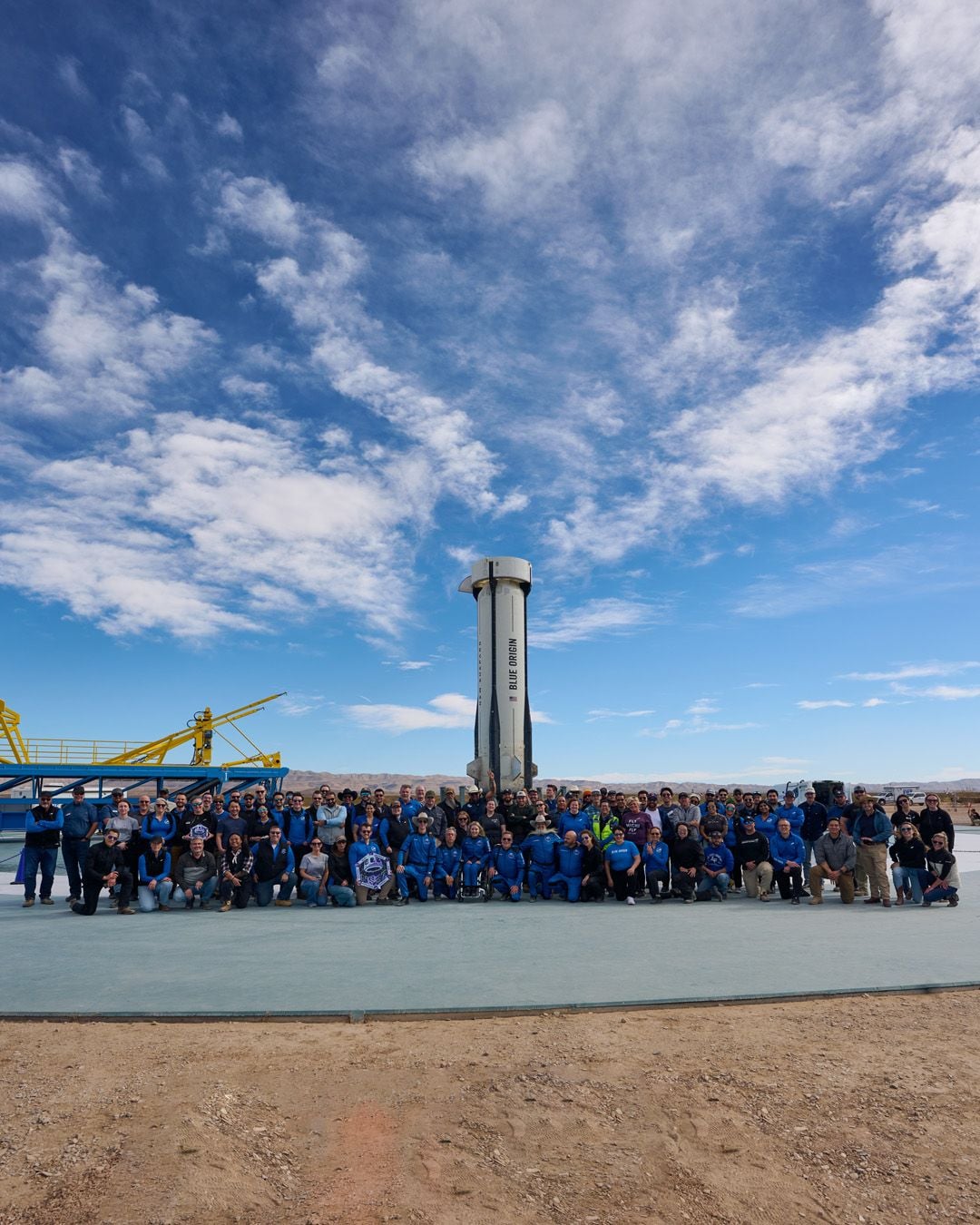
Benthaus experienced weightlessness for several minutes during the flight, attempting to turn upside in the microgravity environment. "It was the coolest experience," she said after landing. "I didn't only like the view and the micro-gravity, but I also liked going up."
Ground crews unrolled a carpet on the desert floor after touchdown to provide immediate wheelchair access. Blue Origin engineer Jake Mills said the capsule design makes spaceflight "more accessible to a wider range of people than traditional spaceflight."
The flight cost was not disclosed, though rival space tourism company Virgin Galactic charges around $600,000 for similar suborbital experiences. Blue Origin, founded by Amazon billionaire Jeff Bezos in 2000, conducted its first passenger spaceflight in 2021.
Benthaus previously experienced weightlessness during a 2022 parabolic airplane flight from Houston and participated in a simulated space mission in Poland. She aims to improve accessibility both in space and on Earth through her advocacy work.
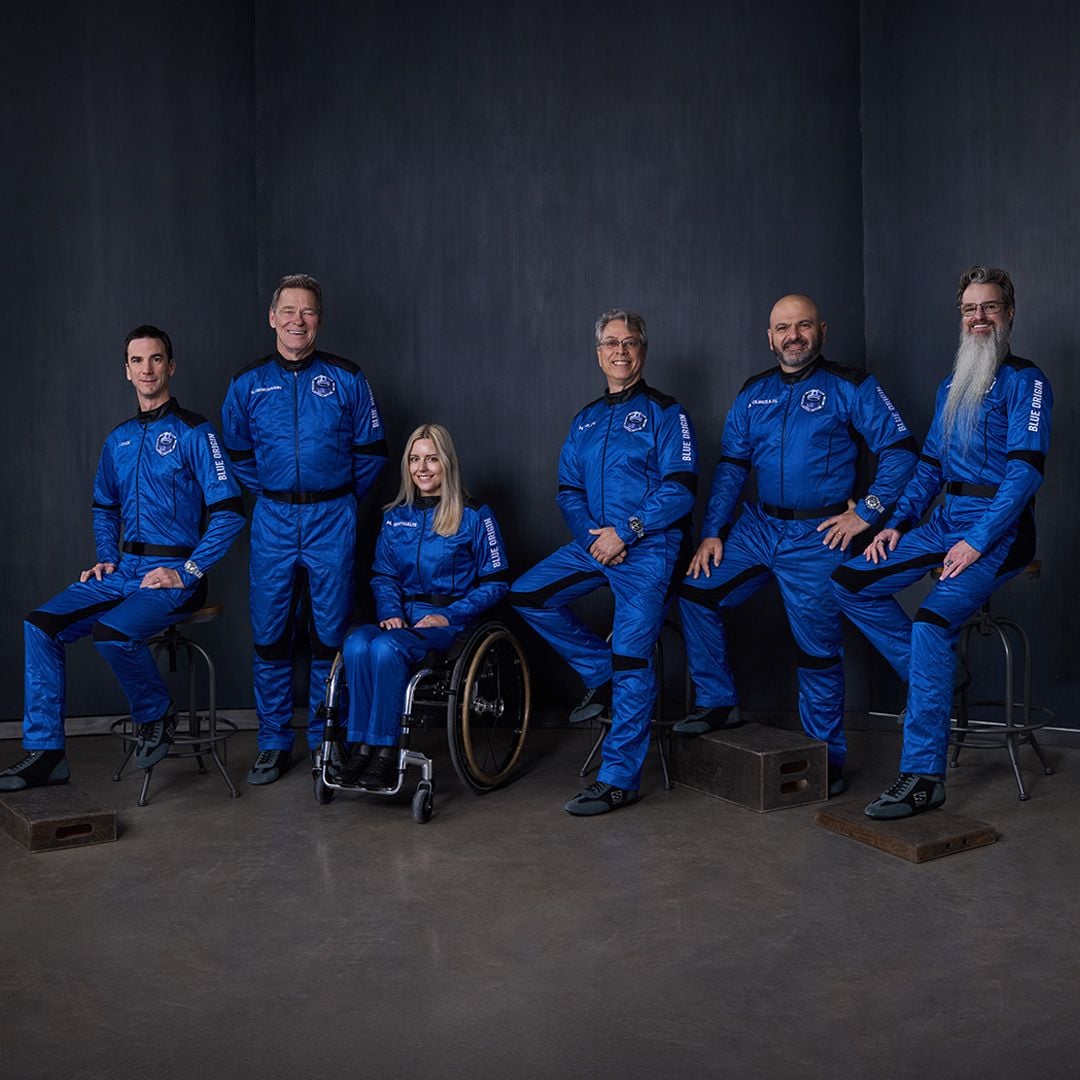
"I really hope it's opening up for people like me," Benthaus said. "I hope I'm only the start." The European Space Agency has separately cleared reserve astronaut John McFall, an amputee, for a future International Space Station mission.
Blue Origin continues developing its larger New Glenn rocket for orbital missions while competing with Virgin Galactic and SpaceX in the growing space tourism market. The company successfully launched its second New Glenn flight in November, deploying NASA Mars-bound spacecraft.