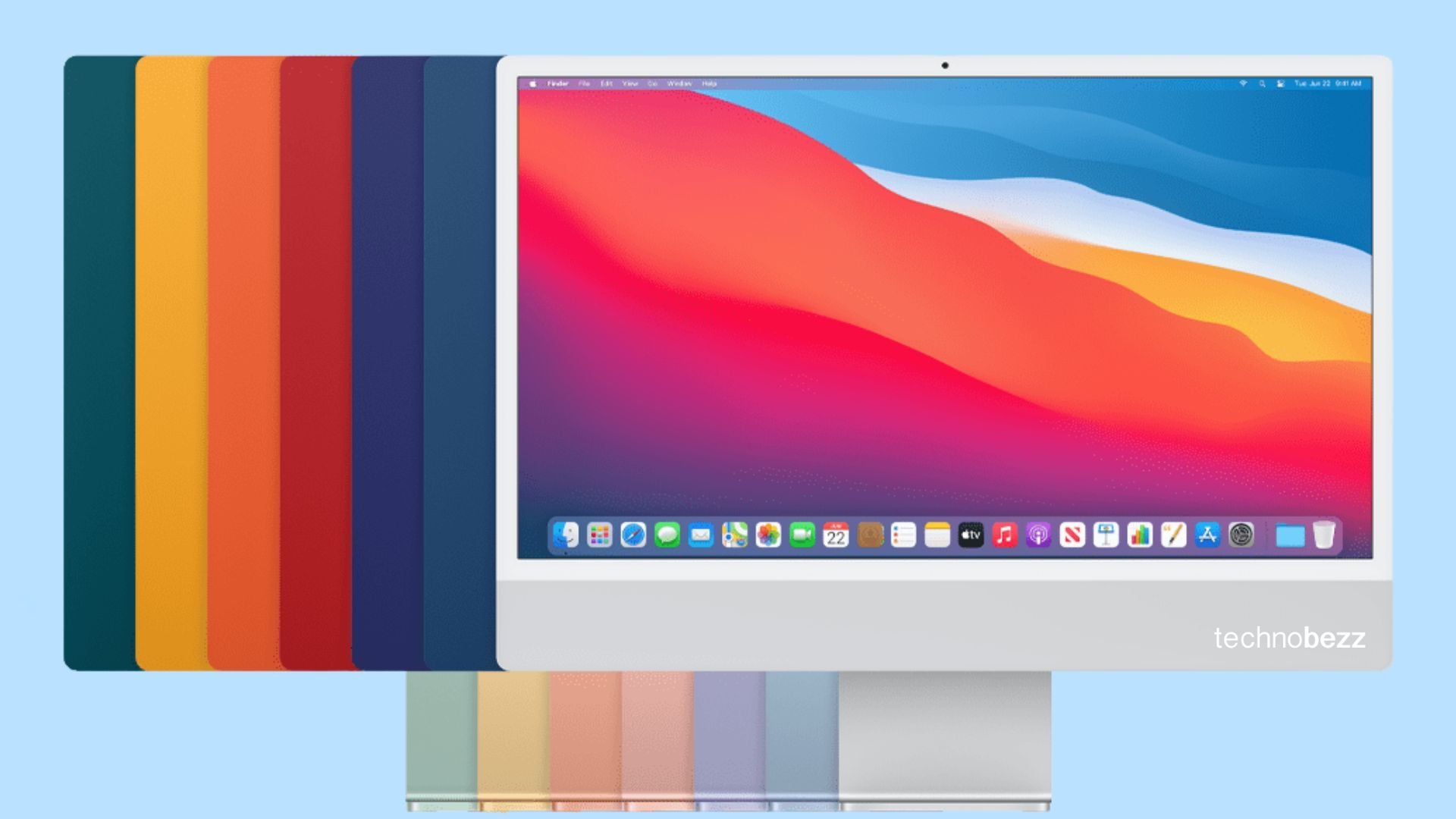
Apple has reportedly begun development of an OLED iMac, sending display specifications to Samsung and LG for evaluation. According to Korean publication The Elec, Apple placed Requests for Information with both display manufacturers earlier this month.
The specifications call for a 24-inch OLED panel with 218 pixels per inch density and 600 nits brightness. This matches the current iMac's 4.5K resolution while boosting brightness 20% from the existing 500-nit LCD display, as reported by iClarified.
Samsung Display will likely propose its Quantum Dot OLED technology, while LG Display may offer White OLED solutions. Both manufacturers are reportedly exploring "5-stack" variations to meet Apple's brightness requirements.
A significant technical hurdle remains: RGB OLED technology capable of mass-producing 20- to 30-inch displays hasn't been developed. Current OLED manufacturing focuses on smaller smartphone and tablet panels, requiring new production processes, according to Macworld's analysis.
Apple aims to complete display development by 2027 or 2028, with product availability likely in 2028 or 2029. The timeline reflects manufacturing challenges rather than design limitations.
The OLED iMac represents Apple's continued transition from LED to OLED across its product lineup. iPhones already use OLED displays, while iPad Pro adopted the technology earlier this year. Reports suggest OLED MacBook Pro models will launch in late 2026.
Current iMac models feature M4 chips and were last updated in November 2024. The 24-inch configuration with 16GB RAM and 256GB SSD retails for $1,299, currently discounted to $1,149.
Between now and the OLED iMac's arrival, Apple may introduce an iMac Pro with mini-LED display and M5 Max chip. This would address professional demand for larger screens while maintaining display quality improvements.

OLED technology offers superior contrast ratios, true blacks, and faster response times compared to LCD panels. The shift would mark the iMac's most significant display upgrade since the transition to Retina displays.
Apple's conservative 600-nit brightness target prioritizes panel longevity and burn-in mitigation for desktop usage patterns. Unlike mobile devices, iMacs display static interface elements for extended periods, requiring careful brightness management.
The RFI process represents Apple's first formal step toward OLED iMac development. Following supplier responses, Apple will issue Requests for Quotation before finalizing manufacturing partnerships. Display industry analysts note that successful 24-inch OLED production would require scaling existing technology from 6-inch smartphone panels. This presents both technical and cost challenges for Samsung and LG.
If development proceeds as planned, the OLED iMac would arrive approximately four years after the current M4 model. The extended timeline allows Apple to refine OLED technology through MacBook Pro and iPad implementations first.
Apple's display strategy mirrors its approach with MacBook Pro, which received mini-LED years before MacBook Air. The iMac Pro with mini-LED could serve as an intermediate step before OLED reaches consumer models.
The OLED transition aligns with broader industry trends toward self-emissive display technologies. Competitors including Dell and HP are also exploring OLED options for all-in-one desktop systems. For current iMac buyers, the OLED model remains several years from availability. The existing M4 iMac offers proven reliability and immediate access to Apple's latest silicon architecture.
Apple has not officially commented on OLED iMac development plans. The company typically confirms product details only at formal launch events, maintaining secrecy around future roadmap items.