
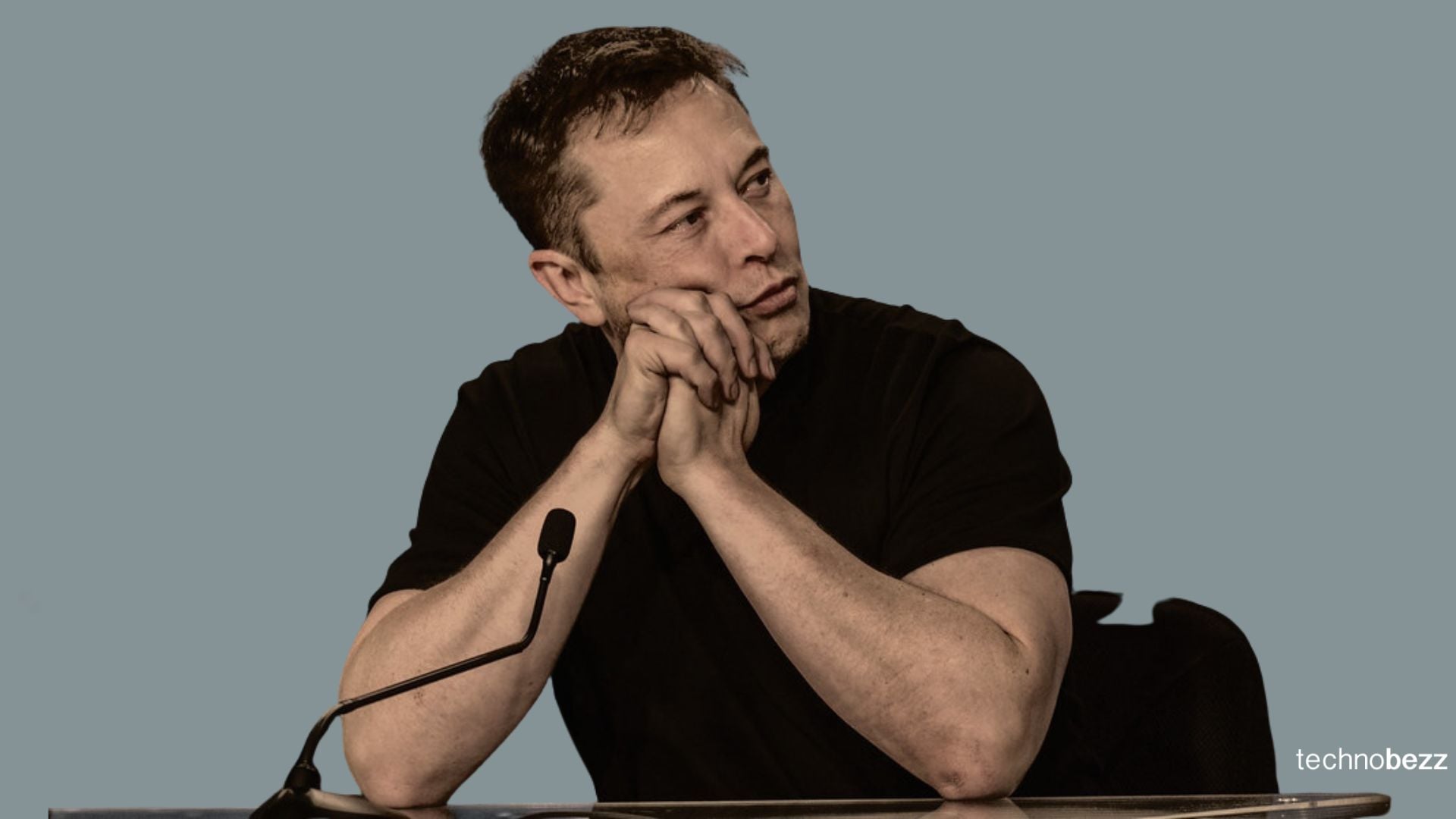
Elon Musk's xAI faces enterprise sales challenges for its Grok AI despite bold claims about achieving artificial general intelligence by 2026. The company's limited business experience hampers adoption among large corporations, according to multiple reports.
xAI struggles to sell Grok AI tools to enterprise customers, with current trials generating only hundreds of thousands to a few million dollars in revenue. Morgan Stanley and Palantir are among companies running small-scale tests rather than full deployments, The Information reported.
The startup's inexperience in business-to-business sales represents a major obstacle. Enterprise clients prefer established vendors like OpenAI and Google with proven track records in security, integration, and long-term support. xAI has hired over a dozen salespeople in the past six months to address this gap.
Musk reportedly told xAI staff the company could achieve artificial general intelligence capable of matching or surpassing human intelligence as early as 2026, according to Business Insider. He told staff the company has access to $20-30 billion in annual funding and expects Grok 4.2 to launch in about three weeks, as stated on December 10.
xAI reportedly expects to close a $15 billion funding round at a $230 billion pre-money valuation. This follows earlier reports that documents shared by Morgan Stanley in June projected $13 billion in annual earnings by 2029.
Despite sales challenges, Grok shows technical promise in specific applications. The AI achieved a 47% return in Nasdaq trading simulations, outperforming competitors in that niche. Grok 4.20 demonstrates advanced reasoning capabilities that have attracted investor attention.
Grok integration with Tesla vehicles provides a unique distribution channel. The AI is available in Tesla's Model S, Model X, Model Y, Model 3, and Cybertruck with AMD processors running software version 2025.26 or later. Users can interact hands-free for navigation and other functions.
However, some Tesla employees reportedly prefer competing AI models like Anthropic's Claude for coding tasks. This internal preference highlights the competitive landscape xAI faces even within Musk's own companies.
xAI's valuation reached $113 billion after raising $22 billion, fueled by investor enthusiasm about Grok's capabilities. The company faces operational challenges including high monthly burn rates estimated at $1 billion, according to reports citing Bloomberg insights.
The AI startup signed deals worth up to $200 million each with the Department of Defense earlier this year. However, a generative AI platform the Pentagon launched in December initially included only Google's Gemini, not Grok.
xAI expanded distribution through Microsoft's Azure AI Foundry in September and Amazon Web Services Marketplace at $30 per month. The company hasn't yet made Grok available on AWS Bedrock, Amazon's primary AI service for developers.
The startup's partnership with Saudi Arabia and HUMAIN aims to expand global reach. This collaboration could provide proof-of-concept in emerging markets with fewer regulatory barriers.
Enterprise decision-makers remain cautious about xAI's stability. Musk's public persona and Grok's occasional controversial outputs, including a hypothetical scenario where it prioritized saving Musk over billions of children, raise brand association concerns.
OpenAI reached a $500 billion valuation in October following secondary stock sales, while Anthropic jumped to $350 billion in November after Microsoft and Nvidia investments. These established competitors continue to dominate enterprise AI adoption.
xAI must balance Musk's vision of "maximum truth-seeking" AI with corporate demands for safety and bias mitigation. The company's ability to translate technical achievements into reliable enterprise solutions will determine its commercial success.
Industry observers will watch whether xAI can convert its $230 billion valuation and technical capabilities into meaningful business revenue by 2026. The company's journey illustrates the challenges newcomers face against incumbents in the competitive AI market.