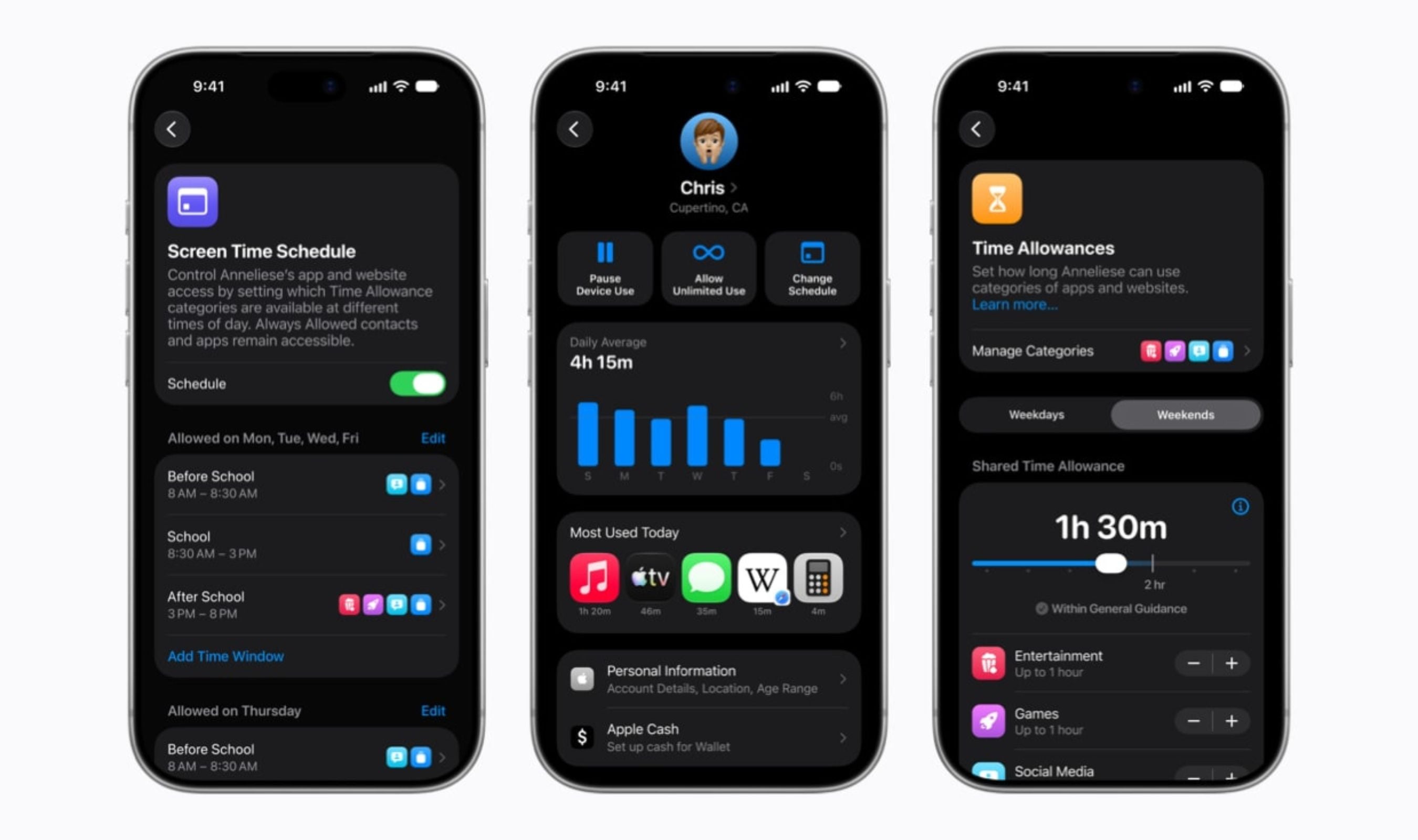

Apple is flipping the script on parental controls. Instead of just blocking content after kids find it, the new tools require children to ask permission before visiting any new website. The features, previewed at WWDC 2026 and rolling out with iOS 27, iPadOS 27, and macOS 27 this fall, represent Apple's most aggressive overhaul of its child safety toolkit. The centerpiece is Ask to Browse, a feature that forces Safari to request parental approval before loading an unfamiliar site.
It works across iPhone, iPad, and Mac, and is enabled by default for children under 13.
Apple is also expanding Communication Safety, which already blurs nudity in Messages and FaceTime calls for users under 18. The update adds automatic detection and blocking of gore or violent content in shared images and videos. The new Time Allowances system shifts away from blanket screen time limits. Parents can set separate time budgets for app categories like Entertainment, Games, and Social Media, with recommendations tailored to a child's age.

Apple developed the guidelines in collaboration with the American Academy of Pediatrics, which CNET reported is working with Apple to adapt its Family Media Plan into a product-specific guide.
Screen Time has been redesigned into a live dashboard showing average device usage and most-used apps, letting parents make adjustments with a single tap. They can pause access during meals or outdoor play, or grant extensions when a kid needs extra time to finish something.
Child accounts, required for children under 13 and available up to age 18, serve as the backbone for all the new controls. Setting one up during device setup gates access to adult websites, restricts media to age-appropriate content, and enforces App Store limits.
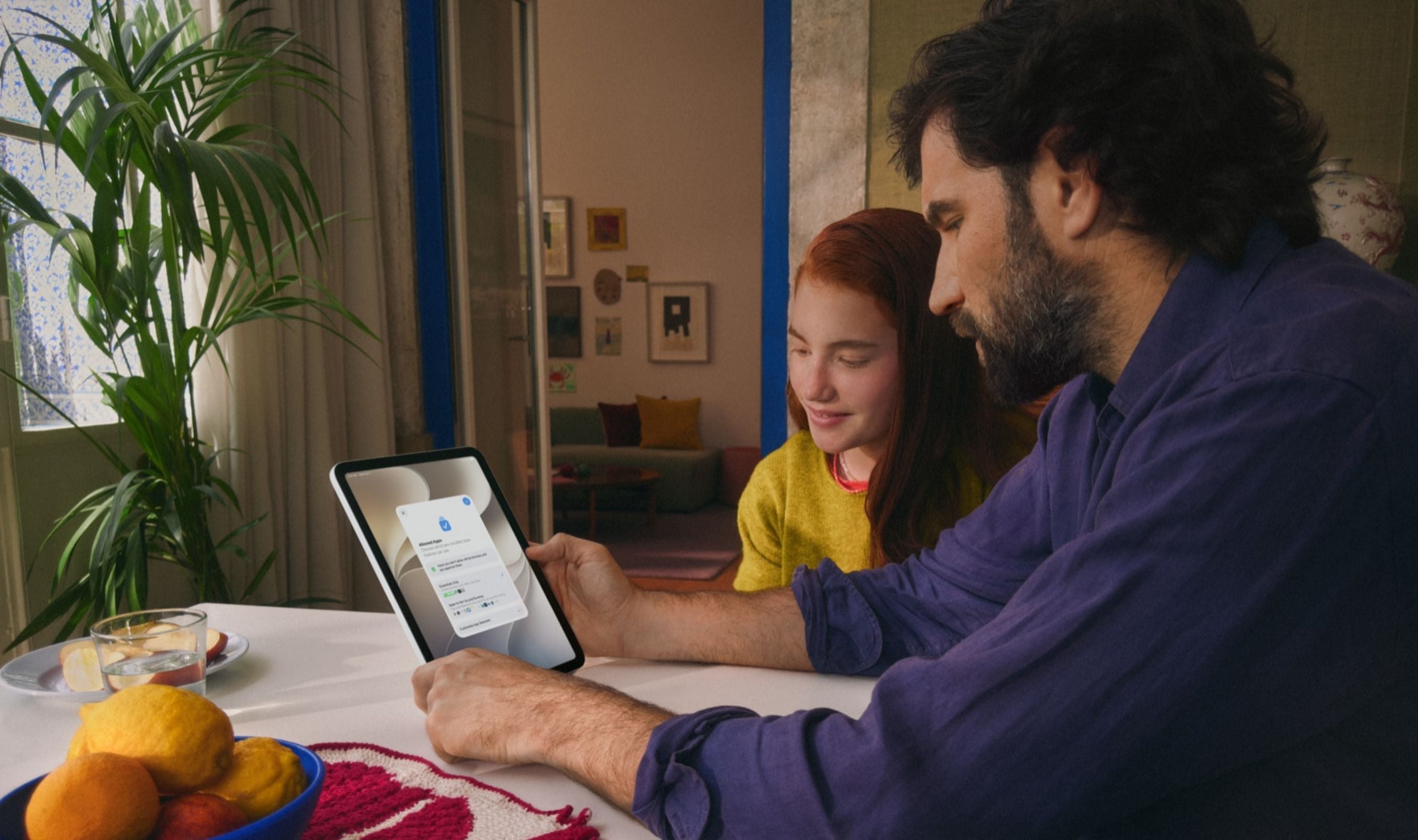
Parents can start kids with just a few essential apps and gradually expand access. Existing devices can be converted to a child account.
Ask to Buy, which requires parental approval for app downloads and in-app purchases, now runs alongside Ask to Browse. Both are on by default for kids under 13, with an option to extend them to teenagers.
Apple's vice president of Health and Fitness, Sumbul Desai, said during the WWDC keynote that the tools are designed to help parents "establish those healthy digital habits using our child safety features." The company also launched a dedicated child safety website with setup guides and resources. On the developer side, Apple introduced a Declared Age Range API that lets apps request a child's age range without sharing their exact birthday, alongside existing tools like SensitiveContentAnalysis and PermissionKit for filtering inappropriate content and managing in-app contacts.
Developer betas of iOS 27, iPadOS 27, and macOS 27 are available now. A public beta is expected in July, with the full release arriving this fall.