
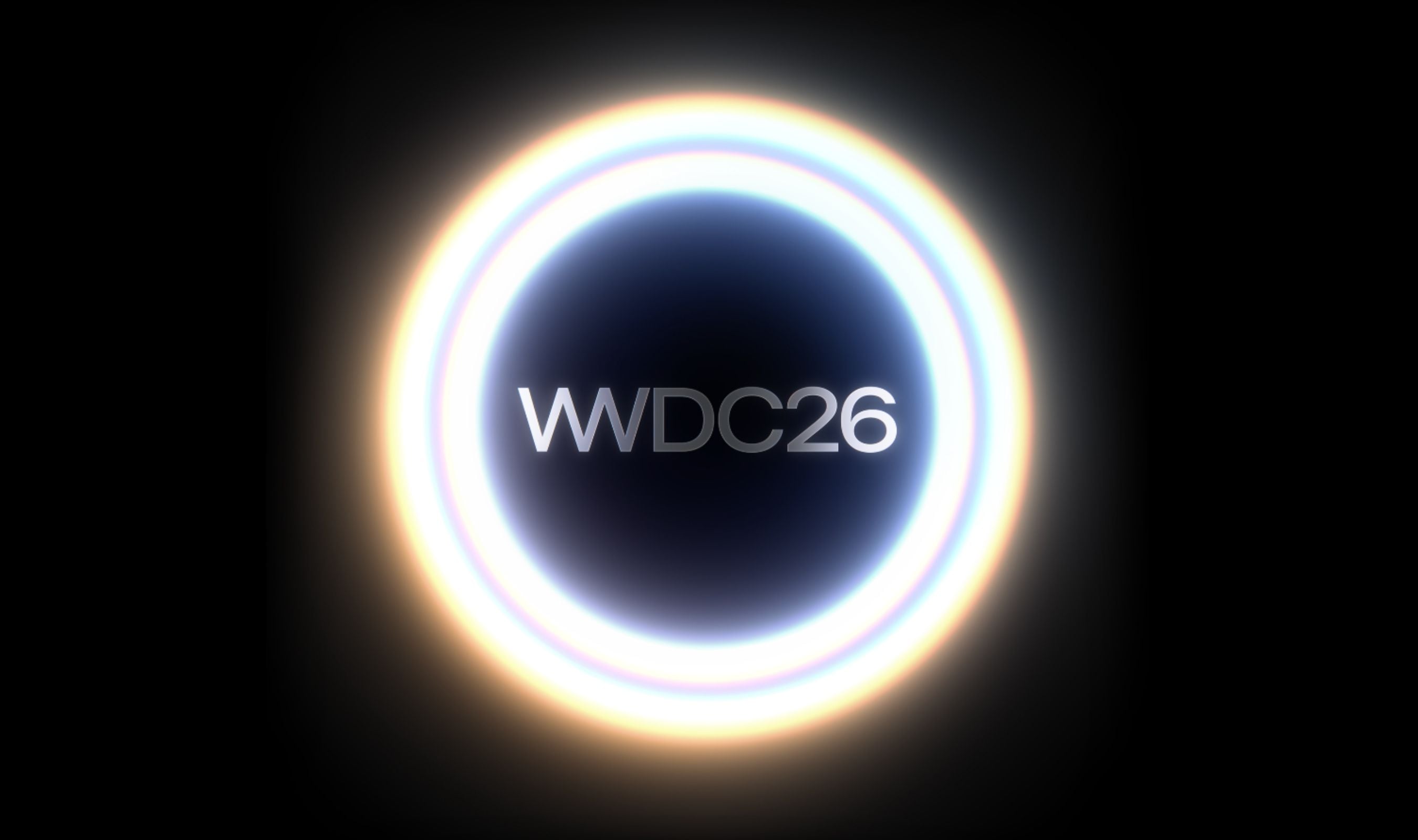
Apple's annual developer conference returns June 8 with a clear focus on artificial intelligence and long-awaited improvements to its voice assistant. WWDC 2026 will run from June 8 through June 12, kicking off with a keynote expected to last between 60 and 90 minutes.
The company confirmed dates for its Worldwide Developers Conference this week, setting the stage for what could be one of its most consequential software showcases in recent memory. Unlike previous years where AI received minimal attention, Apple explicitly stated this year's conference will center on "AI advancements" alongside updates to iOS, macOS, tvOS, and watchOS.
Siri stands to receive its most upgrade in years through a partnership with Google's Gemini technology. The redesigned assistant reportedly features a chatbot-style interface capable of more natural, personalized interactions powered by Google's large language model running on Apple's front-end systems.
This marks a shift for Apple, which has faced criticism for falling behind competitors in conversational AI.
Beyond Siri's overhaul, Apple plans to introduce Core AI, an expansion of Core ML that improves developer tools for running large language and diffusion models directly on devices. The update could become the foundation for Apple's next generation of AI features across its ecosystem.
IOS 27 may follow a different path than recent releases by prioritizing stability over flashy new capabilities. Sources suggest Apple wants the update to course-correct performance issues, drawing comparisons to iOS 12 and macOS Snow Leopard, two releases remembered not for new features but for making everything run more smoothly.
The operating system update is expected to support most devices currently running iOS 26, though iPhone 11 models with A13 Bionic chips may not be included while potentially bringing side-by-side multitasking to the rumored iPhone Fold for the first time. Other expected changes include rebuilt first-party app layouts for larger screens and broader touch-interaction refinements across the system.
MacOS 27 could complete Apple's transition away from Intel processors by running exclusively on Apple Silicon chips (M1 or later). This would make it the last version with full Rosetta 2 support for general applications, though limited functionality will remain available for certain older games in macOS 28.
While primarily an online event streamed through the Apple Developer app, website, and YouTube channel, limited in-person attendance will be available at Apple Park in Cupertino through a random lottery system. Applications close March 30 with notifications going out April 2 for developers selected to attend the June 8 keynote.
Hardware announcements remain possible though less certain given Apple's typical fall product cycle schedule. Bloomberg's Mark Gurman expects an updated Mac Studio powered by M5 Max and M5 Ultra chips could break cover in mid-2026, potentially aligning with WWDC timing.
The conference follows last year's introduction of Foundation Model framework with offline-capable AI models and agentic coding tools like Anthropic's Claude Agent integrated into Xcode. This year's event will show how those foundations translate into consumer-facing features across Apple's product lineup.