
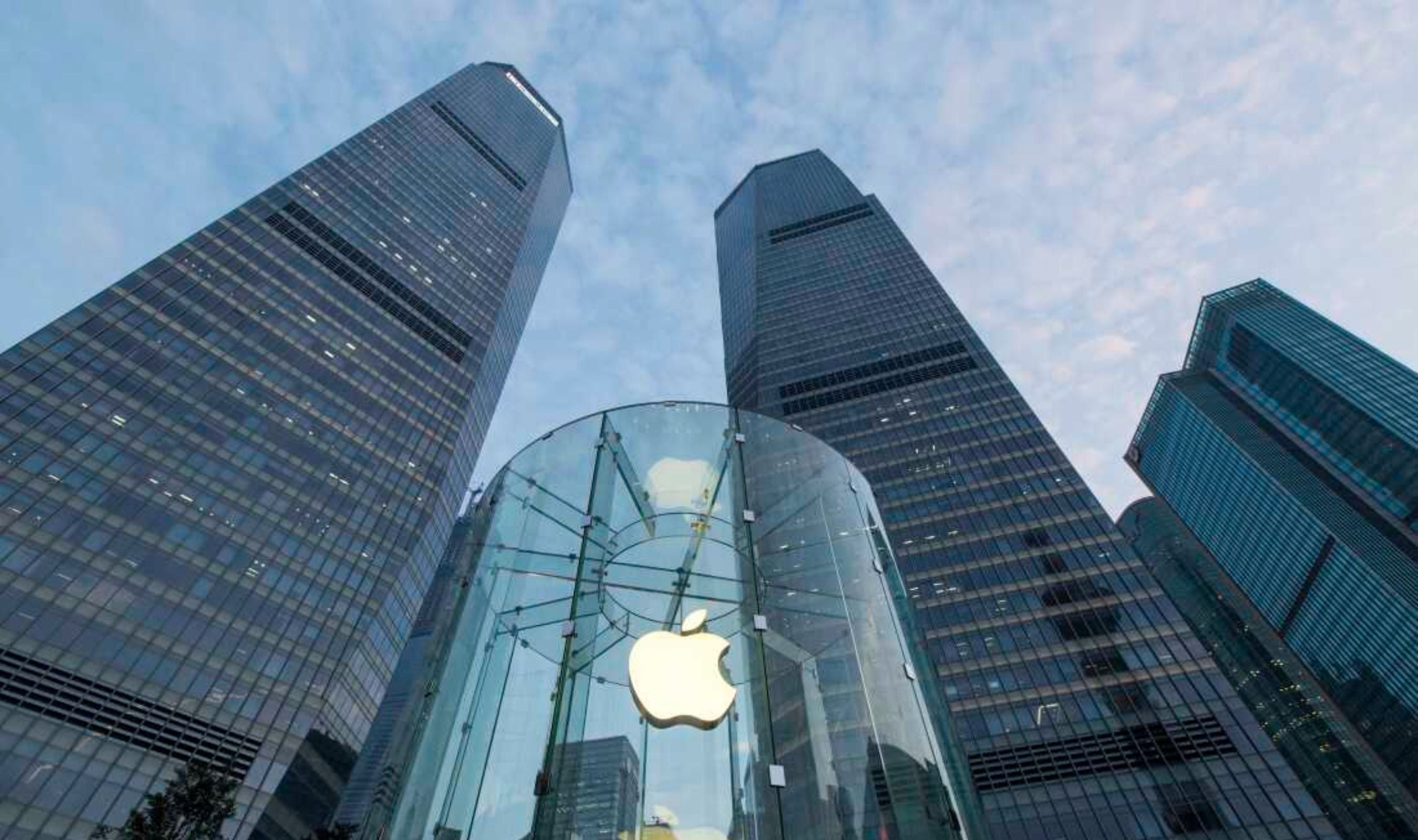
Apple delivered its best March quarter ever on April 30, $111.2 billion in revenue, $29.6 billion in profit, and double-digit growth across every product category and geographic segment.
Wall Street analysts had one response: now what?
The fiscal second-quarter results beat expectations on revenue, profit, and guidance, driven by iPhone 17 demand that CEO Tim Cook described as "off the charts." iPhone revenue hit $57 billion, up 22% year over year. Services reached an all-time record at $31 billion.
Greater China rebounded with 28% growth. Apple authorized another $100 billion in share buybacks.
Yet beneath the headline numbers, analysts across the Street agree the quarter answers near-term demand questions while leaving Apple's long-term growth story unresolved.
Deepwater's Gene Munster said the quarter reflects an iPhone-driven upgrade cycle that pushed revenue growth from low single digits to the mid-teens, with recent quarters nearing 20%. Wall Street estimates now point to iPhone growth slowing to around 5% in 2027, a sharp drop suggesting the current cycle may be nearing its peak.
Bank of America pointed to Apple's installed base of more than 2.5 billion active devices as a path for future upgrades, but noted that only a portion refreshes each year, reinforcing the cyclical nature of demand. Apple's ability to convert that base into new sales will determine whether growth sustains beyond this cycle.
Goldman Sachs said Apple's results likely understate underlying demand, estimating revenue could have been 200 to 300 basis points higher without component shortages. Limited availability of advanced chips for the iPhone and Mac constrained how much growth showed up in reported numbers.
Cook confirmed on the earnings call that the primary constraint is advanced node SOC availability, and that Mac mini, Mac Studio, and MacBook Neo could take several months to reach supply-demand balance. The company forecast June quarter revenue growth of 14% to 17%, which Wedbush called a key positive supporting a strong setup into the next product cycle.
The $500 student-focused laptop, aimed directly at Chromebooks, drove Mac revenue to $8.4 billion, up 6% year over year. Cook said "tremendous enthusiasm" for MacBook Neo helped set March quarter records for upgraders and customers new to the Mac.
Kansas City Public Schools announced it is switching students from Windows laptops and Chromebooks to MacBook Neo, moving to an all-Apple district.
Apple expects significantly higher memory costs in the June quarter, driven by AI-fueled demand from hyperscalers competing for the same components. CFO Kevan Parekh said memory costs will drive an increasing impact on the business, with gross margin guidance set at 47.5% to 48.5%, down from 49.3% in the March quarter.
Needham highlighted rising risks as Amazon, Google, and Meta tighten availability of key components.
R&D spending rose 33.5% to $11.42 billion this year. Apple Intelligence and improvements to Siri have yet to drive measurable changes in upgrade behavior, leaving the current cycle primarily supported by hardware demand.
Oppenheimer said upcoming software features expected at WWDC in June and future OS releases will determine whether AI investment translates into upgrade demand. Cook said on the call that "this is not AI as a standalone feature but AI as an essential, intuitive part of the experience."
The April 30 call was Tim Cook's 89th earnings call as CEO. He will transition to executive chairman on September 1, with John Ternus taking over.
Ternus made his first remarks on the call, saying "this is the most exciting time in my 25 year career at Apple to be building products and services." Cook said the transition timing was right because "our business has been performing extremely well" and "our road map is incredible."
Investing.com took the most measured view: the quarter confirms the current product cycle remains healthy without signaling a change in Apple's overall growth trajectory. The stock moved less than 1% in after-hours trading following the release.