
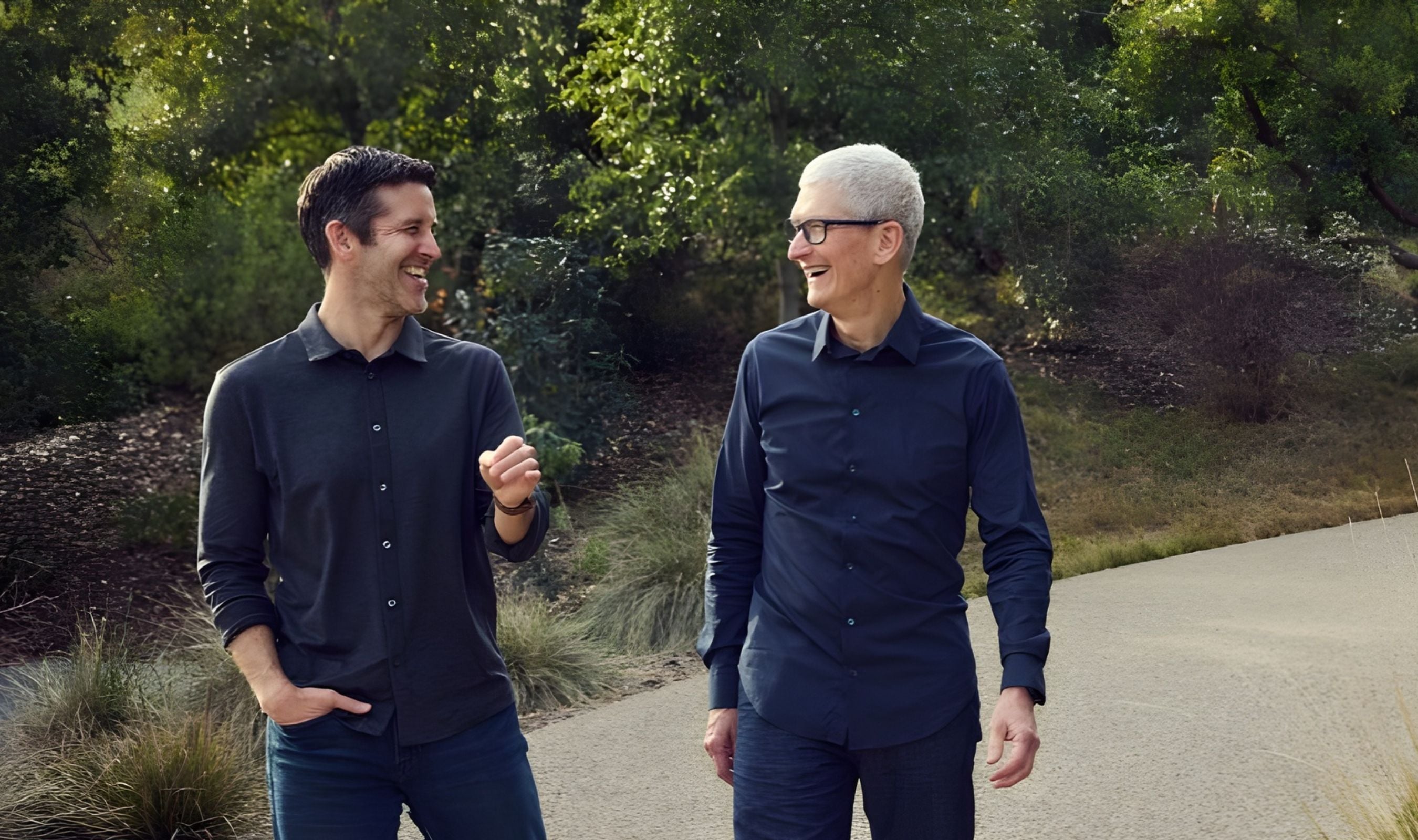
Apple's incoming CEO John Ternus inherits a $4 trillion company facing its most critical strategic crossroads since Steve Jobs returned in 1997. When he takes over from Tim Cook on September 1, 2026, the hardware engineering veteran must handle artificial intelligence deficits, iPhone dependency, and global supply chain pressures that threaten Apple's dominance.
Ternus currently serves as senior vice president of hardware engineering, a role that positioned him to lead development of AirPods and Apple's first 5G phones according to Bloomberg. He also helped transition Mac computers from Intel processors to Apple silicon chips.
His promotion signals the company's continued focus on product development at the core of its business model.
Artificial intelligence represents Apple's most glaring weakness compared to rivals Microsoft, Google, Meta and Amazon. While competitors poured hundreds of billions into AI development, Apple opted for partnerships including a January agreement to base its AI technology on Google's Gemini system.
The company plans to integrate this technology into a revamped Siri voice assistant. The iPhone still generates just over 50% of Apple's $416 billion annual revenue with 1.5 billion active devices worldwide. Analysts warn this dependency creates vulnerability as consumers hold devices longer between upgrades.
"They need to diversify away from the iPhone and make sure it no longer represents 50% of their revenue," said Thomas Husson of Forrester Research.
Hardware innovation under Ternus may include foldable phones, AI-enabled smartphones, more affordable Apple Glasses models, and personal robotics products. The company has reportedly explored these categories while continuing production shifts that saw all iPhone 17 models manufactured in India earlier this year.
Cook will transition to executive chairman of Apple's board after his tenure saw the company's stock rise 1,932% and market capitalization reach $4 trillion last October. He described Ternus as having "the mind of an engineer, the soul of an innovator and the heart to lead with integrity."
Geopolitical challenges include dealing with relationships with global policymakers and managing supply chain diversification away from China. Cook worked carefully with President Donald Trump on manufacturing investments, and Ternus will need similar diplomatic skills for a company whose products reach billions worldwide.
"While we can talk about supply chain, political navigation, and branding...it comes down to innovation," said Wedbush Securities analyst Dan Ives. "Innovation going forward around foldable phones, an AI-enabled smartphone, new sleeker/affordable Apple Glasses will be the hearts and lungs of Apple's success."
Ternus joined Apple in 2001 after working as a mechanical engineer at Virtual Research Systems. He reportedly led hardware engineering for the first iPad and helped expand the company's product lineup during his 25-year tenure.