
When your Dell Inspiron 14 can't find or connect to WiFi, it's like being stranded. The issue might be a missing icon, a connection with no internet, or constant drops. The fixes below work for all those frustrating scenarios.
I'd start with the quickest one first. Often, a simple toggle or restart is all it takes to get you back online.
Toggle the WiFi and Restart
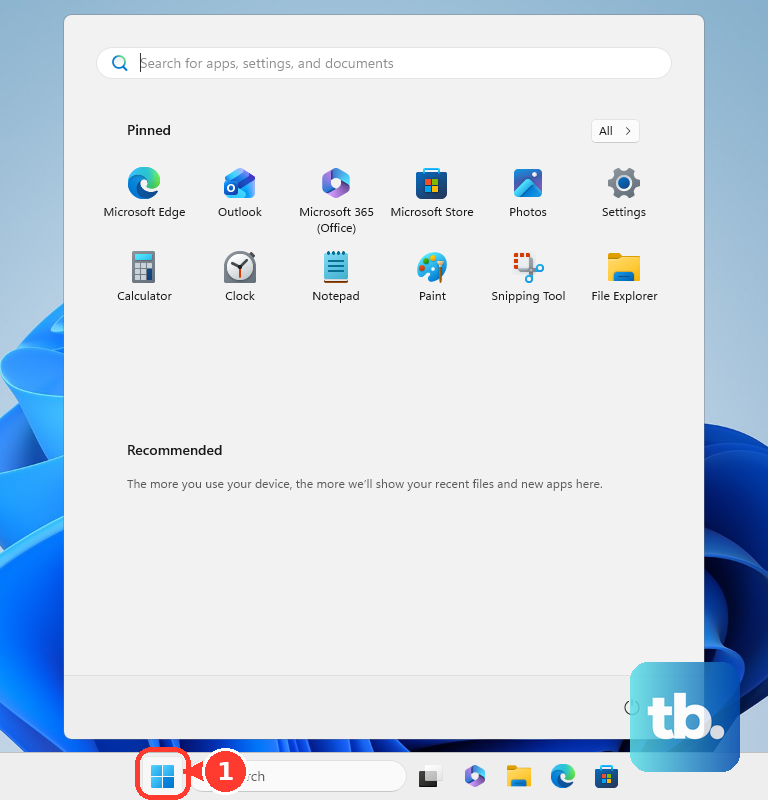
Click the network icon in your taskbar and turn WiFi off. Wait about ten seconds, then switch it back on. This forces your wireless adapter to re-scan for networks. If that doesn't work, a full restart of your laptop is the next logical step.
Click the Start menu, select the power icon, and choose Restart. Don't just put it to sleep. A full reboot clears out the network stack and reloads all your drivers, which fixes a surprising number of glitches.
Run the Windows Network Troubleshooter
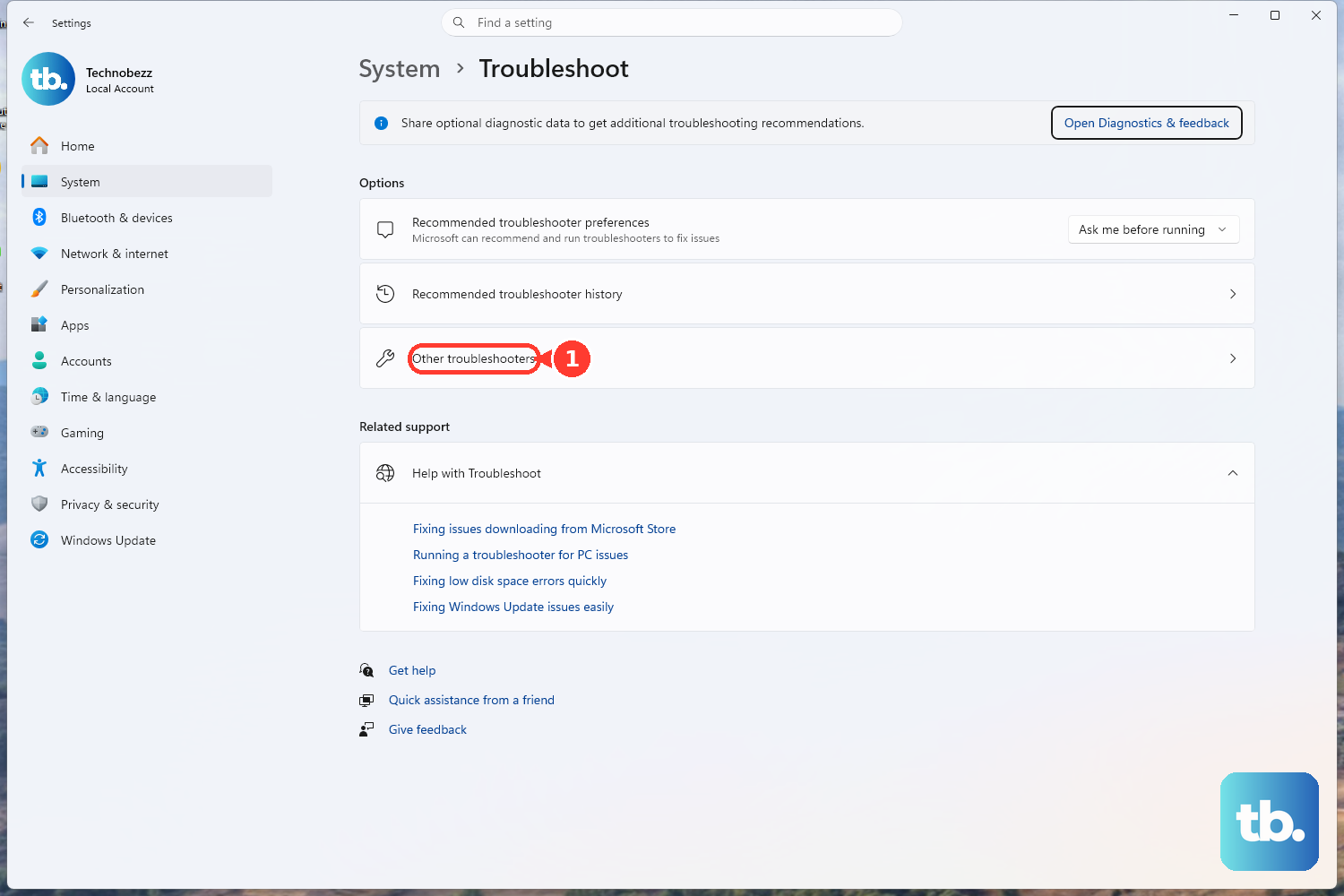
Windows has a built-in tool for this. Right-click the WiFi icon in your system tray and select Troubleshoot network problems. It will automatically scan for common issues and try to apply fixes. You can also find it by going to Settings > System > Troubleshoot > Other troubleshooters.
Forget and Re-add Your Network
Sometimes the saved profile for your WiFi gets corrupted. Go to Settings > Network & internet > Wi-Fi > Manage known networks. Click on your network name and select Forget. Then, scan for networks again and reconnect by entering your password fresh.
Update Your WiFi Driver
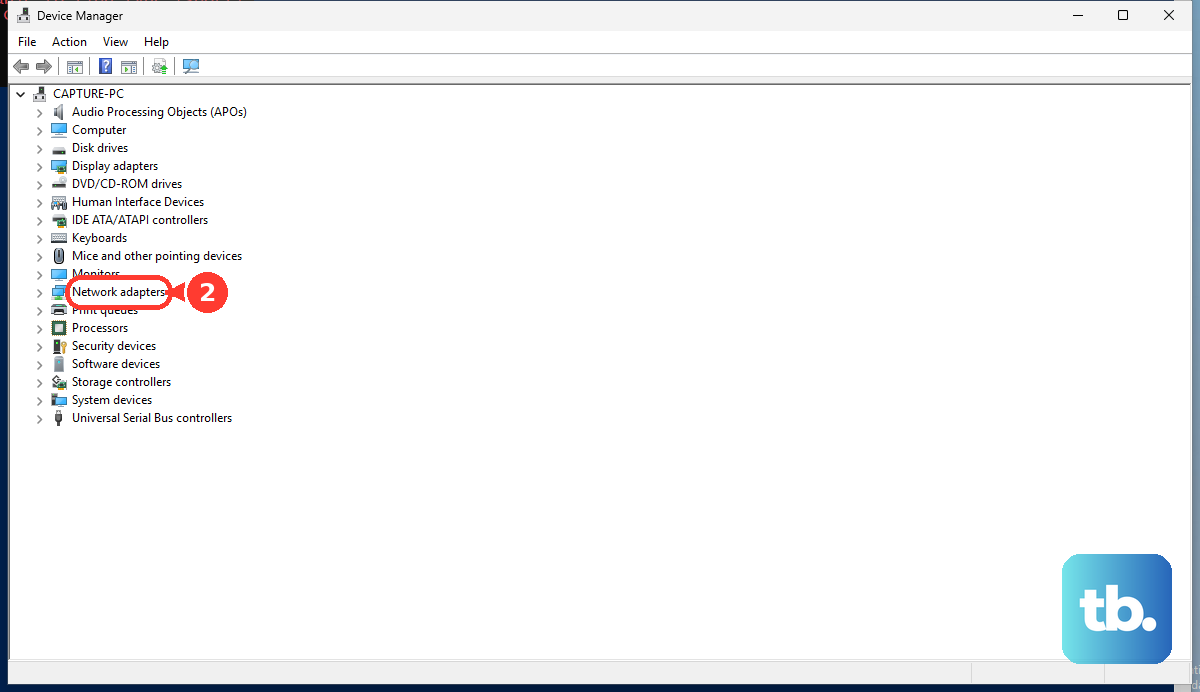
Outdated or buggy drivers are a very common culprit, especially with the Intel wireless adapters often found in the Inspiron 14. Press the Windows key + X and choose Device Manager. Expand the Network adapters section, right-click your wireless device, and select Update driver > Search automatically for drivers.
If Windows says you have the best driver already, you should check manually. Go to the Dell support website and enter your Inspiron 14's Service Tag. This ensures you get the exact driver Dell tested for your specific configuration. For general driver management, Dell's own SupportAssist app can also scan and update drivers for you.
Reset Your Network Settings
This is a more thorough step that will wipe all network configurations. Navigate to Settings > Network & internet > Advanced network settings > Network reset. Click Reset now and confirm. Your PC will restart, and all network adapters will be reinstalled to their default state. You'll need to re-enter all your WiFi passwords afterward.
Disable and Re-enable the Adapter in Device Manager
This is like a targeted refresh for your WiFi hardware. Go back to Device Manager > Network adapters. Right-click your wireless adapter and choose Disable device. Wait a moment, then right-click it again and select Enable device. This reinitializes the adapter without requiring a full system restart.
Use Command Prompt to Reset Network Stack
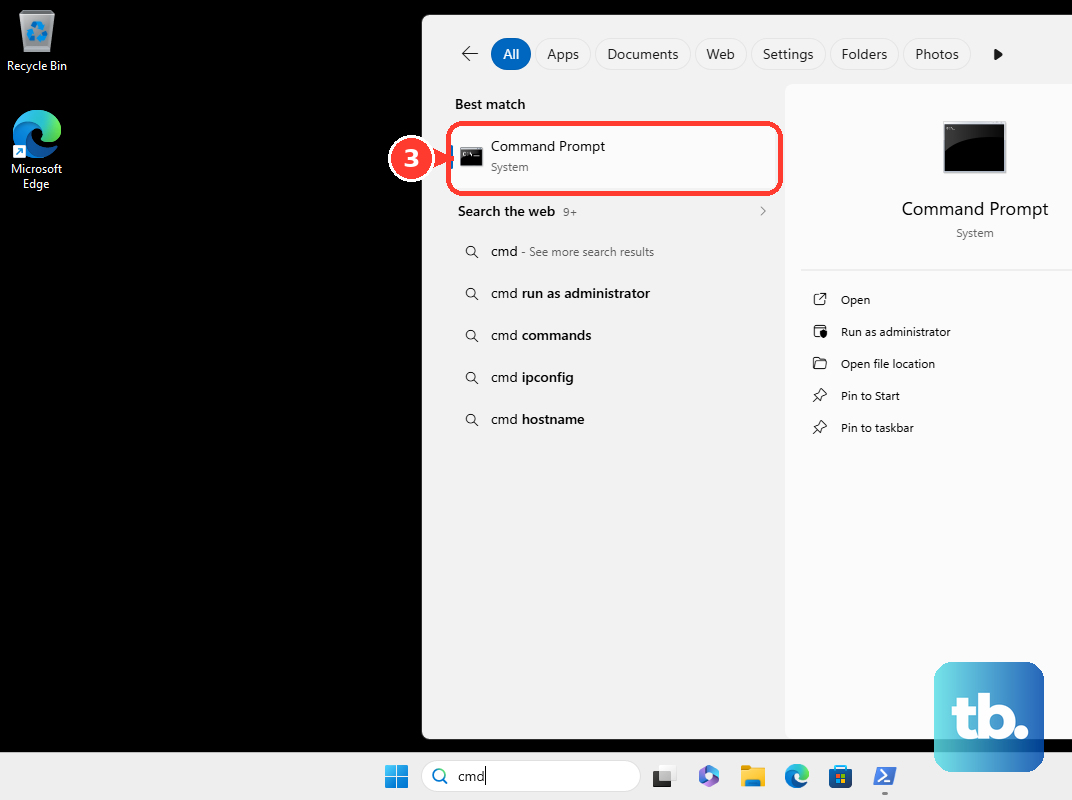
Open Command Prompt as an administrator. You can search for "cmd", right-click it, and select Run as administrator. Type the following commands one at a time, pressing Enter after each:
netsh winsock reset
netsh int ip reset
ipconfig /flushdns
After running them, restart your laptop. This clears out old network data and resets core internet protocols.
Check for Windows Updates
Microsoft occasionally releases updates that fix specific WiFi compatibility issues. Go to Settings > Windows Update and click Check for updates. Install any available feature or quality updates. It's a good practice to keep your system current, as these updates often include driver and stability improvements.
Run Dell's Built-in Diagnostics
Your Inspiron 14 has hardware diagnostics built into its BIOS. Restart your laptop and press the F12 key repeatedly as it boots up. This brings up the one-time boot menu. From there, select Diagnostics and let the system run its tests. It can help rule out a hardware failure with the wireless card.
Check Your Router and Other Devices
If you've tried everything and still have no connection, the problem might not be your laptop. See if other devices in your home can connect to the same WiFi network. If they can't, the issue is with your router or internet service.
Try restarting your router by unplugging it for 30 seconds. You can also test your laptop's WiFi hardware by trying to connect to a different network, like a mobile phone's hotspot. If it connects to the hotspot, you know the Inspiron's WiFi hardware is working and the problem is isolated to your home network.