Finding the right rice cooker means balancing simplicity with consistent results. The Zojirushi Neuro Fuzzy delivers restaurant-quality rice with smart technology, while the Hamilton Beach offers unbeatable value for basic needs. This list helps you choose based on how often you cook rice, your kitchen space, and whether you want extra features.
Technobezz is supported by its audience. We may get a commission from retail offers.
8 Best Rice Cookers to Buy in 2026
Zojirushi Neuro Fuzzy leads our picks for 2026. Compare smart models and budget options to find the best rice cooker for your kitchen.
T
Technobezz
Editorial Team
Updated June 16, 2026Jun 16, 2026
•7 min read

Get Deals Like These in Your Inbox
The best prices, checked by our editors.
At a Glance
| Category | Product | Why We Picked It |
|---|---|---|
| Best overall | Zojirushi Neuro Fuzzy 5.5-Cup Rice Cooker | Smart technology for perfect rice every time |
| Best value | Hamilton Beach Rice Cooker | Reliable performance at an affordable price |
| Best for beginners | Zojirushi 3-Cup Rice Cooker | Multiple Micom menu settings in a compact size |
| Best for small spaces | Dash Mini Rice Cooker | Tiny footprint with surprisingly good results |
| Best for brown rice | Tiger Micom Rice Cooker | Specialized settings for different grains |
| Also recommended | Aroma 4-Cup Rice Cooker | Affordable, compact pick with a handy steamer basket |
| Also recommended | Cuckoo Rice Cookers | Fuzzy-logic Micom cooking with multiple grain settings |
| Also recommended | Zojirushi Induction Heating models | Top-tier precision for serious cooking enthusiasts |
How we chose
We evaluated rice cookers based on cooking performance across different rice types, ease of use, and value. Our assessment covers consistency across multiple batches, timing efficiency, and keep-warm reliability. We considered capacity needs, special features, and how well each model produces properly cooked rice with distinct grains and minimal clumpiness.
The best rice cooker right now
Zojirushi Neuro Fuzzy 5.5-Cup Rice Cooker - Best overall
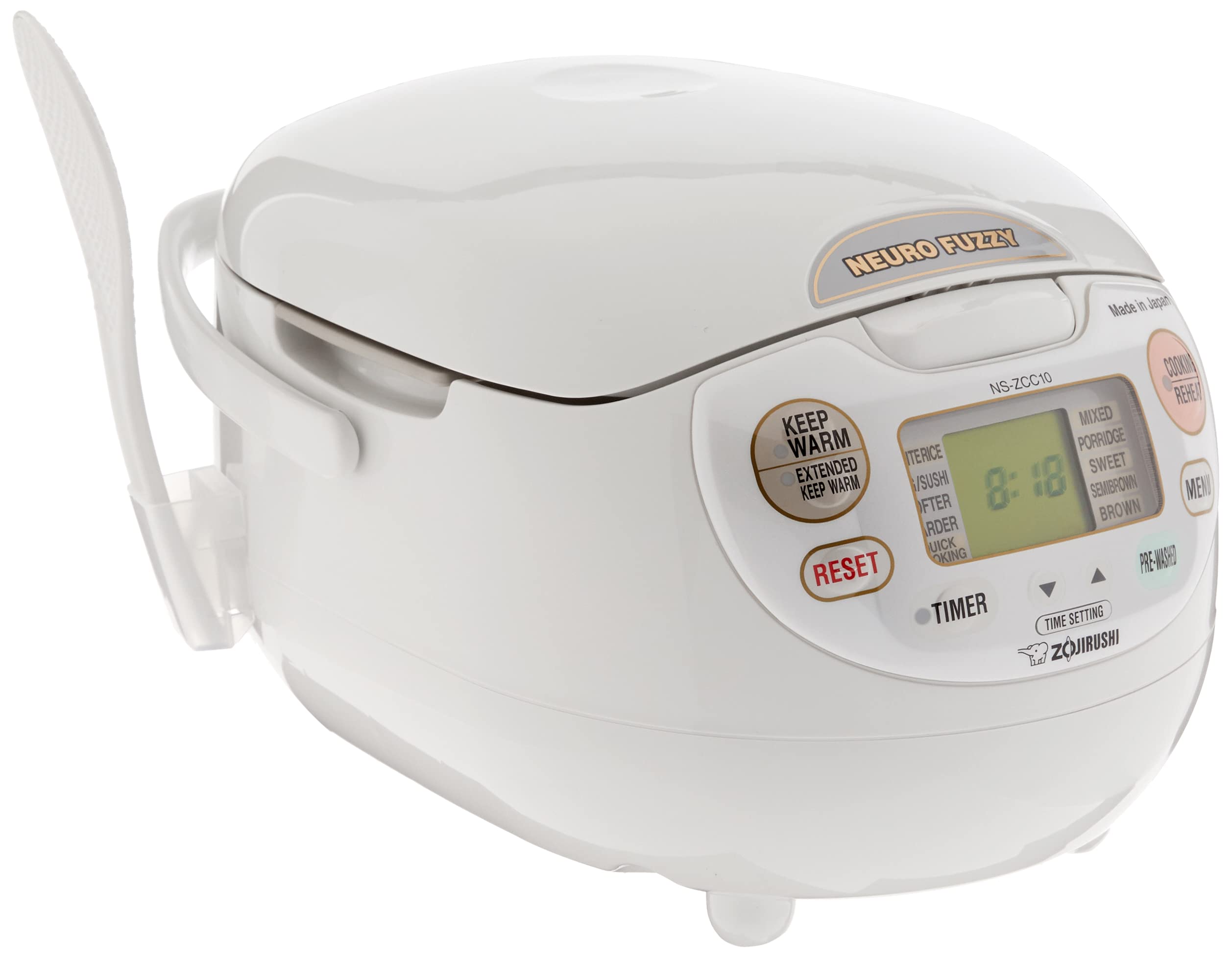
This smart rice cooker uses fuzzy logic technology to adjust cooking time and temperature automatically, delivering consistently perfect rice regardless of batch size or rice type. It handles everything from white to brown rice with specialized settings.
Key highlights
- Fuzzy logic technology adjusts cooking automatically
- Eight menu settings for different rice types
- Extended keep-warm function maintains food-safe temperature
- Nonstick inner pot with clear water line markings
- Includes measuring cups, rice spoon, and recipes
Pros
- Consistently produces excellent rice with distinct grains
- Multiple specialized settings for different rice varieties
- Keeps rice warm for hours without drying it out
- Easy to clean nonstick inner pot
Cons
- More expensive than basic models
- Longer cook time compared to simple rice cookers
- Takes up more counter space
Who it is for: Serious rice eaters who want restaurant-quality results and don't mind paying for advanced technology.
Skip if
You only cook rice occasionally or need something ultra-compact.
Hamilton Beach Rice Cooker - Best value
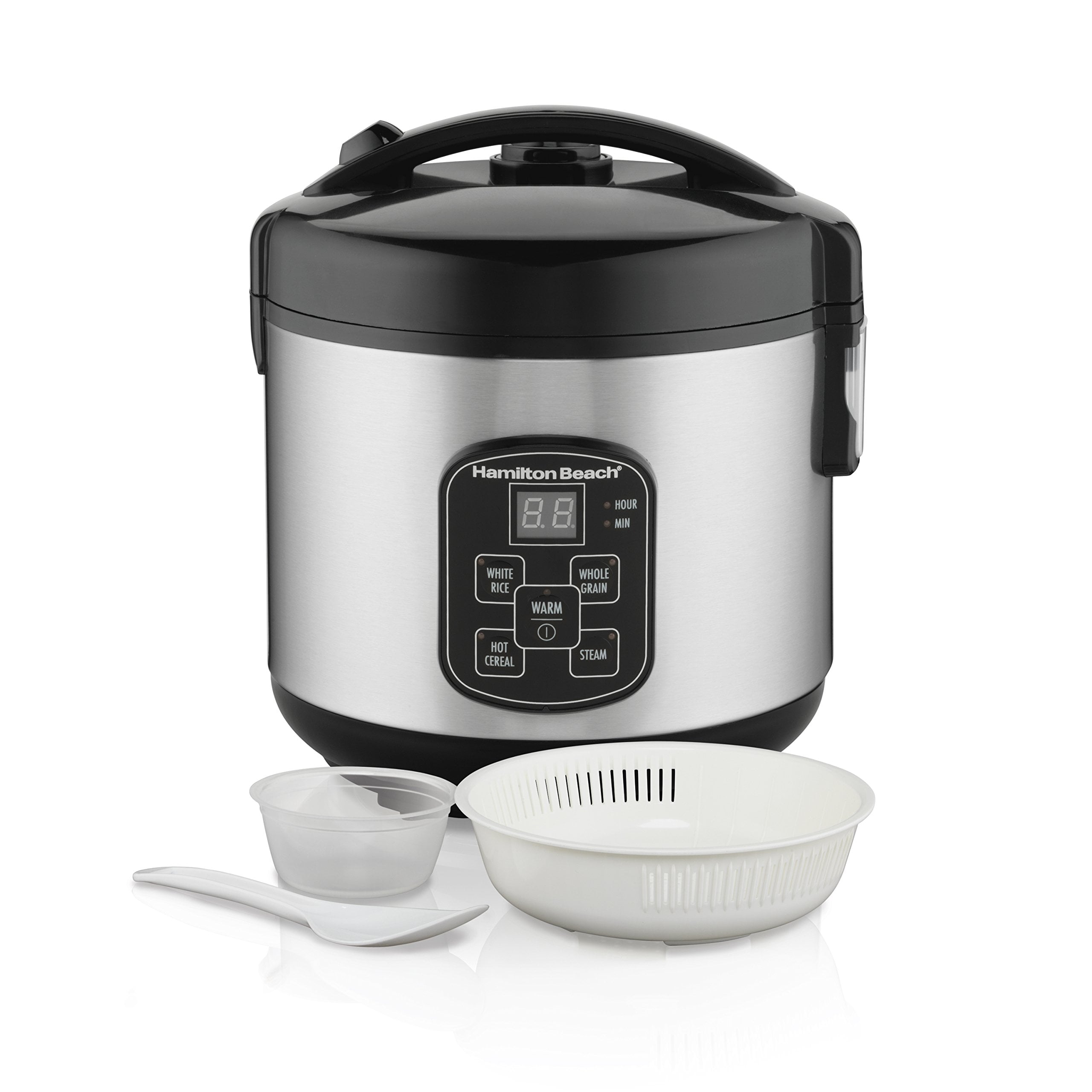
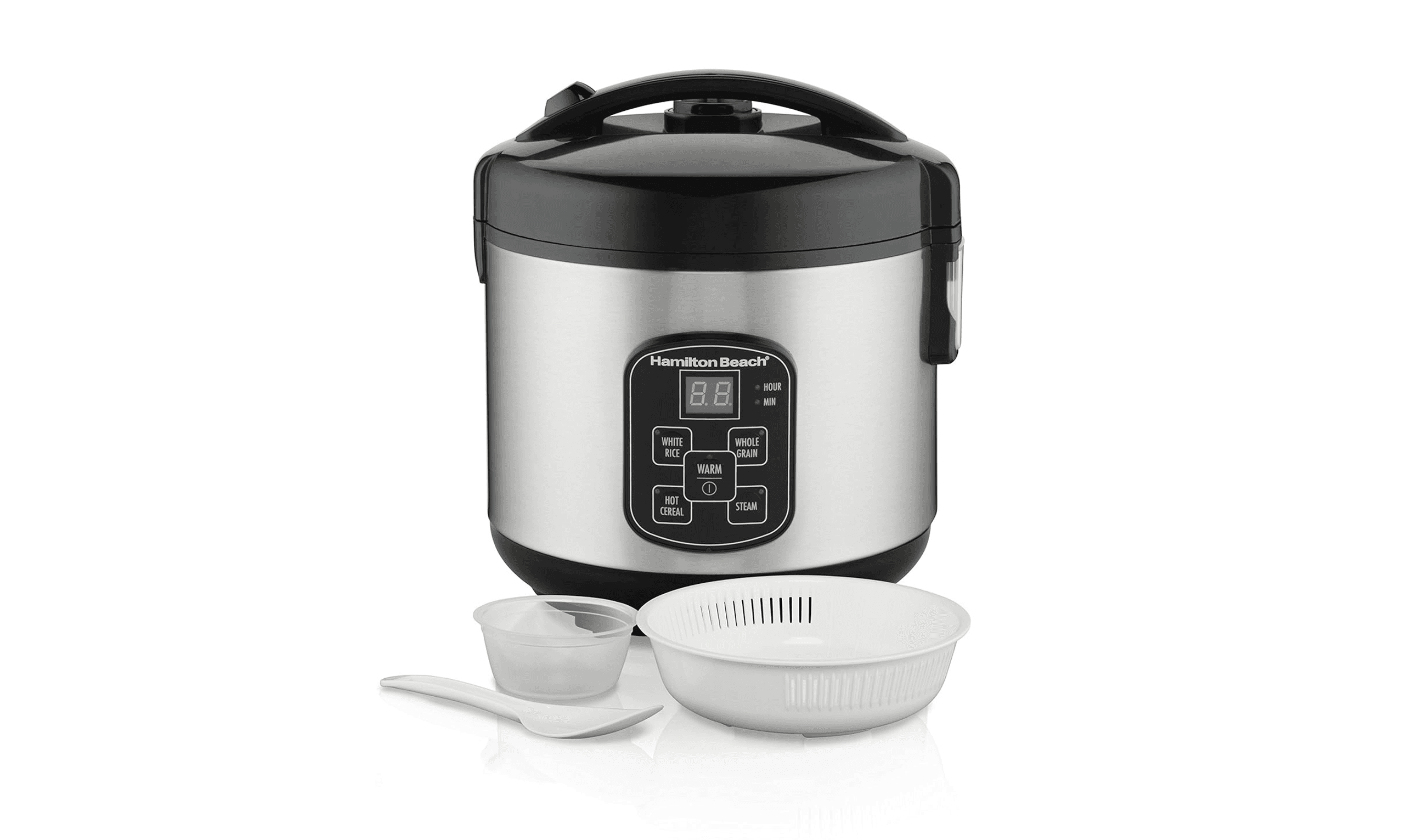
For the price, this model delivers surprisingly good rice with minimal fuss. It cooks quickly and consistently, making it ideal for everyday use without breaking the bank.
Key highlights
- Simple one-button operation
- Fast cooking time compared to fuzzy logic models
- Includes steamer basket for vegetables or proteins
- Nonstick cooking pot for easy cleaning
- Compact design fits most kitchens
Pros
- Excellent value for money
- Cooks rice quickly and reliably
- Includes useful accessories
- Easy to use with minimal learning curve
Cons
- Limited to basic rice cooking functions
- Keep-warm function may dry out rice over time
- No specialized settings for different rice types
Who it is for: Budget-conscious cooks who want reliable rice without fancy features.
Skip if
You need specialized settings for brown rice or other grains.
Zojirushi 3-Cup Rice Cooker - Best for beginners
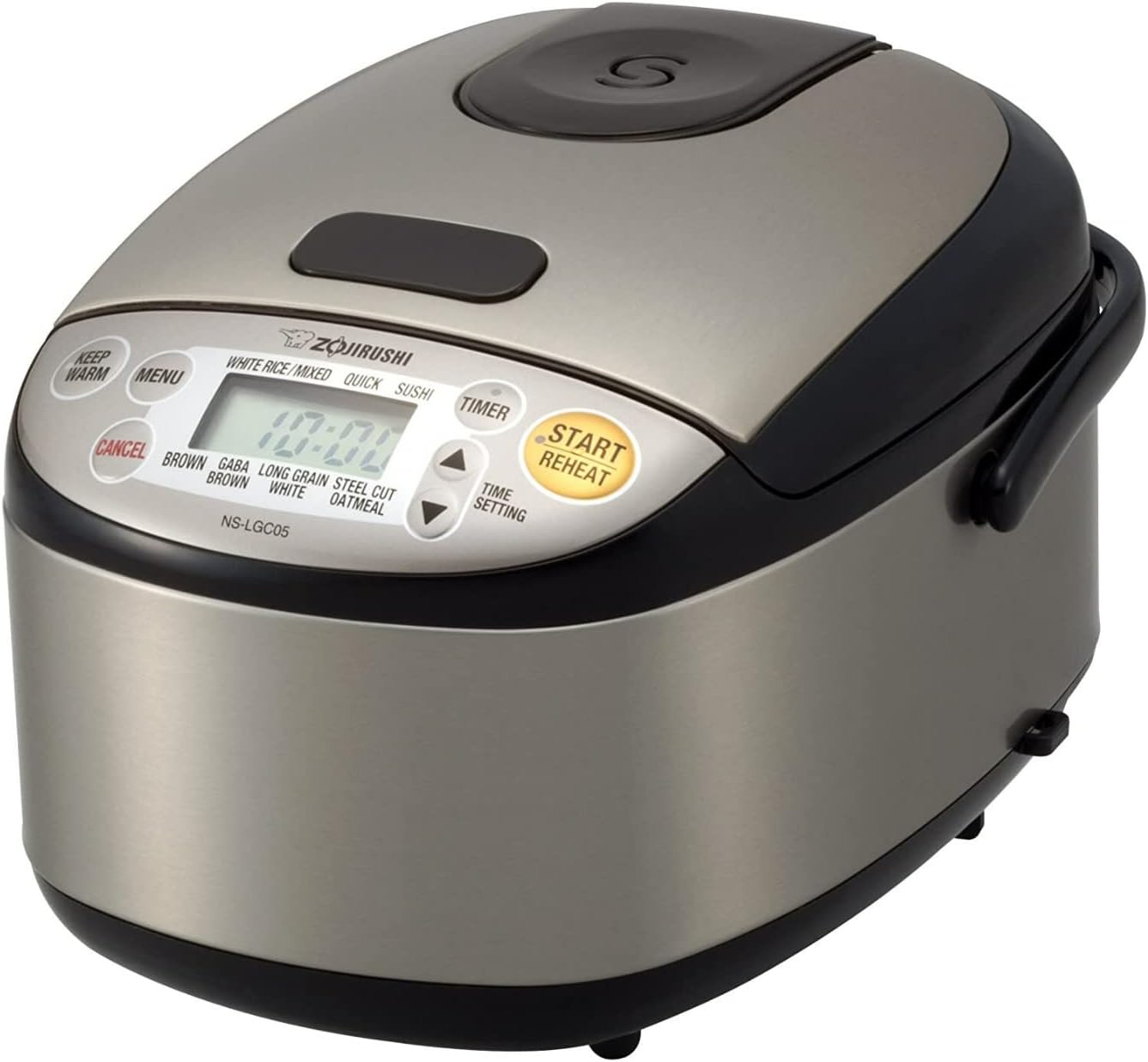
This compact model proves that simple can be effective. With intuitive Micom controls and clear water-line markings, it produces good rice quickly in a space-saving design perfect for small households.
Key highlights
- Micom (microcomputer) controlled cooking with multiple menu settings
- Compact size ideal for small kitchens
- Quick cooking time
- Clear water line markings inside pot
- Includes measuring cup and rice paddle
Pros
- Extremely easy to use
- Small footprint saves counter space
- Cooks rice quickly
- Affordable entry point to quality rice cookers
Cons
- Limited to 3-cup capacity
- Premium price for a 3-cup capacity
Who it is for: First-time rice cooker buyers, singles, couples, or those with limited kitchen space.
Skip if
You regularly cook for more than two people or want advanced features.
Dash Mini Rice Cooker - Best for small spaces
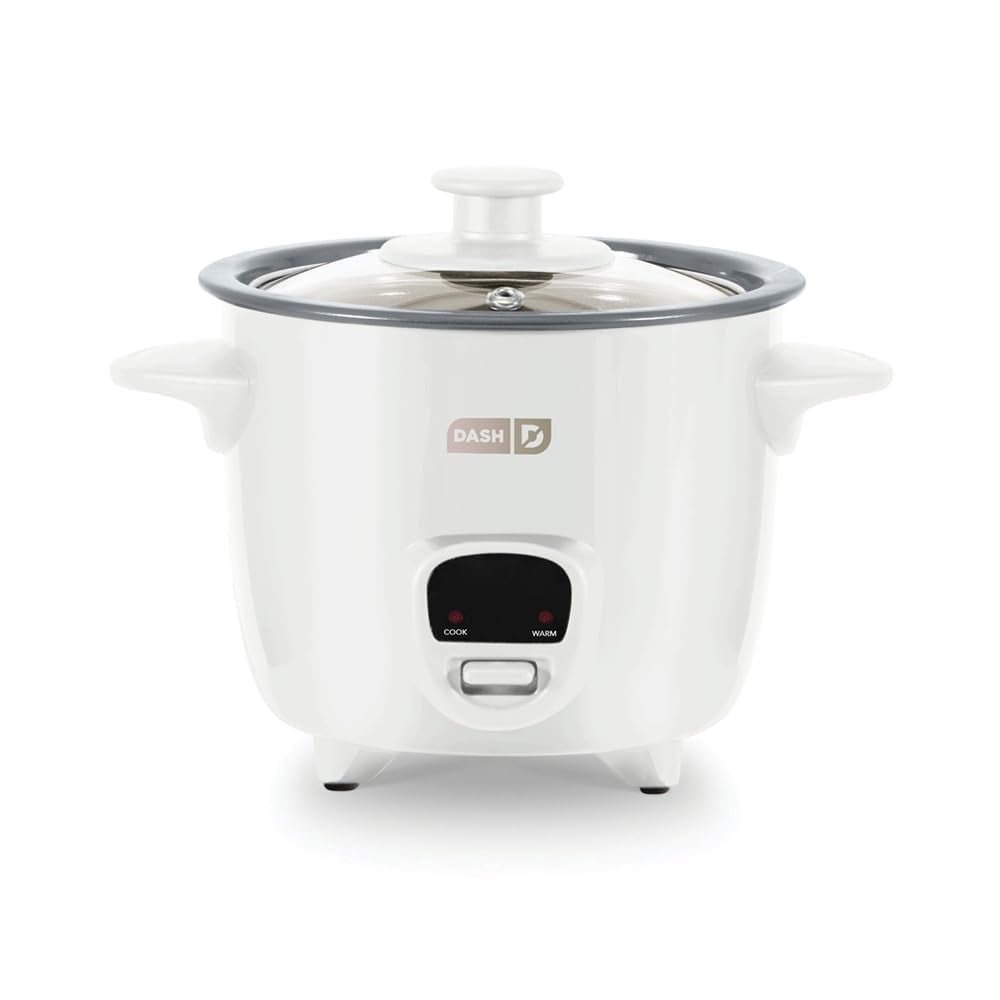
Measuring just 6 inches in diameter, this tiny powerhouse proves good things come in small packages. It's perfect for dorm rooms, office kitchens, or anyone with minimal storage.
Key highlights
- Extremely compact 6-inch diameter design
- One-button operation
- Nonstick cooking pot
- Includes measuring cup and serving spoon
- Cooks up to 2 cups of rice
Pros
- Takes up almost no counter space
- Very affordable price point
- Simple to operate
- Good for single servings
Cons
- Very small capacity
- Basic functionality only
Who it is for: Students, single people, or anyone with extremely limited kitchen space.
Skip if
You cook for more than one person regularly or want any special features.
Tiger Micom Rice Cooker - Best for brown rice
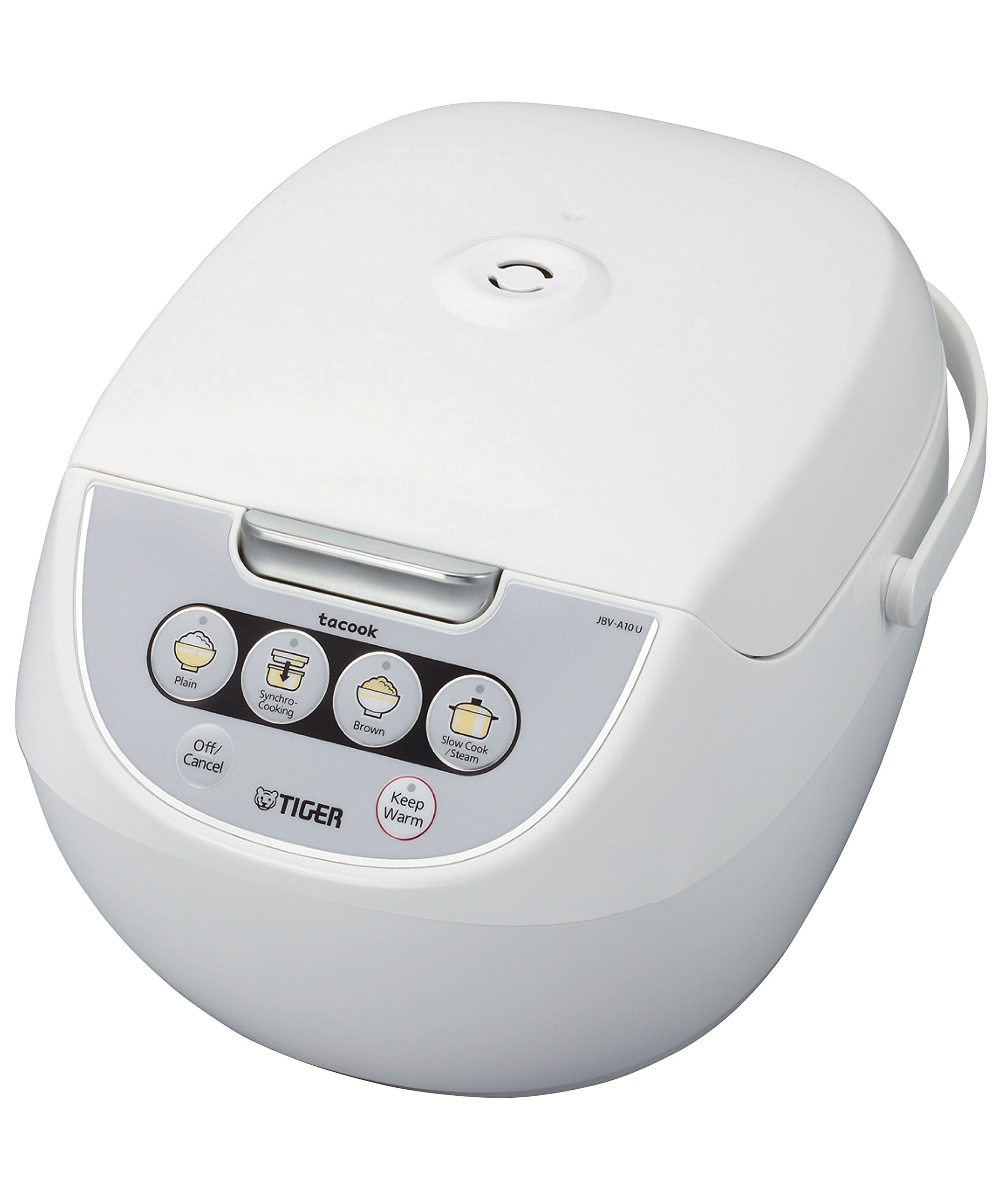
This Japanese brand offers excellent rice cooking with specialized settings that handle brown rice and other grains particularly well. It balances advanced features with reasonable pricing.
Key highlights
- Micom (microcomputer) technology for precise cooking
- Specialized settings for brown rice and other grains
- Extended keep-warm function
- Nonstick spherical cooking pan
- Multiple cooking functions
Pros
- Excellent results with brown rice and whole grains
- Good balance of features and price
- Reliable Japanese engineering
- Keeps rice warm effectively
Cons
- More expensive than basic models
- Can be slower than simple rice cookers
- Interface may be confusing for some users
Who it is for: Health-conscious cooks who regularly prepare brown rice and other whole grains.
Skip if
You only cook white rice or want the simplest possible operation.
Also Good
- Aroma 4-Cup Rice Cooker - affordable, compact pick with a handy steamer basket.
- Cuckoo Rice Cookers - fuzzy-logic Micom cooking with multiple grain settings.
- Zojirushi Induction Heating models - top-tier precision for serious cooking enthusiasts.
How to Choose
Consider these factors when selecting your rice cooker:
Capacity: Match the cooker size to your household. Single people need 3 cups or less, families of four typically need 5-6 cups, and larger households may want 8-10 cup models.
Rice type frequency: If you mostly cook white rice, a basic model works fine. Regular brown rice or mixed grain cooks should consider models with specialized settings.
Kitchen space: Measure your available counter space. Some models have surprisingly large footprints despite small capacities.
Special features: Decide if you need keep-warm functions, delay timers, or steamer baskets. These add convenience but also cost and complexity.
Budget: Good rice cookers range from $20 for basic models to $400+ for high-end induction heating units. Most households find excellent options between $50-$150.
FAQ
How much water should I use in a rice cooker?
Most modern rice cookers have clear water line markings inside the pot. Water usage depends on rice type and quantity, typically following a water-to-rice ratio (e.g., 1:1 to 2:1).
Can I cook other things in a rice cooker?
Yes, many rice cookers can handle grains like quinoa, oatmeal, and even steamed vegetables if they include a steamer basket. Some advanced models have slow cook or porridge functions. However, they're primarily designed for rice and work best for that purpose.
How long does rice stay warm in a rice cooker?
Most rice cookers with keep-warm functions maintain food-safe temperatures for several hours, typically 2-4 hours. Extended keep-warm settings on premium models can maintain quality for longer periods by adjusting temperature based on remaining rice quantity.
Do I need to rinse rice before cooking in a rice cooker?
Rinsing rice removes excess starch that can make rice gummy. While not strictly necessary, it improves texture and is recommended for best results. Simply rinse under cold water until the water runs mostly clear.
What's the difference between basic and fuzzy logic rice cookers?
Basic rice cookers use simple timers and fixed heat settings. Fuzzy logic models have microprocessors that adjust cooking time and temperature based on moisture detection, resulting in more consistent results across different rice types and batch sizes.
Published February 18, 2026 Last updated June 16, 2026
Share this article
More in News
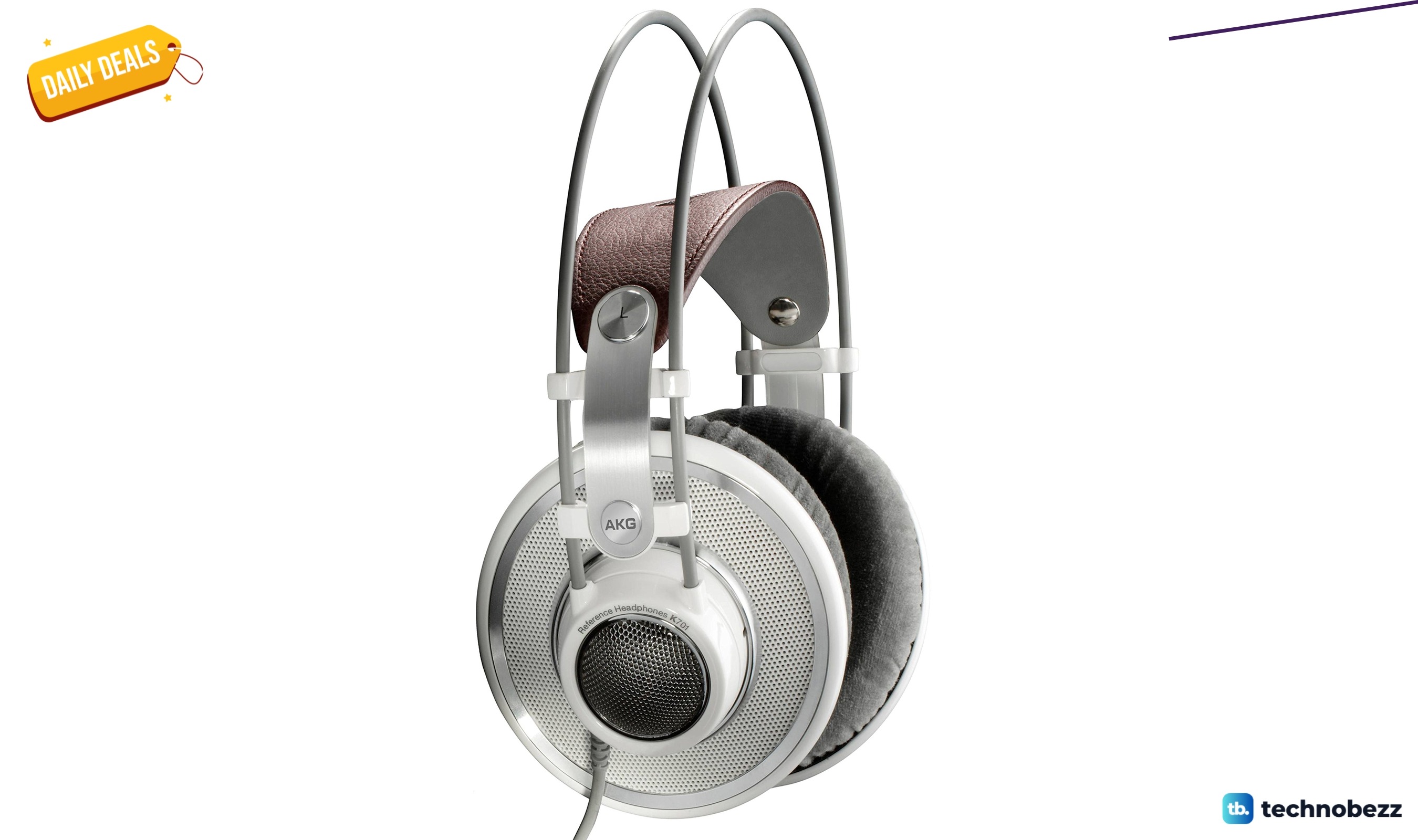
AKG K 701 Ultra Reference Class Stereo discounted to $247.37
AKG K 701 headphones drop to $247.37 on Amazon, a 47% discount that sits below recent 30, 90, and 180-day average prices.
5 min read
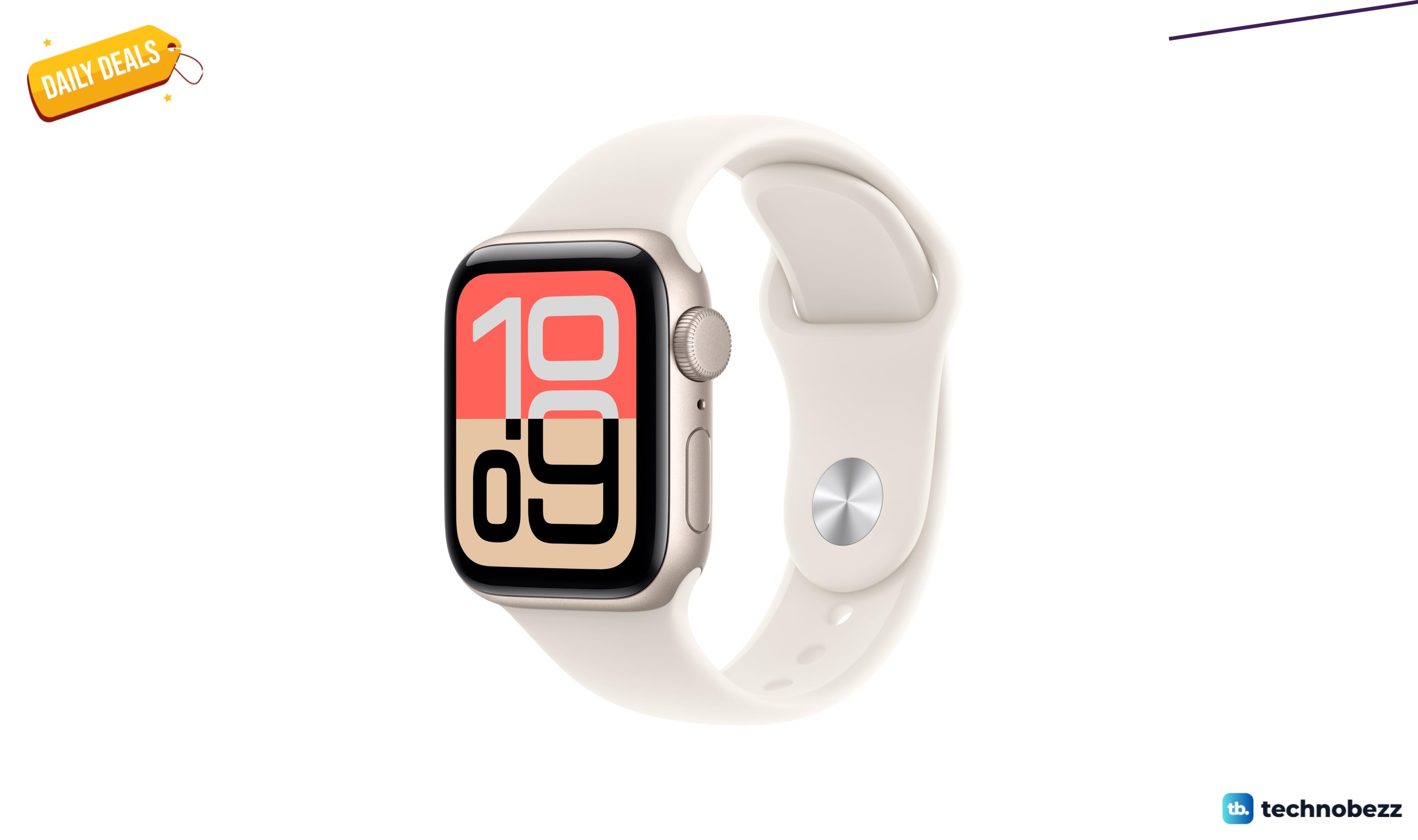
Apple Watch SE 3 GPS 40mm Smartwatch discounted to $189.97
Save $59.03 on the Apple Watch SE 3 GPS 40mm at Amazon, matching its lowest recorded price with health and sleep tracking.
5 min read
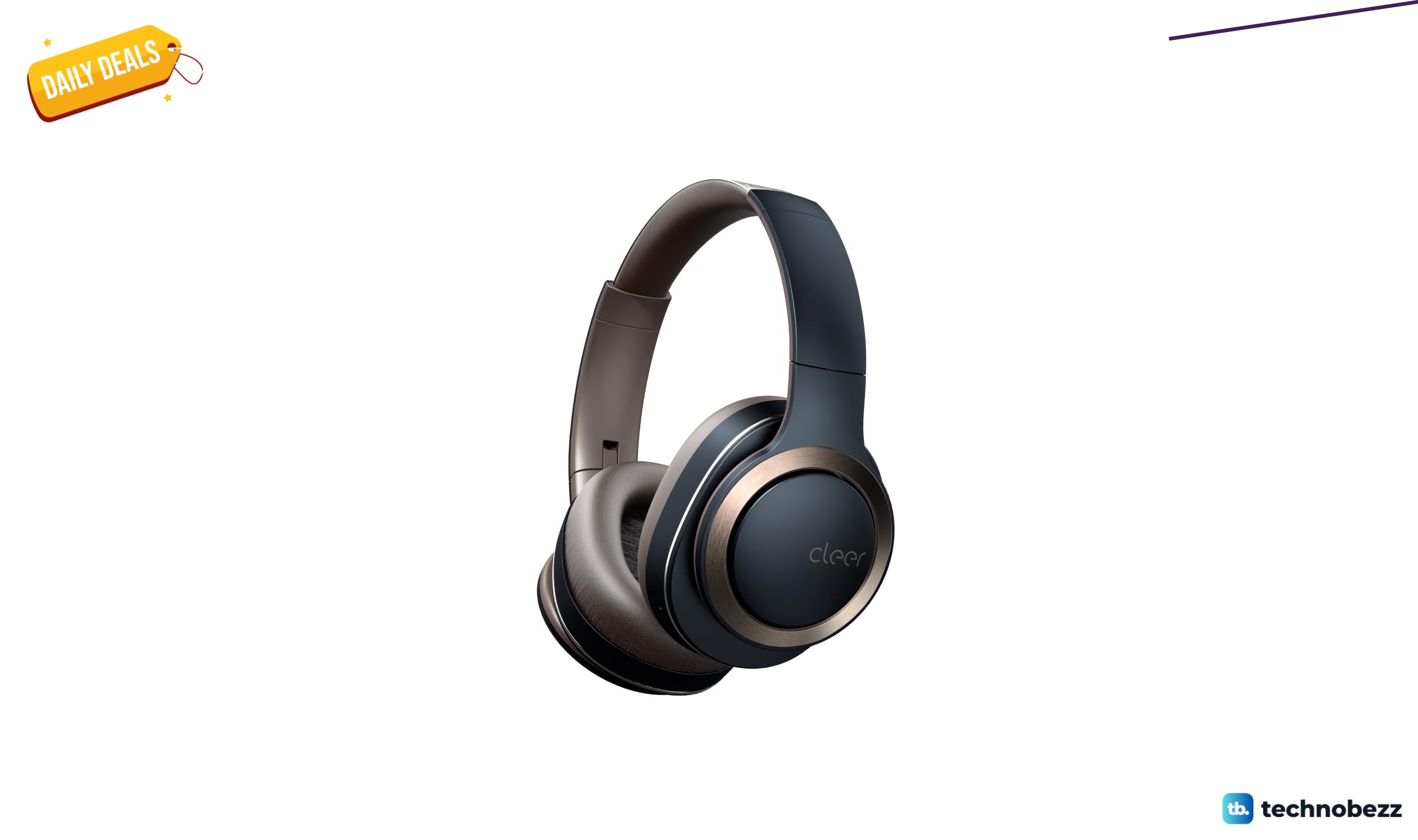
Cleer Audio Enduro ANC Noise Canceling Headphones price drops to $94.99
Save 47% on Cleer Audio Enduro ANC headphones at $94.99, with 60-hour battery, active noise cancellation, and multipoint Bluetooth.
3 min read

Lenovo coupon codes and deals
Browse 5 current Lenovo offers, including 3 coupon codes and 2 online deals.
5 min read

Woot coupon codes and deals
3 min read

Samsung coupon codes and deals
5 min read

Best tech coupon codes and online deals
4 min read
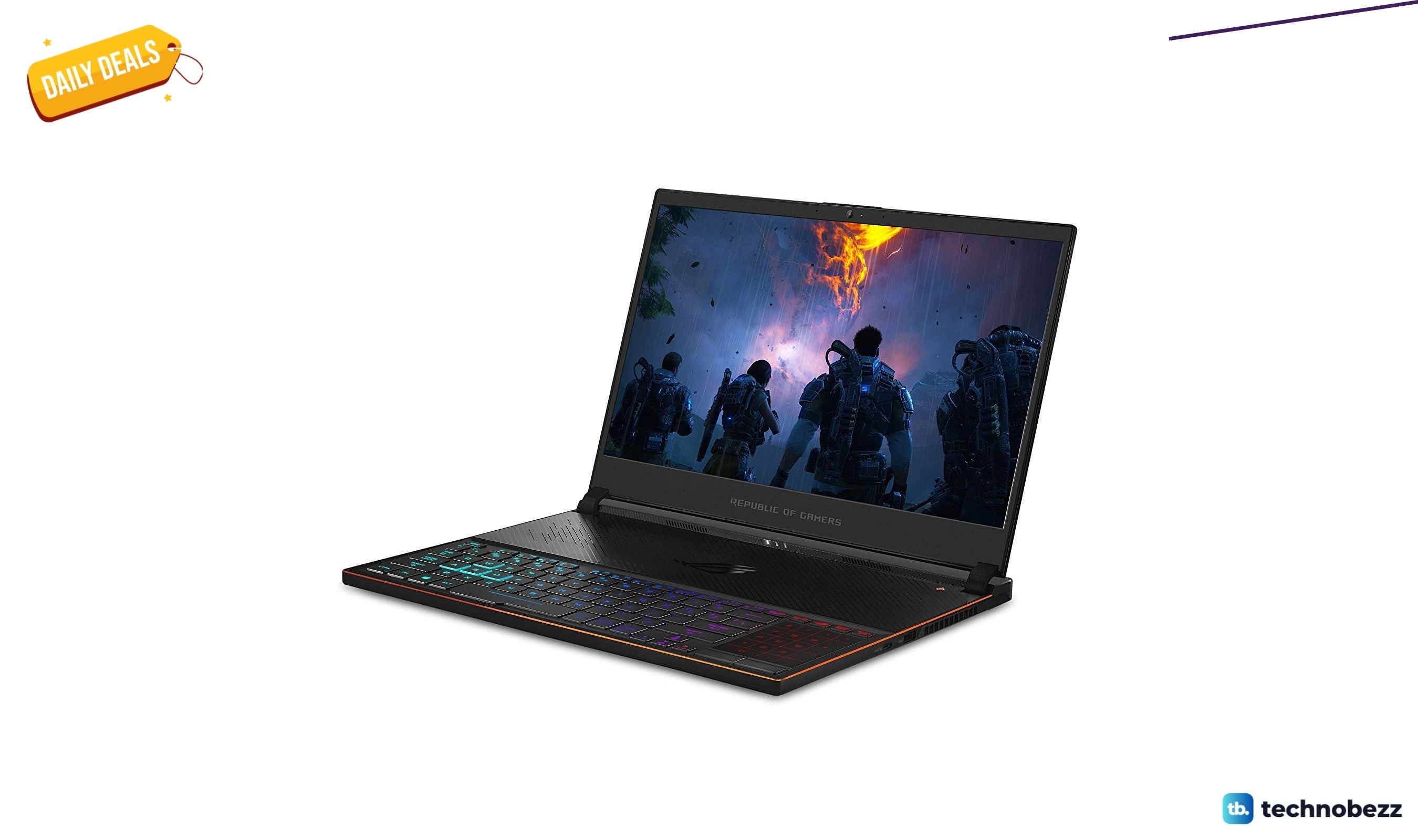
ASUS ROG Zephyrus S Ultra Slim Gaming gets a $660.95 price cut to $1338.05
5 min read
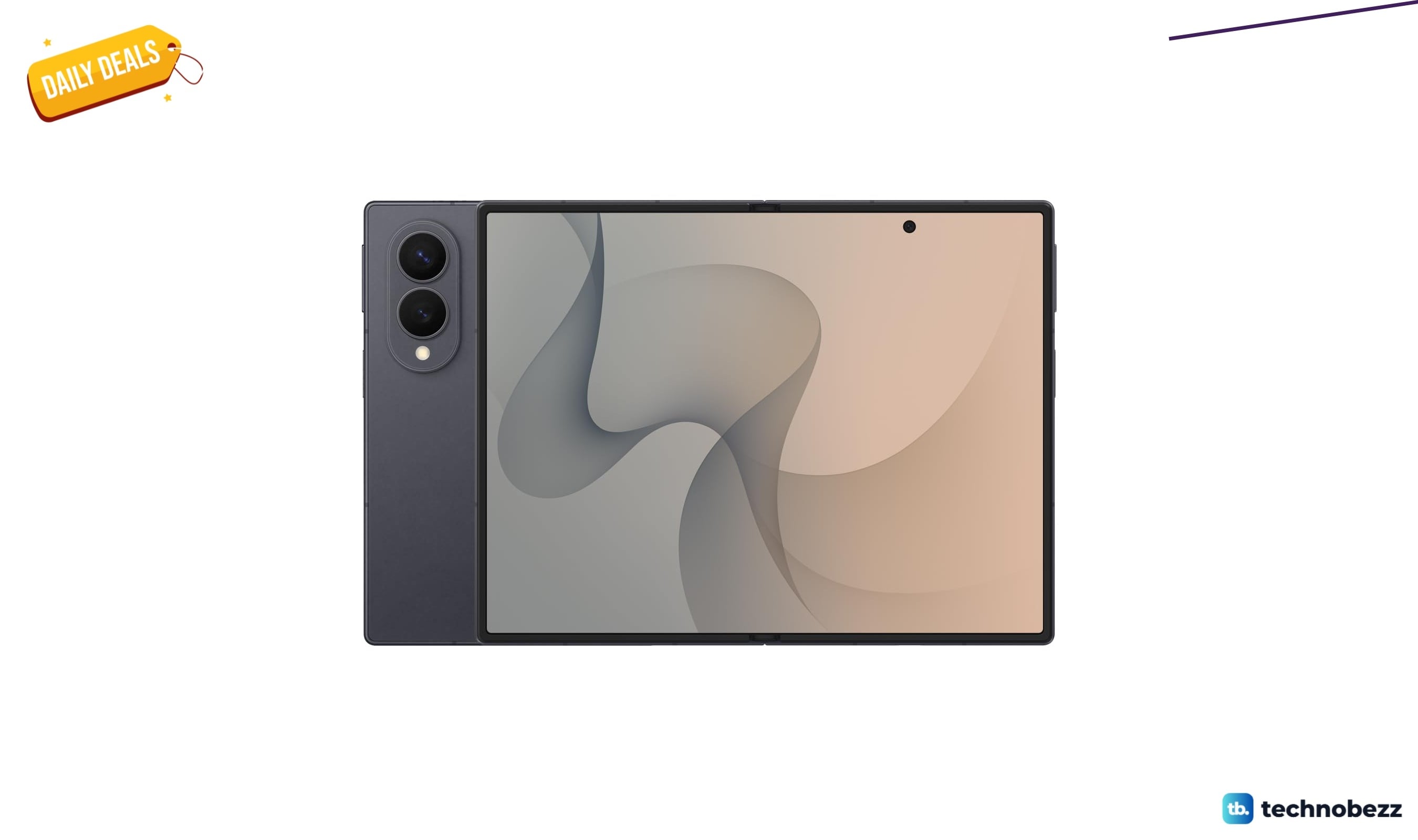
Samsung Galaxy Z Fold8 Unlocked Android Smartphone on sale for $1649.99
3 min read
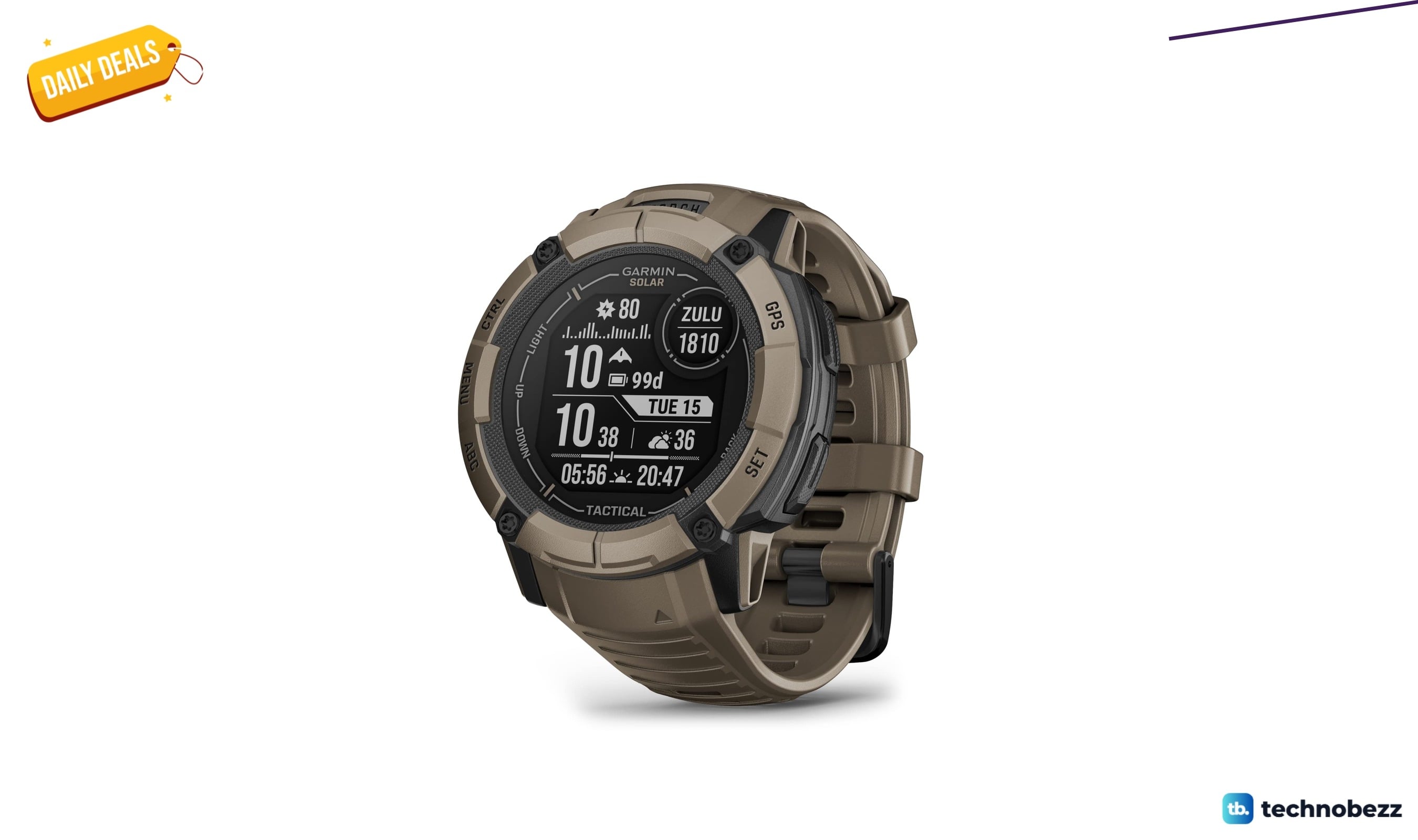
We found 2 smartwatch deals from $219.99 that are actually worth it
5 min read
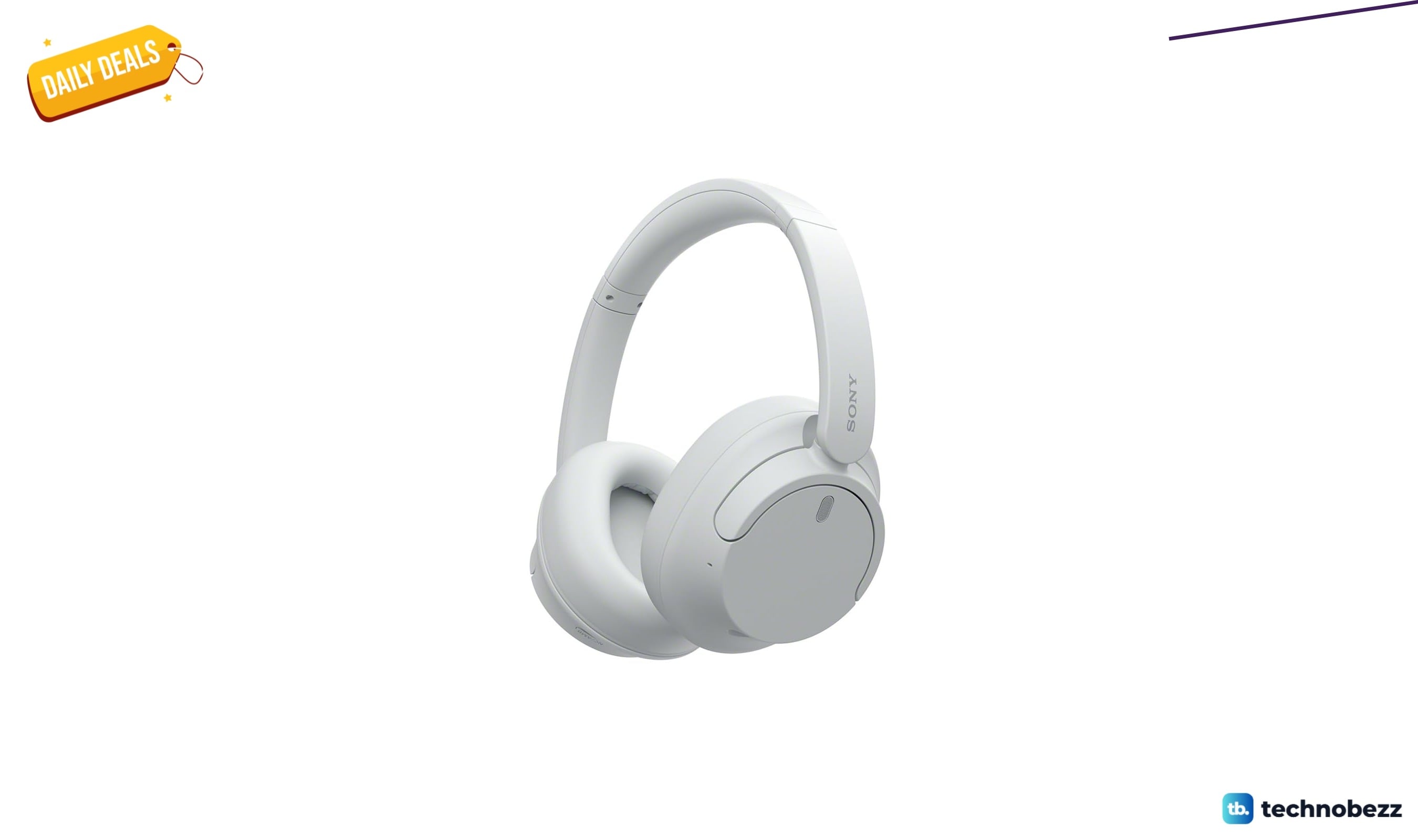
Sony WH-CH720 Noise Canceling Wireless Bluetooth Headphones now $87.94, down from $119.99
3 min read
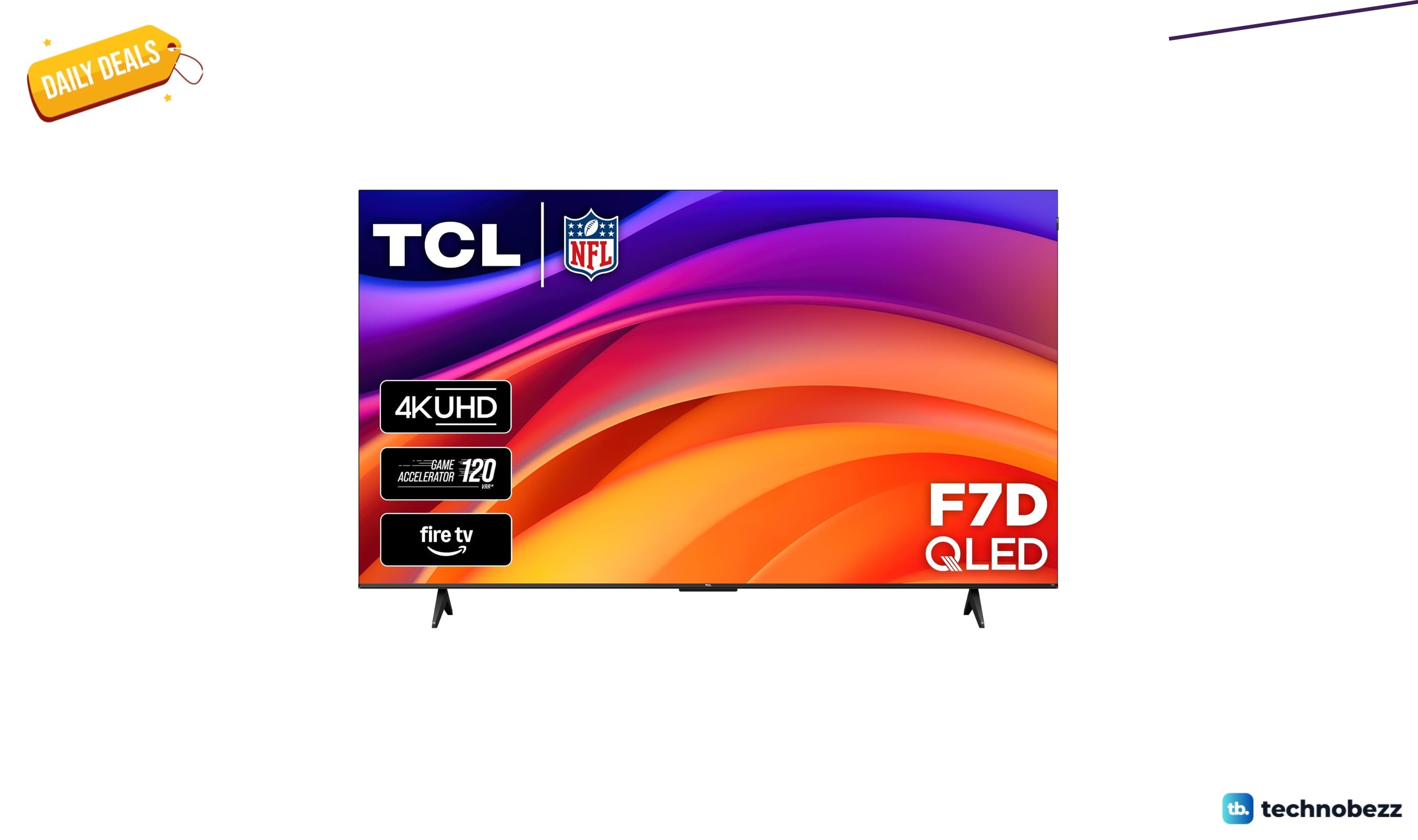
TCL 75-inch F7D QLED 4K TV leads 2 TV deals from $499.99
5 min read