If you want health tracking without the bulk of a smartwatch, a smart ring is your answer. The Oura Ring 5 sets the new gold standard for accuracy and polish, but Samsung's Galaxy Ring offers seamless Android integration, and several budget options deliver solid tracking without monthly fees. This list is for anyone who wants discreet, comfortable health monitoring that works day and night.
Technobezz is supported by its audience. We may get a commission from retail offers.
Best Smart Rings for Health Tracking in 2026
Oura Ring 4 leads our picks for the best smart rings in 2026. Compare top models for health tracking, battery life, and value without subscriptions.
T
Technobezz
Editorial Team
Updated June 7, 2026Jun 7, 2026
•7 min read

Get Deals Like These in Your Inbox
The best prices, checked by our editors.
At a Glance
| Category | Product | Why We Picked It |
|---|---|---|
| Best overall | Oura Ring 5 | World's smallest smart ring with 12 sensor pathways and up to 9 days of battery life |
| Best for Android users | Samsung Galaxy Ring | Seamless integration with Galaxy phones and innovative charging case |
| Best value (no subscription) | RingConn Gen 3 | World's first smart ring with vascular trend insights and vibration alerts, up to 14-day battery with zero monthly fees |
| Best wallet-friendly option | Amazfit Helio Ring | Affordable price with solid basic tracking |
How we chose
We evaluated smart rings based on sleep tracking accuracy, battery life, comfort, app experience, and overall value. We considered both premium options with subscription models and budget-friendly alternatives that work without ongoing fees. The focus was on real-world usability, not just technical specifications.
The best smart rings for health right now
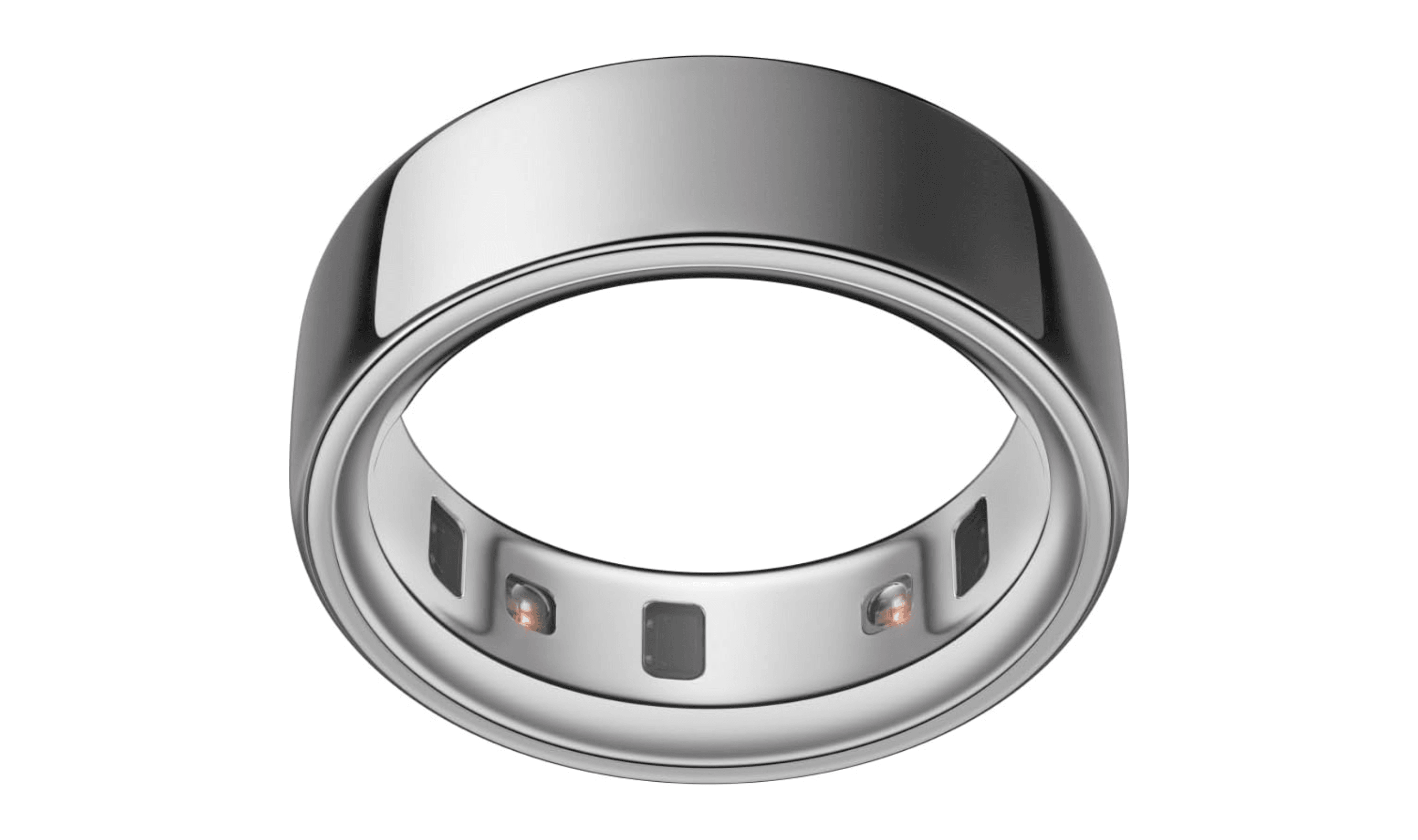
Oura Ring 5 - Best overall
The Oura Ring 5 delivers the most advanced health tracking available in the world's smallest smart ring form factor. Built 40% smaller than its predecessor, it uses 12 signal pathways for greater accuracy across more finger types and skin tones. Oura claims sleep staging accuracy of 95% and heart rate tracking accuracy of 99%, making it the ring to get if you want comprehensive, research-backed insights in the most discreet wearable possible.
Key highlights
- World's smallest smart ring, 40% more compact than previous generation
- 12 signal pathways for greater accuracy across more finger types and skin tones
- Tracks over 50 health metrics including sleep, readiness, and activity
- 6 to 9 days of battery life packed into a lighter, smaller design
- New blood pressure signals and nighttime breathing monitoring
- AI Advisor for personalized health guidance
- Works with both Android and iOS
Pros
- Most accurate sleep tracking available in a smart ring
- Significantly smaller and lighter than previous generation
- Comprehensive health insights with proactive new features
- 100m water resistance for swimming and water sports
- Durable titanium construction with comfortable all-day wear
Cons
- Requires ongoing membership for full feature access
- Higher upfront investment than budget alternatives
- Limited advanced workout tracking compared to dedicated fitness wearables
Who it is for: People who want the most accurate and comprehensive health tracking available in the most discreet wearable form factor, compatible with both Android and iOS.
Skip if
You prefer not to pay ongoing membership fees or primarily need advanced workout tracking features.
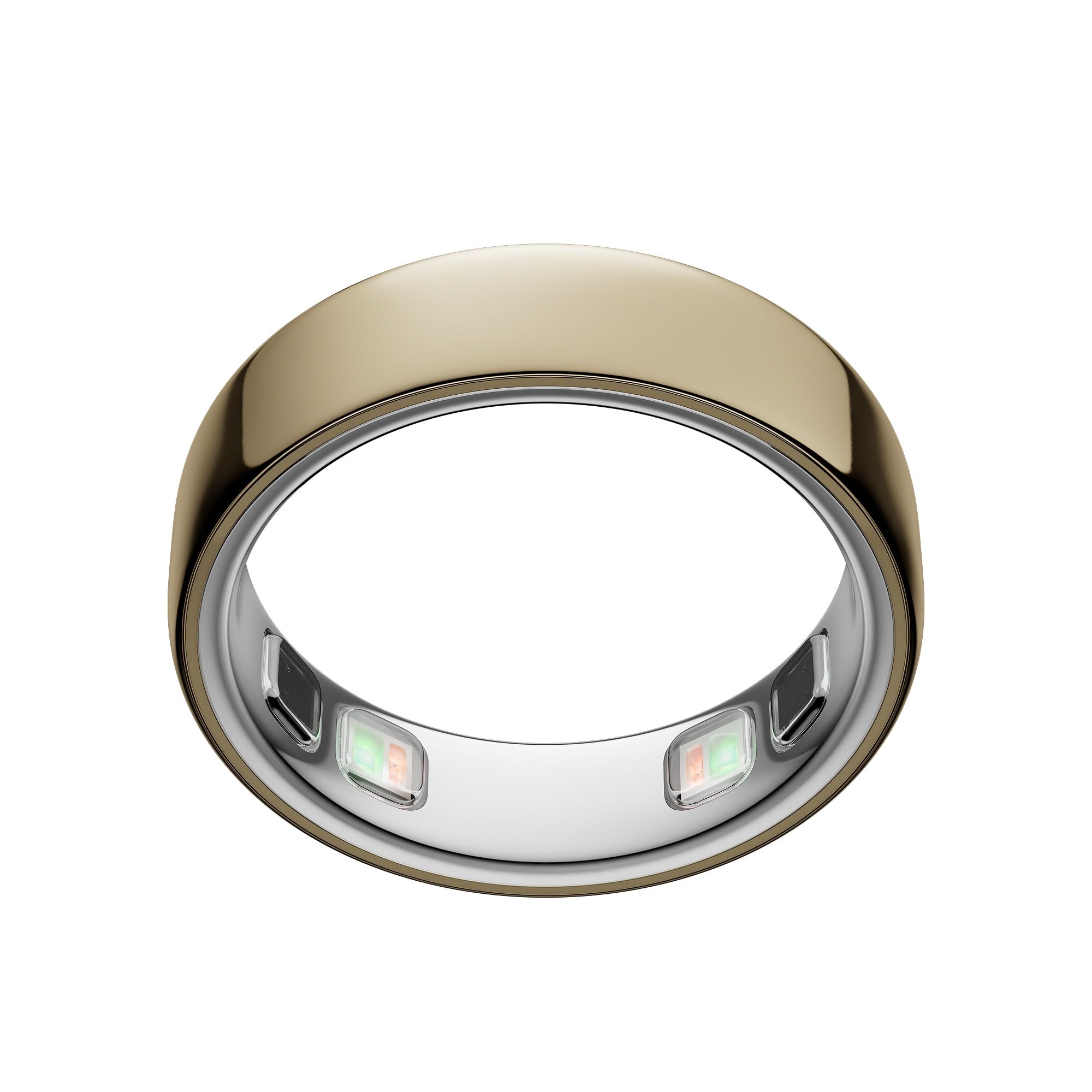
Samsung Galaxy Ring - Best for Android users
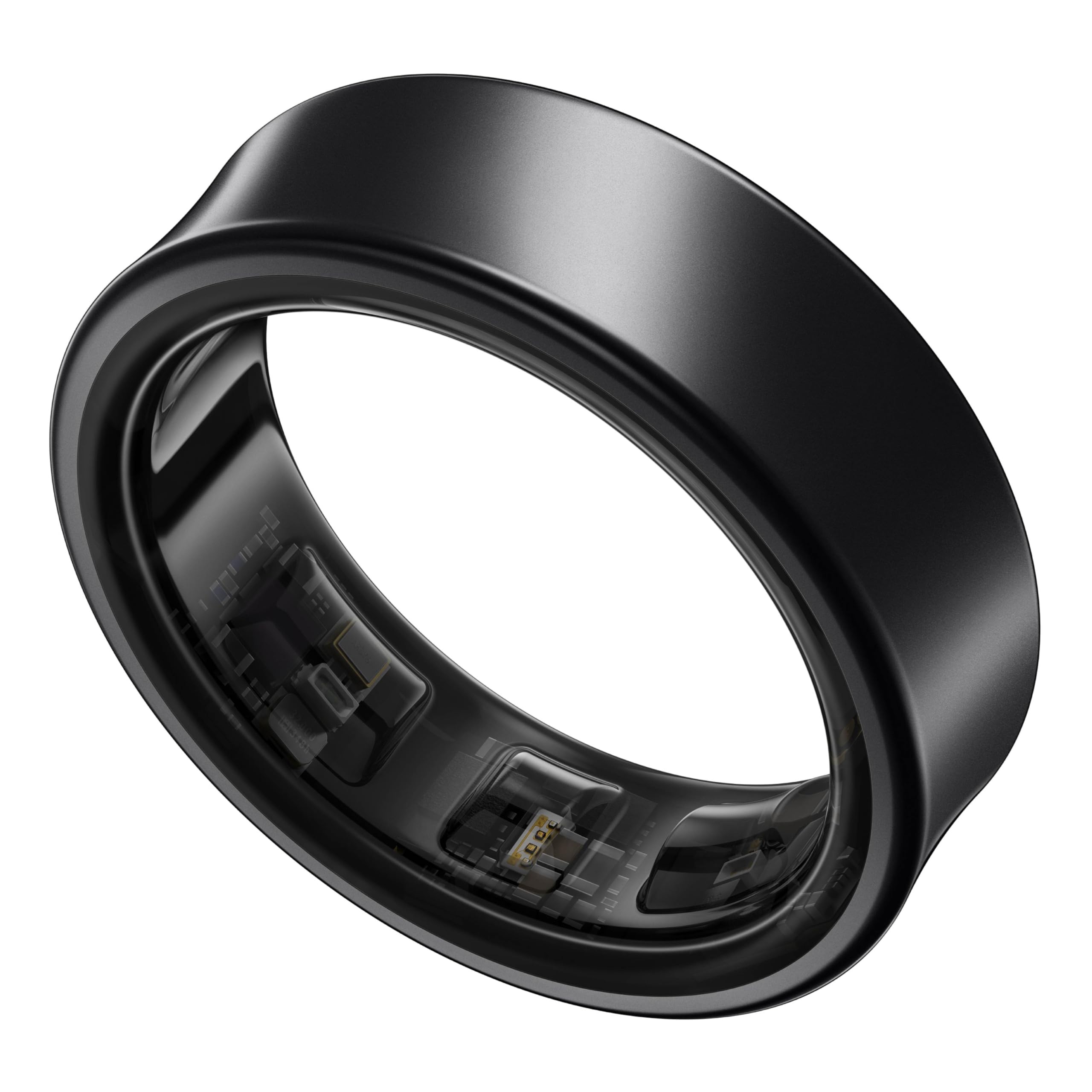
Samsung's entry into the smart ring market brings seamless integration with Galaxy phones and an innovative charging case that provides extra power on the go. It offers excellent sleep tracking and works without a subscription, though it's priced at the premium end.
Key highlights
- Seamless integration with Samsung Galaxy ecosystem
- Innovative charging case provides extra battery life
- No monthly subscription required
- Good sleep tracking accuracy in initial testing
- Works with latest Samsung Health features
Pros
- Excellent integration with Samsung devices
- No ongoing subscription fees
- Handy charging case design
- Solid sleep tracking performance
Cons
- Premium price makes it one of the priciest options
- Best features require latest Galaxy phones
- Limited color and size options currently
Who it is for: Android users, especially those with Samsung Galaxy phones, who want subscription-free health tracking.
Skip if
You use an iPhone or want the most budget-friendly option.
RingConn Gen 3 - Best value (no subscription)
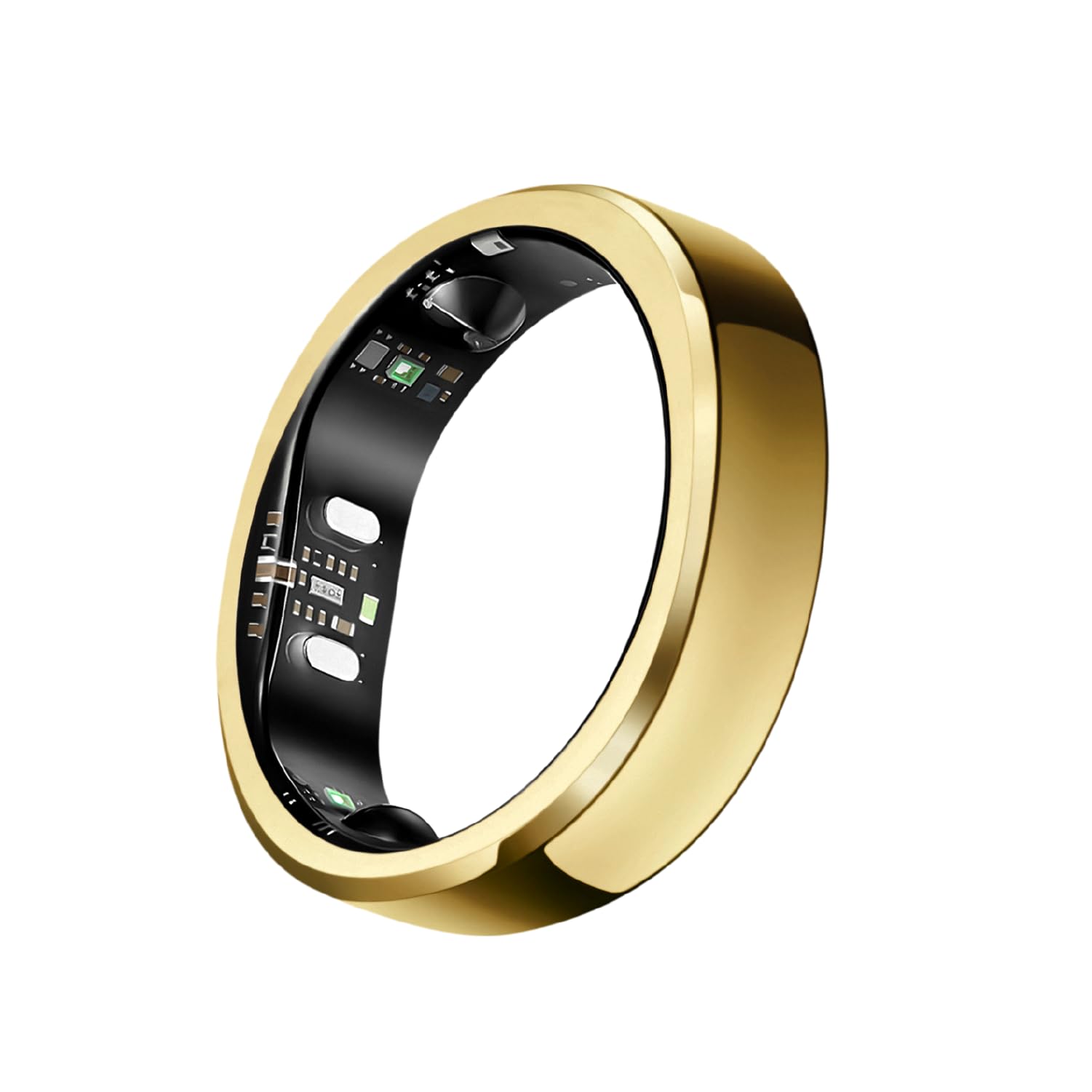
The RingConn Gen 3 is the world's first smart ring to combine vascular trend insights with vibration alerts, delivering a genuinely new layer of health awareness without a monthly subscription. Battery life stretches up to 14 days, tracking covers sleep, sleep apnea, heart rate, blood oxygen, stress, and activity, and the lightweight titanium build handles depths down to 100 meters. It offers more capability than its predecessor while keeping the total cost of ownership low.
Key highlights
- World's first smart ring with vascular trend monitoring built in
- Vibration alerts for health reminders such as high stress and inactivity nudges
- Up to 14-day battery life with zero monthly subscription fees
- Comprehensive tracking: sleep, sleep apnea, heart rate, SpO2, stress, and activity
- Lightweight titanium construction with IP68 water resistance to 100m
- Wide sizing range (6-15) with a sizing kit included
- Works with both iOS and Android
Pros
- No ongoing subscription costs
- Industry-leading battery life of up to 14 days
- Unique vibration alerts found in no other mainstream smart ring
- Advanced vascular trend insights for long-term cardiovascular awareness
- Lightweight, comfortable, and durable build
Cons
- Sleep staging accuracy still trails the top-tier options
- Workout tracking is less robust than dedicated fitness wearables
- App experience less polished than premium alternatives
Who it is for: Value-focused users who want advanced health tracking including vascular insights and vibration health reminders without ever paying a monthly fee.
Skip if
You need the most precise sleep staging, advanced workout metrics, or seamless integration with a specific phone ecosystem.
Amazfit Helio Ring - Best wallet-friendly option
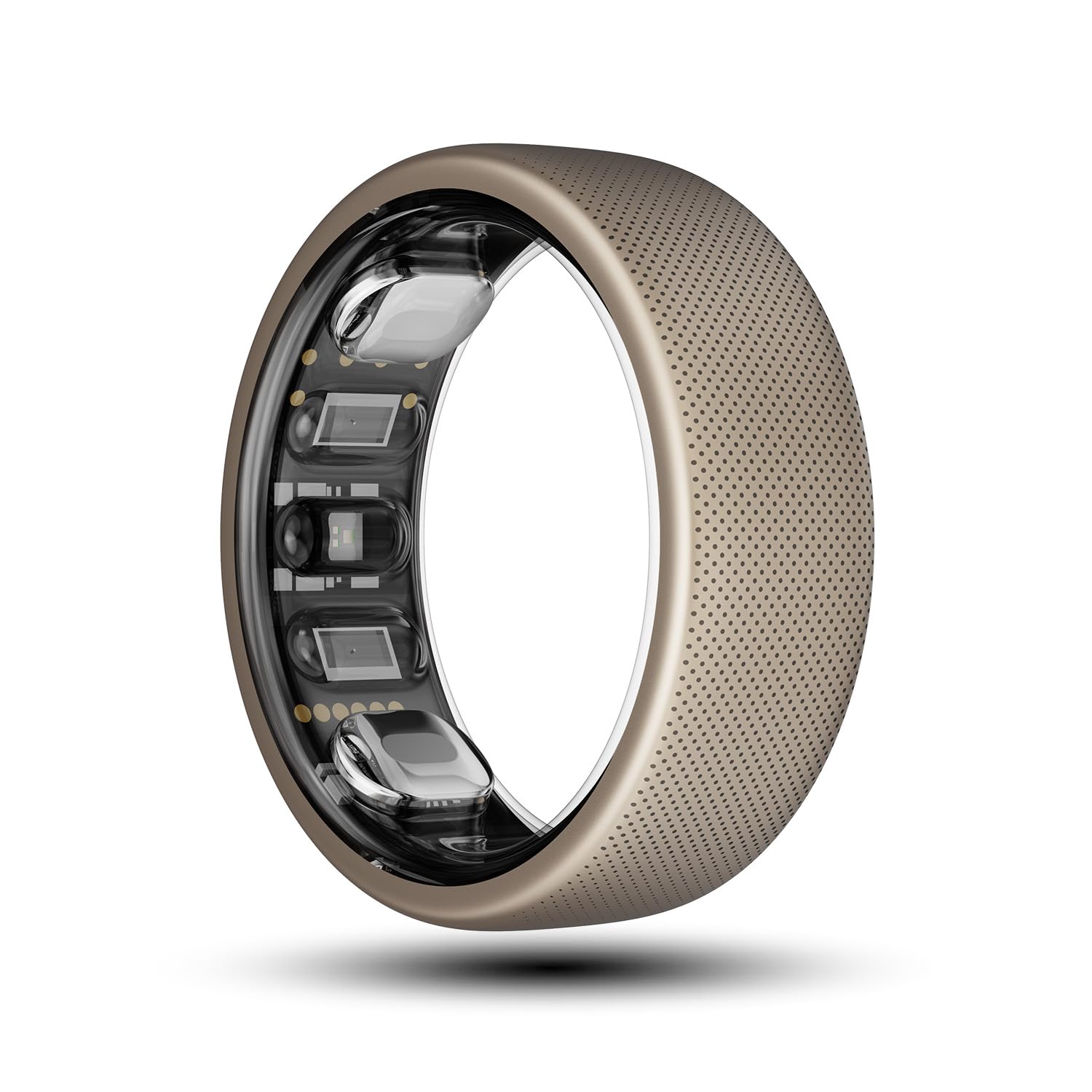
The Amazfit Helio Ring offers basic health tracking at an accessible price point. It's a solid entry-level option for those dipping their toes into smart ring technology without a major investment.
Key highlights
- Affordable price point
- Basic sleep and activity tracking
- No subscription required
- Simple, straightforward app
- Good battery life
Pros
- Most affordable premium-feeling option
- No subscription fees
- Easy to use for beginners
- Decent battery performance
Cons
- Limited advanced features
- Less accurate than premium options
- Basic app with fewer insights
Who it is for: First-time smart ring users or those on a tight budget who want basic tracking.
Skip if
You need advanced sleep analysis or comprehensive health insights.
How to Choose
Consider these factors when picking your smart ring:
- 1.Subscription vs. one-time cost: Oura requires a monthly membership fee, while RingConn and Samsung have no ongoing fees.
- 2.Phone ecosystem: Samsung Galaxy Ring works best with Galaxy phones, while Oura works with both iOS and Android.
- 3.Sleep tracking priority: If sleep accuracy is your top concern, Oura leads the pack with research-backed algorithms.
- 4.Battery life needs: RingConn offers up to 14 days, while most others last 4-7 days between charges.
- 5.Comfort and sizing: Most manufacturers provide free sizing kits, wear the dummy ring for 24 hours to ensure proper fit.
FAQ
Do smart rings work with both iPhone and Android?
Most smart rings work with both platforms, but Samsung's Galaxy Ring offers the best experience specifically with Galaxy phones. Oura and RingConn work well across both iOS and Android.
How accurate is smart ring sleep tracking compared to medical devices?
Research on Oura's algorithms found "good agreement" for global sleep measures and deep sleep tracking against medical polysomnography. Other rings show more variability, especially in deep sleep tracking.
Should I take my smart ring off for certain activities?
Yes, take it off when lifting weights or doing activities that could scratch or damage the ring. Most are water-resistant for daily wear but not designed for heavy impact.
How long do smart ring batteries typically last?
Battery life varies from 4-7 days for most models to up to 14 days for RingConn. All require regular charging, with some like Samsung offering convenient charging cases.
Are there any smart rings with ECG or blood pressure monitoring?
The first rings capable of taking ECG readings are entering the market, but most current models focus on heart rate, sleep, and activity tracking rather than medical-grade measurements.
Published February 18, 2026 Last updated June 7, 2026
Share this article
More in News
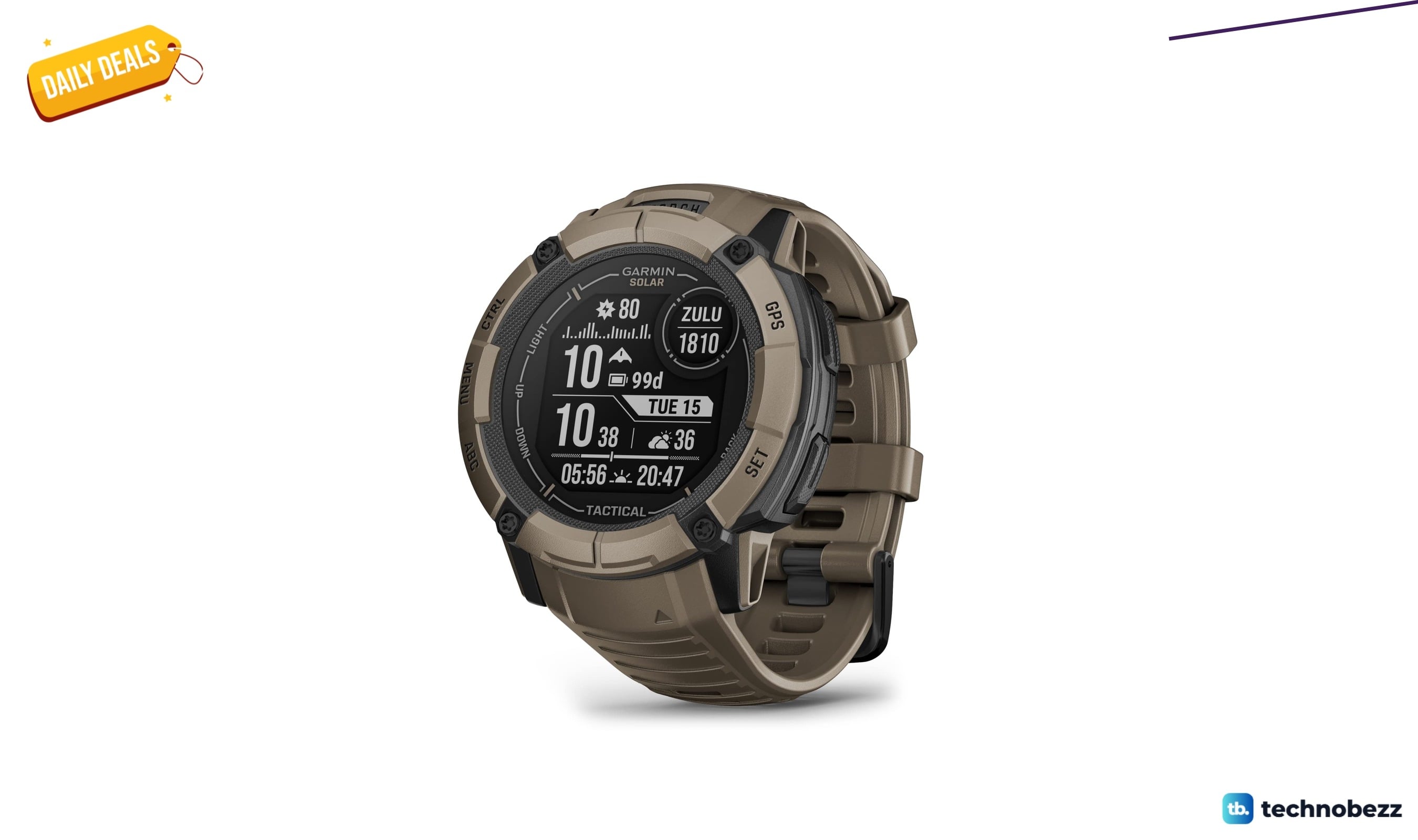
We found 2 smartwatch deals from $219.99 that are actually worth it
Two verified smartwatch deals from $219.99, including the Samsung Galaxy Watch 8 and rugged Garmin Instinct 2X Solar Tactical, with savings up to $100.
5 min read
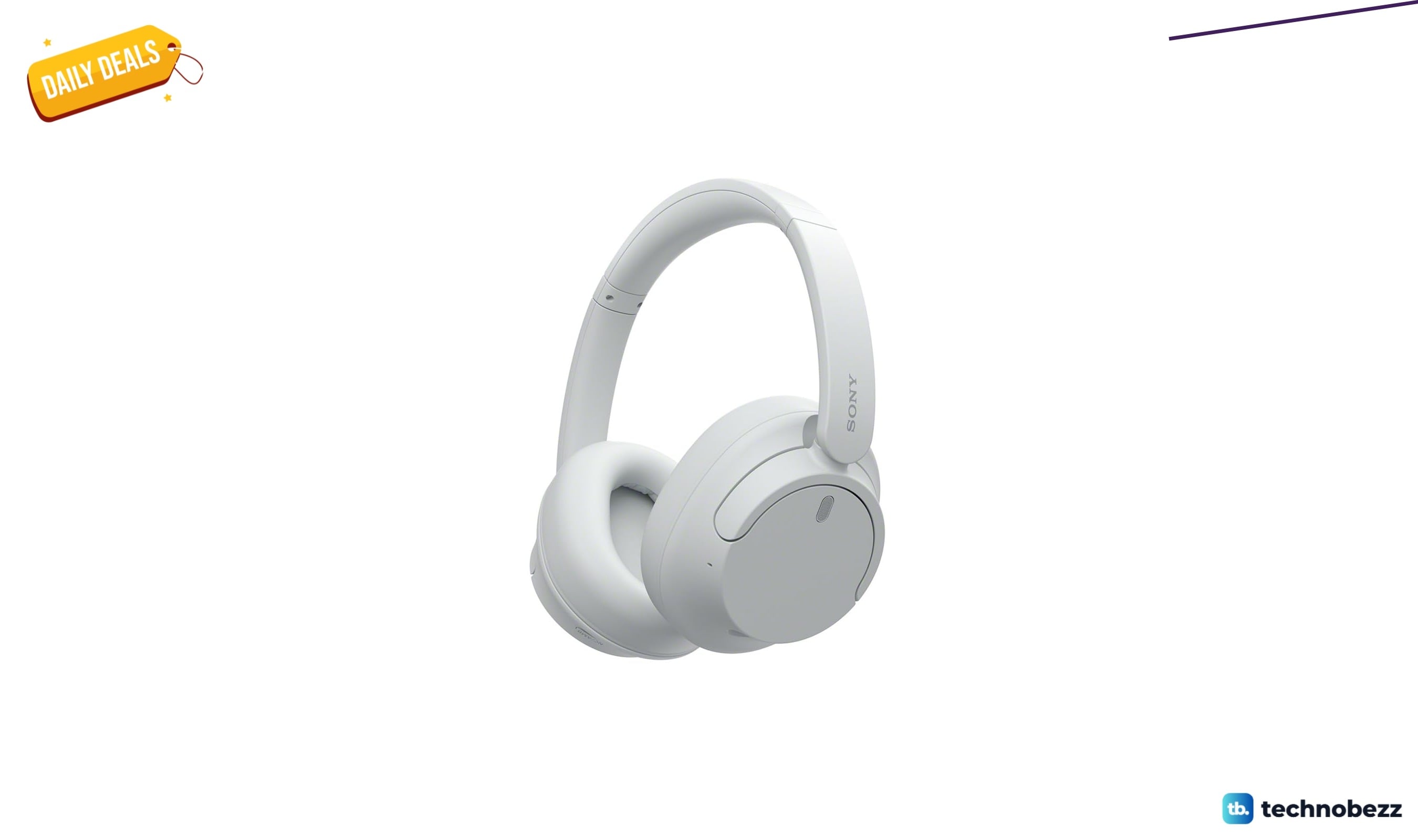
Sony WH-CH720 Noise Canceling Wireless Bluetooth Headphones now $87.94, down from $119.99
Save 27% on Sony WH-CH720 noise canceling headphones at $87.94, with 35-hour battery life and multipoint Bluetooth.
3 min read

Lenovo coupon codes and deals
Browse 5 current Lenovo offers, including 3 coupon codes and 2 online deals.
5 min read

Woot coupon codes and deals
Browse 2 current Woot offers, including 2 coupon codes and 0 online deals.
3 min read
Samsung coupon codes and deals
5 min read

Best tech coupon codes and online deals
4 min read
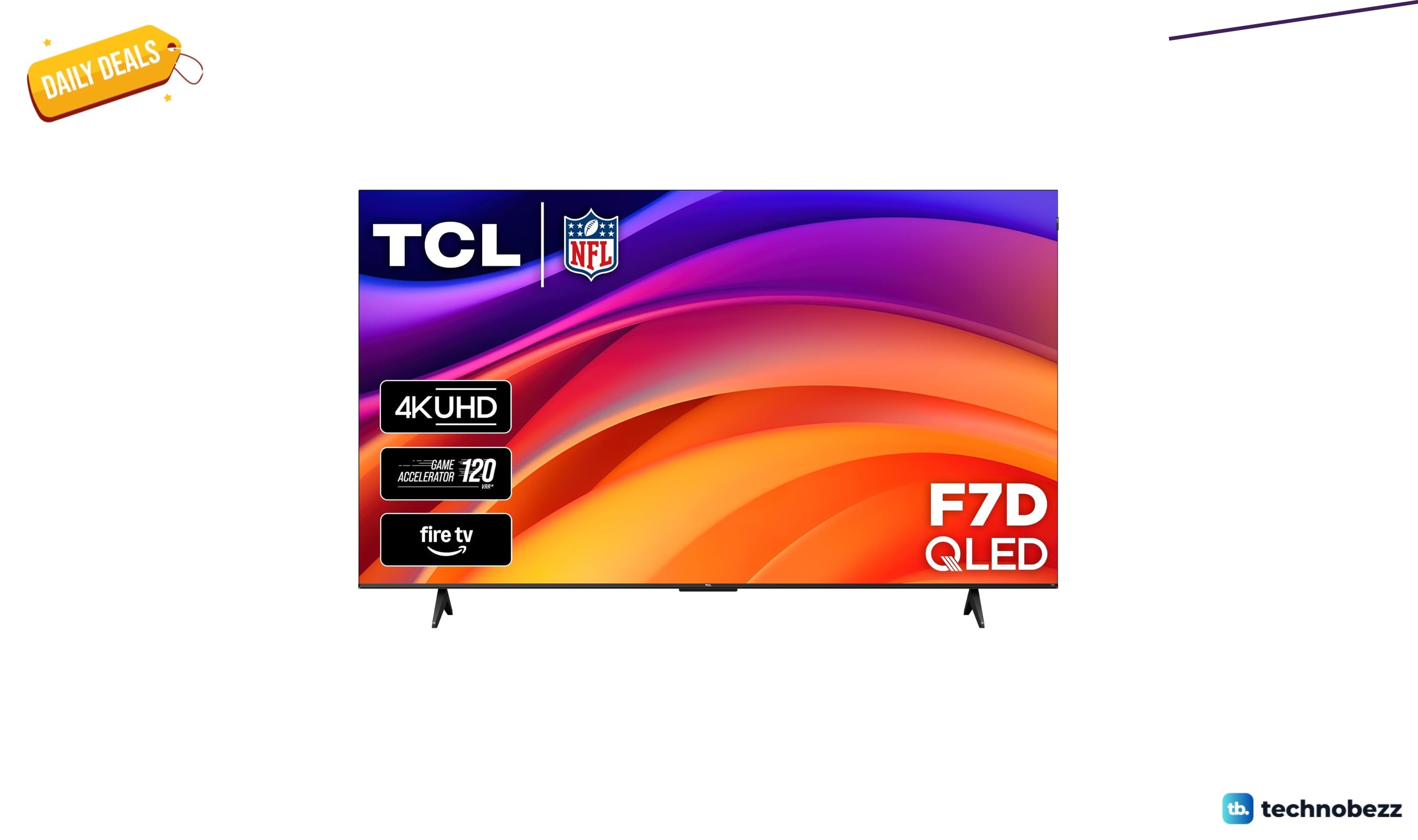
TCL 75-inch F7D QLED 4K TV leads 2 TV deals from $499.99
5 min read

ASUS ROG Strix G16 Gaming leads 2 laptop deals from $506
4 min read
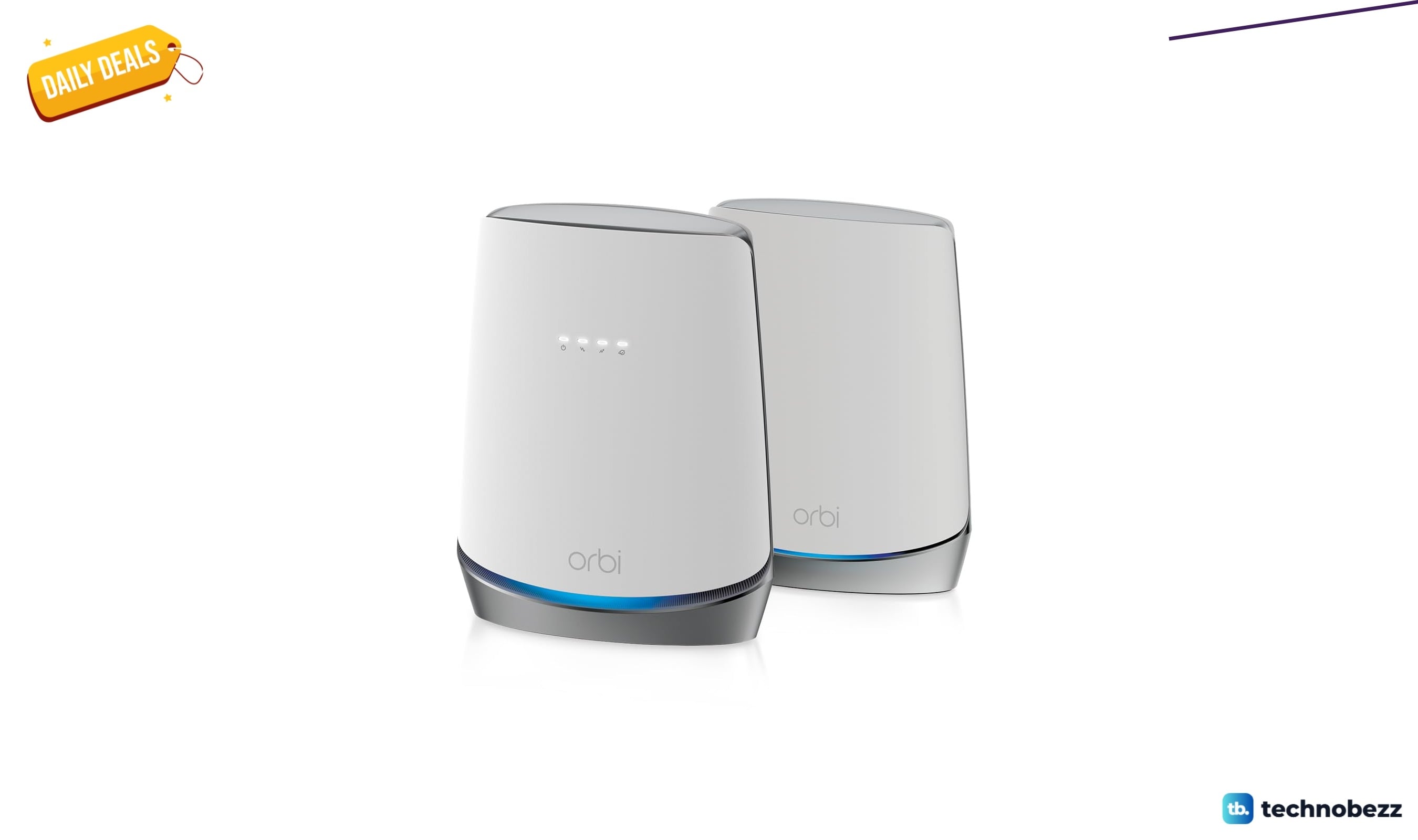
NETGEAR Orbi Cable Modem Router Combo Mesh System falls to $249.97
3 min read
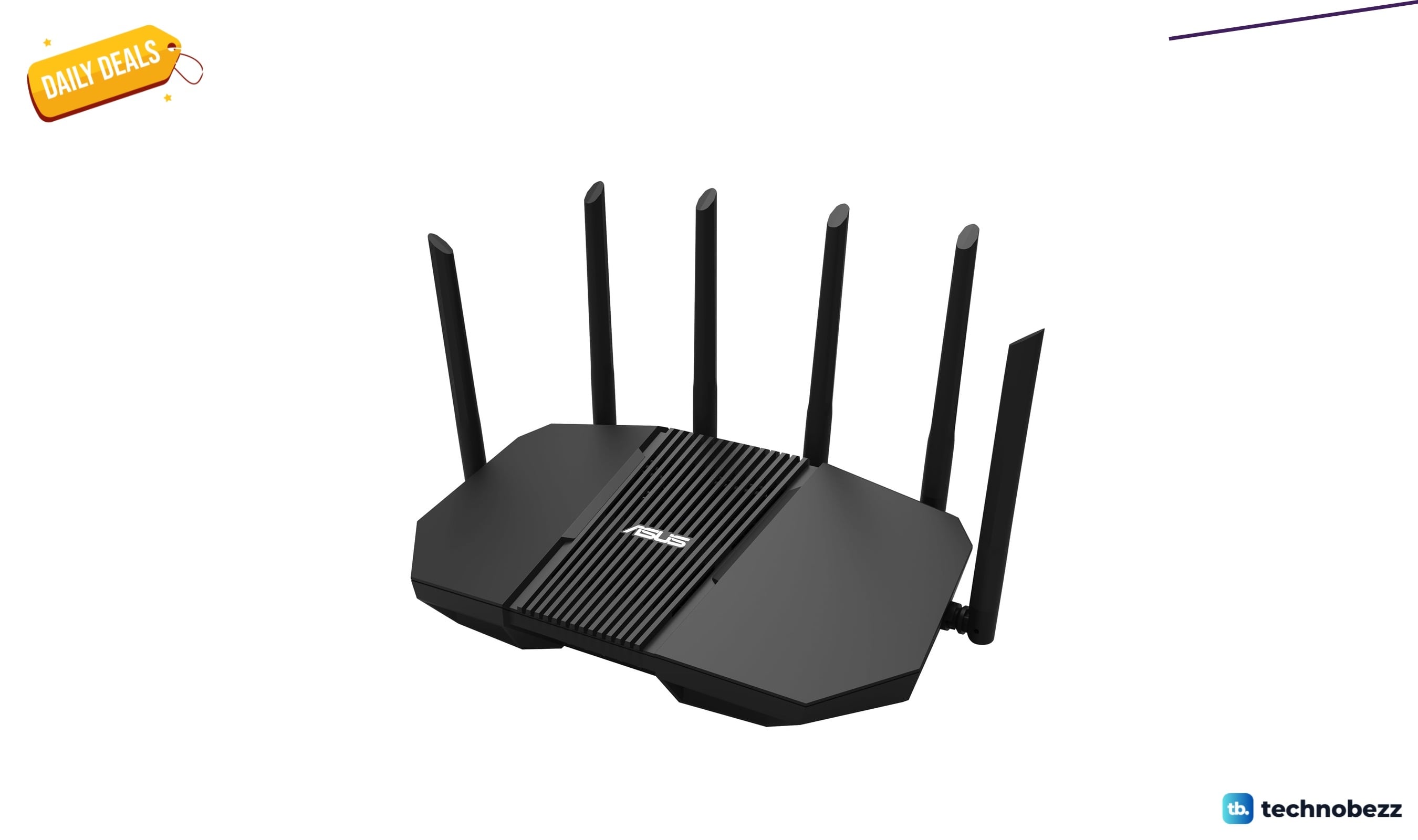
ASUS RT-BE90U WiFi 7 Router Tri-Band gets a $40.99 price cut to $199
5 min read
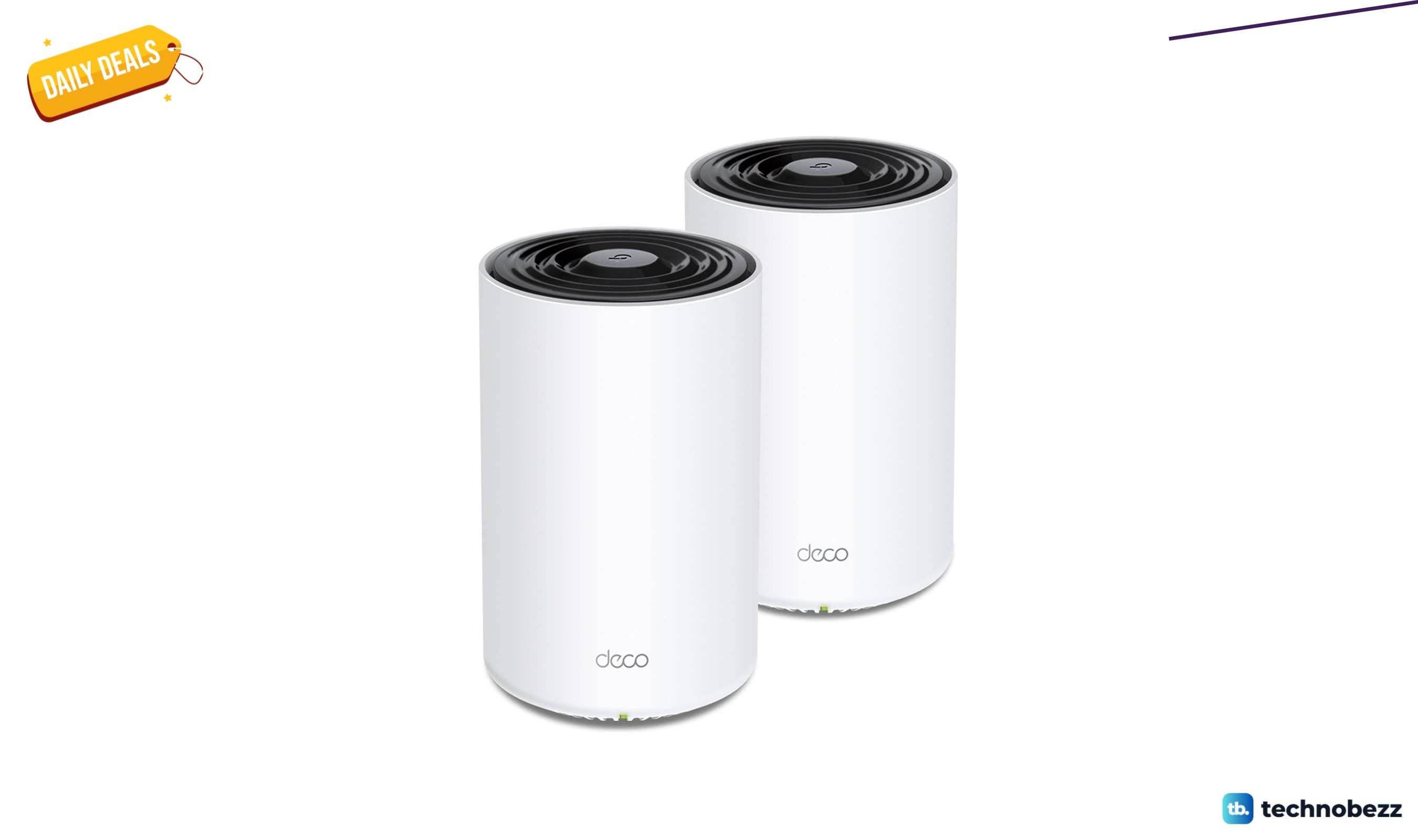
TP-Link Deco Tri Band Mesh WiFi 6 System price drops to $152.97
4 min read
Ledger Flex Crypto Wallet Securely Manage All hits new low at $199
3 min read