If your gaming laptop or console is running out of space, an external SSD gives you fast portable storage without opening your system. The Samsung T7 Shield balances speed, durability, and value for most gamers. This list helps you choose between rugged options for travel, high-speed models for quick transfers, and budget picks that still deliver solid performance.
Technobezz is supported by its audience. We may get a commission from retail offers.
8 Best External SSDs for Gaming in 2026
Our top external SSDs for gaming, led by the rugged Samsung T7 Shield, plus the best value, high-speed, and Xbox expansion picks for PC and console.
T
Technobezz
Senior Editor
Updated September 5, 2026Sep 5, 2026
•9 min read

Get Deals Like These in Your Inbox
The best prices, reviewed weekly.
At a Glance
| Category | Product | Why We Picked It |
|---|---|---|
| Best overall | Samsung T7 Shield | Reliable speed with water and dust protection |
| Best value | ADATA SE880 | Compact 1TB storage with up to 2000MB/s transfers |
| Best rugged | SanDisk Extreme Portable SSD (V3) | IP65 protection with up to 2000MB/s read speeds |
| Best high-speed | Samsung T9 | 2000MB/s transfers for large game libraries |
| Also recommended | OWC Envoy Ultra | Thunderbolt 5 storage with over 6000MB/s advertised speeds |
| Also recommended | Corsair EX400U | USB4 speed with MagSafe for iPhone |
| Also recommended | ADATA SD820 | 1TB, IP68 protection, and up to 2000MB/s transfers |
| Also recommended | SanDisk Extreme PRO Portable SSD (V3) | USB4, IP65 protection, and up to 4000MB/s reads |
How we chose and tested
We evaluated external SSDs based on real-world gaming performance, sustained transfer speeds, and durability features. Our assessment considers compatibility across PC, PlayStation, and Xbox platforms, along with practical factors like heat management during extended use. We prioritize products that deliver consistent performance rather than just peak speeds, focusing on drives that maintain their pace during large game installations and transfers.
The best external SSDs right now
Samsung T7 Shield - Best overall
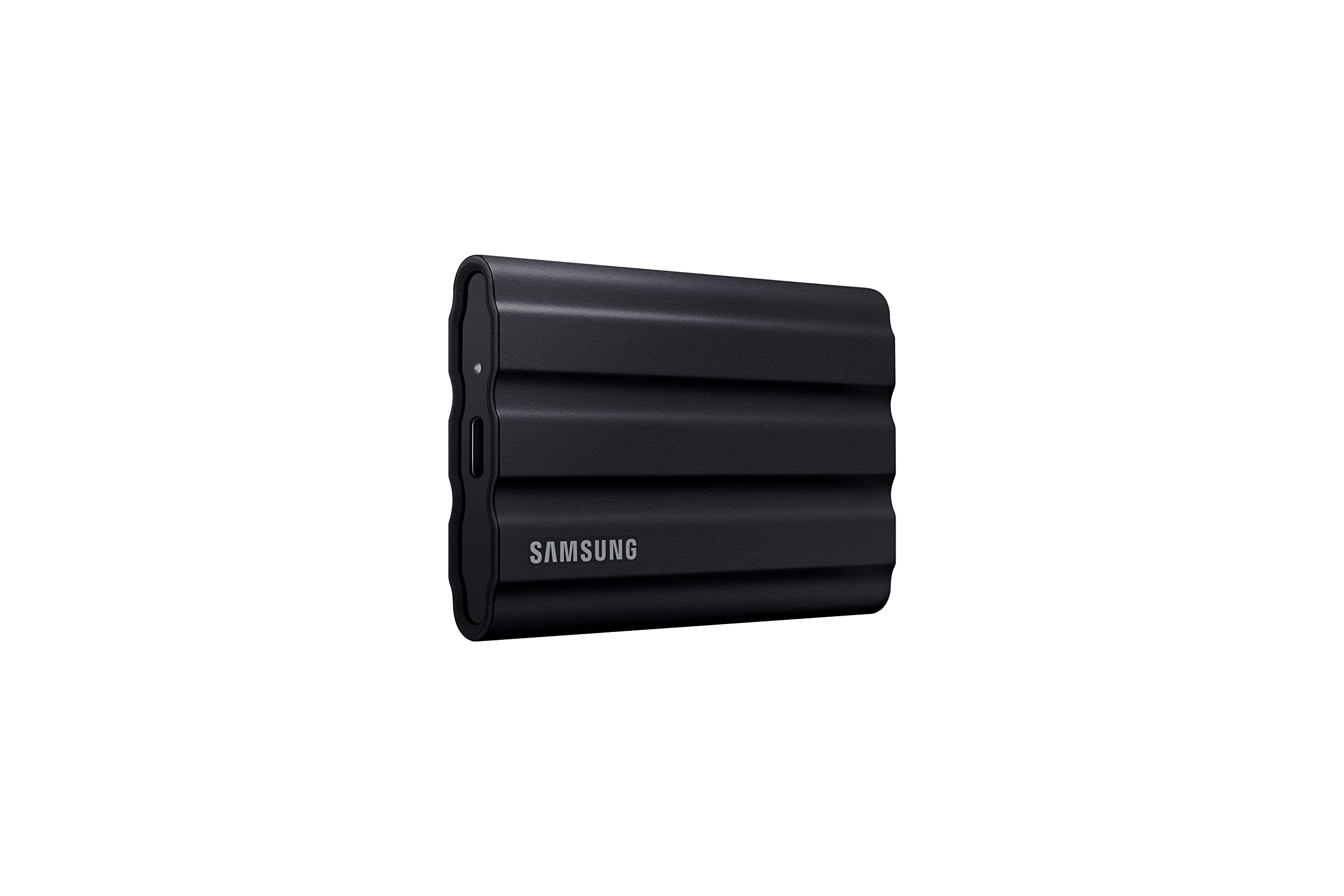
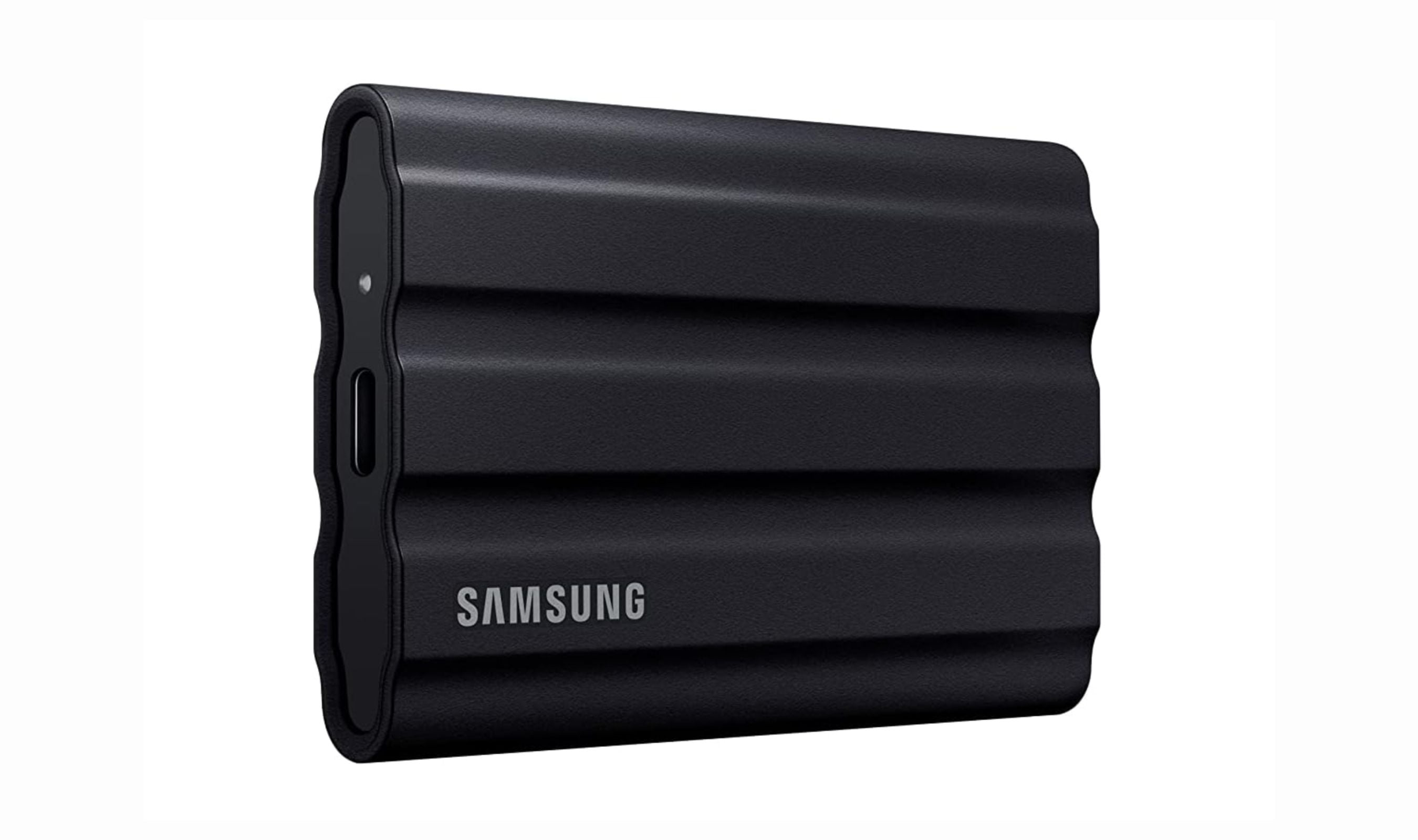
The Samsung T7 Shield delivers reliable 1050MB/s speeds with rugged IP65 protection, making it the most balanced choice for gamers who need durability without sacrificing performance. It works seamlessly across PC, PlayStation, and Xbox platforms while keeping your game library safe from drops, dust, and water.
Key highlights
- 1050MB/s read and 1000MB/s write speeds over USB 3.2 Gen 2
- IP65 water and dust resistance with 3-meter drop protection
- Rubberized exterior provides grip and shock absorption
- Compatible with PC, Mac, PlayStation, Xbox, and mobile devices
- Includes both USB-C to USB-C and USB-C to USB-A cables
Pros
- Excellent durability for travel and LAN parties
- Consistent performance during extended gaming sessions
- Broad compatibility across all major gaming platforms
- Premium build quality with good heat dissipation
Cons
- Not the fastest option for users with USB 3.2 Gen 2x2 ports
- Rubberized surface can collect dust and lint
- Slightly more expensive than basic models
Who it is for: Gamers who need one reliable drive for multiple systems and want protection against accidental damage during travel or LAN events.
Skip if
You only game at a stationary desktop setup and don't need rugged protection, or you require maximum transfer speeds above 2000MB/s.
ADATA SE880 - Best value
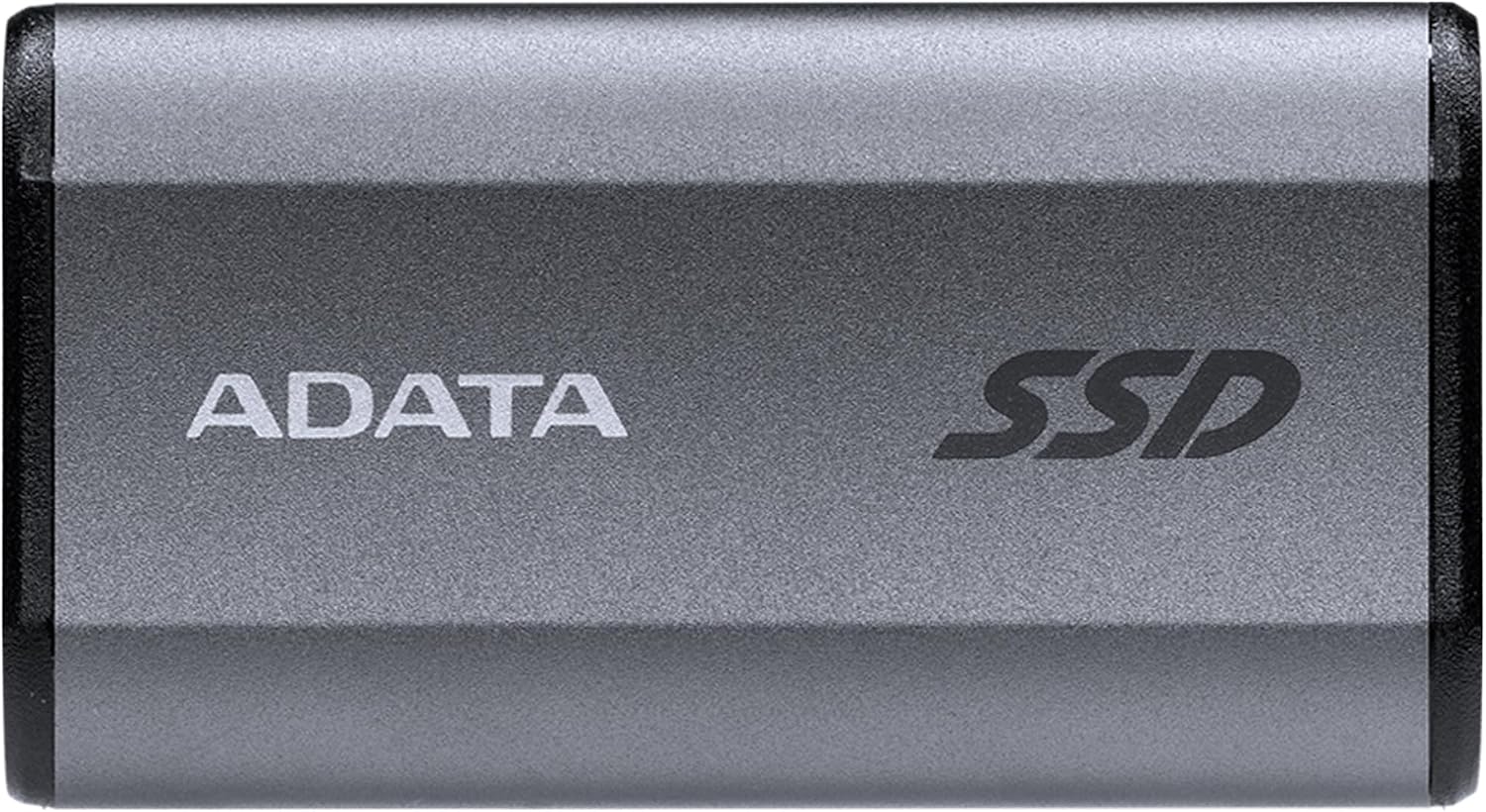
The ADATA SE880 offers up to 2000MB/s read and write speeds in a compact 1TB drive. It suits gamers who want straightforward portable storage, with a USB 3.2 Gen 2x2 port needed to reach its rated speeds.
Key highlights
- Up to 2000MB/s read and write speeds over USB 3.2 Gen 2x2
- 1TB capacity in the linked model
- Compact 64.8 x 35 x 12.25mm body weighing 31g
- Supports Windows, Mac, Linux, Android, and compatible game consoles
- 5-year limited warranty
Pros
- Small enough to carry between systems
- 20Gbps USB interface for large file transfers
- Supports both computer and console storage
Cons
- Needs a USB 3.2 Gen 2x2 host for full performance
- Console use may require formatting
- External USB storage cannot run PS5 games directly
Who it is for: Gamers who want a compact drive for moving files and expanding their game storage.
Skip if
You need a drive with a verified water-resistance rating or playable PS5 game storage.
SanDisk Extreme Portable SSD (V3) - Best rugged
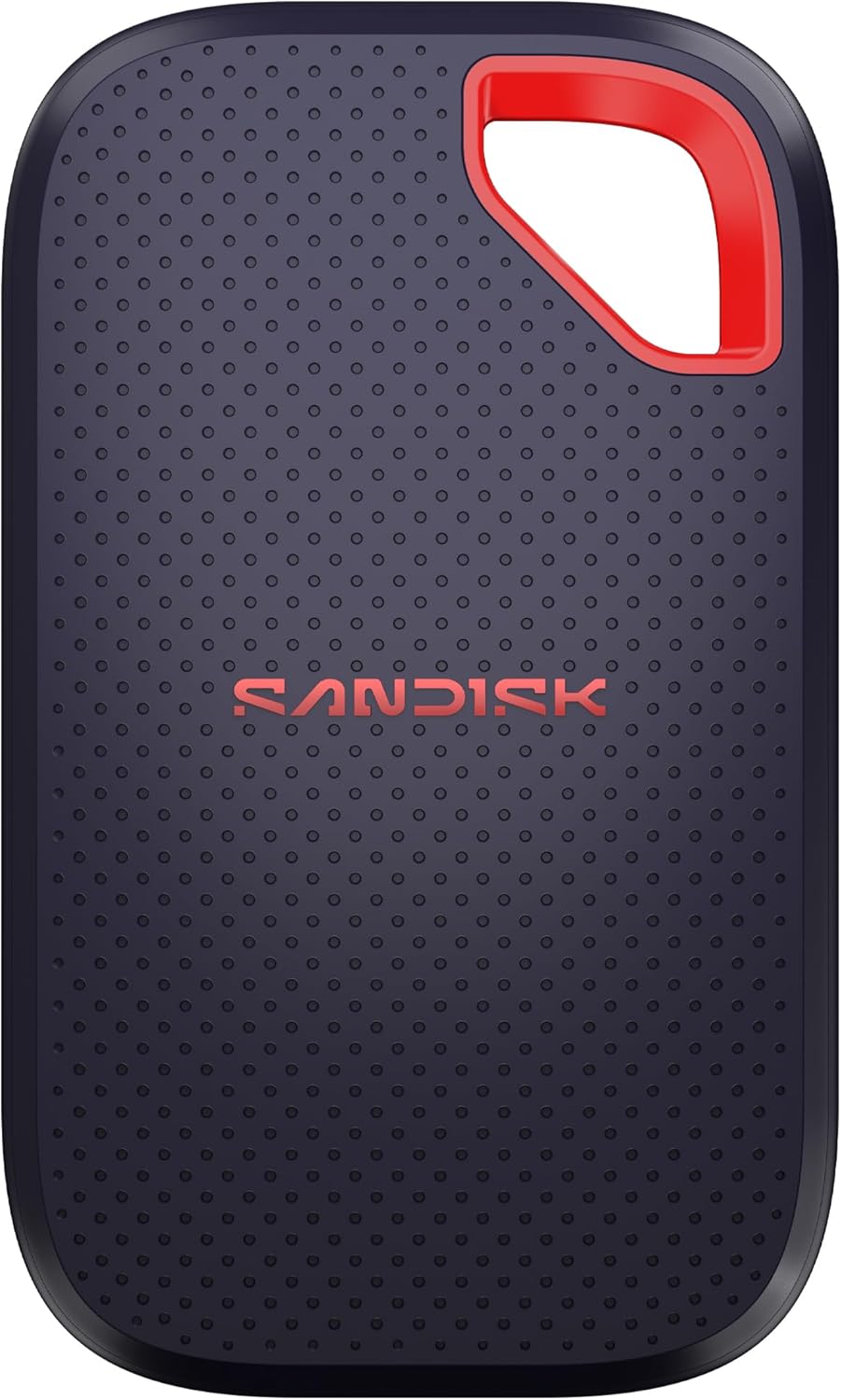
The SanDisk Extreme Portable SSD (V3) combines up to 2000MB/s read speeds with IP65 water and dust resistance and up to 3-meter drop protection. The 1TB model suits gamers carrying their library between systems, with write speeds rated up to 1700MB/s.
Key highlights
- Up to 2000MB/s read speeds and up to 1700MB/s write speeds
- IP65 water and dust resistance
- Up to 3-meter drop protection
- 1TB capacity in the linked model
- Password protection with 256-bit AES encryption
Pros
- Water, dust, and drop protection for travel
- Pocket-sized design
- 5-year limited warranty
Cons
- Write speeds are lower than the rated read speed
- Full speed depends on the host port and device
- Password protection requires the SanDisk desktop app
Who it is for: Gamers who carry portable storage to LAN parties or tournaments and want protection against spills and drops.
Skip if
You need speeds above 2000MB/s or do not need a rugged drive.
Samsung T9 - Best high-speed
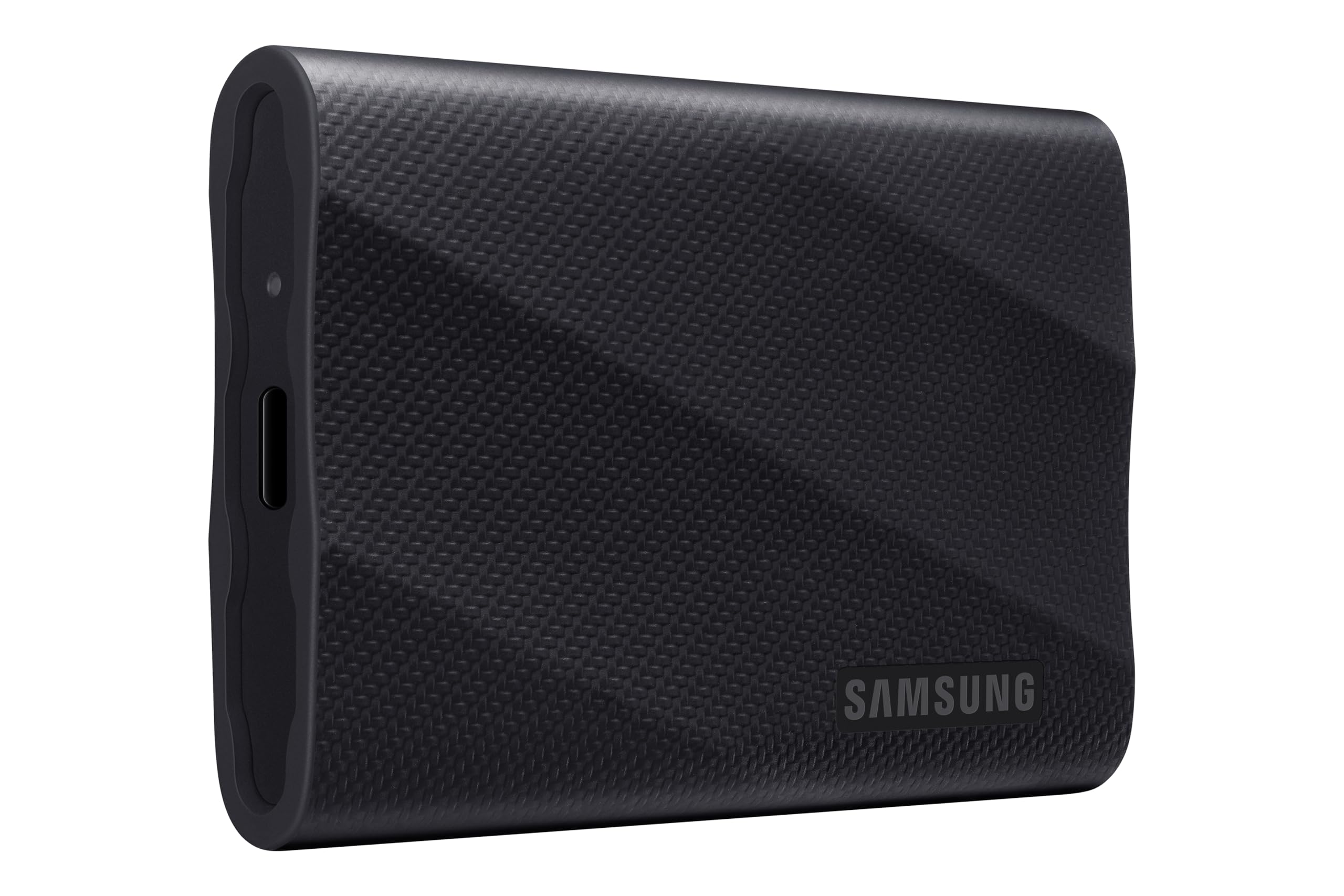
The Samsung T9 delivers 2000MB/s transfer speeds for gamers who frequently move large game libraries or work with video content alongside gaming. Dynamic Thermal Guard helps manage heat during extended transfers.
Key highlights
- 2000MB/s read and write speeds over USB 3.2 Gen 2x2
- Dynamic Thermal Guard maintains performance under load
- 3-meter drop protection with rubberized exterior
- Compatible with iPhone 15 Pro for direct 4K video recording
- Includes Samsung Magician software for drive management
Pros
- Blazing fast transfers for large game installations
- Thermal management for sustained transfers
- Premium build quality with good heat management
- Useful for content creators who also game
Cons
- Requires USB 3.2 Gen 2x2 port for full speed benefit
- Premium pricing compared to standard speed drives
- Rubberized surface collects dust when carried in pockets
Who it is for: Power users who frequently transfer large game files, content creators who need fast external storage, or anyone with compatible ports who wants maximum transfer speeds.
Skip if
Your system only has standard USB 3.2 Gen 2 ports, you're on a tight budget, or you don't regularly move large files.
Also Good
- OWC Envoy Ultra - Thunderbolt 5 storage with over 6000MB/s advertised speeds.
- Corsair EX400U - USB4 speed with MagSafe for iPhone. Check Price on Corsair
- ADATA SD820 - 1TB, IP68 protection, and up to 2000MB/s transfers.
- SanDisk Extreme PRO Portable SSD (V3) - USB4, IP65 protection, and up to 4000MB/s reads.
How to Choose
Consider these factors when selecting your external gaming SSD:
Speed requirements: USB 3.2 Gen 2 (1050MB/s) is sufficient for most gaming. USB 3.2 Gen 2x2 (2000MB/s) benefits those who frequently transfer large game libraries. Thunderbolt/USB4 drives offer maximum speed but require compatible ports.
Capacity needs: 1TB holds 8-10 AAA games, 2TB accommodates 15-20 titles comfortably. Choose 4TB if you keep everything installed or archive games between consoles.
Durability features: IP55 offers basic protection, IP65 handles water jets and dust. Drop protection from 2-3 meters matters if you travel with your drive. Metal cases dissipate heat better than plastic.
Platform compatibility: All drives work with PC. PlayStation allows PS4 games to run from external storage but requires internal storage for PS5 games. Xbox supports older titles on external drives but needs internal or expansion card storage for optimized Series X/S games.
Connection type: USB-C is standard, but ensure your system has compatible ports for the speed tier you're buying. Check if you need adapters for older USB-A systems.
FAQ
Do external SSDs work well for gaming?
Yes, modern external SSDs deliver load times nearly identical to internal drives. USB 3.2 Gen 2 speeds (1050MB/s) are sufficient for most gaming scenarios, with differences mainly noticeable during large file transfers rather than gameplay.
Can you play PS5 games from an external SSD?
You can store PS5 games on external USB storage, but generally need to copy them back to console storage to play. PS4 games can run directly from external drives. For more playable PS5 space, consider an internal M.2 SSD upgrade instead.
Is 2TB overkill for gaming?
Not with modern AAA games regularly exceeding 100GB. A 2TB drive holds 15-20 large games, which is practical if you play multiple titles simultaneously or want to avoid frequent uninstalling. Casual gamers with smaller libraries may find 1TB sufficient.
What's the lifespan of an external SSD?
External SSDs typically last 5-10 years under normal gaming use. Most 1TB drives have TBW (Total Bytes Written) ratings of 300-600 terabytes, which translates to years of normal use even for heavy gamers. Manufacturer warranties range from 3-5 years.
Should I buy a pre-built SSD or make my own with an enclosure?
Pre-built SSDs offer simplicity and guaranteed compatibility. DIY setups with NVMe drives and enclosures can provide better performance per dollar on PC but involve more compatibility variables and heat management considerations. For consoles and most users, pre-built drives are the simpler choice.
Published April 25, 2026 Last updated September 5, 2026
Share this article
More in News
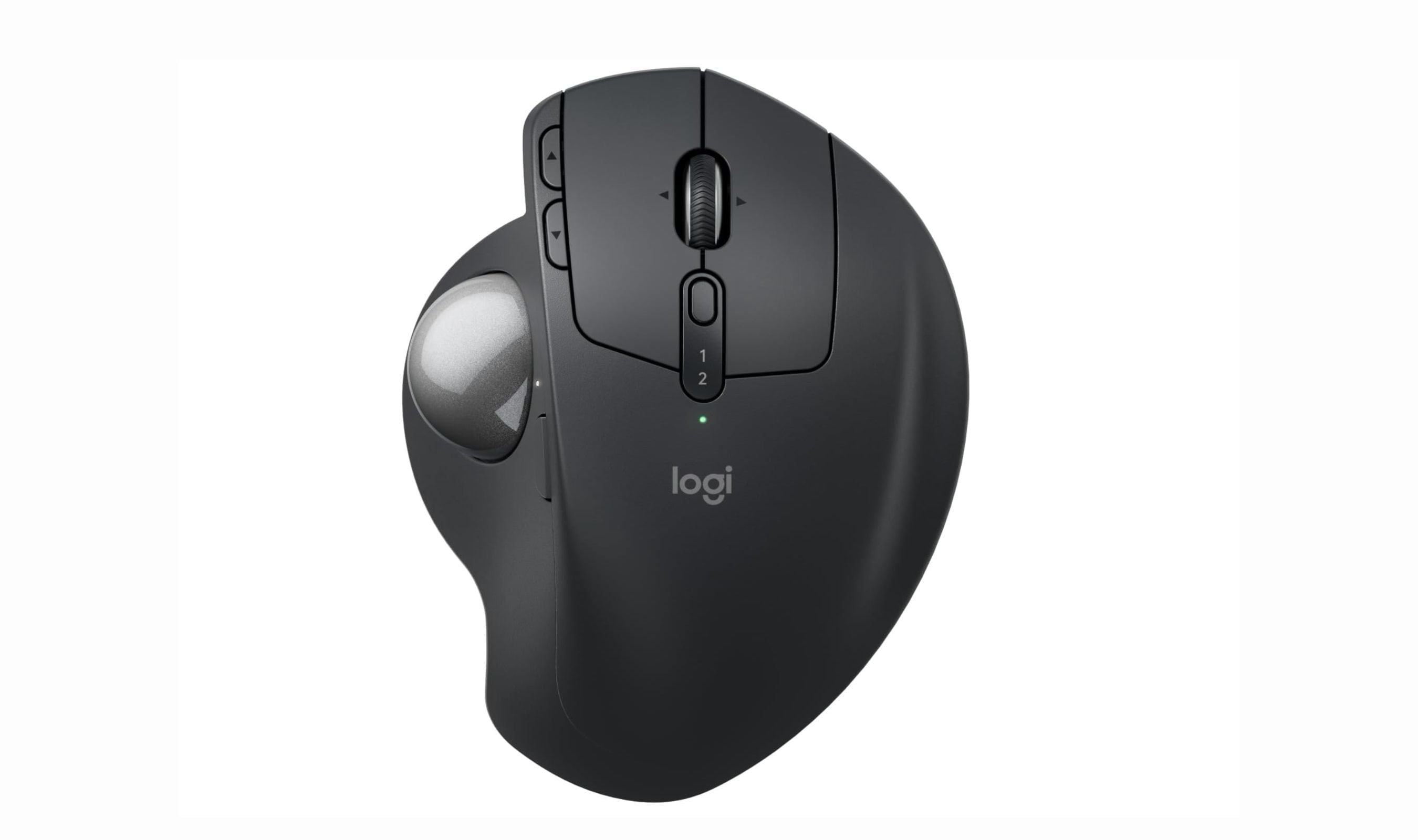
8 Best Trackball Mice in 2026
The best trackball mice for 2026, tested for comfort and precision. The Logitech MX Ergo S leads our picks, with options from $38 to $110 for every budget.
3 min read

41 Best Mother's Day Tech Gifts for 2026
Our top 41 Mother's Day tech gifts for 2026, from the Apple Watch Series 11 to the Ninja CREAMi and Dyson Airwrap, with picks for every budget and mom.
5 min read
Samsung coupon codes and deals
Browse 4 current Samsung offers, including 0 coupon codes and 4 online deals.
5 min read

Best tech coupon codes and online deals
Browse 8 current tech offers across 4 merchants, including 4 coupon codes and 4 online deals.
4 min read
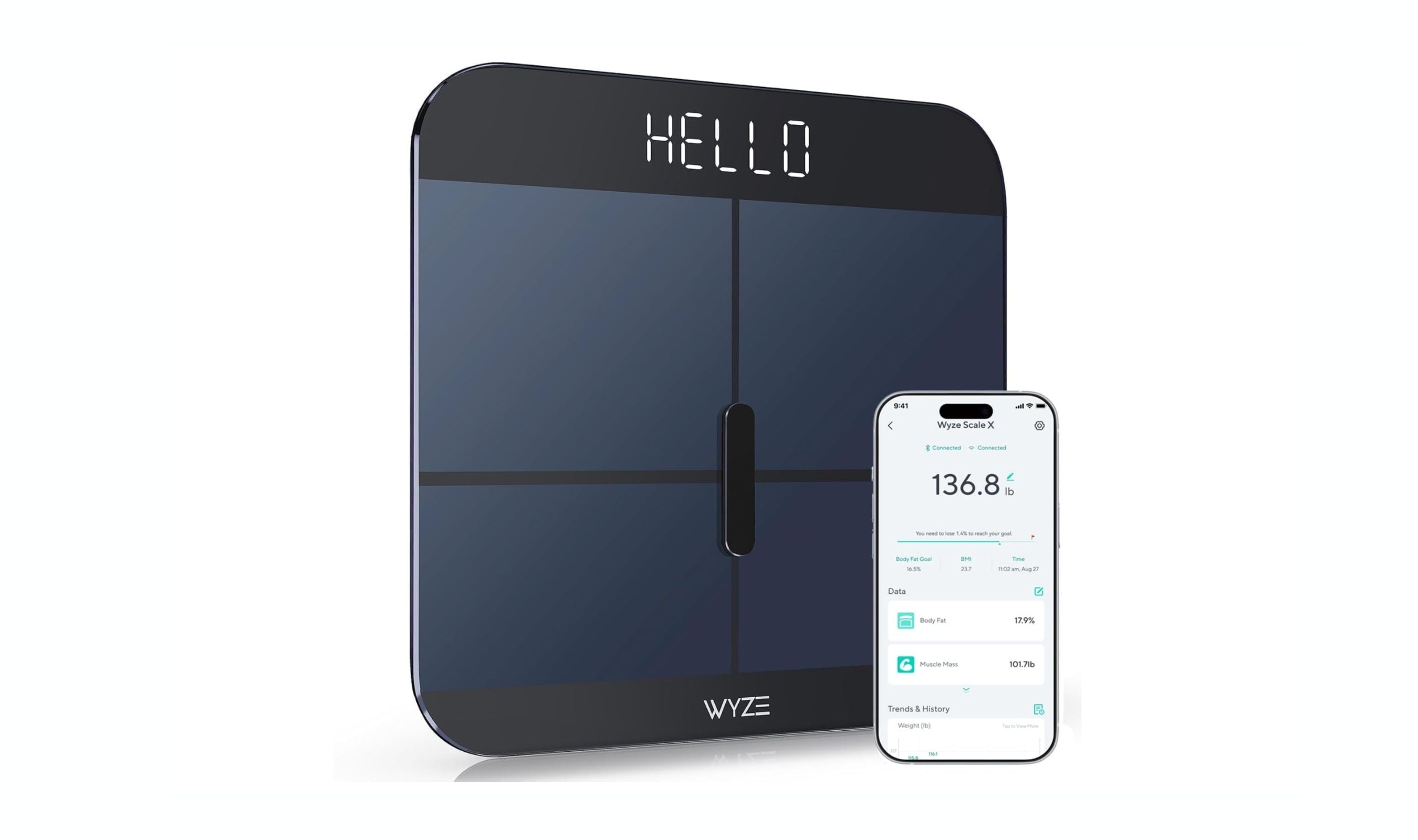
7 Best Smart Scales for 2026
4 min read
8 Best Soda Makers for 2026
4 min read
8 Best Monitors for MacBook in 2026
4 min read
7 Best Smartphones Under $700 in 2026
3 min read
7 Best Tablets for Toddlers to Buy in 2026
3 min read
Best Wireless Mechanical Keyboards for 2026
4 min read
8 Best Surge Protectors for 2026
5 min read
The 7 Best Label Makers for Home and Office in 2026
5 min read