If you want better coffee, start with a better grinder. The Baratza Encore ESP handles espresso and filter brewing well for most people, while the Fellow Ode Gen 2 delivers exceptional clarity for pour-over enthusiasts. This list helps you match the right grinder to your brewing habits, whether you're dialing in espresso shots or brewing morning drip.
Technobezz is supported by its audience. We may get a commission from retail offers.
Best Burr Coffee Grinders for 2026
Baratza Encore ESP leads our picks for the best burr coffee grinders. Match a grinder to your brew method, from espresso to pour-over.
T
Technobezz
Editorial Team
Updated April 25, 2026Apr 25, 2026
•6 min read

Get Deals Like These in Your Inbox
The best prices, checked by our editors.
At a Glance
| Category | Product | Why We Picked It |
|---|---|---|
| Best overall | Baratza Encore ESP | Versatile for espresso and filter coffee |
| Best value | Breville Smart Grinder Pro | Reliable all-rounder at a reasonable price |
| Best for espresso | Eureka Mignon Specialita | Quiet and precise for serious home baristas |
| Best for pour-over | Fellow Ode Gen 2 | Flat burrs deliver exceptional flavor clarity |
| Best manual grinder | 1Zpresso K-Ultra | Professional results without electricity |
| Also recommended | OXO Brew Conical Burr Grinder | Compact and consistent for drip on a budget |
| Also recommended | Timemore Chestnut C2 MAX | A manual grinder that punches above its price |
| Also recommended | Niche Zero | The go-to for espresso lovers who switch beans often |
How we chose
We evaluated burr grinders based on grind consistency, adjustment range, and real-world usability. Our assessment considers how well each grinder performs across different brewing methods, from espresso to French press. We prioritize products that offer reliable performance, good value, and features that match actual home brewing needs.
The best burr coffee grinders right now
Baratza Encore ESP - Best overall
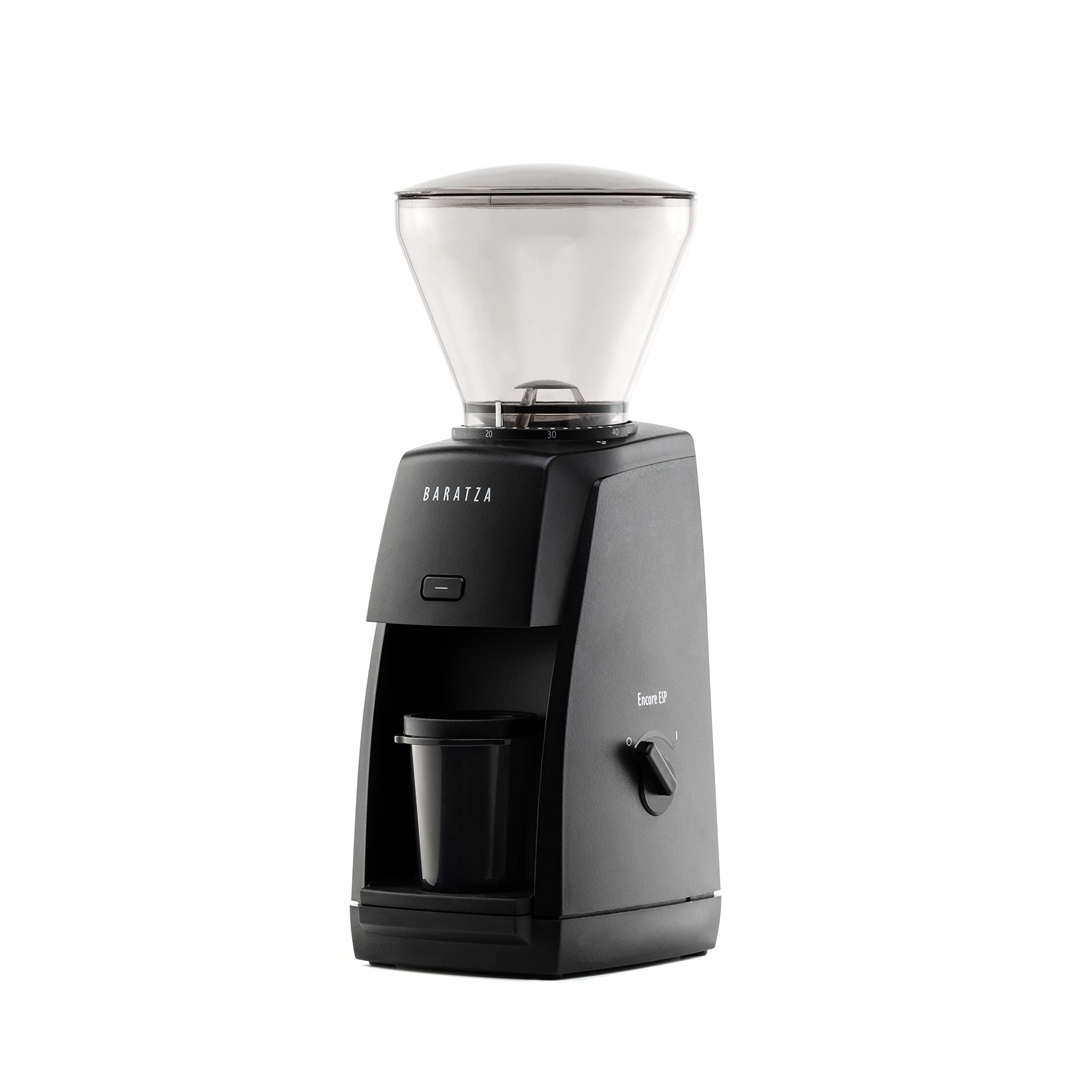
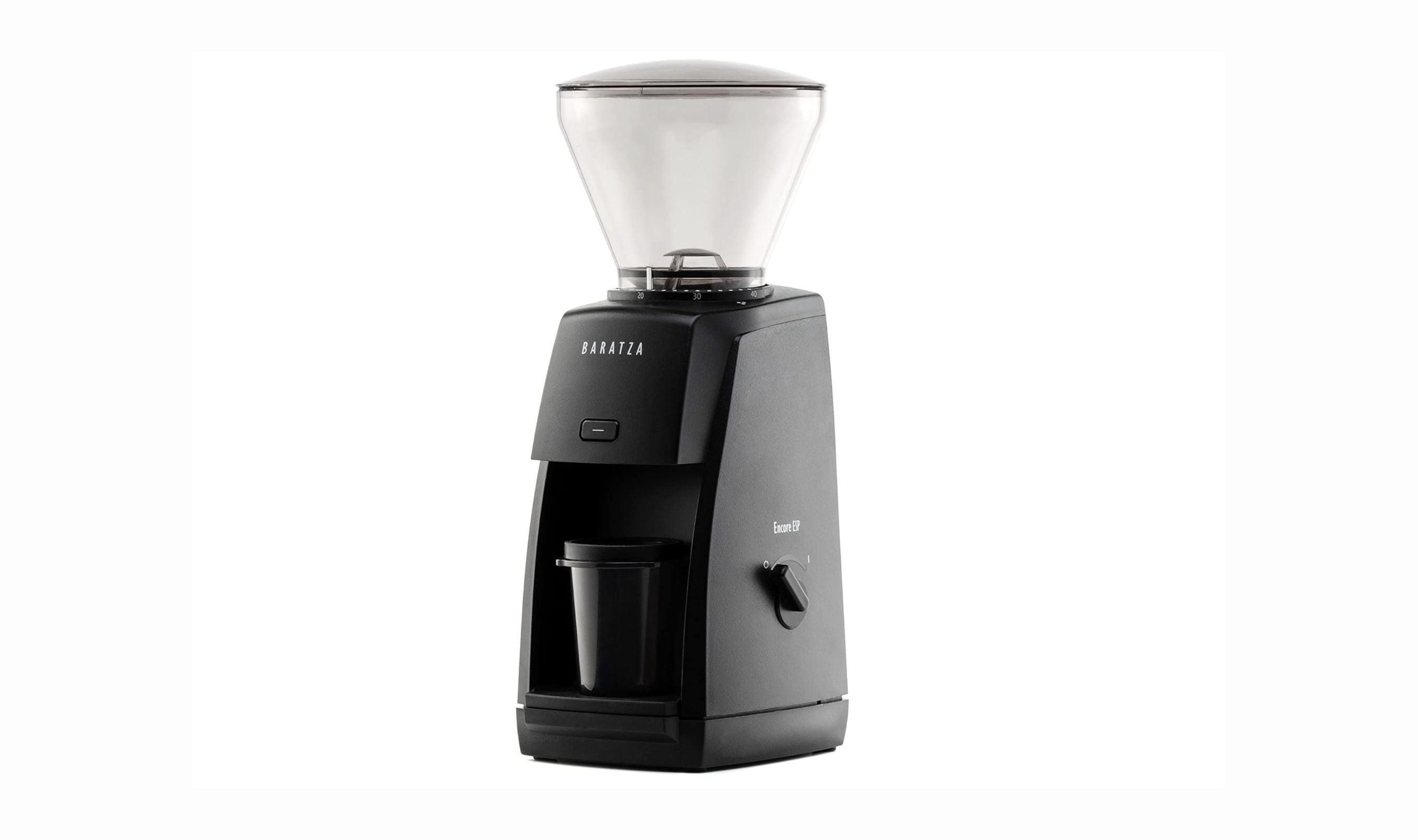
The Baratza Encore ESP delivers impressive versatility, handling both espresso and filter brewing with consistent results. It's the grinder most people should buy first.
Key highlights
- 40 grind settings with 20 dedicated to espresso fine-tuning
- Consistent particle distribution for balanced extraction
- Dosing cup included for 54mm and 58mm portafilters
- Repairable design with accessible replacement parts
- Relatively quiet operation for daily use
Pros
- Excellent value for espresso and filter capabilities
- Easy to use with clear adjustment clicks
- Low retention means less coffee waste
- Backed by Baratza's reliable customer support
Cons
- Primarily plastic construction feels less premium
- Not as fast as higher-end grinders
- Can struggle with very light roast beans for espresso
Who it is for: Home brewers who want one grinder for both espresso and filter methods, or those exploring espresso without a huge investment.
Skip if
You only brew filter coffee and want maximum clarity, or need commercial-grade durability.
Fellow Ode Gen 2 - Best for pour-over
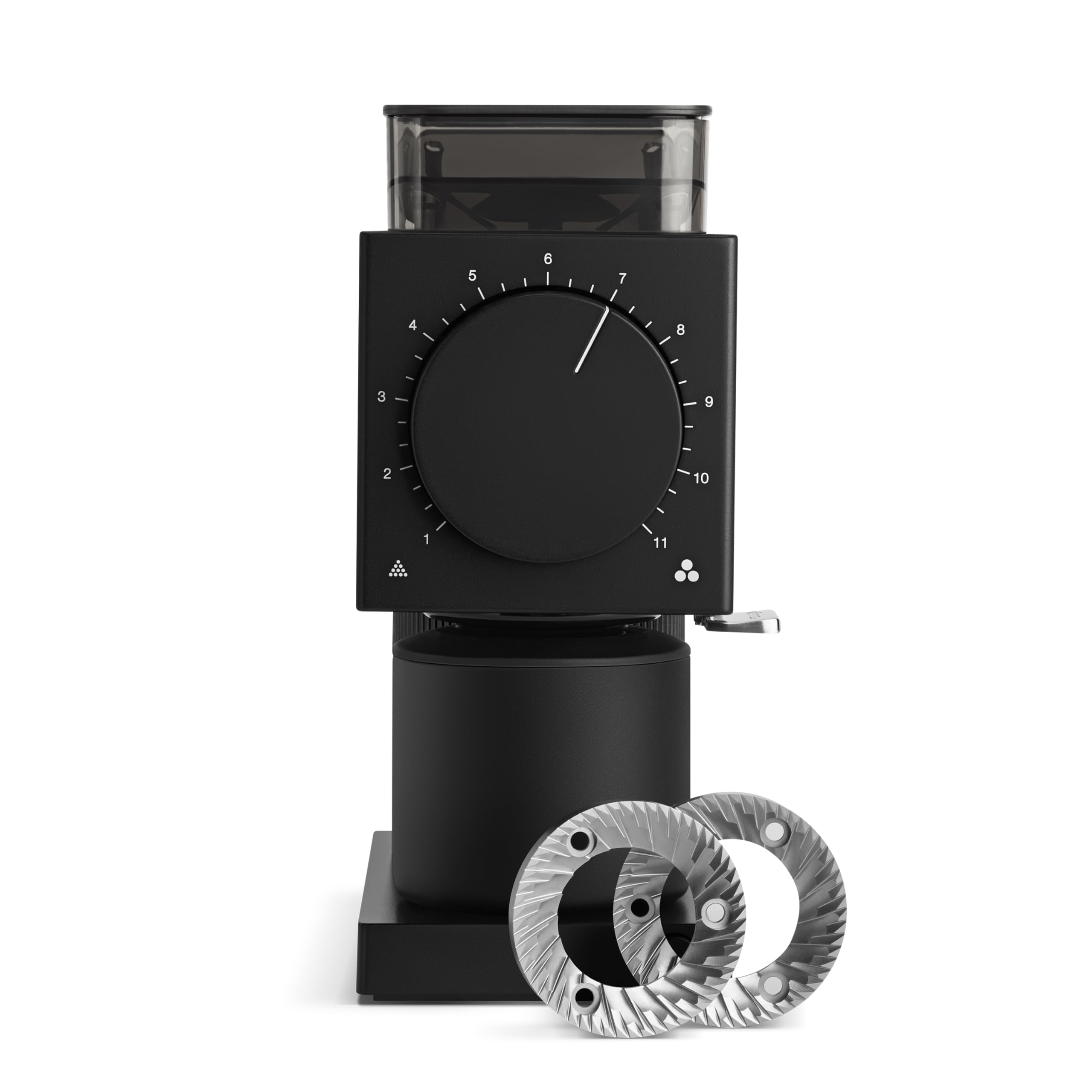
The Fellow Ode Gen 2 produces exceptionally clean, flavorful pour-over coffee with its flat burrs and thoughtful design. It's built for filter brewing enthusiasts.
Key highlights
- 64mm flat burrs for uniform particle distribution
- Built-in anti-static ionizer reduces mess significantly
- Near-zero retention design preserves bean freshness
- Compact, attractive design fits modern kitchens
- Quiet operation suitable for morning use
Pros
- Outstanding clarity and sweetness in filter coffee
- Minimal mess compared to many grinders
- Easy to clean and maintain
- Beautiful design that looks good on countertops
Cons
- Not suitable for espresso grinding
- Can jam with larger doses if overloaded
- Premium price for a filter-only grinder
Who it is for: Pour-over, Chemex, and drip coffee enthusiasts who prioritize flavor clarity over versatility.
Skip if
You need espresso capability or brew multiple large batches daily.
Eureka Mignon Specialita - Best for espresso
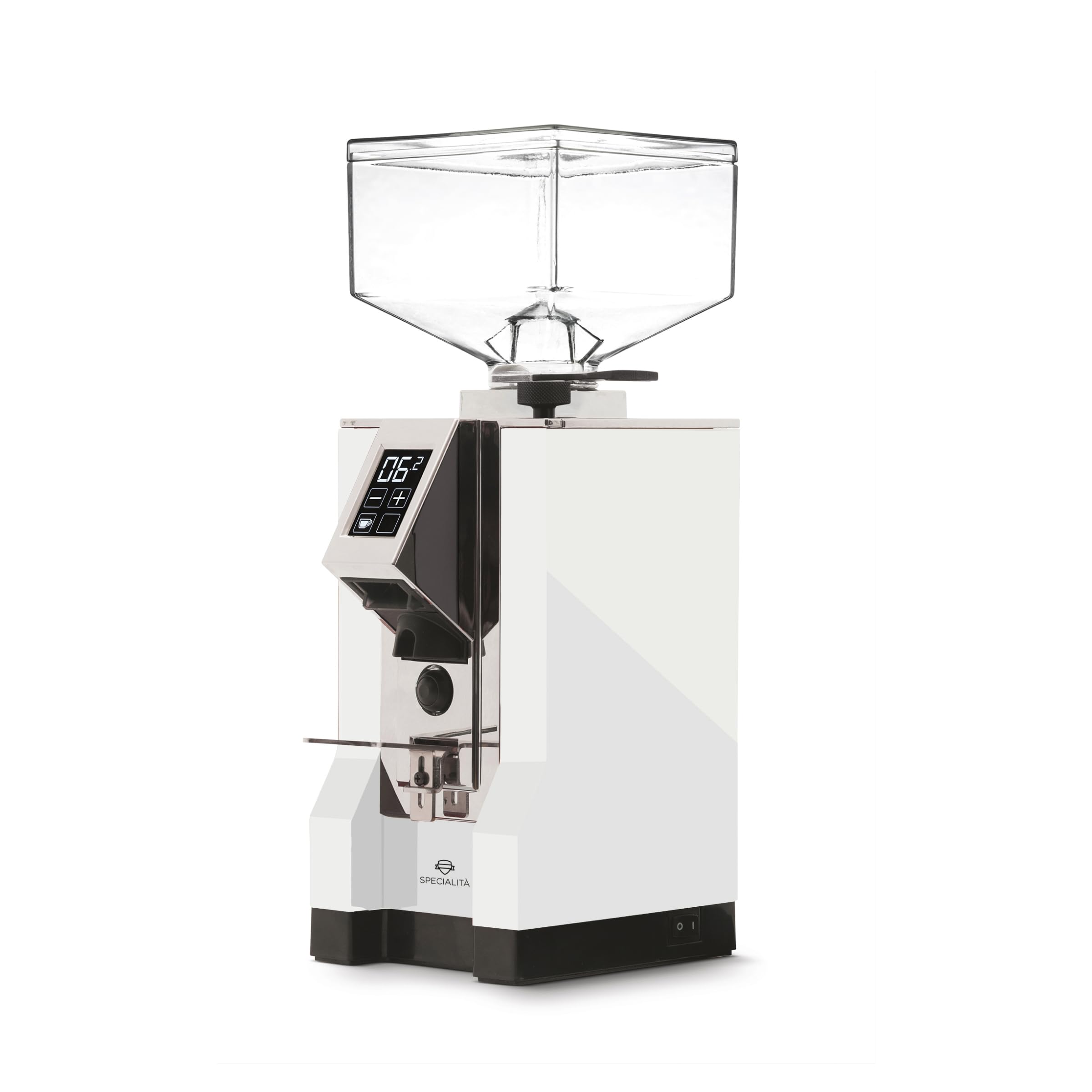
The Eureka Mignon Specialita delivers café-quality espresso grinding with Italian precision and quiet operation. It's the serious home barista's choice.
Key highlights
- 55mm flat hardened steel burrs for consistent grinding
- Stepless micrometric adjustment for precise dialing
- Touchscreen with programmable single/double doses
- Silent Technology motor keeps noise minimal
- Solid metal construction built to last
Pros
- Exceptional espresso grind quality and consistency
- Very quiet operation for early mornings
- Precise dosing with 0.1-second accuracy
- Durable construction that handles daily use
Cons
- Adjustment scale lacks reference marks for multiple rotations
- Primarily focused on espresso, less ideal for coarse grinding
- Higher price point than entry-level options
Who it is for: Home espresso enthusiasts with dedicated machines who want professional results.
Skip if
You primarily brew filter coffee or need to switch frequently between brew methods.
Breville Smart Grinder Pro - Best value
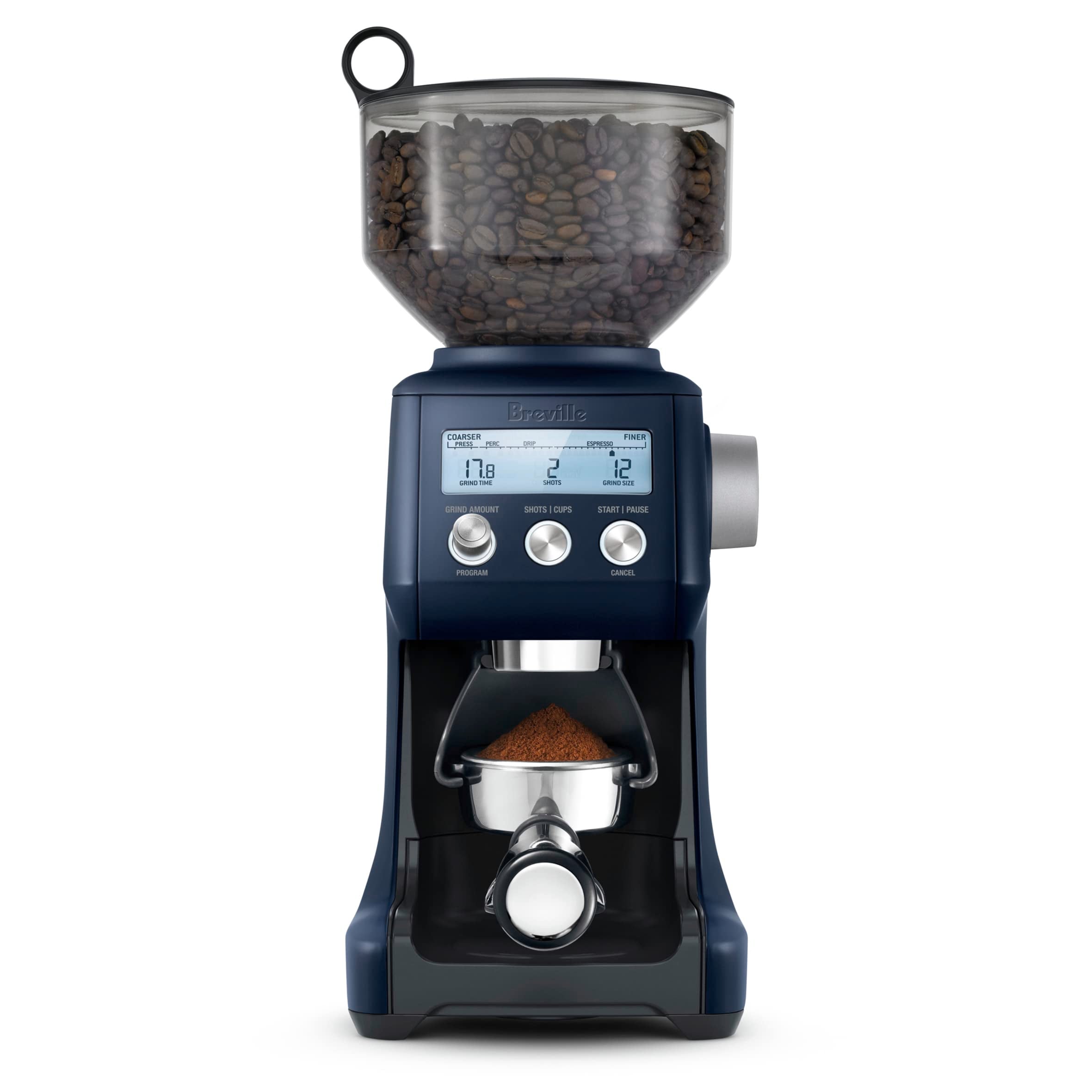
The Breville Smart Grinder Pro offers reliable performance across multiple brew methods at a reasonable price. It's the sensible choice for versatility.
Key highlights
- 60 grind settings from espresso to French press
- Digital timer for consistent dosing
- LCD display with brewing method guidance
- Portafilter holder for espresso workflow
- 450g bean hopper capacity
Pros
- Wide grind range covers most brewing needs
- User-friendly interface with clear settings
- Good consistency for the price
- Durable construction that lasts years
Cons
- Stepped adjustment lacks fine espresso tuning
- Slightly clumpy grounds may need distribution
- Not as quiet as premium options
Who it is for: Brewers who switch between methods regularly and want reliable performance without complexity.
Skip if
You're serious about espresso dialing or want maximum flavor clarity for light roasts.
1Zpresso K-Ultra - Best manual grinder
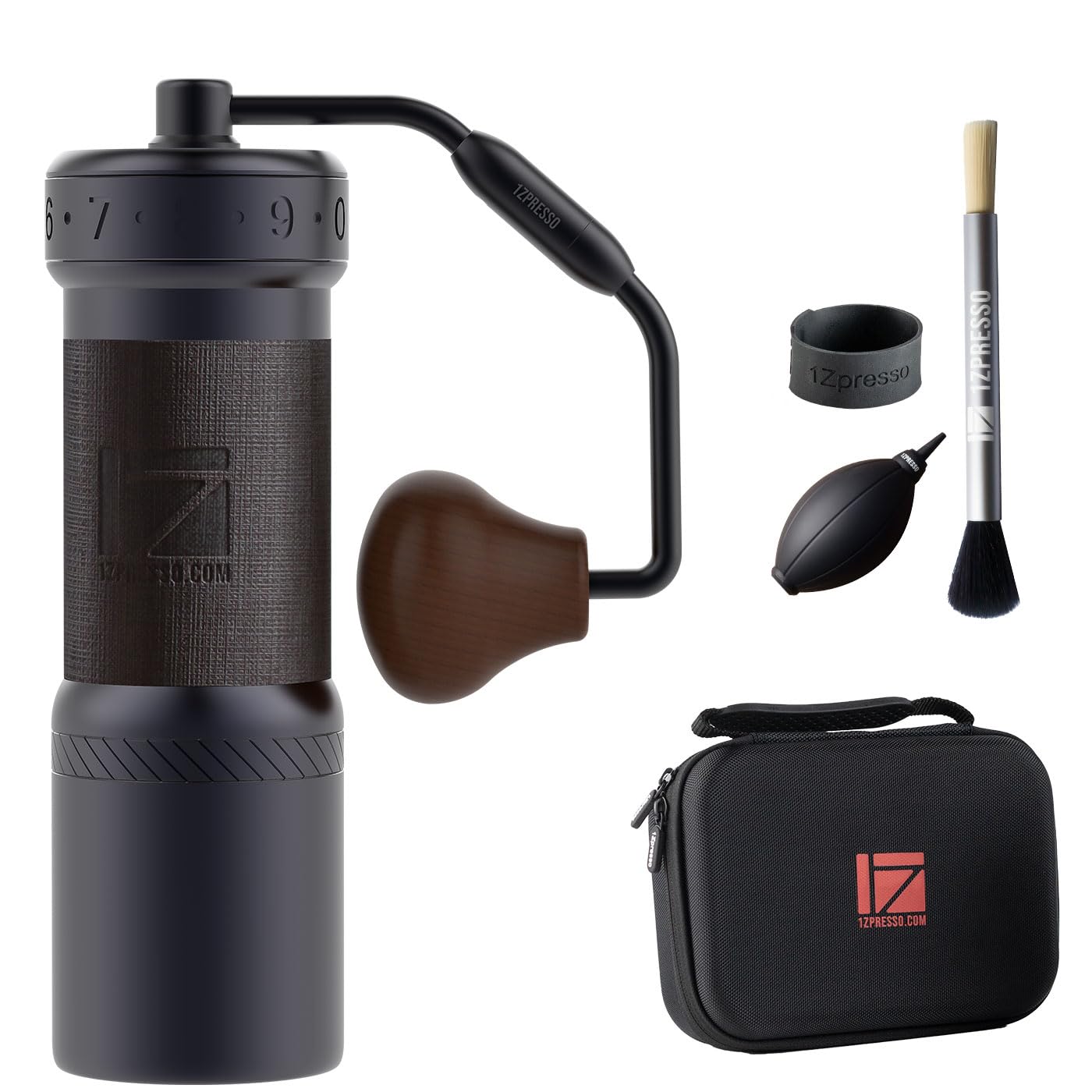
The 1Zpresso K-Ultra delivers professional-grade grinding results without electricity, offering precision and portability in one package.
Key highlights
- External adjustment dial for easy setting changes
- Magnetic catch cup for convenient workflow
- 48mm steel burrs for fast, consistent grinding
- Portable design with foldable handle
- Capable of both espresso and filter grinding
Pros
- Excellent grind quality rivaling electric grinders
- Versatile across all brewing methods
- Quiet operation with no motor noise
- Portable for travel or small kitchens
Cons
- Requires physical effort for grinding
- Smaller capacity than electric hoppers
- Premium price for a manual grinder
Who it is for: Travelers, small kitchen owners, or those who enjoy the ritual of hand grinding.
Skip if
You brew multiple cups daily or prefer push-button convenience.
Also Good
- OXO Brew Conical Burr Grinder - compact and consistent for drip on a budget.
- Timemore Chestnut C2 MAX - a manual grinder that punches above its price.
- Niche Zero - the go-to for espresso lovers who switch beans often.
How to Choose
Consider these factors when selecting your burr grinder:
Brewing method: Espresso requires fine, precise adjustments that most filter grinders can't provide. If espresso is your goal, buy a grinder designed for it from the start.
Burr type: Conical burrs handle a wide range well and are common in home grinders. Flat burrs offer more uniformity, often preferred for espresso and clarity-focused filter brewing.
Adjustment system: Stepped grinders have preset clicks for repeatability. Stepless grinders offer infinite adjustment for precise dialing, important for espresso.
Retention: Low retention grinders waste less coffee and prevent stale grounds from mixing with fresh batches. This matters most for espresso and single-dosing.
Workflow: Consider how you brew daily. Hopper-fed grinders suit those who grind the same beans repeatedly. Single-dose grinders work better for bean switchers or freshness-focused brewers.
FAQ
What's the difference between burr and blade grinders?
Burr grinders crush beans between two surfaces for consistent particle size, leading to balanced extraction. Blade grinders chop beans randomly, creating uneven grounds that extract poorly.
Can one grinder handle both espresso and filter brewing?
Some grinders like the Baratza Encore ESP can handle both reasonably well. However, dedicated espresso grinders typically perform better for espresso, while filter-focused grinders excel at pour-over and drip.
How often should I clean my grinder?
Brush out loose grounds weekly and do a thorough cleaning monthly. Coffee oils build up over time, affecting flavor and grind consistency. Use grinder cleaning tablets quarterly for deep cleaning.
Are manual grinders worth the effort?
Yes, for many brewers. Manual grinders often offer better burr quality at the same price point since you're not paying for a motor. They're also portable, quiet, and can produce excellent results.
What grind size should I use for different brewing methods?
Start with these ranges: espresso (extra fine, like powdered sugar), pour-over (medium-fine, like fine sand), drip coffee (medium, like regular sand), French press (coarse, like sea salt). Adjust based on taste.
How long do burr grinders typically last?
Quality burr grinders can last 5-10 years with proper maintenance. Brands with good parts availability and repairable designs, like Baratza, often last longer through component replacement.
Share this article
More in News
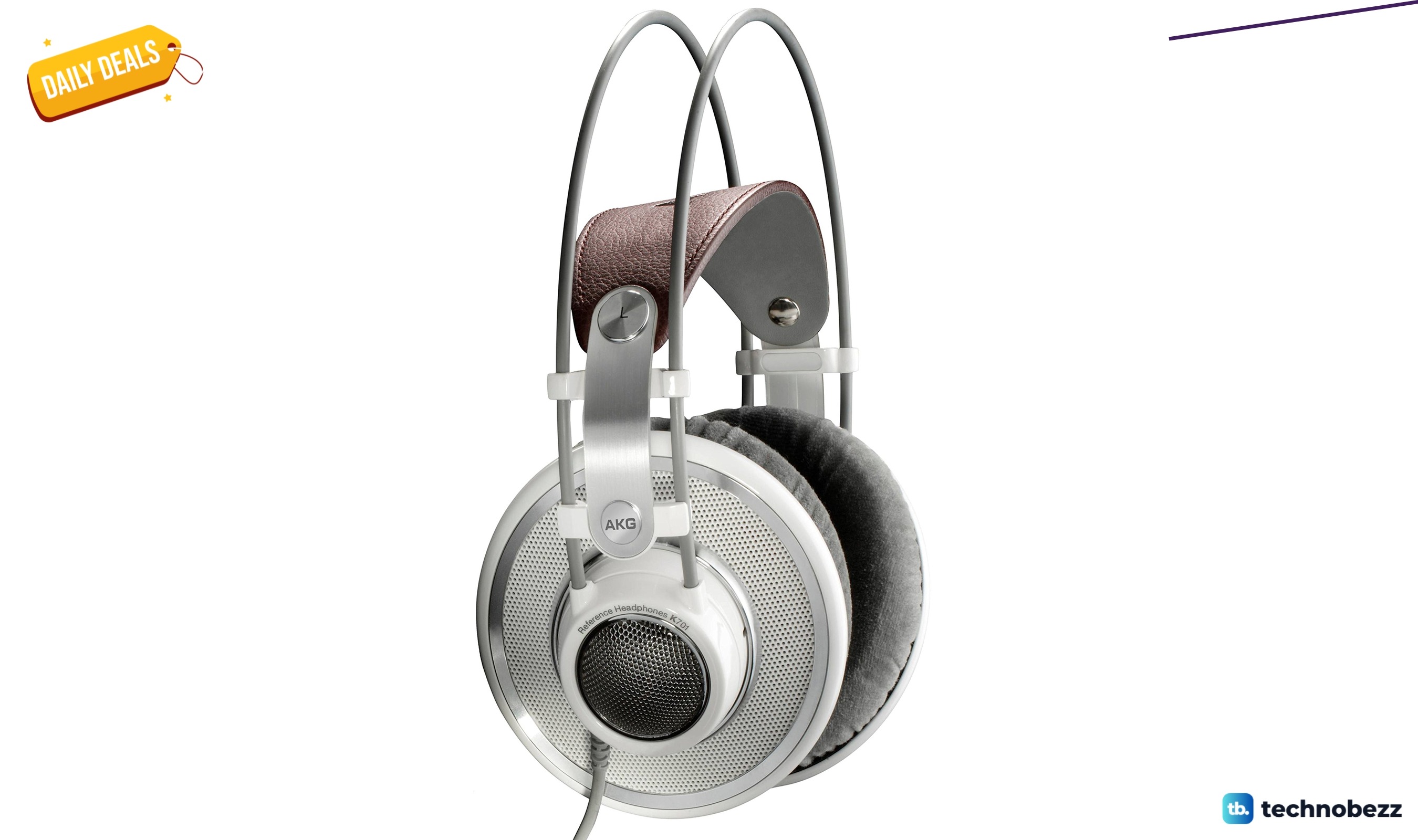
AKG K 701 Ultra Reference Class Stereo discounted to $247.37
AKG K 701 headphones drop to $247.37 on Amazon, a 47% discount that sits below recent 30, 90, and 180-day average prices.
5 min read
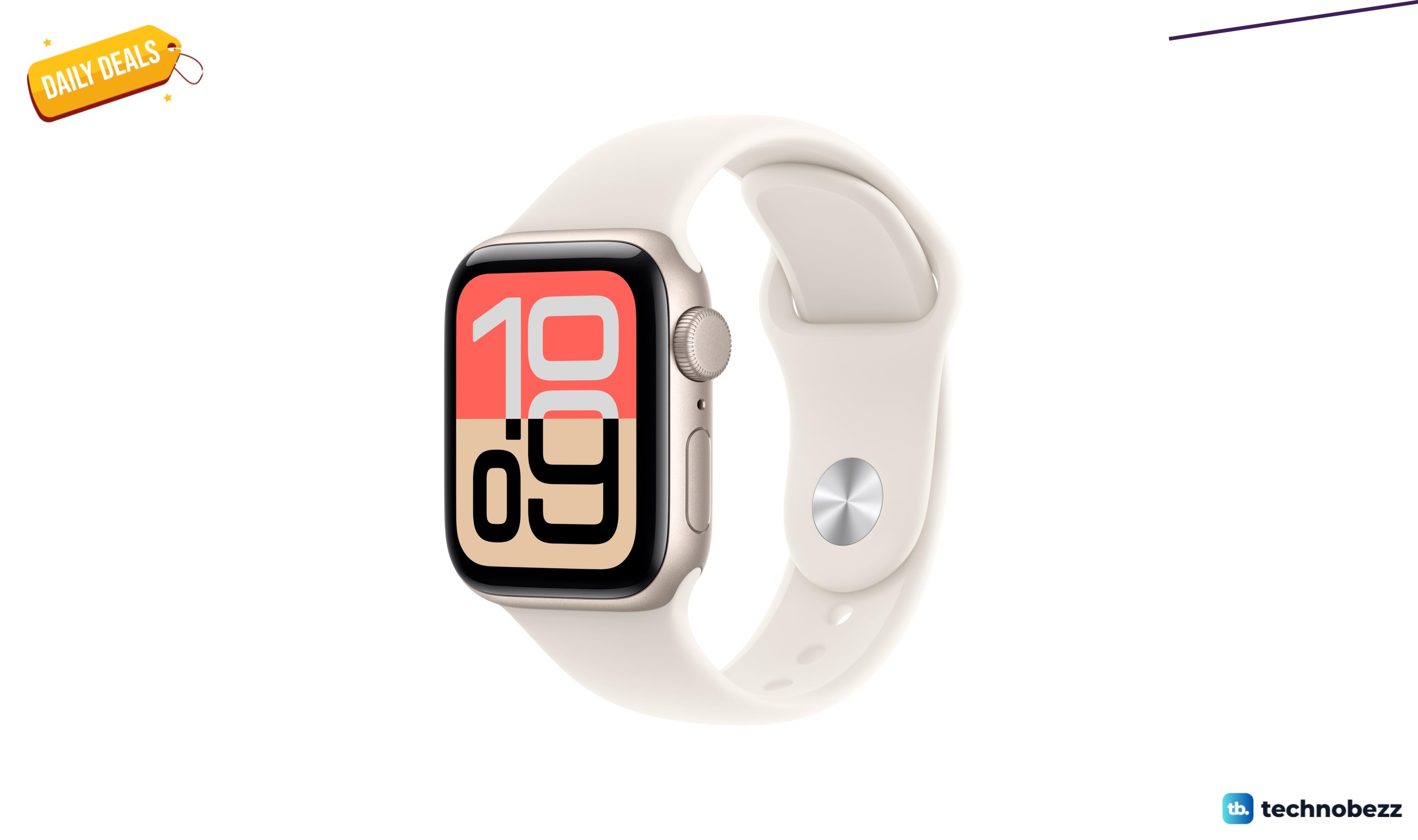
Apple Watch SE 3 GPS 40mm Smartwatch discounted to $189.97
Save $59.03 on the Apple Watch SE 3 GPS 40mm at Amazon, matching its lowest recorded price with health and sleep tracking.
5 min read
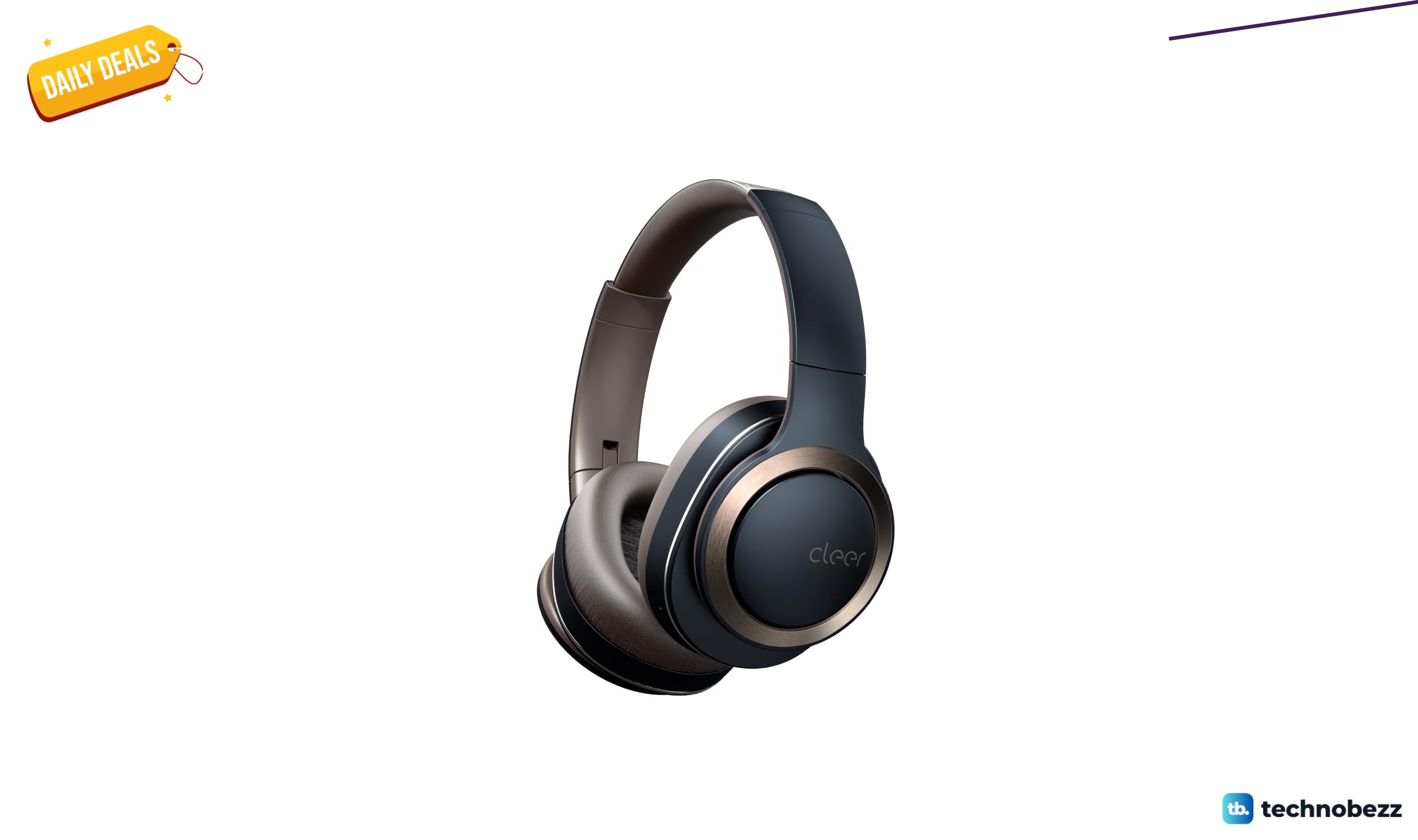
Cleer Audio Enduro ANC Noise Canceling Headphones price drops to $94.99
Save 47% on Cleer Audio Enduro ANC headphones at $94.99, with 60-hour battery, active noise cancellation, and multipoint Bluetooth.
3 min read
Lenovo coupon codes and deals
Browse 5 current Lenovo offers, including 3 coupon codes and 2 online deals.
5 min read

Woot coupon codes and deals
3 min read
Samsung coupon codes and deals
5 min read

Best tech coupon codes and online deals
4 min read
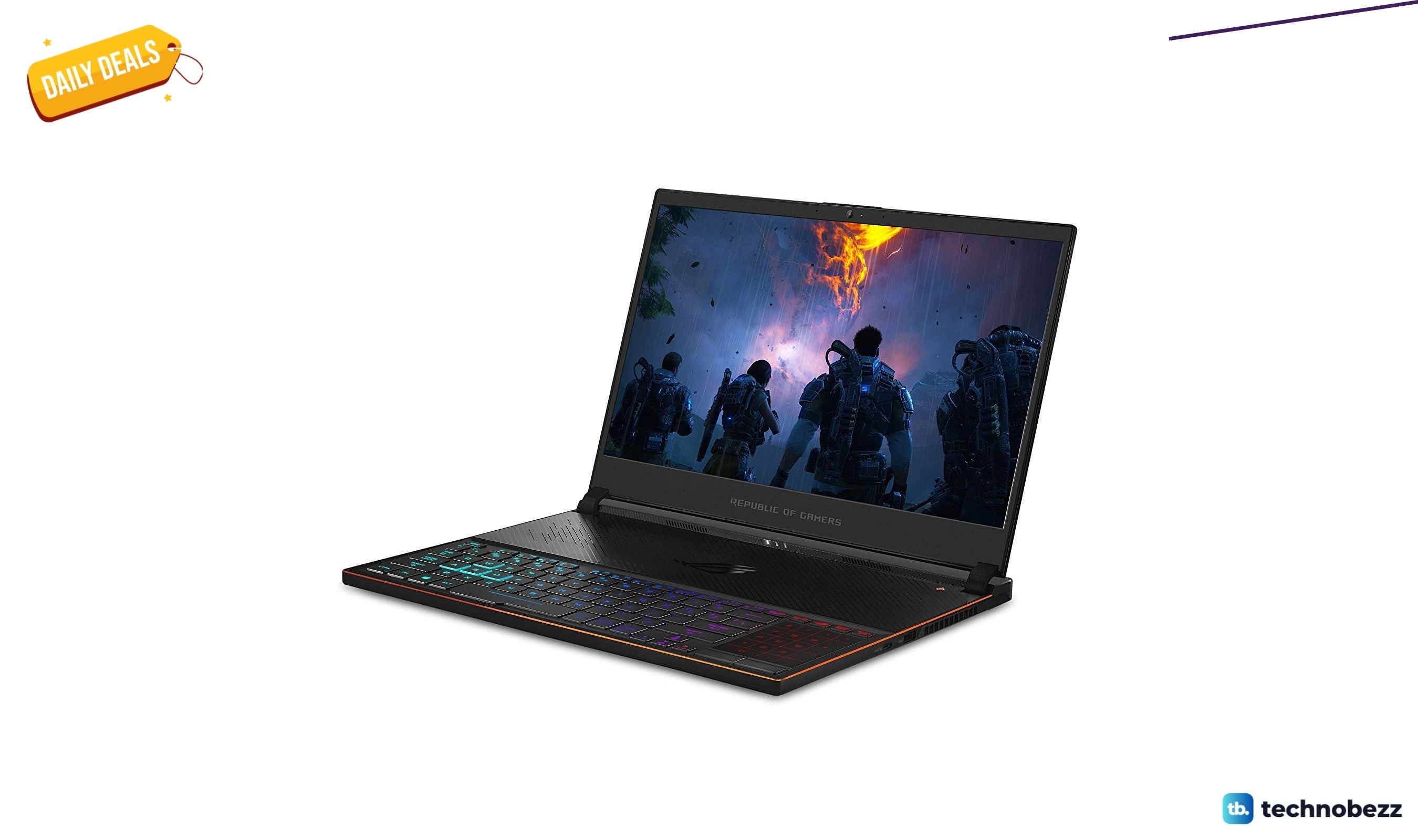
ASUS ROG Zephyrus S Ultra Slim Gaming gets a $660.95 price cut to $1338.05
5 min read
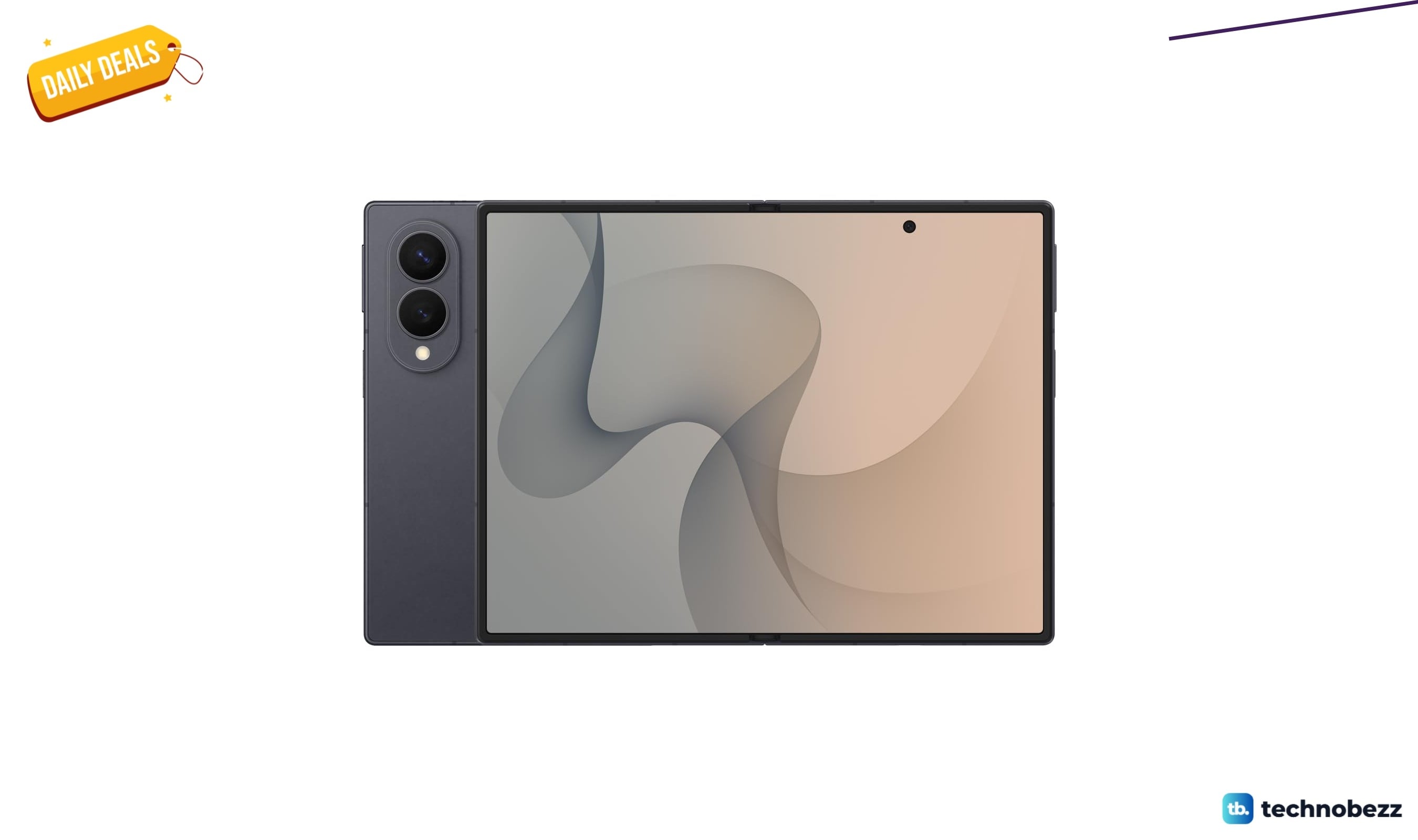
Samsung Galaxy Z Fold8 Unlocked Android Smartphone on sale for $1649.99
3 min read
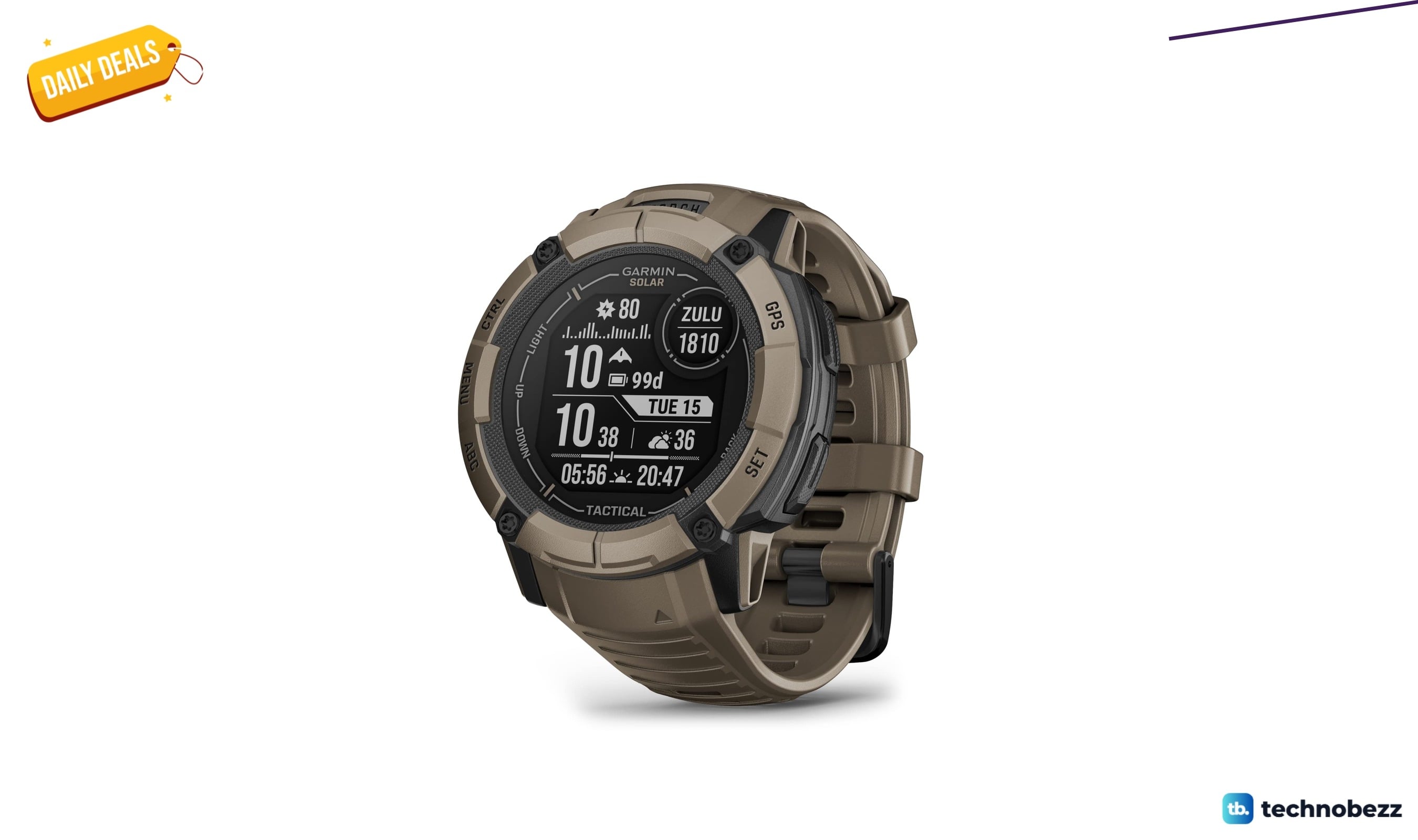
We found 2 smartwatch deals from $219.99 that are actually worth it
5 min read
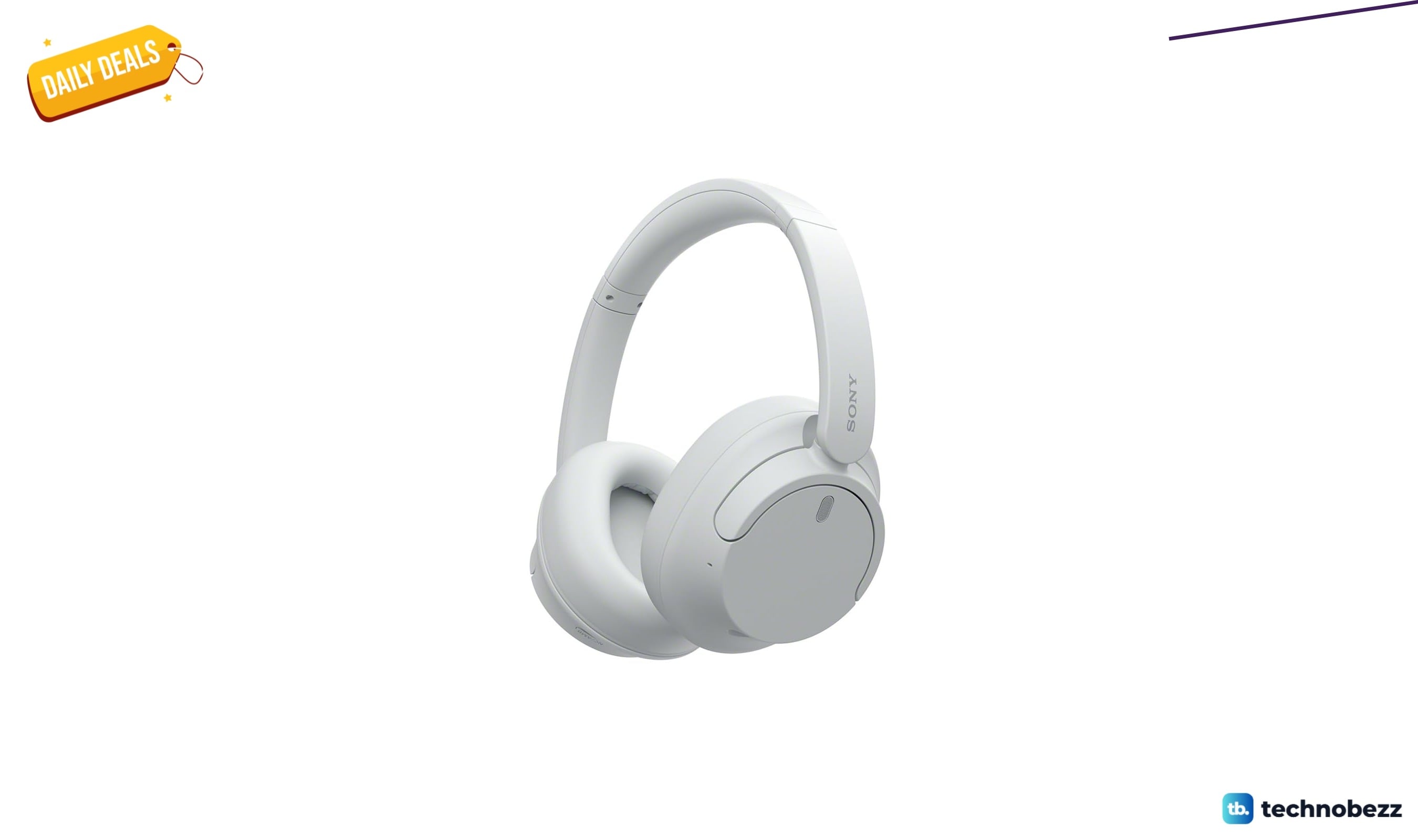
Sony WH-CH720 Noise Canceling Wireless Bluetooth Headphones now $87.94, down from $119.99
3 min read
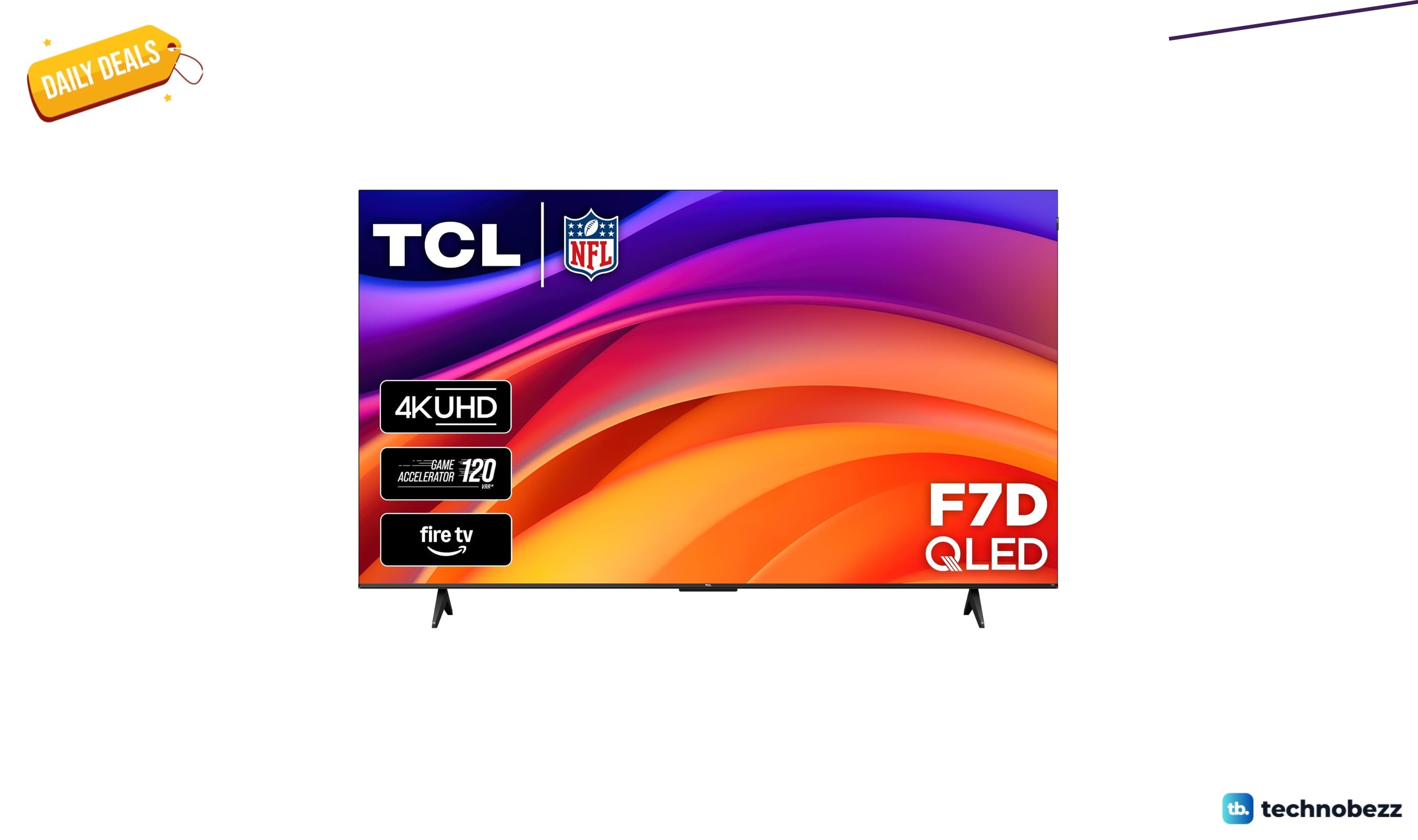
TCL 75-inch F7D QLED 4K TV leads 2 TV deals from $499.99
5 min read