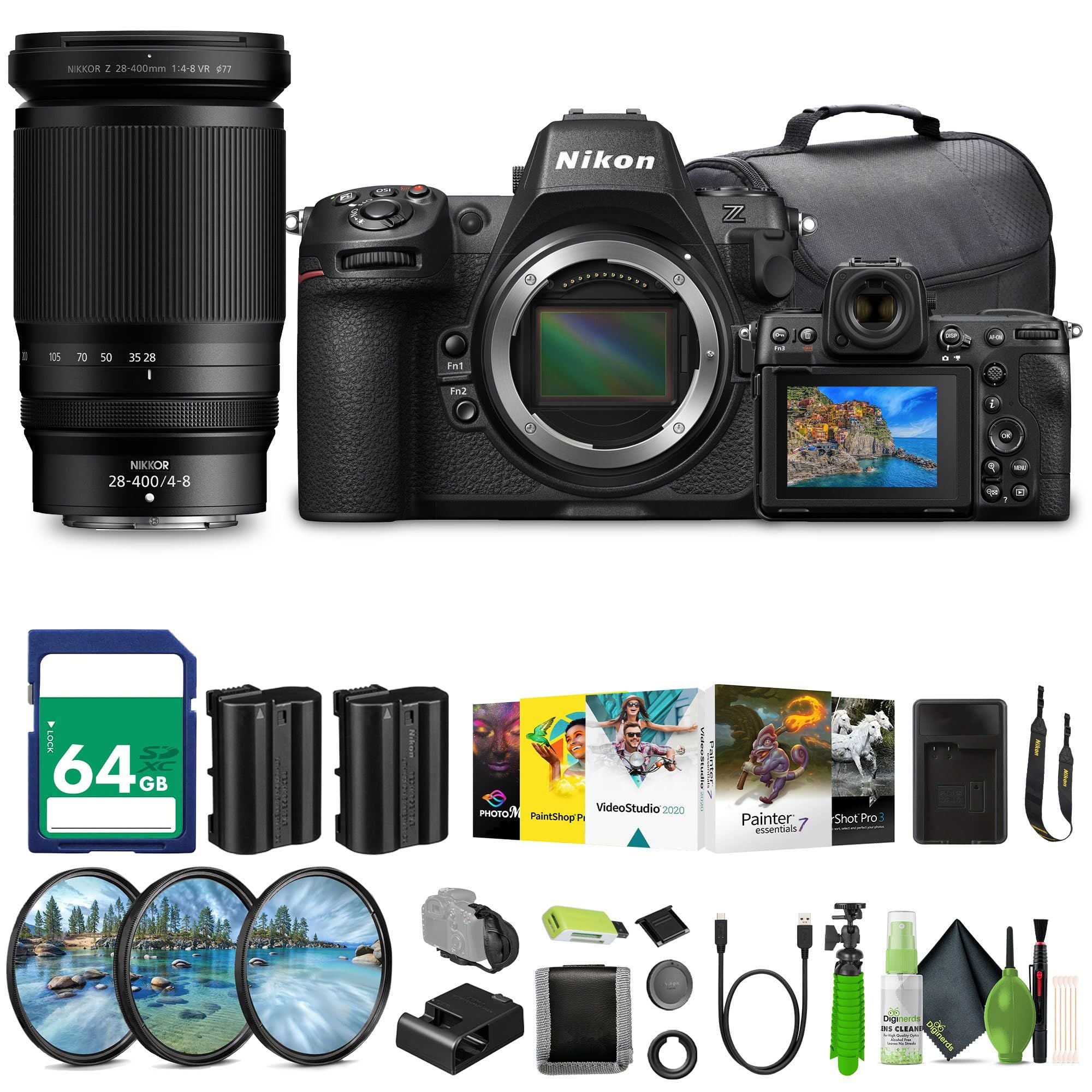
Wildlife photography rewards fast reactions, long-lens reach, and autofocus that can keep a moving subject sharp. The Nikon Z8 is the best overall pick because it combines high-resolution full-frame files, EXPEED 7 processing, subject detection with 3D tracking, and rapid capture in a serious field body.
Technobezz is supported by its audience. We may get a commission from retail offers.
Best Cameras for Wildlife Photography in 2026
The Nikon Z8 leads this wildlife camera guide with fast bursts, strong autofocus, high resolution, and serious field control.
T
Technobezz
Senior Editor
Updated September 5, 2026Sep 5, 2026
•16 min read

Get Deals Like These in Your Inbox
The best prices, reviewed weekly.
The right camera depends on subject distance, crop needs, lens weight, and how much video matters to your work. This list covers full-frame speed bodies, high-resolution crop-friendly models, APS-C value picks, and hybrid cameras for photographers who split time between stills and video.
At a Glance
| Category | Product | Why We Picked It |
|---|---|---|
| Best overall | Nikon Z8 | Pro wildlife speed with high-resolution crop room |
| Best value | Canon EOS R7 | APS-C reach, fast bursts, and strong value for wildlife |
| Best budget | Nikon Z50II | Compact entry body with dedicated bird detection |
| Best ultra-fast action | Sony Alpha 9 III | Global shutter speed for peak action and fast movement |
| Best high-resolution cropping | Sony Alpha 7R VI | Huge full-frame files with modern wildlife burst speed |
| Best Canon pro hybrid | Canon EOS R5 Mark II | High-resolution Canon speed with serious hybrid video |
| Best Canon midrange | Canon EOS R6 Mark III | Fast full-frame Canon performance below the pro tier |
| Best Fujifilm hybrid | Fujifilm X-H2S | Fast stacked APS-C performance for Fujifilm shooters |
How we chose and tested
We chose current mirrorless cameras that give wildlife photographers clear advantages in the field. The priorities were autofocus and subject recognition, telephoto lens support, burst performance, crop latitude, card requirements, video capability, system weight, and the practical strength of each mount for birds, mammals, and fast action. Cameras earned their places by matching a real wildlife use case, from lightweight starter kits to high-resolution cropping and global-shutter speed.
The best cameras for wildlife photography right now
Nikon Z8 - Best overall
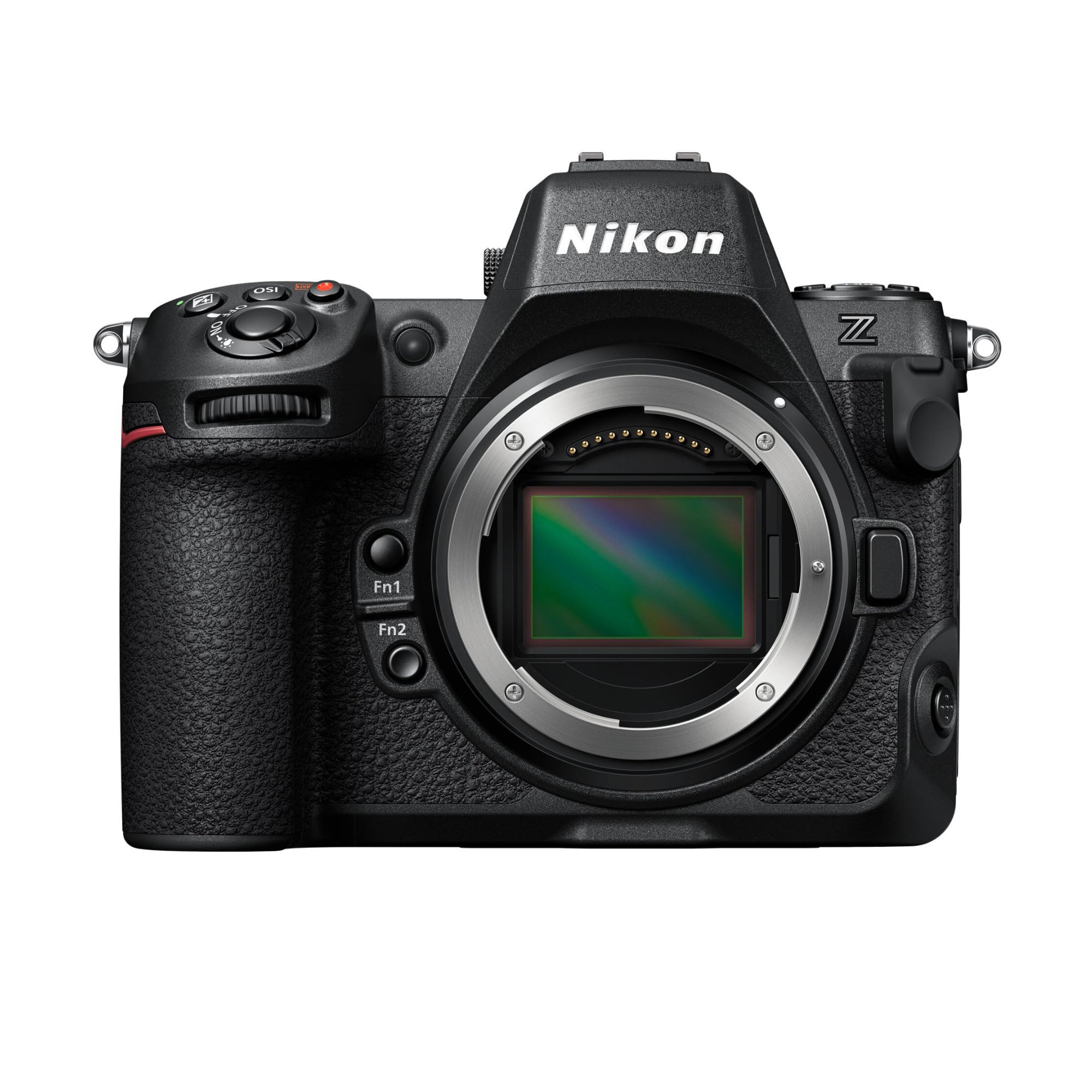
Nikon's Z8 is the most complete wildlife body here, pairing a 45.7MP full-frame/FX CMOS sensor with EXPEED 7 processing. That combination gives bird and mammal shooters the resolution to crop distant subjects and the speed to keep up with quick behavior.
Its autofocus system supports subject detection for 9 subject types with 3D tracking, a strong setup for erratic movement. Burst shooting reaches up to 20 fps in full-resolution RAW, or up to 120 fps in reduced-resolution JPEG High-Speed Frame Capture+ with Pre-Release Capture, which helps catch moments that happen before a full press of the shutter.
For hybrid creators, the Nikon Z8 also records RAW video up to 8.3K/60p and 4K UHD/120p. The tradeoffs are the expensive body, CFexpress card costs, more weight than smaller sensor systems, and an electronic-shutter-only design that does not suit every flash workflow.
Key highlights
- 45.7MP full-frame/FX CMOS sensor
- EXPEED 7 processor
- Subject detection for 9 subject types with 3D tracking
- Up to 20 fps RAW, or 120 fps reduced-resolution JPEG with Pre-Release Capture
- RAW video up to 8.3K/60p
- 4K UHD/120p video
Pros
- Excellent balance of resolution, speed, autofocus, and ruggedness for birds and mammals
- Strong Nikon Z telephoto ecosystem, including PF super-telephoto options
- High-resolution files allow meaningful cropping
- Pro body controls without flagship-sized bulk
Cons
- Expensive body and CFexpress cards add cost
- Heavier than APS-C and Micro Four Thirds options
- Electronic-shutter-only design may not suit every flash workflow
Who it's for
Photographers who want a pro-grade wildlife body for birds in flight, large mammals, and serious cropping without moving to a flagship-sized camera.
Skip if
Choose a smaller system if you need the lightest possible hiking kit or are buying your first interchangeable-lens camera.
Canon EOS R7 - Best value
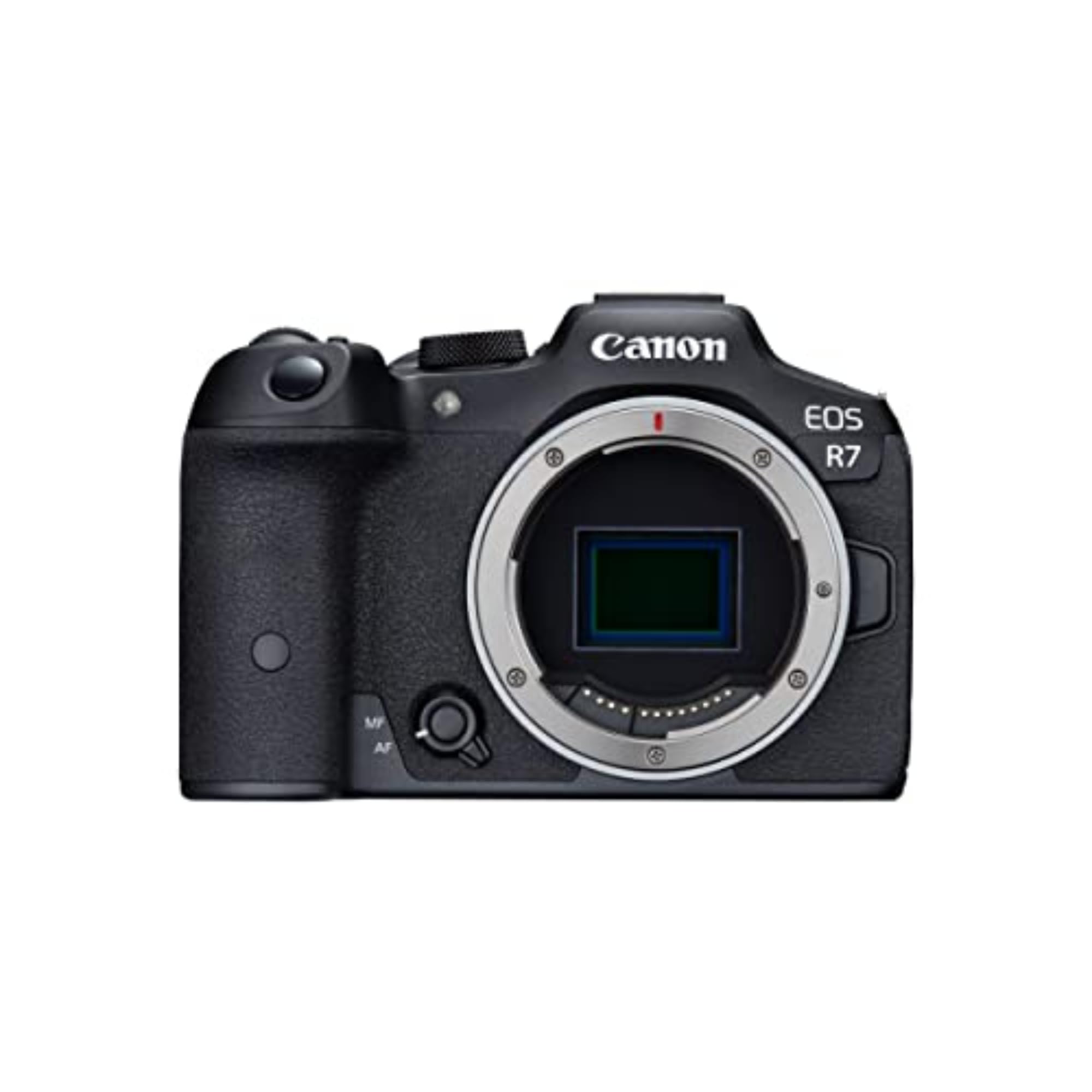
For Canon wildlife shooters, the EOS R7 delivers the reach advantage of APS-C with a 32.5MP CMOS sensor that helps when birds and animals stay distant. It is the value pick because it combines strong pixel density with real action speed.
Action specs are well matched to field use. The Canon EOS R7 shoots 15 fps with the mechanical shutter and up to 30 fps with the electronic shutter, while Dual Pixel CMOS AF offers up to 651 AF zones.
Five-axis in-body image stabilization and 4K 60p video round out a capable stills and hybrid package. Its main limits are the smaller sensor's high-ISO headroom, rolling-shutter risk with very fast motion, and the limited native RF-S long-lens selection.
Key highlights
- 32.5MP APS-C CMOS sensor
- 15 fps mechanical shutter
- Up to 30 fps electronic shutter
- Dual Pixel CMOS AF with up to 651 AF zones
- 5-axis in-body image stabilization
- 4K 60p video
Pros
- APS-C crop gives useful reach with telephoto lenses
- High pixel density is excellent for distant wildlife
- Fast burst rate for the price
- Good Canon animal subject detection for the class
Cons
- Canon RF-S native long-lens options remain limited
- Electronic shutter can show rolling shutter with very fast motion
- Smaller sensor gives less high-ISO headroom than full frame
Who it's for
Photographers who want a strong birding and wildlife body below full-frame flagship prices.
Skip if
Look higher in Canon's range if you need pro full-frame low-light performance or a deeper native APS-C lens lineup.
Nikon Z50II - Best budget
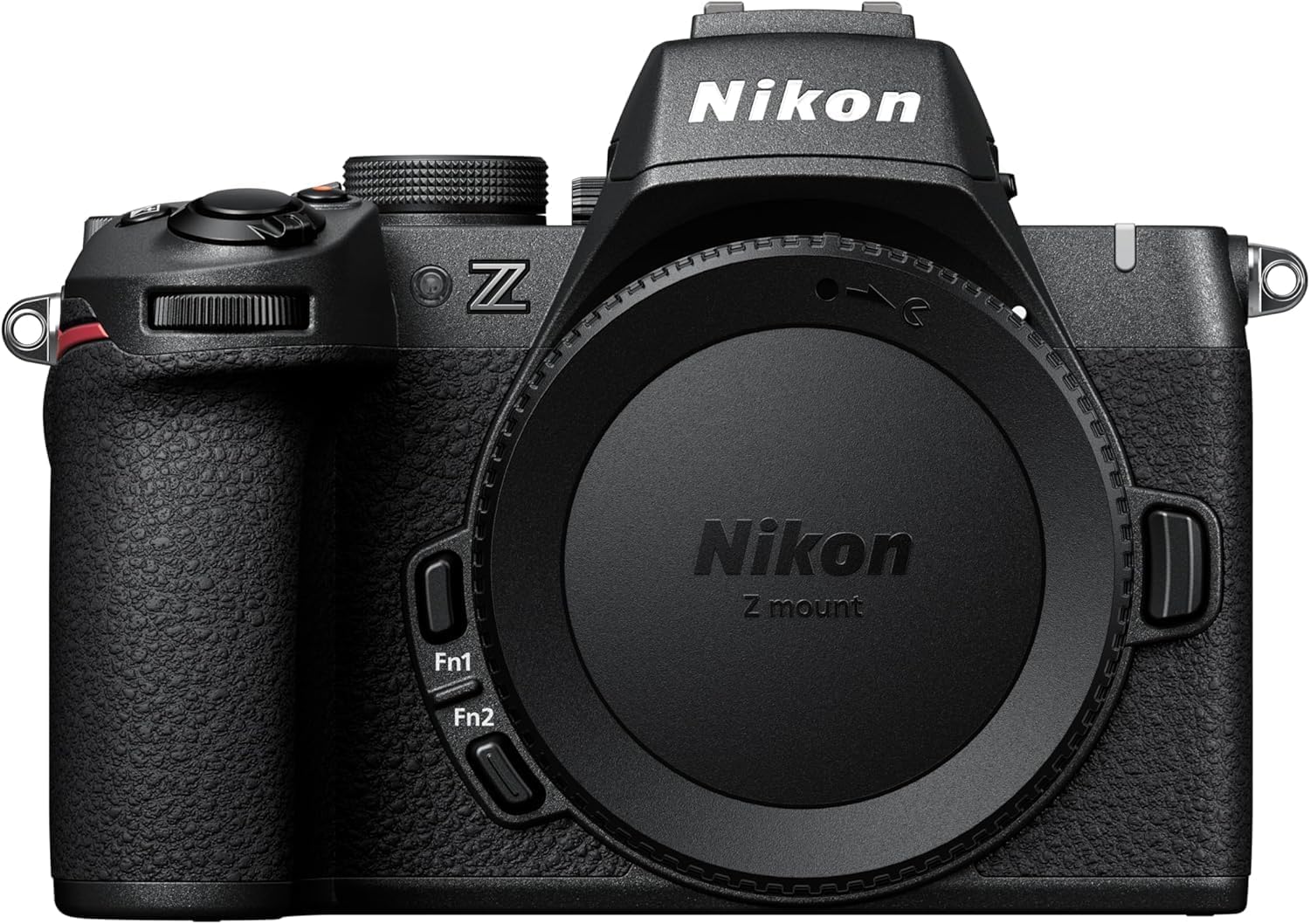
New Nikon shooters get a wildlife starter in the Z50II, offered here as a body only with lenses sold separately. Its 20.9MP APS-C/DX CMOS sensor and EXPEED 7 processor give it the right foundation for backyard birds, trips, and first serious wildlife sessions.
Subject detection covers 9 subject types, and burst shooting reaches up to 11 fps in RAW, or up to 30 fps in JPEG with Pre-Release Capture. The small body pairs well with lightweight DX zooms and can also use Nikon Z full-frame telephotos as your lens needs grow.
The compromises are no in-body stabilization, less crop room than higher-resolution bodies, and a body that feels less balanced with large telephoto lenses.
Key highlights
- 20.9MP APS-C/DX CMOS sensor
- EXPEED 7 processor
- Subject detection for 9 subject types, including a dedicated bird mode
- Up to 11 fps RAW, or 30 fps JPEG with Pre-Release Capture
- 4K UHD/60p with crop
- Full HD/120p video
Pros
- Dedicated bird detection helps with wildlife autofocus
- Small body pairs well with lightweight DX zooms
- Can use Nikon Z full-frame telephotos as you grow
- Good starter camera for backyard birds and trips
Cons
- No in-body stabilization
- Lower resolution leaves less room to crop than R7 or full-frame high-res bodies
- Small body is less balanced with large telephoto lenses
Who it's for
Nikon buyers who want a current, affordable wildlife starter body with modern autofocus.
Skip if
Move up if you regularly shoot fast birds at long range and need deep cropping or rugged pro controls.
Sony Alpha 9 III - Best ultra-fast action
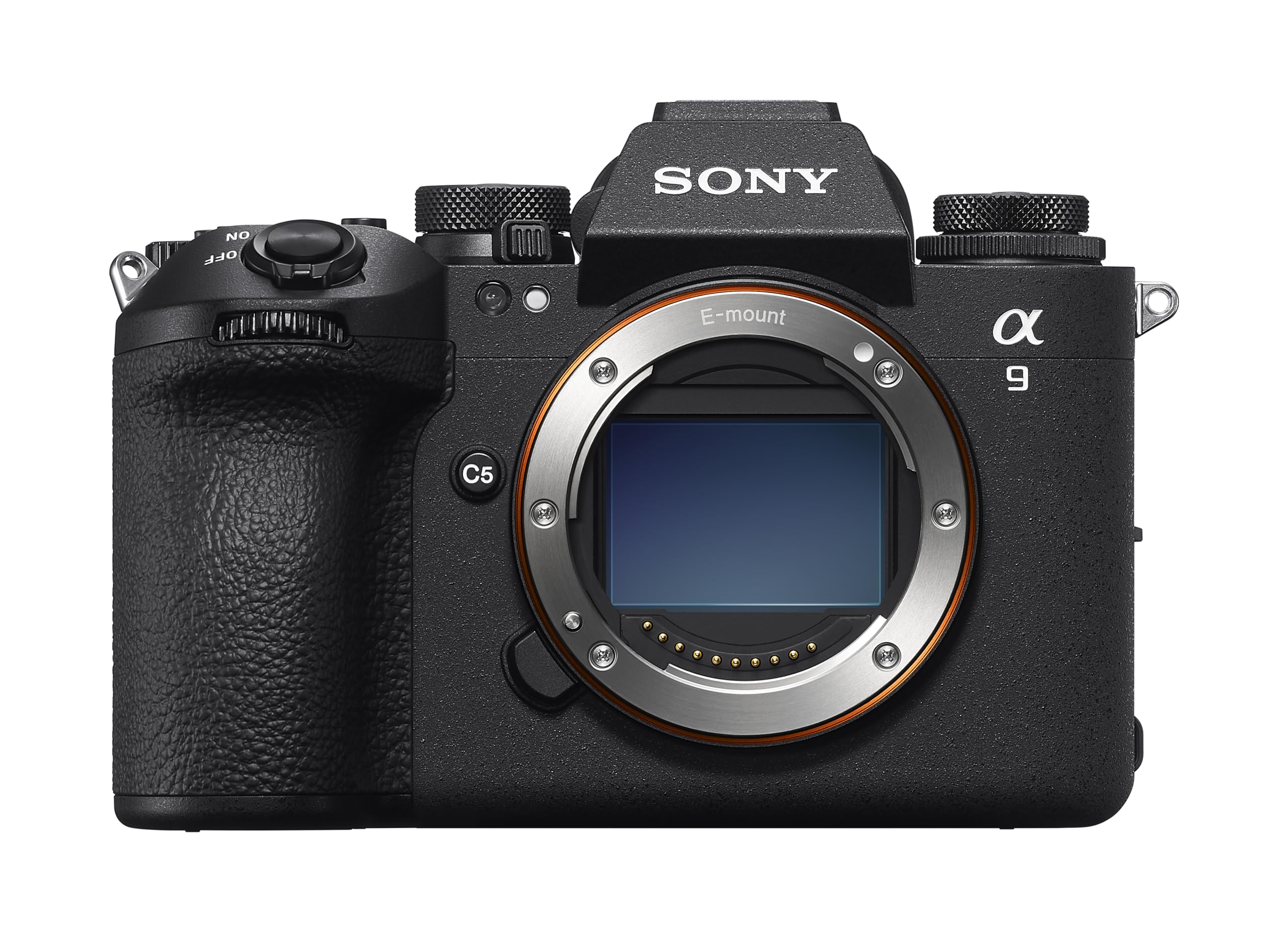
Speed is the reason to choose the Sony Alpha 9 III. Its 24.6MP full-frame Exmor RS CMOS sensor uses a global shutter, which avoids rolling-shutter distortion on wings, dives, strikes, and sprints.
The camera shoots 120 fps blackout-free continuous bursts, giving action specialists an unusually dense sequence of frames to choose from. Dual slots support CFexpress Type A and SD cards, and the sensor is a 35mm full-frame unit measuring 35.6 x 23.8 mm.
This is the specialist body for exact wing positions and peak movement. It gives up crop room compared with higher-resolution cameras, costs a lot for a speed-focused body, and the global-shutter design brings tradeoffs for shooters chasing maximum dynamic range.
Key highlights
- 24.6MP full-frame Exmor RS CMOS sensor with global shutter
- 35mm full frame, 35.6 x 23.8 mm sensor size
- 120 fps blackout-free continuous shooting
- Dual slots support CFexpress Type A and SD cards
- ILCE-9M3 product identity
- Alpha 9 III with global shutter
Pros
- Global shutter avoids rolling-shutter distortion on wings and fast movement
- 120 fps bursts are unmatched for peak action
- Huge Sony E-mount wildlife lens ecosystem
- Blackout-free shooting helps track erratic subjects
Cons
- 24MP gives less crop room than Nikon Z8, Canon EOS R5 Mark II, or Sony Alpha 7R VI
- Very expensive for a specialized speed body
- Global-shutter tradeoffs can matter for maximum dynamic range seekers
Who it's for
Photographers whose priority is freezing the exact wing position, dive, strike, or sprint without rolling-shutter artifacts.
Skip if
Pick a higher-resolution body if you mostly photograph perched birds or distant animals where crop latitude matters more than 120 fps.
Sony Alpha 7R VI - Best high-resolution cropping
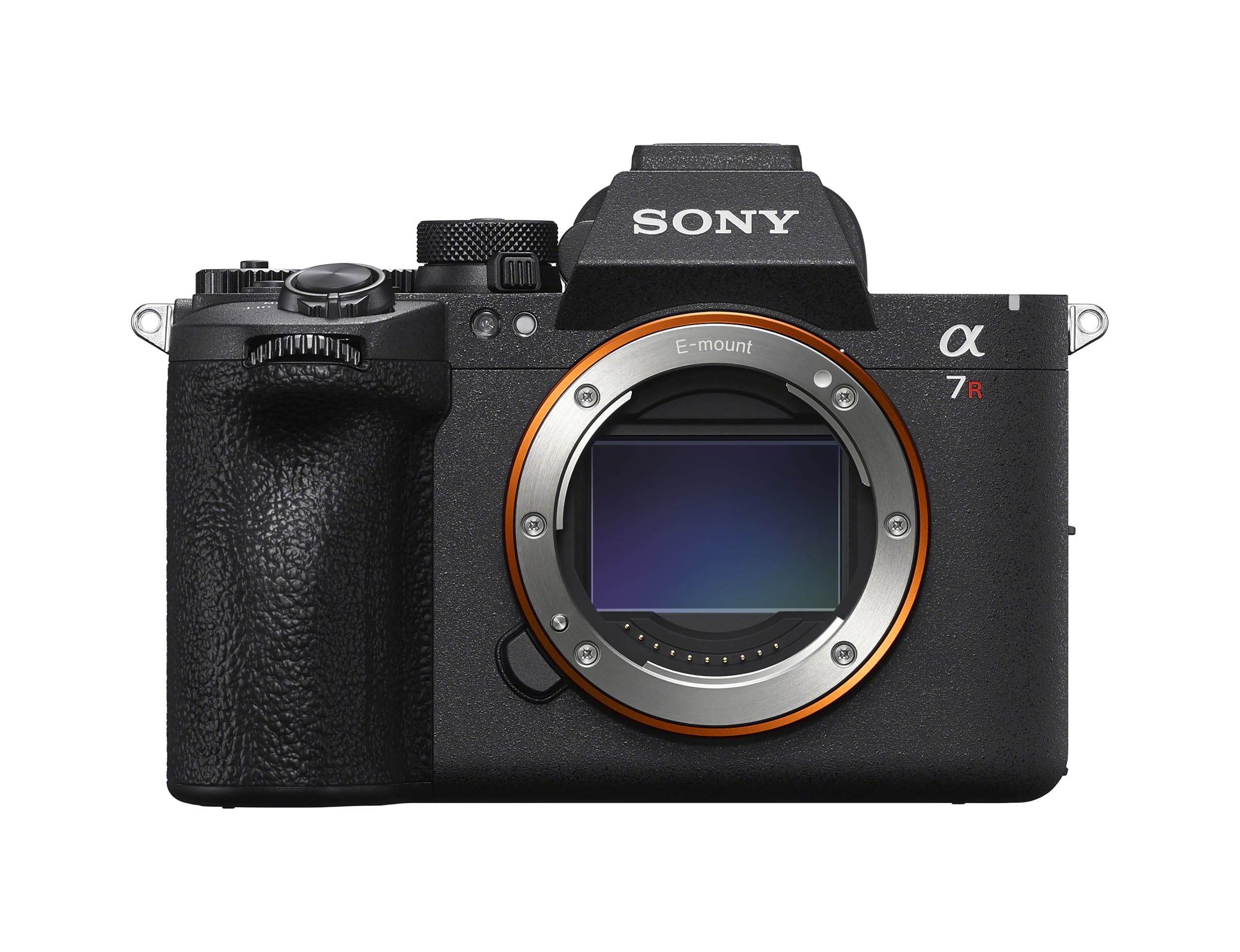
Crop-heavy wildlife photographers should look hard at the Sony Alpha 7R VI. Its 66.8MP full-frame stacked Exmor RS BSI sensor gives distant birds and small wildlife more room in the final frame when the original capture is loose.
Resolution is not the only draw. The Sony Alpha 7R VI shoots 30 fps with AF/AE and pre-capture, records 8K 30p and 4K 120p 10-bit video, and benefits from Sony E-mount's long-lens depth.
The large files demand fast cards and storage, and the Sony Alpha 9 III remains the more specialized tool for pure speed.
Key highlights
- 66.8MP full-frame stacked Exmor RS BSI sensor
- 30 fps with AF/AE and pre-capture
- 8K 30p video
- 4K 120p 10-bit video
- Release date June 2026
Pros
- Class-leading crop room for distant birds and small wildlife
- 30 fps makes it much more action-capable than older high-res bodies
- Sony E-mount has many native long-lens choices
- Excellent pick for wildlife plus landscape/detail work
Cons
- New and expensive
- Large files demand fast cards and storage
- Not as specialized for pure speed as the Sony Alpha 9 III
Who it's for
Photographers who often crop heavily but still want modern burst speed and autofocus.
Skip if
Choose a lower-resolution option if you do not need 66.8MP files or want a lower-cost wildlife kit.
Canon EOS R5 Mark II - Best Canon pro hybrid
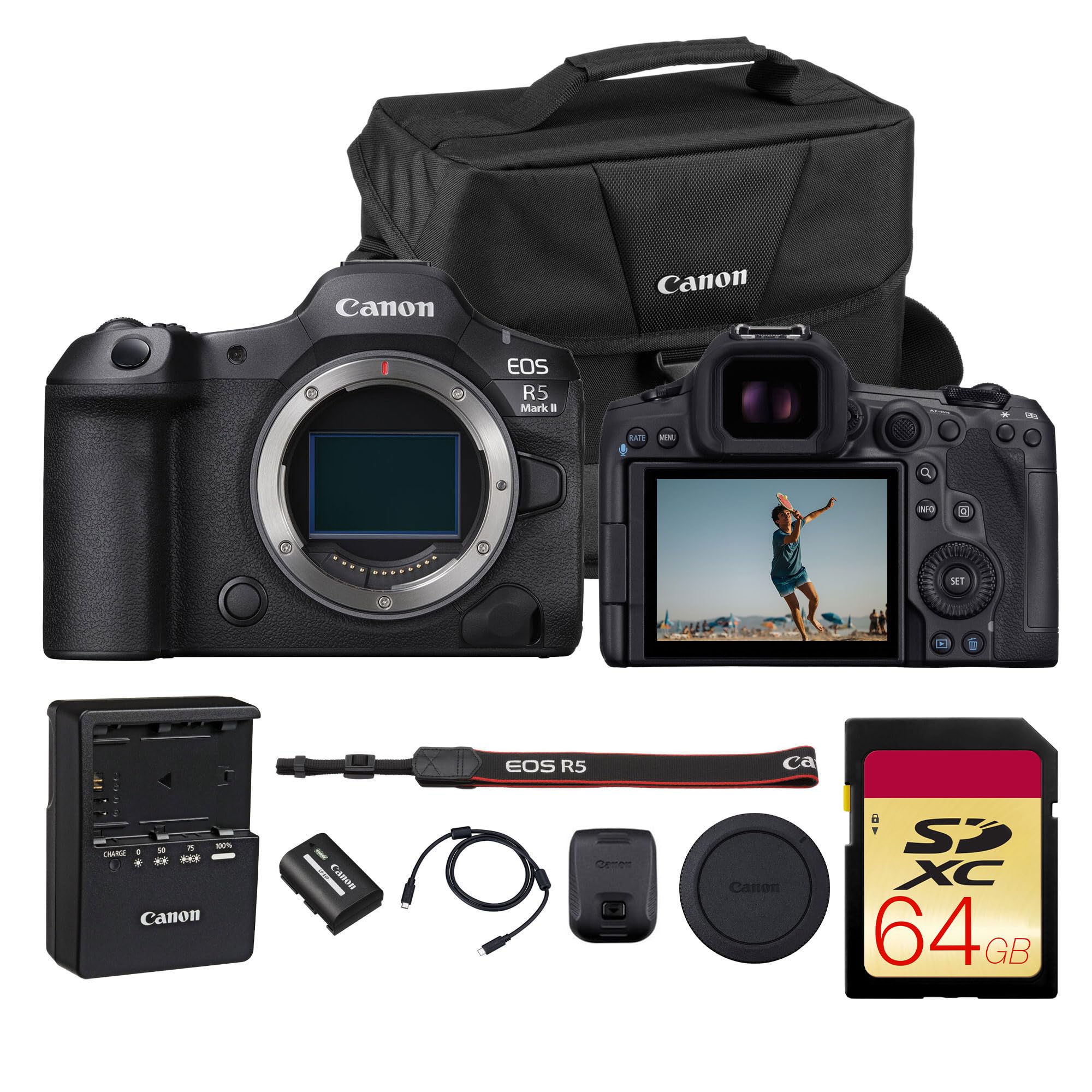
Canon RF shooters who want high-end stills and video should start with the EOS R5 Mark II. Its 45MP full-frame stacked BSI CMOS sensor gives wildlife photographers crop latitude while keeping the camera ready for fast action.
The Canon EOS R5 Mark II shoots up to 30 fps with the electronic shutter and uses Dual Pixel Intelligent AF with Eye Control. For video work, it records 8K 60 RAW and 4K 120 10-bit.
The body weighs approximately 656 g on its own or 746 g with card and battery, keeping its top-tier feature set in a manageable package. Expect high kit cost, greater heat and card demands in high-end video modes, and more limited third-party AF lens support than Sony E or Nikon Z.
Key highlights
- 45MP full-frame stacked BSI CMOS sensor
- Up to 30 fps electronic shutter
- Dual Pixel Intelligent AF with Eye Control
- 8K 60 RAW video
- 4K 120 10-bit video
- Approx. 746 g with card and battery
Pros
- High resolution and fast bursts suit serious wildlife work
- Strong Canon animal AF and eye-control focus features
- Excellent hybrid stills/video capability
- Better crop latitude than Canon EOS R6 Mark III
Cons
- Expensive body and RF telephotos can push kit cost high
- High-end video modes raise heat and card demands
- Canon RF third-party AF lens support is more limited than Sony E or Nikon Z
Who it's for
Canon RF photographers who want a premium wildlife body that also handles pro video.
Skip if
Choose the Canon EOS R7 or Canon EOS R6 Mark III if you only need stills and do not need the Canon EOS R5 Mark II's resolution or video feature set.
Canon EOS R6 Mark III - Best Canon midrange
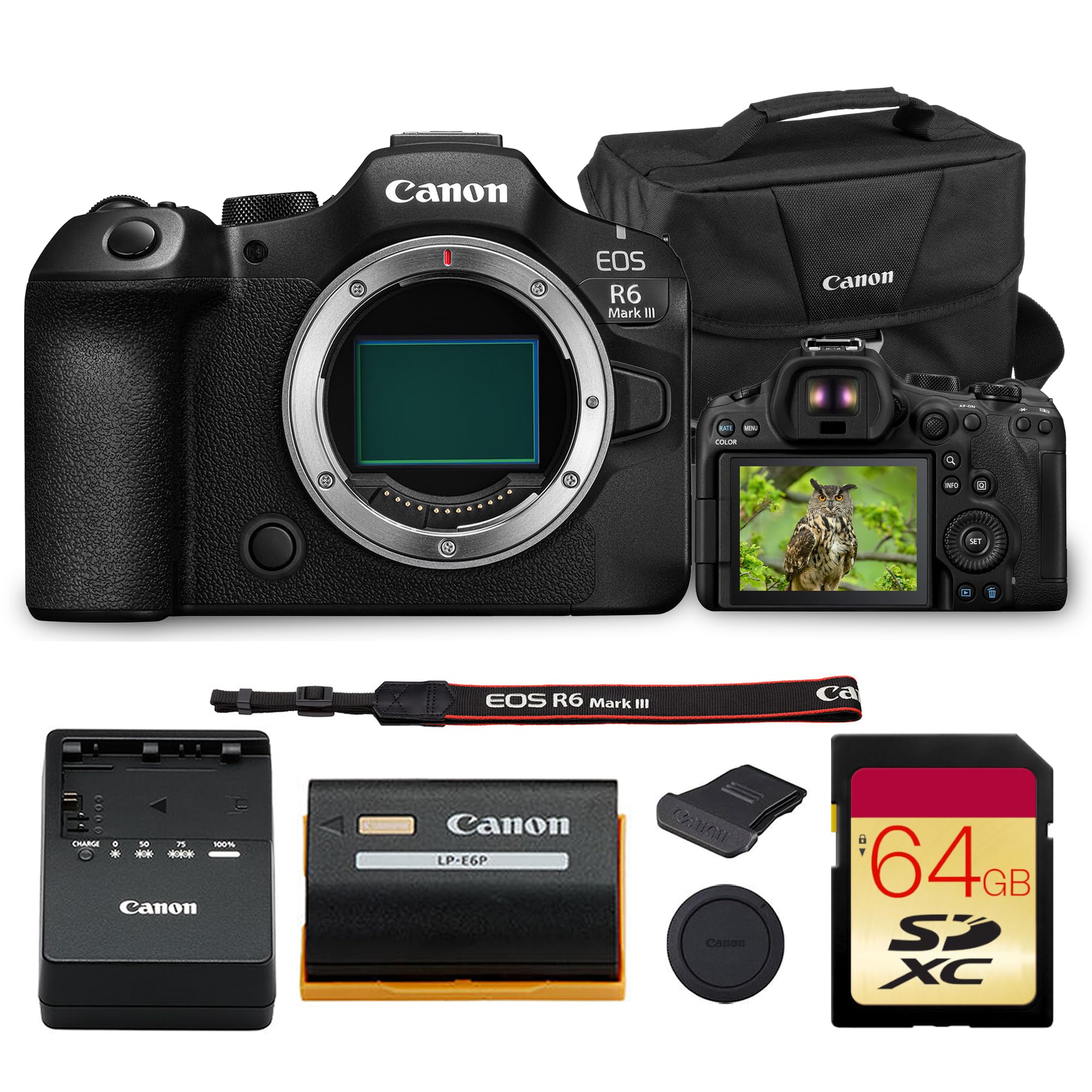
Among current Canon full-frame options, the EOS R6 Mark III is the practical midrange wildlife body below the Canon EOS R5 Mark II tier. Its 32.5MP full-frame CMOS sensor provides useful crop headroom for animals that do not fill the frame.
For fast wildlife, it reaches up to 40 fps with the electronic shutter and includes 20 frames of pre-continuous shooting. Dual Pixel CMOS AF II supports people, animal, and vehicle detection, while in-body stabilization is rated up to 8.5 stops center and 7.5 stops peripheral.
Storage is split across CFexpress Type B and UHS-II SD slots, which suits demanding bursts when configured properly. It has less resolution than the Canon EOS R5 Mark II and Sony Alpha 7R VI and lacks a stacked sensor, but it remains a strong all-purpose camera for wildlife, events, and family use.
Key highlights
- 32.5MP full-frame CMOS sensor
- Up to 40 fps electronic shutter
- 20 frames of pre-continuous shooting
- In-body stabilization up to 8.5 stops center
- Dual Pixel CMOS AF II with people, animal, and vehicle detection
- Dual card slots with CFexpress Type B and UHS-II SD
Pros
- More affordable than the Canon EOS R5 Mark II while still fast
- 32.5MP full-frame sensor gives useful crop headroom
- Strong burst rate and pre-capture for unpredictable wildlife
- Good hybrid camera for wildlife, events, and family use
Cons
- Less resolution than Canon EOS R5 Mark II or Sony Alpha 7R VI
- Not a stacked-sensor body, so electronic shutter is less ideal than flagship bodies
- Requires CFexpress Type B for best performance
Who it's for
Canon shooters who want a current full-frame wildlife body below the Canon EOS R5 Mark II price tier.
Skip if
Choose another body if you need maximum resolution, flagship stacked-sensor speed, or the lowest-cost wildlife setup.
Fujifilm X-H2S - Best Fujifilm hybrid
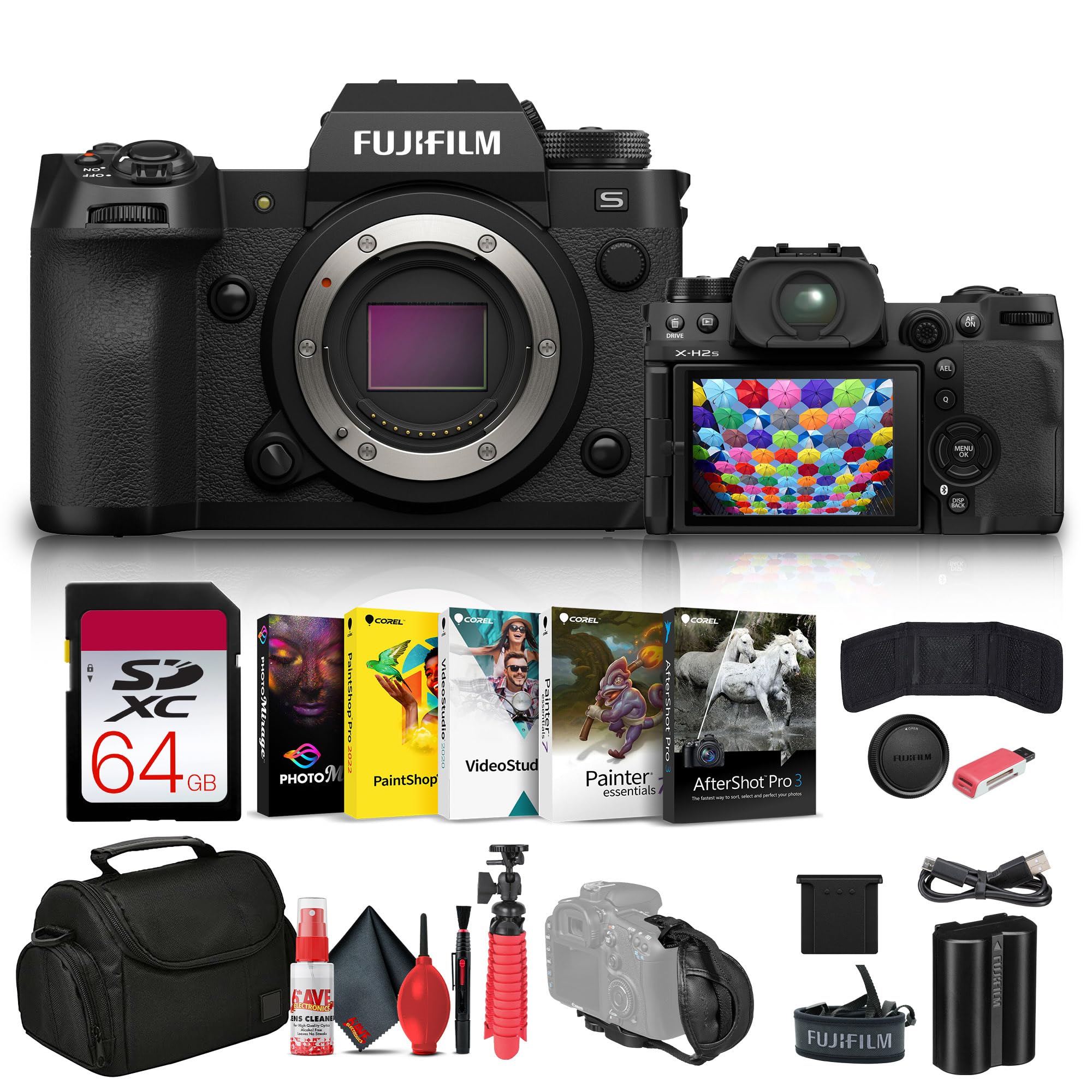
For Fujifilm X mount, the X-H2S is the action-focused wildlife pick. It uses a 26.16MP APS-C X-Trans CMOS 5 HS stacked sensor and X-Processor 5, giving the system a fast hybrid body for stills and video.
Burst shooting reaches up to 40 fps with the electronic shutter. Storage includes one UHS-II SD slot and one CFexpress Type B slot, which supports demanding bursts and video settings.
Video features include 6.2K/30p and 4K/120p, and Fujifilm color plus film simulations add appeal for JPEG shooters. The system's long-lens ecosystem is smaller than Canon, Nikon, or Sony, and AF tracking is not the strongest in this group.
Key highlights
- 26.16MP APS-C X-Trans CMOS 5 HS stacked sensor
- X-Processor 5
- Up to 40 fps electronic shutter
- One UHS-II SD slot and one CFexpress Type B slot
- 6.2K/30p video
- 4K/120p video
Pros
- Stacked APS-C sensor gives fast readout and strong action performance
- Good choice for wildlife photographers who also shoot serious video
- Fujifilm color and film simulations are a bonus for JPEG shooters
- CFexpress Type B slot supports demanding bursts and video
Cons
- Fujifilm long-lens ecosystem is smaller than Canon, Nikon, or Sony
- AF tracking is good but not the strongest in this group
- Older than several 2025-2026 bodies here
Who it's for
Photographers invested in Fujifilm X mount who want the fastest X-series body for wildlife and video.
Skip if
Start with Canon, Nikon, or Sony if you want the broadest super-telephoto lens ecosystem.
How to Choose
- Prioritize autofocus and subject recognition. Wildlife rarely gives you repeatable moments. Look for animal and bird detection, reliable tracking, and enough AF coverage to keep a subject sharp near the frame edges.
- Match sensor size to how you shoot. Full frame delivers stronger high-ISO image quality and dynamic range, while APS-C and Micro Four Thirds make long-lens reach more affordable and portable. High-resolution full-frame bodies are best when you crop heavily.
- Do not buy speed alone. A 120 fps burst is useful for peak action, but buffer depth, card speed, viewfinder blackout, rolling shutter, and AF reliability matter just as much in the field.
- Budget for lenses first. For wildlife, the lens often matters more than the body. Before choosing a camera, price realistic lenses such as 100-400mm, 150-600mm, 180-600mm, 200-800mm, or 300mm/400mm primes in that mount.
- Consider weight and weather sealing. A lighter system can get you farther into the field and lets you handhold longer. Weather sealing, battery life, and stabilization matter if you shoot in rain, dust, cold, or from a kayak or trail.
- Check memory-card requirements. High-speed bodies often need CFexpress Type A or Type B cards for their best burst and video modes. Those cards and readers add meaningful cost to the real kit.
Is full frame always better for wildlife photography?
No. Full frame is stronger for high ISO and dynamic range, but APS-C and Micro Four Thirds bodies can be better values because they give more apparent reach with smaller, cheaper long-lens kits.
How many megapixels do I need for birds?
Around 20MP works when you fill the frame, but 32MP to 45MP or higher gives more room to crop small or distant subjects. Very high-resolution bodies also demand better lenses, faster cards, and more storage.
Do I need a mechanical shutter for wildlife?
Not always. Many current wildlife bodies rely heavily on electronic shutters, while stacked or global-shutter sensors reduce distortion. Non-stacked sensors can show rolling shutter with fast wings or panning, so mechanical shutter still matters for some action.
What lens range should a beginner pair with these cameras?
For most US wildlife shoppers, start around 400mm equivalent at minimum. Practical starter choices include 100-400mm, 150-600mm, 180-600mm, 200-800mm, or 300mm/400mm primes depending on the mount.
Which memory cards matter for wildlife cameras?
Fast bodies often need CFexpress Type A or Type B cards for their strongest burst and video modes. SD cards work in supported slots, but the highest performance settings often depend on the faster card type.
Published July 9, 2026 Last updated September 5, 2026
Share this article
More in News

6 Best 65-Inch TVs for 2026
The LG C6 OLED 65-inch is the top pick for premium 65-inch picture quality, strong gaming support, and everyday streaming.
4 min read
Best Wi-Fi Extenders for 2026
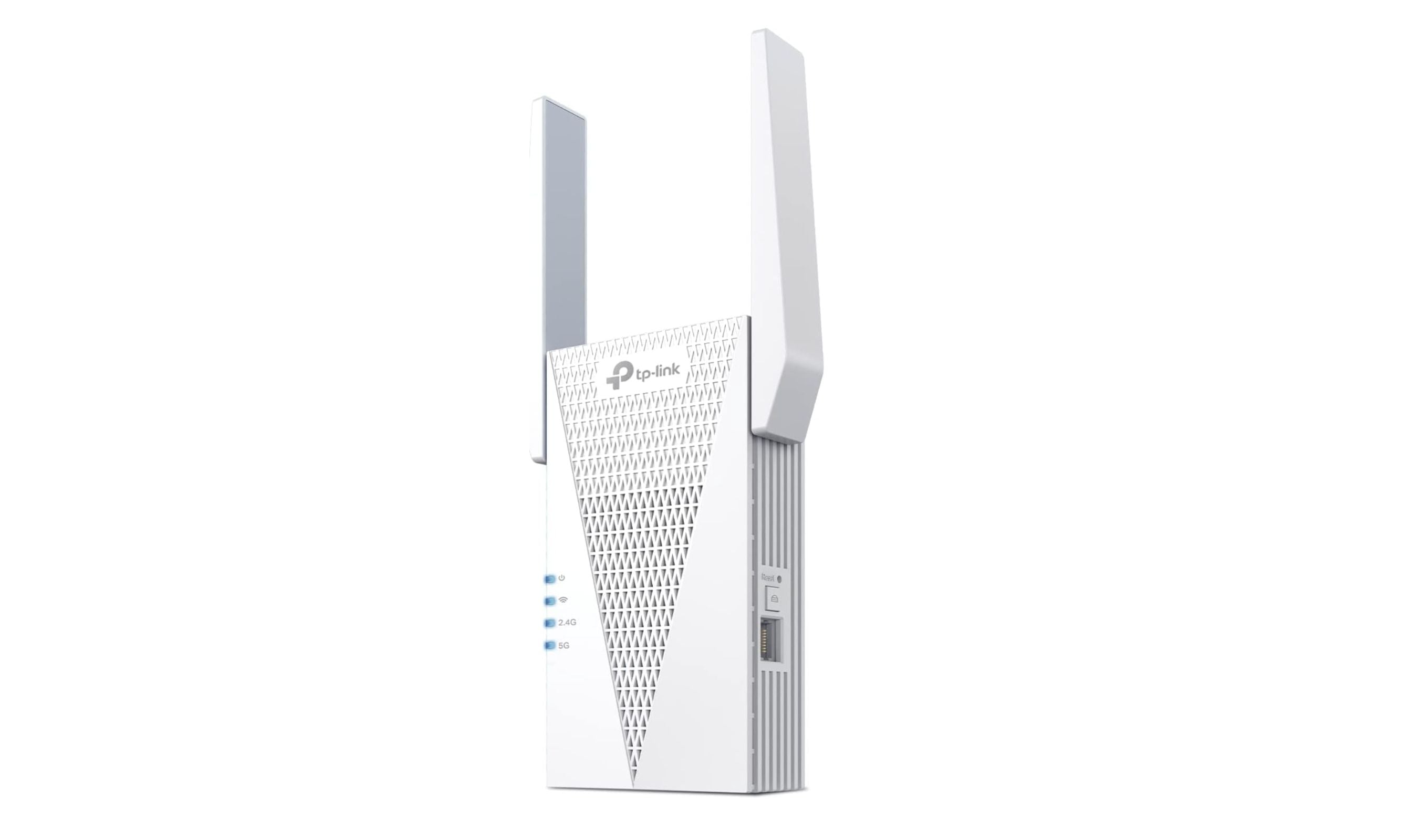
The TP-Link RE715X is our top pick for most people, balancing strong Wi-Fi 6 performance with a reasonable price.
4 min read
Best Soundbars Under $300 for 2026
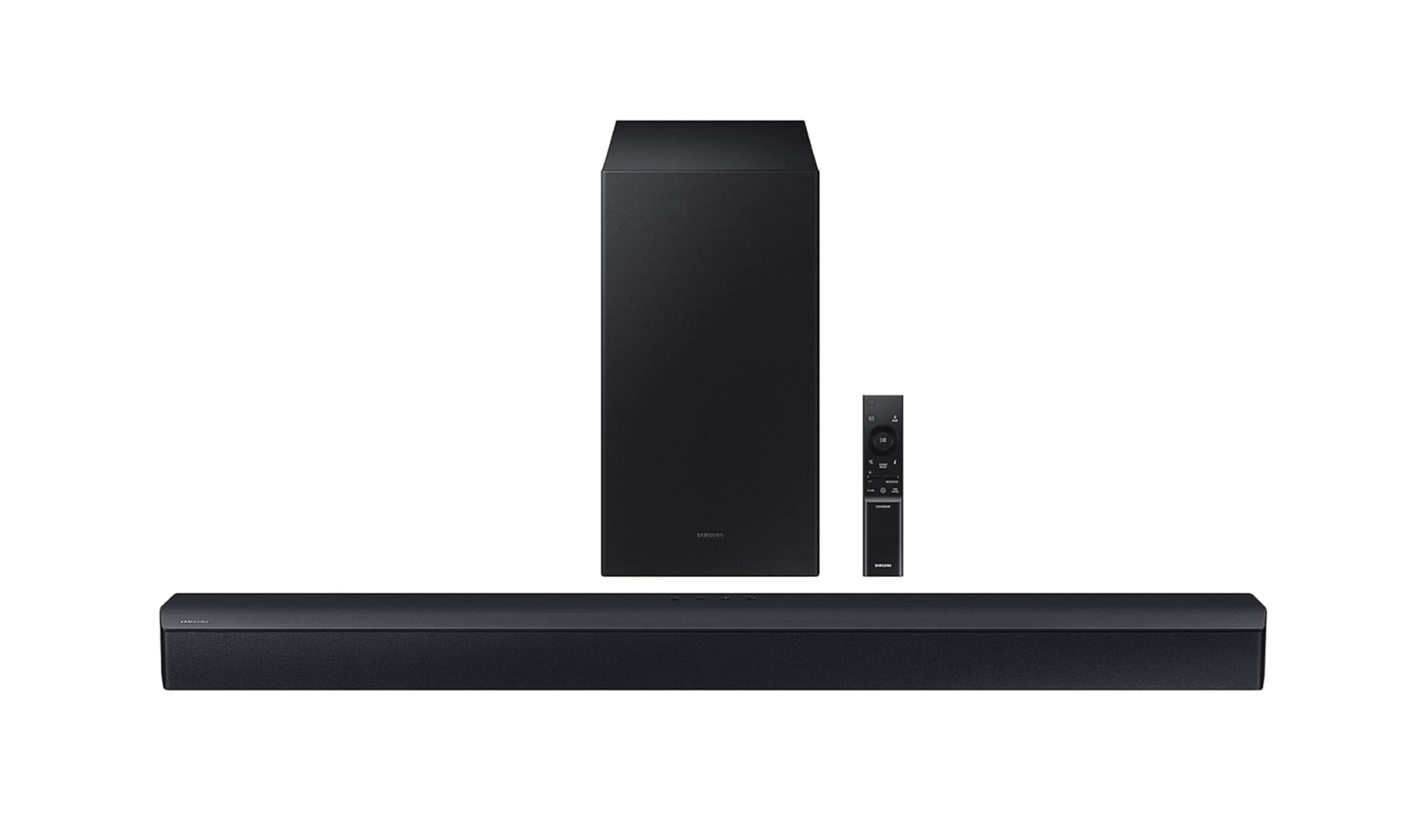
The Samsung HW-C450 is the best all-around pick at this price, but the right choice depends on whether you want room-shaking bass, true surround sound, or just clearer dialogue.
3 min read
8 Best Battery Powered Doorbell Cameras for 2026
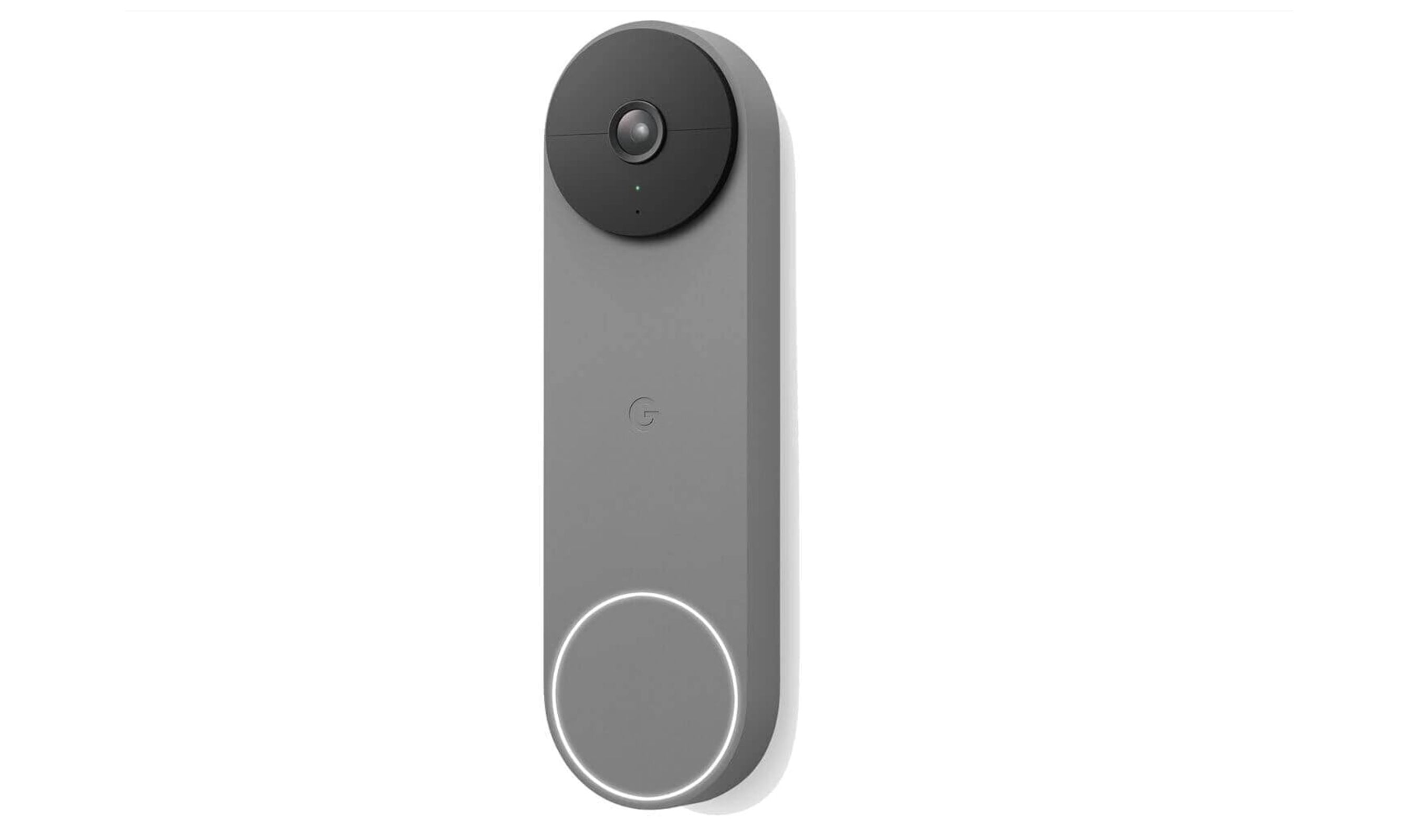
The best battery-powered doorbell cameras for 2026, led by the Google Nest Doorbell for free AI alerts and the Wyze Pro for the best value near $100.
4 min read
Best Field Recorders in 2026
4 min read
9 Best Floodlight Cameras for 2026
5 min read
Best Electric Shavers in 2026
4 min read
Best Wireless and Wired Camera Monitors for 2026
5 min read
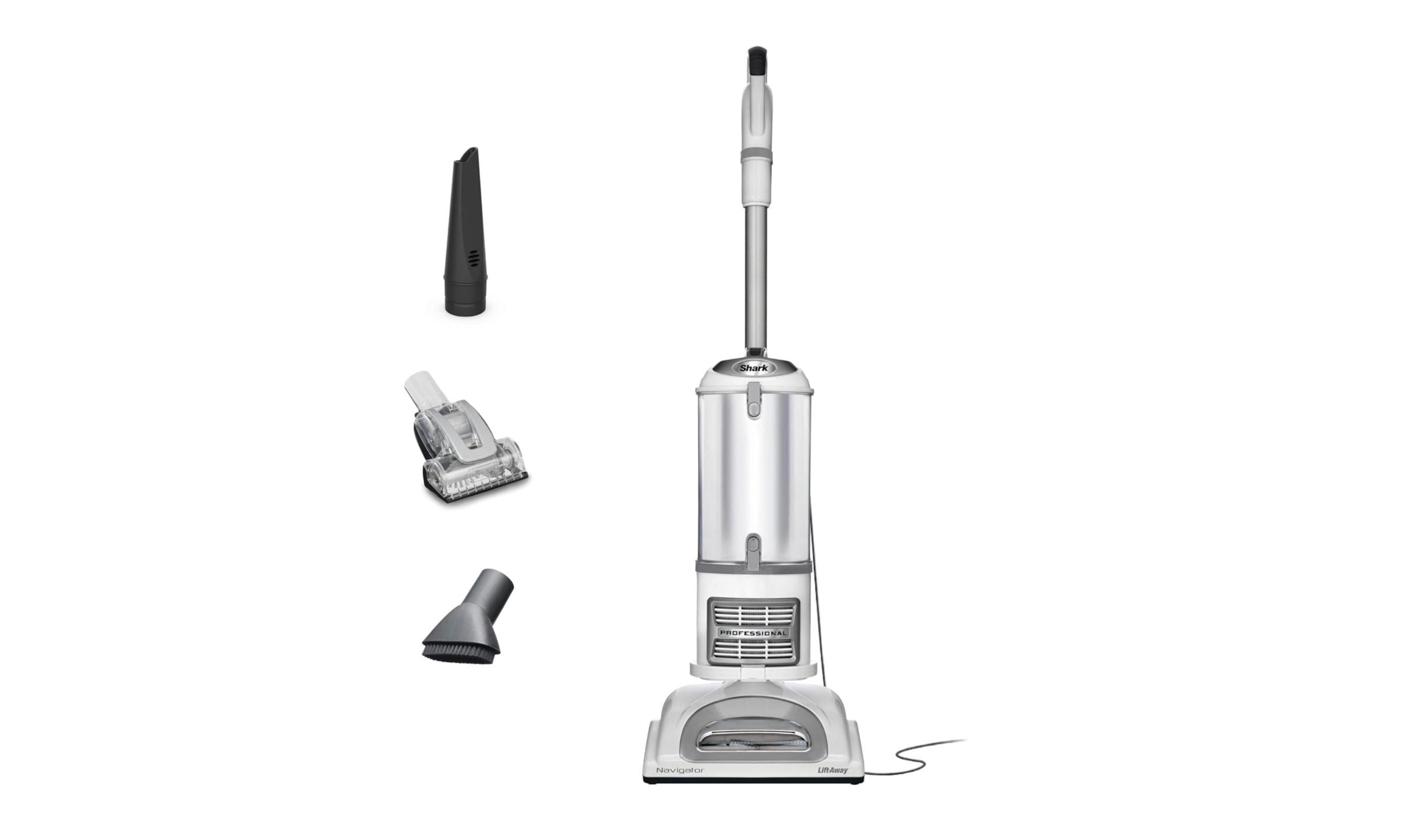
5 Best Vacuums for Tile Floors in 2026
5 min read
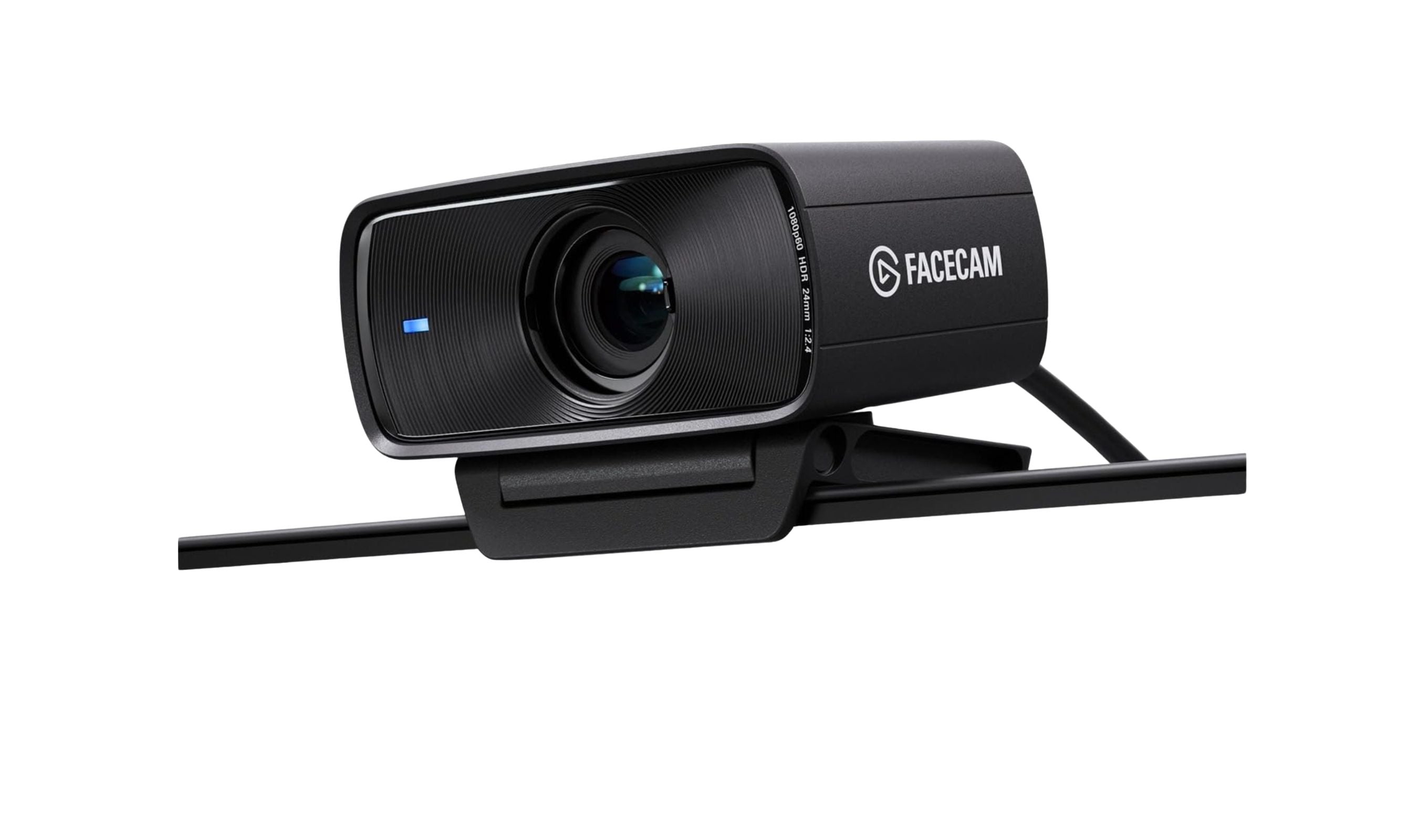
Best Cameras for Live Streaming in 2026
3 min read
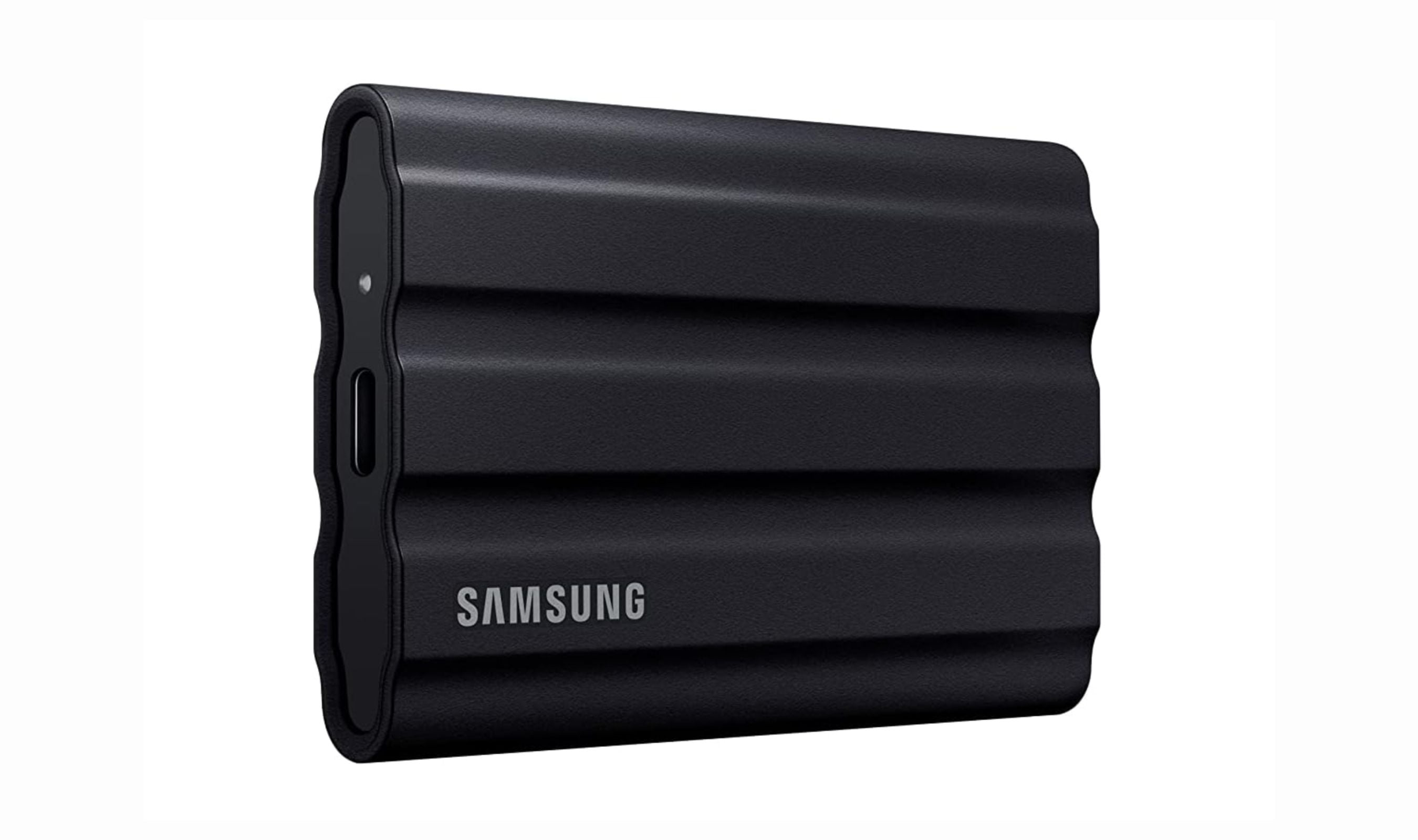
8 Best External SSDs for Gaming in 2026
5 min read
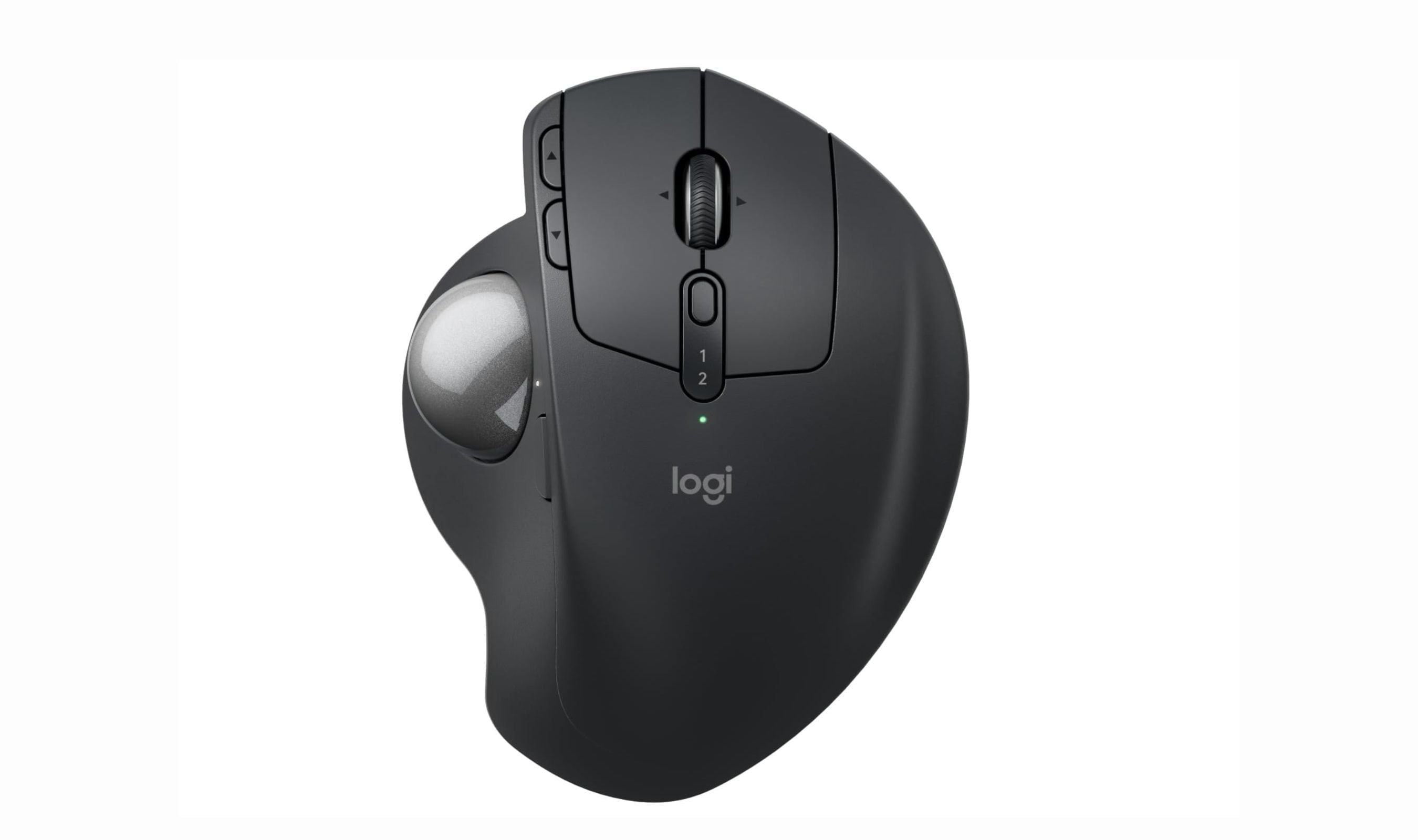
8 Best Trackball Mice in 2026
3 min read