
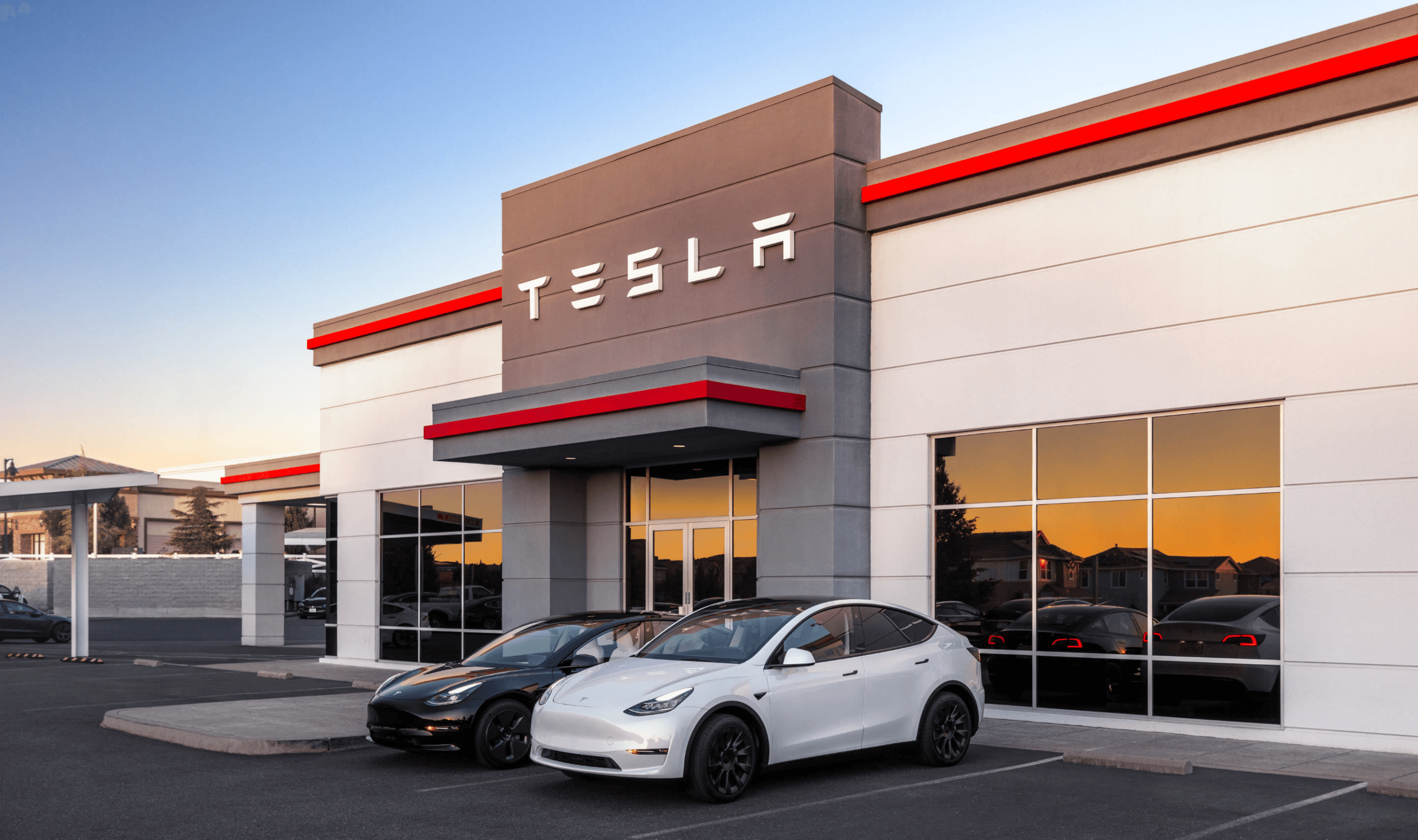
Tesla complied with California regulators' demands to rebrand its driver assistance features, then immediately sued to reverse the ruling that forced those changes.
The automaker filed a lawsuit against the California Department of Motor Vehicles on February 13 seeking to overturn a December administrative finding that its "Autopilot" and "Full Self-Driving" marketing violated state law.
This came just days after Tesla met a February 17 compliance deadline by renaming its premium system "Full Self-Driving (Supervised)" and moving it to a subscription-only model at $99 per month.
California's Office of Administrative Hearings determined in December that Tesla engaged in false advertising, giving the company 60 days to clean up its marketing language or face a 30-day suspension of its licenses to sell and manufacture cars in the state. The DMV confirmed Tesla had taken appropriate corrective action by the deadline, avoiding any license suspension.
Now Tesla wants the "false advertiser" label removed from its record entirely. In its complaint, attorneys for the automaker alleged the DMV "wrongfully and baselessly" labeled Tesla a false advertiser for its prior use of the terms Autopilot and Full Self-Driving.
The timing highlights Tesla's contradictory position as it banks its future on robotaxi technology while facing mounting legal challenges over autonomous driving claims.
Last week, a federal judge upheld a $243 million verdict against Tesla in a fatal Autopilot crash case, marking the first major plaintiff victory in an Autopilot wrongful death suit.
Tesla had rejected a $60 million settlement offer before that trial and has since quietly settled at least four additional Autopilot crash lawsuits rather than risk more jury decisions.
The National Highway Traffic Safety Administration launched an investigation in October into 2.88 million Tesla vehicles after connecting 58 incidents to Full Self-Driving software, including 14 crashes and 23 injuries. The probe specifically focuses on FSD running red lights and driving into opposing lanes of traffic.
Tesla's legal filing argues that consumers were never actually confused about whether its cars were safe to drive without human supervision. The company contends drivers could not purchase or use Autopilot or Full Self-Driving features without seeing clear statements that they do not make vehicles autonomous.
This argument contradicts findings from Tesla's own polling expert presented during the DMV case, which showed roughly one-third of buyers were at least partly confused by system capabilities based on their names.
Tesla is now testing automated vehicles in its Robotaxi pilot in Austin and announced production of its steering wheel-free Cybercab last week. CEO Elon Musk said last month that Tesla will have a widespread network of driverless robotaxis in the U.S. by year's end.
The lawsuit represents an attempt to erase regulatory findings that directly undermine Tesla's robotaxi narrative while maintaining compliance with marketing requirements.